
TL;DR

Get kitchen gear delivered free with Prime
- Fast, free delivery on millions of items
- Prime Video, Amazon Music and more included
- Member-only deals all year
Preparing your kitchen for an emergency means stockpiling essentials, organizing supplies for quick access, and choosing reliable cooking and water storage methods. Being ready reduces risks and keeps you self-reliant when utilities fail or disasters strike.
Imagine losing power during a snowstorm or facing a flood that cuts off your supply chain. Your kitchen, usually a place of comfort, becomes your frontline for survival. It’s not about panic; it’s about planning—making sure your space supports you when everything else falls apart.
This guide walks you through practical steps to prep your kitchen for an emergency. You’ll learn how to stockpile essentials, organize for quick access, and choose the right tools and storage methods that stand up to chaos. Think of it as building a shelter within your own home, one designed for resilience, not just convenience.
Create a well-stocked, rotating emergency pantry with at least 3 days of food and water per person.
Invest in portable, manual cooking tools like camping stoves and durable can openers.
Organize supplies in a dedicated, clearly labeled space for quick access during crises.
Use food-grade containers and rotate stored water every 6-12 months for safety.
Incorporate smart, eco-friendly tech like solar gadgets and digital apps to boost resilience.
Unplugged kitchen · Emergency readiness
How to Prepare Your Kitchen for an Emergency
When power, water, or supply chains fail, your kitchen becomes the frontline of household resilience. Build a rotating pantry, protect your water, prepare off-grid cooking tools, and organize everything for fast, safe access.
01 · Stockpile the essentials
Build a pantry that works without power
Choose familiar foods that require little water, fuel, or preparation. Balance heavy but ready-to-eat cans with lighter dried foods, then label and rotate stock so the pantry remains useful instead of becoming forgotten storage.
Ready to eat
Canned staples
Beans, vegetables, fruit, fish, meat, soup, and shelf-stable meals. Reliable and simple, but heavier to move and dependent on a manual opener.
Energy dense
Dry provisions
Rice, oats, pasta, lentils, powdered milk, crackers, nuts, and dried fruit. Space-efficient choices may require extra water and cooking fuel.
Fast access
No-cook foods
Nut butter, protein bars, ready-to-eat pouches, cereal, and shelf-stable drinks protect your energy when cooking is unsafe or impractical.
Include drinking, basic food preparation, and limited sanitation. Store additional water when heat, illness, pregnancy, or pets increase demand.
02 · Cook without the grid
Match the tool to the conditions
No single device covers every emergency. Combine a dependable fuel-based option with a lower-resource backup, and follow the manufacturer’s ventilation and location requirements every time.
| Cooking method | Speed | Weather independence | Fuel burden | Best role | Key limitation |
|---|---|---|---|---|---|
| Camping stove | ✓ Fast | ✓ Strong | ~ Managed | Boiling water and daily meals | Fuel storage and ventilation |
| Outdoor grill | ✓ Fast | ~ Moderate | ~ Managed | Larger meals outdoors | ✗ Never use indoors |
| Solar oven | ~ Slow | ✗ Sun dependent | ✓ None | Fuel-free daytime backup | Clouds, winter, and timing |
| No-cook reserve | ✓ Immediate | ✓ Strong | ✓ None | First hours and evacuation | Limited variety and warmth |
✓ strong fit · ~ conditional fit · ✗ significant constraint
03 · Organize for action
From warning to ready in four moves
Stress makes complex systems fail. Keep the path simple, visible, and practiced so every household member can find critical supplies without improvising.
Choose one zone
Use an accessible shelf, cabinet, or sturdy bin near your safest exit or household meeting point.
Make contents obvious
Group food, water, lighting, first aid, sanitation, and communication supplies with visible dates.
Place tools together
Keep the can opener, radio, flashlights, batteries, contact list, and instructions beside the core kit.
Run a retrieval drill
Test access in low light and confirm that more than one person can lift, open, and use the supplies.
Retrieve the kit, locate the radio and first aid supplies, check dates, and return everything to its labeled position.
04 · Protect water and extend resilience
Store safely. Rotate routinely. Add smart backups.
Quantity matters only when the water remains clean and accessible. Use food-grade containers, protect them from heat and sunlight, and keep at least one purification method in reserve.
Choose durable, sealable vessels intended for potable water. Never reuse containers that held toxic chemicals.
Protect containers from direct sunlight, heat, pests, and substances that could leak or produce fumes.
Large containers increase capacity but become difficult to lift. Combine bulk storage with smaller grab-and-go bottles.
Store a suitable filter, treatment tablets, or clear boiling instructions in case your primary supply becomes questionable.
Your readiness maintenance cycle
Stockpile the essentials — What to keep in your emergency pantry
Your first move is creating a stash of non-perishable foods and water. Think of it like setting up a mini grocery store that works without electricity or refrigeration. Keep at least a 3-day supply, ideally extending that to 1-2 weeks for peace of mind.
Focus on canned goods, dried grains, and long-lasting snacks. Don’t forget to store at least one gallon of water per person per day—this covers drinking, cooking, and basic sanitation. For example, a family of four should aim for at least 28 gallons ready to go.
It’s wise to rotate your stock every 6-12 months, replacing expired items. Use clear plastic bins to keep your supplies visible and organized. Label everything with expiration dates, so you’re never caught off guard.
Having an emergency pantry isn’t just about having food; it’s about ensuring you can sustain yourself during a crisis without relying on external aid. Properly stockpiled supplies reduce the need to venture outside when conditions are unsafe, and they provide peace of mind knowing you’re prepared to handle unexpected delays or disruptions.
Choosing what to stock involves understanding tradeoffs: canned foods are reliable but heavier, dried foods are lighter but require preparation, and some items may have shorter shelf lives. Balancing these factors helps create a resilient pantry tailored to your needs and space constraints. The goal is to ensure that your supplies are both sufficient and sustainable over time, minimizing waste and maximizing readiness.
As an affiliate, we earn on qualifying purchases.
Choose reliable emergency cooking tools that work without power
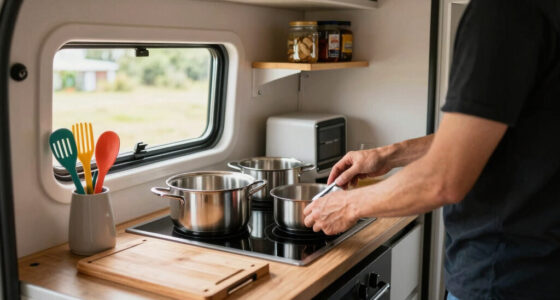
During an outage, your stove may be useless. That’s why portable, manual cooking options become your best friends. Think camping stoves, solar ovens, or even a well-made grill with extra fuel—these are your lifelines for hot meals.
For example, a simple backpacking stove with propane can cook rice, boil water, or warm canned soups. Keep a manual can opener nearby—electric ones won’t help when the power’s out.
Store extra fuel in a cool, safe spot away from living areas, and consider having a small fire extinguisher rated for kitchen fires nearby. The goal: quick, reliable cooking that keeps you fed and warm without relying on electricity or gas lines.
Choosing the right tools involves understanding tradeoffs. Portable stoves are convenient but require fuel management and safety precautions. Solar ovens are eco-friendly but depend on sunlight, making them less reliable in cloudy weather or during winter. Balancing these options helps you create a versatile cooking arsenal tailored to your environment and needs, ensuring you’re never left helpless during extended outages. Consider also the practicality of maintenance, storage space, and your ability to operate these devices under stress. The most effective setup blends convenience, safety, and adaptability based on your specific circumstances.
As an affiliate, we earn on qualifying purchases.
Organize your supplies for quick access during chaos
When chaos strikes, seconds matter. Your emergency supplies should be stored in a dedicated, easily accessible spot—preferably near your main exit or in a designated prep area. Use sturdy, labeled containers or bins that you can grab in a flash.
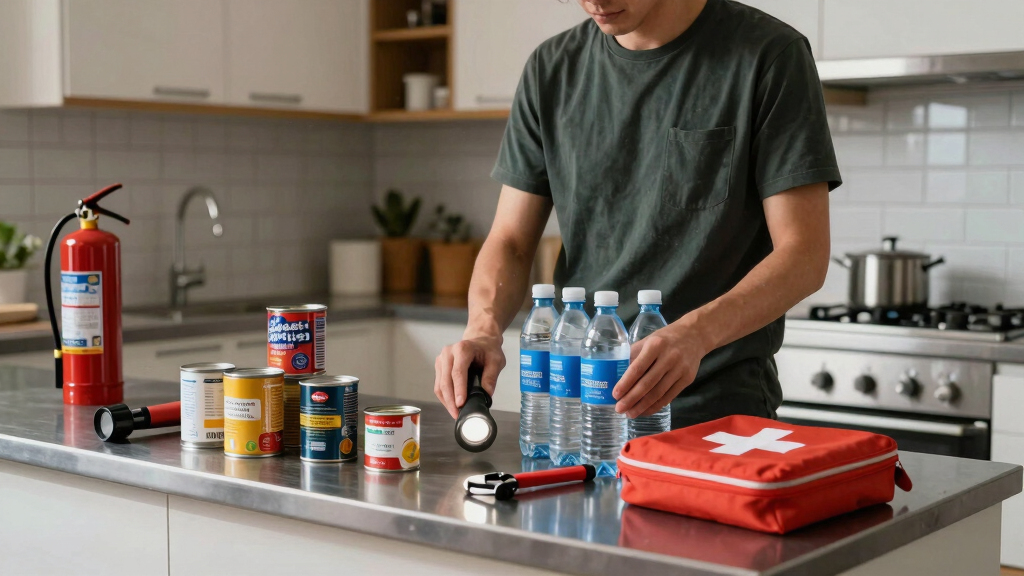
Imagine a sturdy plastic bin labeled “Emergency Food & Water,” placed on a hook or shelf where it’s ready to go. Keep your first aid kit, flashlights, and radios nearby too.
Practice retrieving your kit in under a minute. The key: organization that’s simple and instinctive, so you don’t waste time searching when it counts.
Effective organization isn’t just about convenience; it’s about ensuring that in a stressful situation, you don’t waste precious time looking for vital supplies. Clear labeling, strategic placement, and regular drills can make the difference between quick, confident action and frantic searching. Well-organized supplies also help prevent missing items or forgotten essentials, enhancing your overall resilience during emergencies. Remember, the goal is to minimize panic and maximize efficiency—knowing exactly where everything is when every second counts.
water storage barrels for emergencies
As an affiliate, we earn on qualifying purchases.
As an affiliate, we earn on qualifying purchases.
Storing water safely — How to keep it clean and usable
Water is life—especially when utilities fail. You need a safe, reliable way to store and access it. Use food-grade water storage containers made of durable plastic and fill them with fresh water from a clean source.
For example, a 5-gallon water jug can serve a family of four for several days. Keep the containers in a cool, dark place away from sunlight, which can degrade plastic over time.
Rotate stored water every 6-12 months, and consider boiling or treating it if stored for longer periods. Having a backup water purification method—like water purification tablets or a portable filter—adds an extra layer of security.
Proper water storage isn’t just about quantity; it’s about quality. Contaminated or stale water can cause illness, which compounds the stress during emergencies. Regularly rotating and treating stored water ensures it remains safe and potable, preventing health risks that could further complicate an already challenging situation. Also, be aware of tradeoffs: larger containers hold more water but are heavier and less portable, while smaller bottles are easier to manage but require more frequent rotation. Balancing these factors ensures you have enough safe water accessible without creating logistical challenges.
As an affiliate, we earn on qualifying purchases.
Smart tech and eco-friendly updates for modern preparedness
Recent trends lean toward smart, sustainable solutions. IoT-connected emergency kits can monitor stock levels and send alerts when supplies run low. Solar-powered gadgets—lights, radios, chargers—reduce reliance on batteries or grid power.
Vacuum sealing foods or freeze-drying perishables extends shelf life without preservatives. Community initiatives for neighborhood stockpiles and shared resources also bolster resilience. For instance, a local group might coordinate bulk purchases of dried grains, spreading the load and increasing each household’s safety net.
Digital apps now provide checklists and real-time alerts, making preparedness more manageable than ever. These innovations mean you can stay ahead of potential shortages, ensure your supplies last longer, and coordinate with neighbors for collective safety, creating a more connected and resilient community.
Quick checklist: What to include in your emergency kitchen kit
| Item Category | Examples |
|---|---|
| Food & Water | canned beans, dried rice, bottled water, energy bars |
| Cooking Supplies | manual stove, fuel, can openers |
| Lighting & Power | hand-crank flashlight, solar lantern, portable power bank |
| Safety & Hygiene | first aid kit, sanitation wipes, fire extinguisher |
| Communication | battery-powered radio, emergency contact list |
Build your kit with these essentials, and update it twice a year to keep everything fresh and ready.
Frequently Asked Questions
What are the most important items to include in my emergency kitchen kit?
Focus on non-perishable foods, water (at least 1 gallon per person per day), manual cooking tools, a first aid kit, flashlights, and communication devices. Keep everything in a designated, accessible spot and rotate supplies regularly.How long can I store food safely in an emergency?
Most canned and dried foods are safe for 1-2 years if stored properly. Check expiration dates annually and rotate stock. Freeze-dried and vacuum-sealed foods can last 5-10 years under optimal conditions.What are the best portable cooking options during a power outage?
Gas or propane camping stoves, solar ovens, and charcoal grills are reliable options. Always keep extra fuel stored safely, and practice using your equipment before an emergency hits.How should I store water for emergencies?
Use food-grade containers in a cool, dark place. Fill them with fresh water, and replace or treat the water every 6-12 months. Consider portable filters or purification tablets as backups.How often should I update my emergency supplies?
Review and rotate your supplies at least twice a year. Check expiration dates, replace used or expired items, and update your kit based on changing needs or new technology.Conclusion
Your kitchen isn’t just for daily meals—it’s your frontline defense during an emergency. Building this resilience starts with simple, deliberate steps: stockpiling, organizing, and choosing reliable tools. When chaos hits, your preparedness can turn panic into control, keeping your family safe and fed.
Remember, it’s not about perfection but practicality. Keep your supplies up-to-date, and practice quick retrieval. The best time to prepare is today—so you’re ready when it counts.
Fall Picks
fall essentials
As an affiliate, we earn on qualifying purchases.