
TL;DR

Get kitchen gear delivered free with Prime
- Fast, free delivery on millions of items
- Prime Video, Amazon Music and more included
- Member-only deals all year
Mastering basic manual cooking skills and using simple tools can produce better flavor and texture than gadgets. This approach boosts confidence, saves money, and aligns with eco-friendly living.
Master fundamental techniques like chopping, sautéing, and roasting for better flavor and control.
Invest in quality manual tools—like a sharp knife and cast-iron skillet—that last decades and don’t rely on electricity.
Choose recipes that highlight manual skills: roasted vegetables, stews, salads, homemade bread.
Practice regularly with online tutorials or cookbooks focused on traditional methods to build confidence.
Reducing gadget dependence saves money, energy, and deepens your understanding of ingredients.
Why Basic Cooking Skills Outperform Gadgets Every Time
Manual skills like chopping, sautéing, and roasting often produce richer flavors and better textures than their gadget-dependent counterparts. When you control the process with your hands, you notice subtle changes in ingredients — a delicate aroma, the perfect sear, or a gentle simmer. For example, chopping vegetables by hand allows you to adjust size and texture, which impacts cooking time and mouthfeel.
Delving into these skills matters because it grants you a nuanced understanding of how ingredients behave. This knowledge enables you to adapt techniques to different ingredients and desired outcomes, leading to more consistent and personalized results. The tradeoff is that manual skills require patience and practice — they might take longer initially but pay off in superior flavor and control. Relying solely on gadgets can create a false sense of mastery, as machines often obscure the subtleties that manual techniques reveal. Over time, mastering these skills enhances your culinary intuition, making cooking more satisfying and less dependent on the unpredictable performance of electronic devices.
As an affiliate, we earn on qualifying purchases.
Must-Have Manual Tools for a Gadget-Free Kitchen
Start with these essential tools: a sharp chef’s knife, a sturdy cutting board, a mortar and pestle, a grater, and a good set of pots and pans. These simple implements unlock countless cooking possibilities. For instance, a mortar and pestle crush spices and herbs, releasing their full aroma—something a blender can’t replicate, which often heats and diminishes volatile oils. Choosing quality over quantity matters because well-made tools not only last longer but also perform better, making your techniques more precise and enjoyable.
Investing in durable, high-quality tools means you develop better control and safety during prep work. A heavy cast-iron skillet, for example, distributes heat evenly, allowing for better searing and browning, which are crucial for flavor development. These tools also foster a more tactile connection to your cooking, encouraging mindfulness and a deeper appreciation of ingredients. The tradeoff is that these tools require an upfront investment but offer long-term value, reducing the need for replacement and minimizing reliance on electrical gadgets that often have limited lifespans and environmental impacts.
As an affiliate, we earn on qualifying purchases.
How to Chop, Sauté, and Roast Like a Pro — Step-by-Step
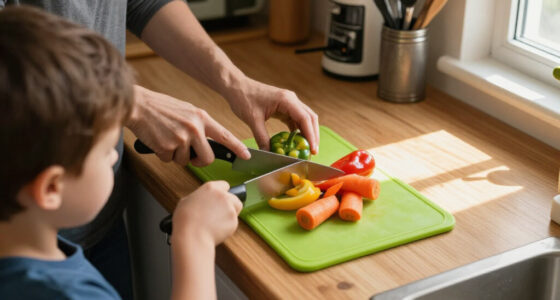
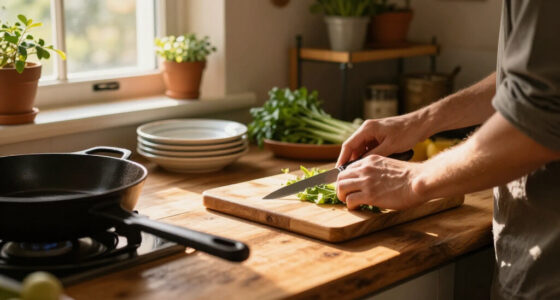
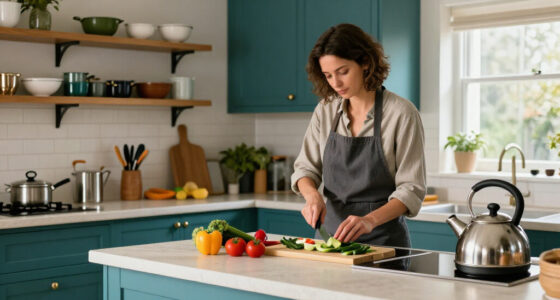
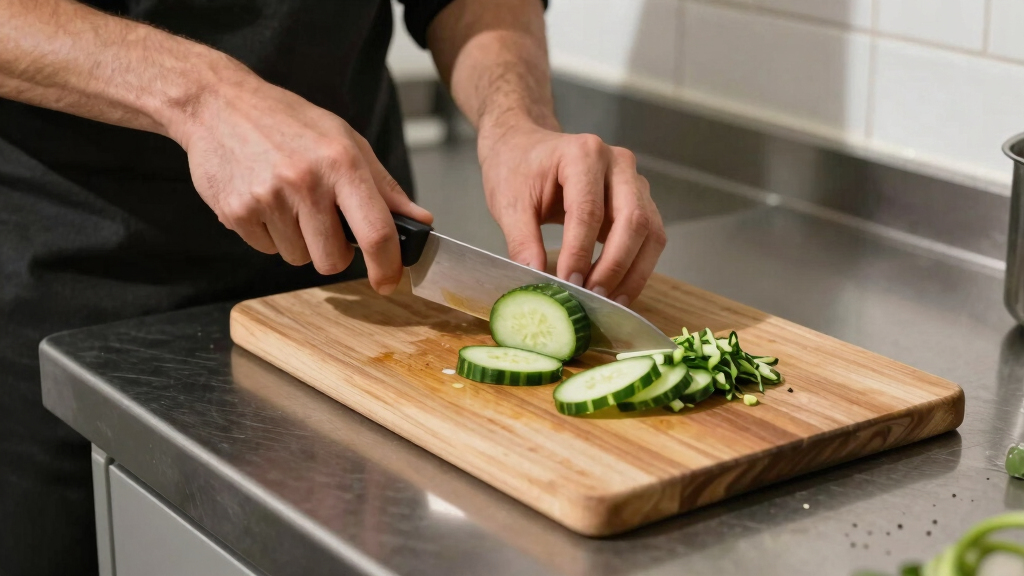
- Chopping: Use a sharp knife and a stable cutting board. Focus on controlling your knife with a firm grip, and aim for uniform pieces. Consistent size ensures even cooking, which affects texture and flavor absorption. Practice controlling your knife’s movement to improve safety and precision. For example, finely chopped garlic or herbs can elevate a simple salad, but uneven pieces might burn or undercook, detracting from the dish’s harmony. The deeper purpose here is developing an intuitive feel for ingredient behavior, which enhances your ability to adapt and troubleshoot during cooking.
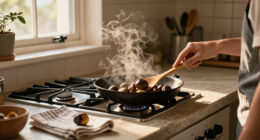
- Sautéing: Heat a skillet over medium heat, add a splash of oil, and cook ingredients with stirring. Pay attention to color, aroma, and texture — these sensory cues guide you to the perfect doneness. For instance, onions turn golden and smell sweet when they’re caramelized enough, indicating they’re ready for the next step. This process is about building layers of flavor through gradual transformation, which gadgets often oversimplify or mask. By mastering sautéing manually, you learn to balance heat and timing, resulting in richer, more complex dishes.
- Roasting: Toss vegetables with oil and seasonings, spread on a baking sheet, and cook in a hot oven. Turning or shaking halfway through ensures even browning and caramelization, crucial for flavor development. Roasted carrots, for example, develop a deep, sweet, caramelized flavor that enhances their natural sugars. The key is understanding how heat transforms ingredients, which allows you to manipulate textures and flavors intentionally. This manual approach promotes patience and observation, skills that gadgets can’t replicate, fostering a more mindful and nuanced cooking style.
As an affiliate, we earn on qualifying purchases.
Comparison Table: Manual Tools vs. Electric Gadgets
| Feature | Manual Tools | Electric Gadgets |
|---|---|---|
| Cost | Lower, one-time purchase | Higher, ongoing repairs/replacements |
| Durability | Very durable, often lifelong | Prone to breakdowns and obsolescence |
| Flavor/Texture Control | Full control, nuanced results | Less control, uniform but sometimes dull |
| Energy Use | Zero, eco-friendly | Electricity-dependent |
| Learning Curve | Requires skill, rewarding | Often easier, less skill required |
As an affiliate, we earn on qualifying purchases.
Simple Recipes Perfect for Manual-Only Cooking
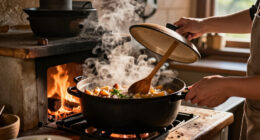
Some dishes shine brightest when prepared without gadgets. Roast a whole chicken with herbs, seasoned with hand-squeezed lemon. Make a hearty vegetable stew by sautéing onions, carrots, and celery in a cast-iron pot, then simmering with broth and spices.
These recipes rely on fundamental skills—slicing, mixing, slow cooking—that highlight the importance of manual control. They often taste better because you can adjust seasoning and cooking times precisely, which electronic gadgets might automate but can also diminish. The tradeoff is that manual methods require more time and attention, but this investment results in more flavorful, satisfying dishes that reflect your personal touch.
Learning and Practicing Manual Skills Without Frustration
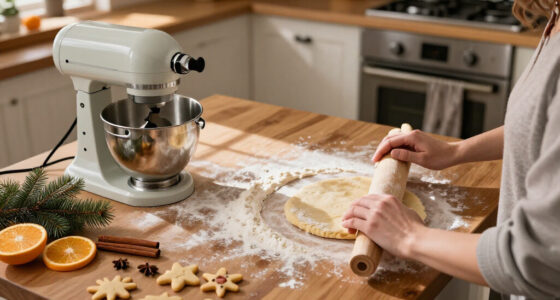
Start small. Practice slicing carrots or crushing peppercorns with a mortar and pestle. Focus on developing muscle memory, which is essential for control and safety. Watching online tutorials or following a cookbook dedicated to traditional techniques can provide guidance, but the key is consistent practice. Remember, mastery isn’t immediate—perfection is less important than progress. Overcoming initial frustration builds resilience and confidence, enabling you to tackle more complex tasks like filleting fish or kneading dough.
Patience and repetition are your allies. As your skills improve, tasks become second nature, and you’ll find yourself enjoying the process more. This approach not only deepens your connection to cooking but also reduces dependence on gadgets, as you trust your own senses and technique. The long-term benefit is a more independent, satisfying culinary practice rooted in skill rather than equipment.
Frequently Asked Questions
What are the must-have manual tools for a gadget-free kitchen?
A sharp chef’s knife, a sturdy cutting board, a mortar and pestle, a grater, and basic pots and pans are essential. These tools unlock a wide range of cooking techniques and last for decades if cared for properly.
Can I make smoothies or sauces without a blender?
Yes. For small quantities, use a mortar and pestle to crush ingredients or finely chop and mix. For larger batches, a sturdy whisk or manual mashing can do the trick. It’s slower but often yields more textured, flavorful results.
Are some recipes better suited for gadget-free cooking?
Absolutely. Roasted vegetables, stews, baked bread, salads, and grilled meats are all straightforward without gadgets. They rely on basic skills like slicing, stirring, and slow roasting, which often enhance flavor and texture.
How can I learn proper knife skills and manual techniques?
Start with online tutorials, cookbooks focused on traditional techniques, or local cooking classes. Practice regularly, focusing on control and safety. Over time, these skills will become second nature, making cooking more enjoyable and independent of gadgets.
What are the benefits of cooking without gadgets?
It improves your skills, enhances flavor and texture, reduces energy use and costs, and fosters a more mindful cooking experience. Plus, manual techniques often connect you more deeply to the ingredients and process.
Conclusion
Focusing on core manual skills transforms your cooking into a mindful craft rather than a reliance on machines. Each chop, stir, and roast connects you more deeply to your ingredients and the process. In a world full of gadgets, it’s the simple, skillful approach that truly elevates your kitchen game.Halloween Picks
halloween
As an affiliate, we earn on qualifying purchases.