
TL;DR

Get kitchen gear delivered free — and shop member deals
- Fast, free delivery on millions of items
- Access to Prime Big Deal Days deals on October 6–7
- Prime Video, Amazon Music and more included
A resilient kitchen isn’t about stockpiling tons of supplies. It’s about everyday habits like rotating pantry items, planning for water, and keeping simple tools handy—making your kitchen adaptable and ready for disruptions.
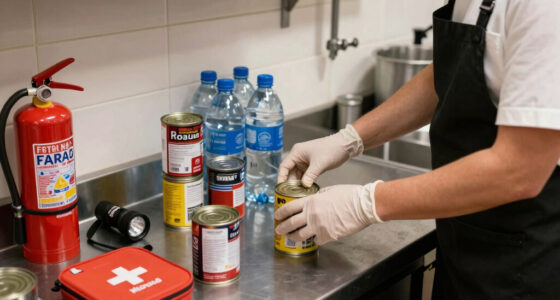
Imagine losing power for days, your usual grocery run disrupted, or a sudden storm knocking out supply chains. Suddenly, your well-stocked kitchen feels less like a comfort zone and more like a lifeline. Building a resilient kitchen isn’t about stockpiling mountains of food. It’s about cultivating small, manageable habits that keep your kitchen adaptable, safe, and ready for anything.
In this guide, you’ll discover how simple routines—like rotating pantry staples, planning for water, and maintaining essential tools—can turn your everyday kitchen into a bastion of self-reliance. These are practical, doable steps that fit into your regular shopping and cleaning routines, helping you stay prepared without extra stress or expense.
Rotate pantry staples regularly—use the oldest first to keep your reserve fresh and relevant.
Store enough water for drinking and basic cooking, and practice manual methods of preparing food without power.
Reduce food waste by planning meals based on what you already have and freezing leftovers for future use.
Prioritize food safety daily—keep raw and cooked foods separate, and follow safe refrigeration practices.
Organize essential tools and supplies so you can quickly set up for off-grid cooking when needed.
OFF-GRID & SELF-RELIANT · EVERYDAY PRACTICE
Everyday Habits for a Resilient Kitchen
A resilient kitchen keeps safe, nourishing meals within reach when routines are disrupted. Build readiness through ordinary habits: use what you store, plan for water, and keep essential tools easy to find.
Resilience means adapting to a disruption—not relying on an expensive setup or a huge stockpile.
Choose familiar staples that match your household’s needs, skills, and cooking options.
per person, per day*
if local guidance supports it
perishables promptly*
pantry, fridge, and meal plan
Rotate, replenish, repeat
A small reserve works when it stays fresh, familiar, and suited to real meals. Add a few useful items during regular shopping instead of buying a mountain of supplies all at once.
Start with your staples
Keep foods your household already enjoys: beans, rice, pasta, shelf-stable vegetables, and other versatile ingredients.
Make rotation automatic
Place older items where they are easiest to reach. Use them in everyday meals, then replace what you used.
Protect food quality
Store supplies in a cool, dry place. Check dates, packaging, and household needs as your diet or circumstances change.
Four habits, one steady cycle
Small checks connect less waste with a more usable pantry. Keep the rhythm simple enough to repeat during an ordinary week.
Check
Scan the fridge and pantry before shopping.
Plan
Choose meals around ingredients already on hand.
Use
Eat leftovers promptly; freeze surplus before it spoils.
Replace
Restock the familiar items you actually used.
Plan for meals without power
Water supports drinking, hygiene, and food preparation. Match your plan to household needs and current local emergency recommendations.
Per person each day. A three-day to one-week reserve may be a useful starting point where appropriate; climate, health, household size, and local advice matter.
Store a can opener, sturdy utensils, and a clear, known place for supplies.
Learn how your chosen equipment works before an outage; manual cooking may take longer.
Keep a few recipes that can work with substitutions when a preferred item is unavailable.
Outdoor fuel-burning equipment can cause deadly carbon monoxide poisoning indoors.
Protect food. Protect people.
Good safety routines matter on ordinary days and during disruptions. When power is out, follow current local food-safety guidance—not appearance or smell alone.
*Common U.S. refrigerator safety guidance uses 40°F (4°C) as a threshold. Follow local authorities’ instructions on outage duration and when to discard food.
Ready for the people at your table
A useful kitchen plan reflects who lives there and what they need—not a one-size-fits-all checklist.
Needs and preferences
Account for allergies, medical needs, cultural preferences, infants, older adults, and pets.
Tools you can find
Keep essential utensils and a manual can opener together. Label containers and check supplies monthly.
Build within your budget
Add a few affordable, versatile items during regular shopping and rotate them into meals.
Use local guidance
Food and water needs vary. Check current emergency and food-safety advice for your area.
Keep a small, rotating stock of what you already eat
Start with foods your household already enjoys. Think canned beans, dried pasta, rice, or shelf-stable vegetables. These staples are easy to add to weekly shopping without changing your habits. The key is rotating — use the oldest items first, then replace them.
For example, if you buy a bag of rice every month, keep a couple of extra bags on hand. When you cook your usual meals, set aside a portion of rice or beans to replace the stock you used. This way, your reserve stays fresh and relevant to your diet.
Why does this matter? Regular rotation prevents your supplies from becoming expired or stale, which can lead to waste and false confidence in your reserve. It also ensures that your stock reflects your current tastes and dietary needs, making it more likely you’ll actually use it when needed. Over time, this habit builds a modest, usable reserve that’s ready to go when routines are disrupted. It’s like a small safety net, woven into your normal grocery shopping, that keeps your kitchen functioning without the stress of emergency stockpiling.
manual water pump for emergency water supply
As an affiliate, we earn on qualifying purchases.
As an affiliate, we earn on qualifying purchases.
Plan for water and safe cooking during outages
Your kitchen’s resilience hinges on water. Always have enough drinking water stored—aim for at least one gallon per person per day, but remember, plan for at least three days to a week if possible. Having sufficient water is critical not only for drinking but also for hygiene and basic cooking needs, which are often overlooked in emergency planning.
Know which cooking methods are safe without power. Manual tools like hand-cranked grinders, cast iron stoves, and solar ovens are your allies. These methods can be slow and require practice, but they provide independence from electricity and gas, which can be unreliable or unavailable during disruptions. Never use outdoor fuel-burning equipment indoors—carbon monoxide poisoning is real and deadly. Recognizing the tradeoff is essential: manual methods may take longer but are safer and more reliable when power is out.
For example, during a recent power outage, a household used a solar oven to cook simple meals. It took longer, but it kept them safe and fed, even with no electricity or gas. Planning ahead to use these methods means you can sustain your household without relying on grid power, which might be compromised.
Build water and cooking plans into your routine. Have a manual can opener, sturdy utensils, and a clear spot for your non-electric cooking gear. Practice using these tools before an emergency hits. This familiarity minimizes stress and delays when time is critical. The tradeoff: manual methods require effort and planning but offer reliability and safety in a pinch.
As an affiliate, we earn on qualifying purchases.
Reduce food waste and make room for reserves
Food waste is a silent drain on your resources—and a missed opportunity for resilience. Check your fridge and pantry weekly. Use leftovers promptly, plan meals based on what’s about to spoil, and freeze surplus before it goes bad. This proactive approach ensures that your food supplies remain fresh and reduces the need for frequent restocking, which can be difficult during disruptions.
Why does this matter? Reducing waste extends the life of your food, allowing you to build a smaller, more manageable reserve without constantly replenishing it. It also minimizes the chance of spoilage, which could lead to waste or even foodborne illness. Incorporating leftovers into meals prevents waste and saves money, making your food supply stretch further.
This habit keeps your food fresh longer and makes space for your small reserve. It also means you’re always updating your pantry with the foods you actually use and enjoy. When combined with rotation, reducing waste ensures your limited stock lasts longer, remains safe, and is ready when you need it most.
As an affiliate, we earn on qualifying purchases.
Practice good food safety habits every day
Food safety isn’t just for emergencies—it’s a daily habit. Keep raw foods separate from cooked or ready-to-eat items. Wash hands, surfaces, and utensils frequently, especially after handling raw meat or produce. These practices prevent cross-contamination, which can cause illness even in normal times, let alone during disruptions when medical help may be limited.
Refrigerate perishables promptly—within two hours, or one hour if it’s hot outside. During outages, follow local guidance—discard food that has been above safe temperatures for too long. Understanding the importance of temperature control and hygiene helps prevent foodborne illnesses, which can compound the stress of a crisis.
For example, after a recent power outage, a household checked their fridge temperature with a thermometer. They discarded anything above 40°F that hadn’t been cooled properly, avoiding illness. This simple step can prevent serious health issues and reduce waste from spoiled food.
Sticking to simple safety routines protects everyone’s health and prevents waste from spoiled food. Regularly practicing these habits ensures they become second nature, reducing confusion and mistakes during emergencies.
food storage containers for pantry rotation
As an affiliate, we earn on qualifying purchases.
As an affiliate, we earn on qualifying purchases.
Keep your kitchen tools and supplies ready
A well-organized, minimal toolkit makes a big difference when routines are disrupted. Keep a manual can opener, sturdy knives, a small set of utensils, and easy-to-find supplies in a dedicated spot.
Label storage containers and check their contents monthly. Knowing exactly where your essential tools are saves precious time during a crisis. An organized space reduces stress and prevents frantic searching, which can lead to mistakes or accidents in tense situations.
For example, a prepper household keeps a dedicated box with a manual can opener, a small camping stove, and durable utensils. When the power goes out, they grab the box and start cooking, no frantic searching. Regularly maintaining and organizing your supplies keeps your kitchen ready and prevents chaos in stressful moments. It also encourages routine checks that can identify worn or missing tools before an emergency strikes.
Maintaining an organized, minimal toolkit ensures you can quickly set up for off-grid cooking, saving time and reducing frustration when it matters most.
Frequently Asked Questions
What should I keep in a resilient kitchen?
Focus on foods your household already eats—canned beans, rice, dried pasta, and shelf-stable vegetables. Include enough drinking water, basic utensils, and a manual can opener. Also, keep a few medically necessary items and consider your household’s specific needs.
How much food and water do I need?
It varies based on household size, climate, and local guidance. As a rule, aim for at least 3 days of water and enough shelf-stable food to cover your family’s typical meals. Check with local emergency authorities for tailored recommendations.
How do I build a reserve on a tight budget?
Buy a few extra items each shopping trip—like a bag of rice or canned vegetables. Rotate these into your regular meals. Avoid bulk buying that goes untouched; keep your reserve small, relevant, and regularly used.
How should I organize and rotate my pantry?
Label items with purchase dates if helpful. Place older stock in front so you use it first. Periodically check packaging and dates. Incorporate the oldest items into meals regularly to keep your reserve fresh.
What food is safe after a power outage?
Food safety depends on how long the power was out and the temperature. Discard perishable items above 40°F that have been unrefrigerated for over 2 hours. When in doubt, follow local guidance—never taste questionable food.
Conclusion
Building a resilient kitchen isn’t about big buys or complex plans. It’s about weaving simple habits into your daily routine—rotation, water prep, safety checks, and organized tools. These small steps create a kitchen that can adapt, endure, and serve you no matter what disrupts your normal rhythm.
Start today. The more consistent your habits, the stronger your kitchen becomes. Picture a well-oiled, self-reliant space ready to serve your family through any storm or outage. That’s the real resilience—quiet, practical, and within your grasp.
Fall Picks
fall essentials
As an affiliate, we earn on qualifying purchases.