
TL;DR

Get kitchen gear delivered free — and shop member deals
- Fast, free delivery on millions of items
- Access to Prime Big Deal Days deals on October 6–7
- Prime Video, Amazon Music and more included
Learning to cook well isn’t about quick tricks; it’s about building core skills through regular practice and understanding ingredients. This guide shows you how to develop lasting abilities that transform your kitchen confidence.
Think about the last time you tried a new recipe and felt frustrated because it didn’t turn out quite right. Now imagine having the confidence to tackle any dish, knowing your skills will hold up over time. Building lasting cooking skills isn’t about quick tips or gimmicks; it’s about a steady, intentional process rooted in practice and understanding. If you want to cook with confidence for years, you need to focus on core techniques, learn from mistakes, and keep your skills sharp through regular effort.
In this guide, you’ll discover practical steps to turn cooking from a sporadic activity into a reliable craft. We’ll cover what skills matter most, how to practice them effectively, and how to keep your motivation high. Whether you’re just starting out or looking to reinforce what you already know, these insights will help you develop a kitchen skill set that lasts a lifetime.
Focus on mastering fundamental techniques like knife skills and seasoning; they form the backbone of lasting cooking abilities.
Practice regularly—small, consistent efforts develop muscle memory and confidence more than sporadic, lengthy sessions.
Learn about your ingredients—smell, taste, and observe—to make smarter choices and develop your flavor intuition.
Treat recipes as flexible guides, and learn to interpret them to foster improvisation and confidence.
Embrace mistakes as learning opportunities, and keep a positive mindset to build resilience and lasting skills.
Master the Basics First—Why Strong Foundations Make All the Difference
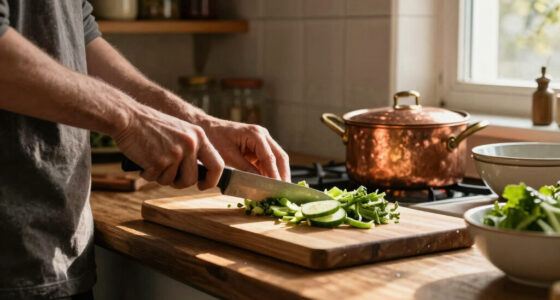
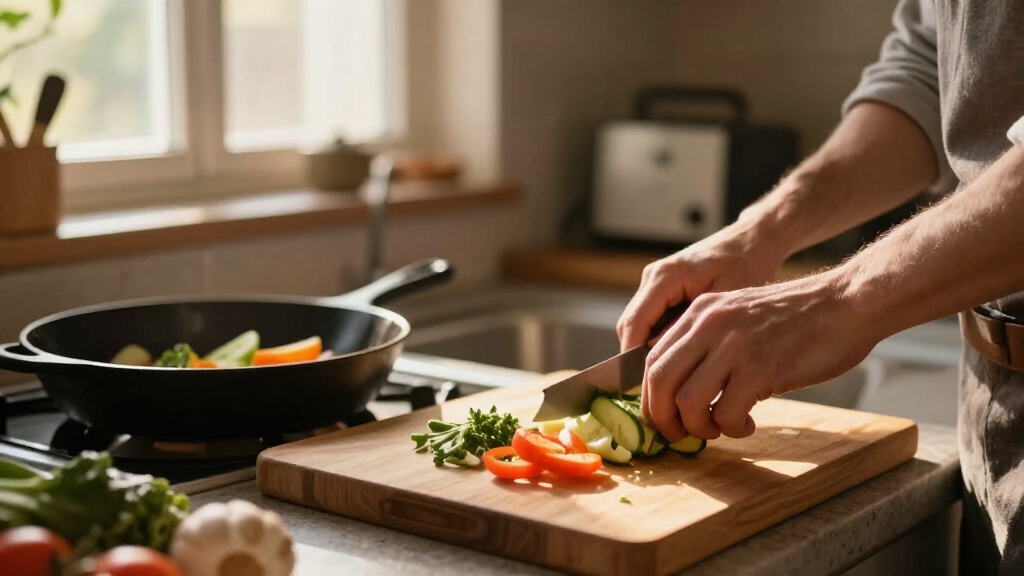
Before tackling complex recipes, you need to nail the fundamentals. Think of these as the building blocks of every good dish. Skills like knife handling, sautéing, boiling, and seasoning don’t just help with one meal—they form the backbone of your cooking confidence. For example, mastering a sharp, controlled chop means you’ll prep ingredients faster and safer, saving time and avoiding injuries.
Take a batch of roasted vegetables. If you can evenly cut, season, and bake them, you can transform a simple side into a flavorful centerpiece. Practice these core techniques with small, manageable projects. Over time, they become second nature, making more advanced skills easier to learn and remember.
In real life, I once watched a beginner spend hours fussing over a complicated stew. Meanwhile, a seasoned home cook would handle the basics—peeling, chopping, sautéing—smoothly. The difference? Solid fundamentals save effort, prevent frustration, and consistently lead to better results, because they form the foundation upon which more advanced techniques are built. When your basics are strong, you can troubleshoot, adapt, and innovate more easily, which is essential for developing long-term cooking skills.
As an affiliate, we earn on qualifying purchases.
Practice Regularly—How Consistency Turns Skills Into Habits
Building lasting skills comes down to repetition. It’s not about marathon cooking sessions—it’s about showing up often enough to build muscle memory. Think of it like learning to ride a bike: the more you practice, the easier it gets to balance and pedal without second-guessing.
If you cook just once a month, your progress stalls because your muscles and mind don’t get enough reinforcement. But cooking two or three times a week, even for 20 minutes, helps embed techniques into your muscle memory and boosts your confidence. This regularity means you’re not just learning a skill—you’re making it automatic, freeing mental space for creativity and improvisation.
For example, I started practicing knife skills by prepping a batch of vegetables weekly. Over a month, my speed, safety, and precision improved dramatically. That steady effort turned a daunting task into a routine habit. The key is to make practice part of your lifestyle, so skills become second nature rather than a distant goal.
Remember, consistency beats intensity. Small, regular efforts—like cooking a quick meal three times a week—compound over time, leading to durable skills that last. This approach also reduces burnout and frustration, because progress feels manageable and sustainable. Over time, these repetitions build a reliable skill set that sticks with you, making cooking a natural part of your routine rather than a chore.
As an affiliate, we earn on qualifying purchases.
Learn About Ingredients—Why Knowing Your Food Accelerates Your Skills
Understanding your ingredients makes a huge difference because it deepens your sensory awareness and decision-making. When you know how fresh herbs smell, how different cuts of meat feel, or what a ripe tomato looks and tastes like, you gain the ability to select quality ingredients confidently. This knowledge allows you to judge freshness, ripeness, and flavor profiles, which directly impacts the success of your dishes.
For example, I once bought a bunch of basil that was limp and dull. Instead of tossing it, I learned to smell for freshness and picked a bunch with a bright, sweet aroma. That small detail elevated my dish’s flavor instantly. Recognizing the qualities of ingredients helps you adjust your cooking—such as knowing when to add more salt or acidity—and develop your personal flavor style. It also reduces reliance on strict recipes, empowering you to improvise and adapt based on what’s available and fresh.
Spend time exploring ingredients in your kitchen—touch, smell, taste. Notice the textures, colors, and aromas. This sensory familiarity builds confidence and makes cooking more intuitive and lasting because you develop an instinct for what works, rather than relying solely on recipes. Over time, this ingredient knowledge becomes second nature, allowing you to make smarter choices and create dishes that truly reflect your taste and the ingredients at hand.
As an affiliate, we earn on qualifying purchases.
Read and Interpret Recipes—How to Make Recipes Your Personal Roadmap
Recipes are guides, not strict rules. Learning to read them carefully helps you understand what’s essential and what’s adaptable. Start by breaking down each recipe into ingredients, steps, and timing. Ask yourself: What’s the key technique? What’s optional? Recognizing these elements allows you to modify recipes confidently, troubleshoot issues, and develop your own style.
For example, I once followed a bread recipe that called for a specific type of flour. When I only had a different flour, I understood that gluten development was crucial—so I adjusted kneading times and hydration levels accordingly. The result was a loaf that turned out well, and I learned to tweak recipes based on available ingredients and desired outcomes. This skill transforms recipes from rigid instructions into flexible frameworks, fostering creativity and confidence.
Practice reading recipes critically by visualizing each step, preparing ingredients ahead of time, and considering possible substitutions. This approach helps you see recipes as adaptable roadmaps, not fixed formulas. Over time, you’ll develop an intuitive sense of how ingredients and techniques fit together, which boosts your confidence to improvise and learn through experimentation. This mindset is essential for developing durable skills because it encourages flexibility and problem-solving rather than rote following.
As an affiliate, we earn on qualifying purchases.
Explore Different Cooking Methods—Build Your Versatile Culinary Toolbox
Knowing various cooking methods—like steaming, roasting, braising, and grilling—broadens your skills and makes you adaptable to different ingredients and situations. Each technique offers distinct flavors, textures, and nutritional benefits. For example, roasting vegetables caramelizes their natural sugars, creating rich, complex flavors, while steaming preserves delicate nutrients and subtle tastes, making it ideal for greens or fish.
Trying each method with simple dishes—roast carrots, steam greens, braise chicken, grill vegetables—helps you understand how heat and moisture affect food. Recognizing these differences allows you to choose the right technique for the desired outcome, which is key to cooking intuitively and efficiently. The more techniques you master, the more options you have to adapt recipes, troubleshoot issues, and create variety, ensuring your skills remain relevant and robust.
Real-world example: I often roast root vegetables for a hearty side, but during summer, I switch to grilling to keep things fresh and interesting. This flexibility prevents stagnation and keeps your cooking engaging. Building a versatile skill set means you can handle any ingredient or occasion with confidence, making your cooking more resilient and enjoyable.
Start by focusing on a few techniques and mastering them deeply, then gradually expand your repertoire. This layered learning approach ensures your skills are durable, adaptable, and capable of handling any culinary challenge that comes your way.
Stay Organized and Plan Ahead—How Prep Sets You Up for Success
Good organization isn’t just about tidiness; it’s a fundamental skill that reduces stress, saves time, and improves results. When you plan your ingredients and steps ahead, you create a mental map that guides your cooking process. This preparation minimizes chaos, prevents forgotten ingredients, and allows you to focus on technique and flavor development.
For example, I spend 10 minutes chopping, measuring, and organizing ingredients before I cook. This pre-setup streamlines the process, prevents last-minute scrambling, and allows me to work more confidently. It also helps you identify potential issues early, such as missing ingredients or incompatible flavors.
Batch prepping ingredients—chopping vegetables, measuring spices, soaking grains—further enhances efficiency and reinforces skills through repetition. This habit transforms cooking from a reactive task into a proactive, skill-building activity. Organized cooks tend to produce more consistent, high-quality results because they’re less distracted and more deliberate.
Over time, planning and prepping become second nature, making cooking feel less like a chore and more like a craft. The investment in organization pays off by making your skills more durable and your cooking more enjoyable and reliable.
Taste, Adjust, and Trust Your Palate—Developing Your Flavor Instincts
Tasting as you cook isn’t optional—it’s essential for developing a nuanced sense of flavor balance. Learning to trust your palate transforms recipes into personal expressions and helps you make better decisions on the fly. Regular tasting throughout the process allows you to adjust seasoning, acidity, sweetness, and richness, ensuring the final dish aligns with your taste preferences.
For example, I often taste a soup after simmering for 10 minutes. If it’s flat, I add a pinch of salt or a splash of vinegar, and if it’s too spicy, I balance it with a bit of sweetness or cream. These small, mindful adjustments reinforce your understanding of flavor components and build confidence in your ability to craft balanced dishes. Over time, you’ll recognize patterns—such as which herbs brighten a dish or when to add salt for depth—and develop your own flavor signature.
This process of tasting, adjusting, and trusting your instincts is crucial because it cultivates a personal flavor language. It also encourages experimentation, which is vital for durable skills. Remember, flavor is subjective and personal—trust your taste buds, learn from each experience, and don’t be afraid to refine your palate through continuous practice.
Learn from Mistakes—Turn Errors Into Stepping Stones
Mistakes are inevitable—they’re an integral part of learning. The key is to approach errors with curiosity rather than frustration. When a dish doesn’t turn out as planned, analyze what went wrong and how you can adapt. For example, if you over-salt a soup, instead of giving up, consider adding a potato to absorb excess salt or balancing the dish with a splash of acid or sweetness. These adjustments deepen your understanding of flavors and techniques, making you more resilient.
Keeping a journal or mental note of what worked and what didn’t helps you recognize patterns and avoid repeating errors. Over time, this reflective practice builds your troubleshooting skills and confidence, turning setbacks into valuable lessons. Remember, every mistake is an opportunity for growth—an essential step toward mastery. Embracing failures as part of the process fosters a growth mindset, ensuring your skills become more durable and adaptable with each lesson learned.
By viewing errors as stepping stones, you develop patience and resilience. This mindset not only accelerates your learning curve but also makes cooking more enjoyable and less intimidating, knowing that mistakes are simply part of the journey to becoming a better cook.
Incorporate Technology and Resources—Modern Tools to Accelerate Your Learning
While developing foundational skills is best done through hands-on practice, modern tools can complement and accelerate your learning. Apps, online tutorials, and community classes offer diverse perspectives, techniques, and feedback that might be hard to access otherwise. For instance, a good YouTube channel can visually demonstrate knife techniques or baking tips, making complex skills more approachable.
Many apps provide timers, step-by-step reminders, and feedback features that reinforce technique and keep you motivated. During the pandemic, I used a bread baking app that guided me through each stage, greatly improving my consistency and confidence. These resources serve as supplementary aids—they’re not replacements for practicing, but they can fill gaps, clarify uncertainties, and inspire new ideas.
Integrating technology with hands-on practice creates a well-rounded learning experience. It allows you to learn at your own pace, revisit techniques as needed, and experiment safely. Remember, the core skill still comes from active practice and curiosity; tools are just aids to support your journey. When used thoughtfully, they can make learning more engaging, efficient, and durable.
Frequently Asked Questions
How long does it usually take to become proficient at cooking?
With regular practice—about two to three times a week—you can see noticeable improvement in a few months. Building muscle memory and understanding ingredients takes time, but persistence pays off fast enough to keep you motivated.
What are the easiest recipes for beginners to learn?
Start with simple dishes like scrambled eggs, pasta with basic sauce, salads, and stir-fries. These require minimal equipment, quick prep, and teach core skills like boiling, chopping, and seasoning.
How do I stay motivated to keep learning?
Set small, achievable goals—like perfecting a simple bread or mastering a basic roast. Cook with friends or family for social motivation. Celebrate your progress, and remember that every mistake is a step forward.
What essential tools should I have to start learning?
A sharp chef’s knife, a sturdy cutting board, a few pots and pans, measuring cups, and utensils are enough to begin. Focus on quality, durability, and comfort—these will serve you for years.
What should I do if I make a mistake in a recipe?
Stay calm and observe what went wrong. Adjust by tasting and adding ingredients as needed. Sometimes, a small fix—like adding acid or balancing flavors—can turn a failure into a learning moment.
Conclusion
Building lasting cooking skills isn’t about quick wins—it’s about small, deliberate steps that add up over time. Focus on fundamentals, practice often, and listen to your senses. That steady effort transforms cooking from a task into a craft you’ll rely on for years.
Picture yourself confidently preparing a meal, knowing your skills are rooted in real experience. That’s the power of consistent, mindful practice. Put these tips into action, and watch your kitchen confidence grow—one skill at a time.
Fall Picks
fall essentials
As an affiliate, we earn on qualifying purchases.