
TL;DR

Get kitchen gear delivered free with Prime
- Fast, free delivery on millions of items
- Prime Video, Amazon Music and more included
- Member-only deals all year
Purifying water without power is possible with boiling, filtration, chemical disinfection, or solar methods. Combining these techniques boosts safety, especially in emergencies or off-grid settings.
Imagine a moment when clean, safe water is just out of reach—no electric pump, no filter. In off-grid living or survival situations, knowing how to turn a muddy creek into drinkable water can be a lifesaver. It’s not about fancy gadgets; it’s about simple, effective techniques anyone can master.
In this guide, you’ll learn the best ways to purify water without power. From boiling and filtration to solar disinfection, each method is a practical tool in your self-reliant arsenal. Ready to turn dirty water into safe drinking water, anytime, anywhere?
Boiling water for at least 1 minute kills most pathogens, making it a dependable method.
DIY filtration with gravel, sand, and charcoal can improve water clarity and microbial safety before boiling or chemical treatment.
Chemical disinfectants are quick but require accurate dosing and proper contact time for safety.
Solar disinfection works well in sunny environments but is slower, needing at least 6 hours of sunlight exposure.
Combining methods—like filtration followed by boiling—provides the highest safety margin for off-grid water purification.
How to Kill Pathogens by Boiling Water — Your Most Reliable Method
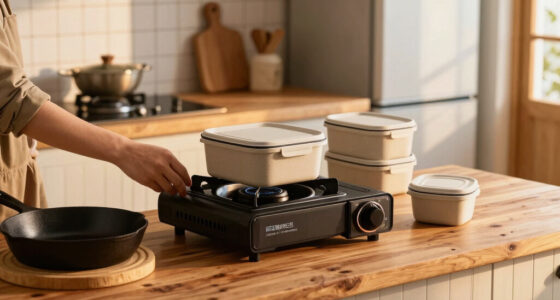
Boiling water is the gold standard for killing bacteria, viruses, and protozoa. Heating water until it reaches 212°F (100°C)—the boiling point—and holding it there for at least 1 minute ensures most pathogens are destroyed. At higher altitudes, where water boils at lower temperatures, extending boiling time to 3 minutes compensates for reduced heat effectiveness. This method matters because pathogens like Giardia or rotavirus can cause severe illness or dehydration if ingested, so thorough boiling is a crucial safety step.
Picture this: camping near a mountain stream. You scoop water into your pot, turn your fire to high, and wait. Once it boils vigorously, you pour it into a clean container. That’s all it takes—safe, pathogen-free water in minutes. However, boiling doesn’t remove chemical pollutants or sediments, which might require additional filtration or chemical treatment. Understanding these tradeoffs helps you decide when boiling alone suffices or when to combine methods for maximum safety.
As an affiliate, we earn on qualifying purchases.
DIY Filtration: How to Make a Simple Water Filter at Home
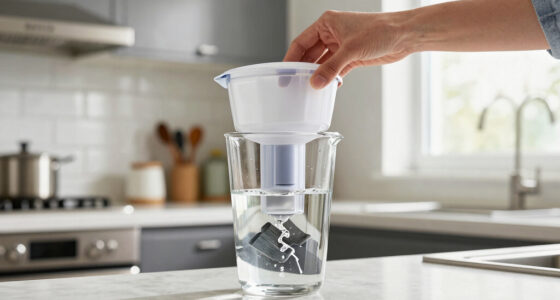
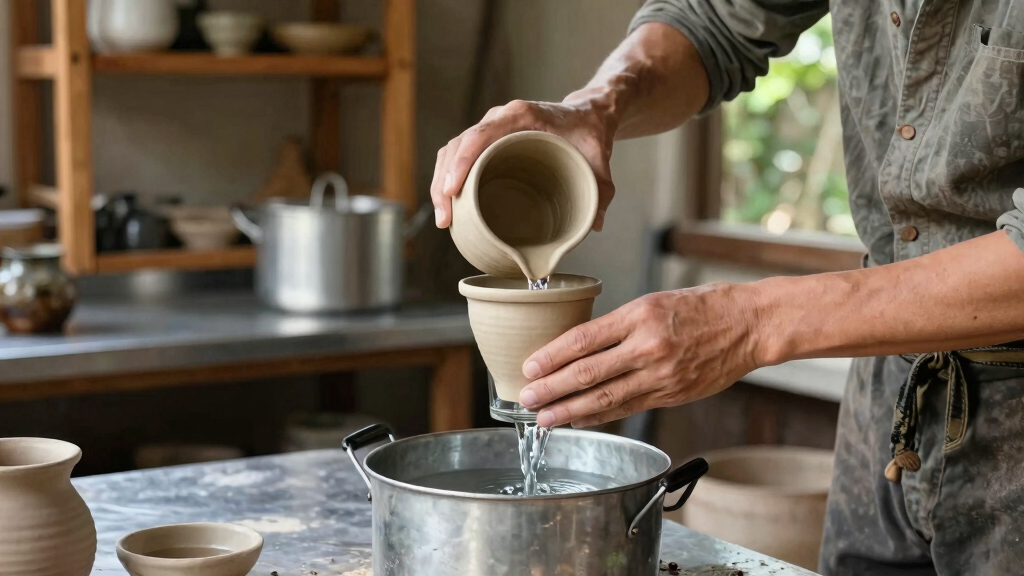
Filtering water physically removes sediments, bacteria, and some viruses. Building a basic filter using layers of gravel, sand, and activated charcoal in a clean container can significantly improve water clarity and reduce microbial load. This process is especially useful when water is heavily contaminated with dirt or organic matter, which can harbor pathogens or make subsequent treatments less effective. Proper filtration before boiling or chemical disinfection reduces the burden on these methods, making them more effective and conserving chemical supplies.
For example, imagine a jar with a hole punched in the lid. Inside, you stack gravel at the bottom, then sand, and finally charcoal wrapped in a cloth. Pour muddy water into this layered setup and let it pass through. The water will emerge clearer, removing larger particles and some microbes. While DIY filters are effective for reducing sediments and some microbes, they don’t kill all viruses unless you use specialized filters or combine with other methods like boiling. Recognizing these limitations helps you choose the right sequence—filter first, then disinfect—to ensure safety.
As an affiliate, we earn on qualifying purchases.
Using Chemical Disinfectants: Iodine, Chlorine, and Water Drops
Applying disinfectants like iodine, chlorine tablets, or drops is a quick and practical way to treat water, especially in emergencies. Proper dosing is critical: using the recommended amount ensures effective pathogen kill while avoiding chemical overconcentration that can cause health issues. After adding the disinfectant, stirring or shaking the water ensures even distribution. The 30-minute wait period is essential because it allows the chemicals to penetrate and deactivate bacteria and viruses thoroughly. This method’s significance lies in its portability and speed, making it ideal when time or resources are limited.
In a survival scenario, you might carry iodine tablets. After collecting water from a pond, you drop in a tablet, shake or stir, and wait. The characteristic smell of iodine or chlorine indicates the process is working. However, chemical disinfection doesn’t remove chemical pollutants or sediments, which could still pose health risks. Combining chemical disinfection with filtration or boiling enhances safety, especially if water sources are questionable. Proper understanding of these tradeoffs ensures you don’t rely solely on chemicals when other contaminants are present, reducing health risks associated with chemical overuse or incomplete treatment.
off-grid water purification system
As an affiliate, we earn on qualifying purchases.
As an affiliate, we earn on qualifying purchases.
Solar Disinfection (SODIS): How to Use Sunlight to Purify Water
Sunlight can naturally disinfect water when exposure conditions are right. Filling clear PET bottles with water—preferably cloudy or turbid—allows UV rays and heat from the sun to work together to deactivate many pathogens. Leaving these bottles in direct sunlight for at least 6 hours ensures a significant reduction in bacteria and viruses. The process’s effectiveness depends on factors like water turbidity, bottle clarity, and sunlight intensity. This method is slow but effective, especially when other resources are unavailable. It’s important because it offers a chemical-free, energy-free way to improve water safety, though it’s less reliable in overcast conditions or with highly contaminated water. Combining sedimentation or filtration before solar disinfection enhances pathogen removal, making this method more dependable. Understanding these nuances helps you optimize your solar treatment and avoid false confidence in its effectiveness in less sunny conditions.
As an affiliate, we earn on qualifying purchases.
Frequently Asked Questions
What is the easiest way to purify water without equipment?
Boiling water is the simplest, most reliable method if you have a heat source. Just heat until it boils for at least a minute, and you’re good to go.
Can I rely solely on natural methods like sunlight and sedimentation?
Yes, especially in sunny climates. Solar disinfection and sedimentation can significantly reduce pathogens, but combining with filtration or boiling offers extra safety.
Are chemical disinfectants safe for regular use?
When used as directed, iodine or chlorine tablets are safe short-term. Avoid long-term reliance without proper guidance, as overuse can pose health risks.
What basic tools do I need for DIY water purification?
A clean container, layered gravel, sand, activated charcoal, and access to sunlight for solar disinfection are enough to start. Keep your tools clean and ready.
How long does solar disinfection take?
Typically, 6 hours of direct sunlight suffices, but it depends on cloud cover and water clarity. Clear water and bright sun speed up the process.
Conclusion
Knowing how to purify water without power transforms any water source into a safe drink. Whether you’re off-grid, camping, or facing an emergency, these simple techniques can keep you healthy and self-reliant.
Remember: the key is to adapt methods to your environment and contaminants. With practice, you’ll turn muddy, cloudy water into a clear, safe sip—no electricity required.
Halloween Picks
halloween
As an affiliate, we earn on qualifying purchases.