TL;DR

Get kitchen gear delivered free with Prime
- Fast, free delivery on millions of items
- Prime Video, Amazon Music and more included
- Member-only deals all year
Store at least one gallon of water per person per day for a minimum of three days, ideally two weeks. Use proper containers, rotate supplies, and prepare for regional risks to stay resilient off-grid.
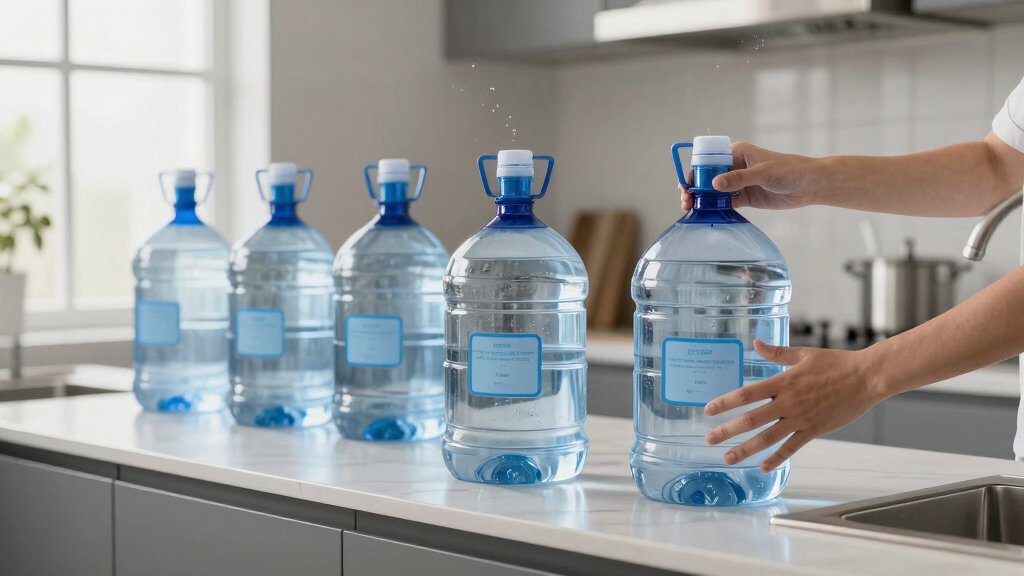
Aim for at least 1 gallon of water per person per day, with a minimum of 3 days’ supply, ideally 2 weeks.
Use food-grade, BPA-free containers and rotate your stored water every 6-12 months.
Adjust your storage quantity based on regional risks like droughts or hurricanes.
Get creative with collapsible and stackable containers to save space in tight spots.
Always label, keep in cool/dark places, and inspect your supply regularly to stay prepared.
How Much Water to Store for Emergencies
When the tap stops, stored water becomes your lifeline. Plan for drinking, cooking and minimal sanitation—then adjust for climate, health, pets and the risks most likely to affect your region.
Your water number in three steps
The baseline is simple: multiply everyone relying on the supply by one gallon and by the number of days. Add capacity when heat, exertion or health needs raise demand.
Count every dependent
Include adults, children, infants and pets. Your plan must cover everyone who cannot source water independently.
Account for extra demand
Increase the baseline for hot climates, strenuous activity, medical conditions and additional hygiene requirements.
Choose your resilience window
Start with three days. Build toward one or two weeks where outages, storms or supply disruption may persist.
What works—and what it costs you
Food-grade plastics offer a practical balance of price, durability and portability. Your best choice still depends on available space, mobility and how often you can inspect the supply.
| Container type | Best qualities | Tradeoffs | Best fit |
|---|---|---|---|
| Food-grade plastic | ✓ Affordable, light and easy to rotate | ~ UV exposure can degrade material over time | Flexible household reserves |
| Rigid BPA-free tank | ✓ Durable, high capacity and impact resistant | ~ Heavy, less portable and space intensive | Long-term stationary storage |
| Collapsible bottle | ✓ Compact when empty and highly portable | ~ Less durable; must be dried and cleaned well | Small homes and mobile kits |
| Glass bottle | ✓ Non-reactive and easy to inspect | ~ Heavy and vulnerable to breakage | Protected, stable shelving |
Choose containers designed for water storage. They should be food-grade, BPA-free, clean, tightly sealed and manageable when full.
A dependable supply is a chain, not a single purchase
Every link matters. Correct quantity does little good if the container leaks, the storage area overheats or the water is never inspected.
Count
People, pets, infants and special needs establish demand.
Calculate
Multiply household size by daily gallons and target days.
Contain
Use sealed, food-grade vessels suited to your space.
Maintain
Label, inspect, rotate and retain purification backups.
Keep every gallon fresh and usable
Stored water is only useful if it remains sealed and uncontaminated. A simple maintenance rhythm protects both your health and the investment of space.
Cool and dark
Keep containers away from direct sunlight, heat, gasoline, cleaning products and other chemicals.
Label every container
Record the fill or purchase date so the oldest water can be used and replaced first.
Inspect the seal
Check regularly for cracks, leaks, bulging, discoloration or signs that the container has been compromised.
Keep treatment backups
Store a suitable filter or purification tablets and know how to boil questionable water safely.
One baseline, different realities
The one-gallon rule is a starting point. Local hazards determine how much buffer you need and whether contamination, heat or outage duration is the greater concern.
Demand rises
Hydration and cooling needs increase while local supplies may already be constrained.
Action: store beyond the baselineQuality is threatened
Floodwater can contaminate wells and municipal systems even when water appears available.
Action: protect seals + add treatmentOutages last longer
Infrastructure damage and blocked supply routes can delay replenishment for days or weeks.
Action: build toward 14 daysWhen storage space is limited
Distribute the reserve instead of depending on one oversized tank. Smaller modules are easier to fit, rotate and carry if evacuation becomes necessary.
Go vertical
Use purpose-built stackable containers on stable, weight-rated shelving.
Keep expandable capacity
Store clean collapsible containers for early warnings or temporary transport.
Create small caches
Spread sealed containers across safe closets and other cool, protected spaces.
Use what you store
Cycle older supplies into normal use, then refill the reserve immediately.
Your emergency water checklist
Store at least one gallon per person per day for three days—ideally two weeks.
Use clean, sealed, food-grade and BPA-free water containers.
Increase the reserve for pets, medical needs, heat and regional hazards.
Save space with stackable, portable and collapsible storage options.
Label, inspect and rotate the supply while keeping treatment backups ready.
How Much Water Do You Really Need Daily? Get the Numbers Right
Water needs vary based on individual health, climate, and activity level, but a solid rule of thumb is one gallon per person per day. This amount is not arbitrary; it’s rooted in understanding the essentials of hydration, hygiene, and basic sanitation. For example, drinking water alone requires about half a gallon daily, but when you factor in cooking and sanitation—like washing hands, dishes, or small cleaning tasks—you quickly reach the one-gallon mark. The implications are significant: underestimating your needs can lead to dehydration or unsanitary conditions, especially in hot climates or during strenuous activity. Conversely, overestimating can result in unnecessary weight and space consumption. Balancing this requires understanding your household’s specific circumstances and regional climate. For instance, in a hot, arid environment, you might need more than one gallon per day per person to stay healthy. Recognizing these nuances ensures your storage is both sufficient and efficient, avoiding waste while safeguarding health.
food grade BPA free water storage containers
As an affiliate, we earn on qualifying purchases.
As an affiliate, we earn on qualifying purchases.
How to Calculate Your Total Water Storage Needs in 3 Easy Steps
- Count everyone in your household, including pets and infants. Adjust for special needs such as medical conditions or physical activity levels, which might increase water requirements.
- Decide how many days you want to be prepared for—3 days, a week, or two weeks. This decision hinges on regional risks, your location’s resilience, and your household’s capacity to replenish supplies.
- Multiply the number of people by the daily gallon requirement and the number of days. For example, a family of 4 planning for 14 days: 4 x 1 gallon x 14 = 56 gallons. This calculation isn’t just mathematical; it’s about creating a buffer that accounts for unforeseen circumstances like supply chain disruptions or extended outages, giving you peace of mind. It also helps you prioritize storage space and resources effectively, ensuring you’re neither underprepared nor overburdened with excess water that could become stagnant or contaminated over time.
This simple calculation ensures you’re not just guessing. It’s a practical way to tailor your storage to your specific situation, considering both the minimum needs and potential emergencies that could extend your requirements.
As an affiliate, we earn on qualifying purchases.
Best Containers for Off-Grid Water Storage — What Works and What Doesn’t
| Container Type | Pros | Cons |
|---|---|---|
| Food-grade plastic bottles | Affordable, lightweight, easy to rotate, widely available | Can degrade over time, especially with UV exposure; may need regular replacement to prevent leaching or contamination |
| Rigid BPA-free tanks | Durable, large capacity, suitable for long-term storage, resistant to physical damage | Heavier, less portable, may require more initial investment and space |
| Collapsible bottles | Space-saving when empty, lightweight, portable | Less durable over time, limited volume, potential for mold if not cleaned properly |
| Glass bottles | Non-reactive, long shelf life, easy to inspect for cleanliness | Fragile, heavier, risk of breakage during handling or storage |
Most off-grid enthusiasts prefer food-grade plastics because they strike a balance between cost, durability, and ease of use. Collapsible bottles are excellent for maximizing limited space and portability, especially in mobile or compact setups. However, each container type has tradeoffs: rigid tanks offer longevity but require more space and weight considerations, while plastics and collapsibles provide flexibility but may need more frequent inspection and replacement. Choosing the right container depends on your storage environment, mobility needs, and budget. Understanding these tradeoffs helps ensure your water remains safe and accessible when you need it most, without unnecessary expense or risk of contamination.
As an affiliate, we earn on qualifying purchases.
How to Keep Your Stored Water Safe and Fresh
Stored water can become a breeding ground for bacteria if not properly maintained, which can lead to health risks. Using food-grade, BPA-free containers is crucial because they prevent chemicals from leaching into your water over time. Keep your containers in cool, dark places to slow bacterial growth and prevent algae or mold. Labeling each container with the storage date helps track freshness, and plan to rotate your water every 6 to 12 months to maintain a fresh supply. Regular inspection for cracks or leaks prevents contamination and ensures your storage remains sealed and safe. When storing tap water, adding a small amount of household unscented bleach (about 1 teaspoon per 5 gallons) acts as a preservative, inhibiting microbial growth. Boiling water for at least one minute is an effective method to kill pathogens, especially if sourcing from natural or questionable sources. These practices are not just about preservation—they’re about safeguarding your health during a crisis. Proper maintenance extends the usability of your stored water, reduces waste, and ensures you have a safe, reliable supply when it’s needed most.
As an affiliate, we earn on qualifying purchases.
Regional Risks and Why They Change How Much Water You Should Store
Your region’s climate and natural disasters influence your water needs far beyond simple estimates. For instance, areas prone to droughts might require storing more water to compensate for reduced local supply and increased demand for hygiene and cooling. Flood-prone regions face contamination risks, making water quality preservation and additional storage vital. Hurricanes and severe storms can disrupt municipal services and damage infrastructure, necessitating larger reserves to bridge gaps in supply. Recognizing these regional factors allows you to adapt your storage plan proactively. For example, in drought-prone California, storing two weeks’ worth of water during dry seasons provides a buffer against water restrictions and supply interruptions. Conversely, in hurricane zones, increasing storage during hurricane season ensures you’re prepared for extended outages. These regional considerations are about resilience—building a buffer that accounts for specific threats and environmental conditions, ultimately reducing your vulnerability during crises. Evaluating your local risks helps you make informed decisions, prioritize storage, and avoid complacency, ensuring your household remains resilient regardless of external challenges.
What Do You Do When Storage Space Is Limited? Smart Tricks to Maximize Your Supply
If space is tight but you still want enough water, get creative with your storage solutions. Use collapsible bottles that flatten when empty, which can significantly reduce the space they occupy. Store water in underutilized areas like under stairs, behind furniture, or in closet corners—places you might overlook but can hold significant volume. Stackable containers can be arranged efficiently to maximize vertical space and keep your storage organized. Prioritize storing water in areas that stay cool and dark, such as basements or interior closets, to slow bacterial growth and prevent deterioration. Even a small, dedicated corner in your home can serve as a reliable emergency water reserve if organized thoughtfully. Every bottle and container counts, especially when space is limited. Planning ahead with smart storage solutions not only conserves space but also ensures quick access during emergencies, reducing stress and confusion when time is critical.
Frequently Asked Questions
How much water should I store per person for an emergency?
Aim for at least one gallon per person per day, covering drinking, cooking, and sanitation needs. For a three-day supply, plan for three gallons per person; for two weeks, 14 gallons.How long does stored water last before I need to replace it?
Commercial bottled water typically lasts 1-2 years. If you store your own, rotate the supply every 6 to 12 months to maintain freshness and safety.Can I store tap water, and how do I keep it safe?
Yes, store tap water in clean, food-grade containers. Add a small amount of household unscented bleach or boil it before use if needed. Keep containers sealed, label them, and rotate regularly.What are the best containers for water storage in an off-grid setting?
Food-grade, BPA-free plastic bottles are popular for their balance of affordability and durability. Collapsible bottles save space, while rigid tanks are better for long-term storage. Choose based on your space and portability needs.What should I do if my stored water gets contaminated?
If contamination occurs, boil water for at least one minute or use water purification tablets. Discard and replace any compromised containers to ensure safety.Conclusion
The right amount of water can mean the difference between surviving comfortably or scrambling when disaster strikes. Focus on your household’s specific needs, store in durable containers, and keep your supply fresh. When your water is secure, you breathe easier, knowing you can handle whatever comes next.Fall Picks
fall essentials
As an affiliate, we earn on qualifying purchases.