
TL;DR

Get kitchen gear delivered free with Prime
- Fast, free delivery on millions of items
- Prime Video, Amazon Music and more included
- Member-only deals all year
For emergencies, store at least one gallon of water per person per day for three days. For longer safety, aim for two weeks’ worth. Use food-grade containers, rotate supplies, and consider purification options.
Imagine losing access to clean water for just a few days. The chaos, the scramble, the risk to health. It hits home how vital water truly is in emergencies. But how much should you actually store? Knowing a solid target helps you avoid both over- and under-preparing. This guide walks through the key factors, practical tips, and real-world examples to help you build a reliable water reserve that keeps you safe when disaster strikes.
Whether you’re in a wildfire zone, prone to storms, or just aiming to be self-reliant, understanding your water needs isn’t just smart — it’s essential. Let’s break down exactly how much water you need, what containers work best, and how to keep your supply safe and fresh long-term.
Store at least one gallon of water per person per day for a minimum of three days.
Consider longer-term storage — two weeks’ worth — for greater safety during extended disruptions.
Use food-grade containers, label everything, and rotate your supply every 6-12 months.
Account for special needs like infants, pets, and climate when planning your water reserves.
Stay updated on new storage and purification tools to keep your water safe and manageable.
How Much Water Do You Need Per Person — The Clear Guideline
The basic rule is simple: store at least one gallon (3.8 liters) of water per person per day. That covers drinking, cooking, and minimal hygiene. For a three-day emergency, that’s about three gallons per person. If you want a safety buffer, aim for two weeks’ worth, or around 14 gallons per person.
Imagine a family of four preparing for a hurricane. They fill multiple 5-gallon jugs, planning for four people, for at least 14 days. That’s a total of 56 gallons — a manageable amount if stored in a dedicated corner of the basement or garage.
food grade water storage containers
As an affiliate, we earn on qualifying purchases.
As an affiliate, we earn on qualifying purchases.
Factors That Change How Much Water You Really Need
Your water needs aren’t one-size-fits-all. Think about who’s in your household. Infants, elderly, and pets all demand extra supplies. If you live in a hot climate or expect to stay active during an outage, your needs increase. For example, in Arizona’s summer heat, a single person might need closer to two gallons per day to stay hydrated and clean. A household with a baby or a senior might double that number. Additionally, the longer the disruption, the more critical it becomes to have a larger reserve, because the risk of running out increases with time. Limited access to natural water sources or unreliable supply chains mean you must consider backup options like rainwater collection or nearby rivers. These factors directly influence how much water you should store, as neglecting them could leave you vulnerable when it counts most.
For instance, a household in a drought-prone area may need to store significantly more than the basic guideline, as local water sources might become inaccessible or contaminated. Recognizing these nuances helps you plan more effectively, balancing storage capacity with actual needs and potential risks.
emergency water purification tablets
As an affiliate, we earn on qualifying purchases.
As an affiliate, we earn on qualifying purchases.
Container Choices — What’s Safe, Practical, and Easy to Refill
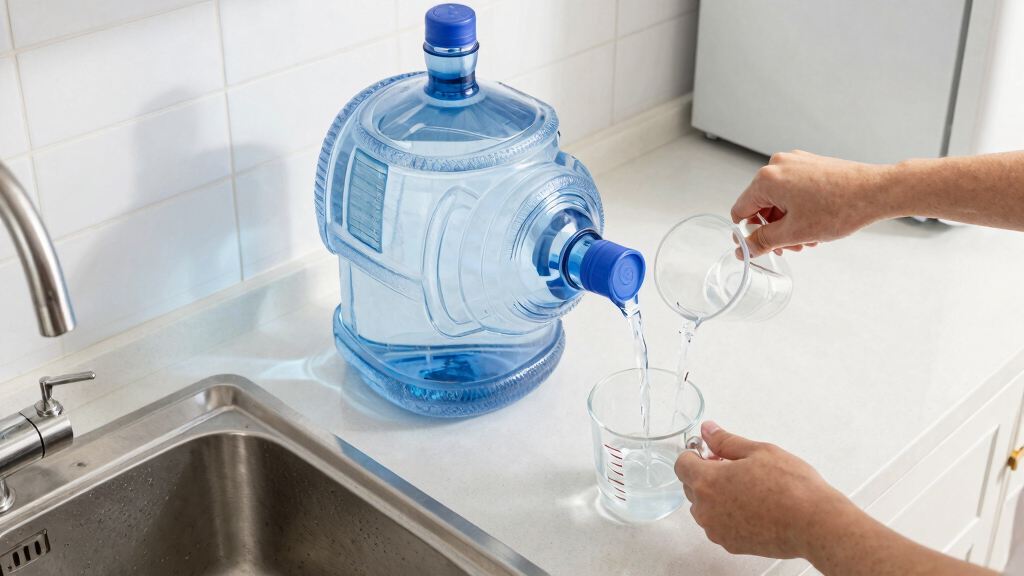
Storing water isn’t just about how much — it’s about what you store it in. Food-grade plastic bottles, sturdy water barrels, or large jugs work well. Avoid containers that leach chemicals or aren’t sealed tightly, risking contamination or spoilage. Proper container choice impacts water safety and ease of use over time. For example, using containers that previously held chemicals or non-food substances can introduce harmful contaminants, which might not be immediately apparent but pose health risks in the long run. Additionally, choosing durable, sealable containers ensures water remains uncontaminated during storage and handling. Regularly inspecting and rotating these containers — every 6 to 12 months — is crucial because even food-grade plastics can degrade or accumulate biofilms if left unchecked, compromising water quality. Labeling each container clearly helps prevent confusion, especially when managing multiple batches. The tradeoff involves balancing container size, storage space, and ease of handling, all while prioritizing safety and sanitation.
Remember: investing in high-quality, food-grade containers and maintaining them properly ensures your water stays safe and ready when needed most. This proactive approach minimizes health risks and maximizes the lifespan of your stored water, making your emergency preparedness more reliable.
As an affiliate, we earn on qualifying purchases.
How to Keep Stored Water Safe and Fresh for the Long Haul
- Use only food-grade containers. Never reuse old juice or soda bottles for long-term storage.
- Store water in a cool, dark place — away from sunlight, heat, and chemicals.
- Label each container with the fill or purchase date.
- Rotate your supply every 6 to 12 months, pouring out old water and refilling.
For instance, a prepper might set a reminder to rotate water every spring and fall, ensuring freshness. If you live in a humid climate, adding a small amount of unscented bleach (a few drops per gallon) can help prevent microbial growth. These practices are essential because water can become unsafe over time due to microbial contamination, algae growth, or chemical leaching from containers. Regular rotation and proper storage conditions help maintain water quality and reduce health risks. Labeling prevents accidental misuse or confusion about the age of your supplies, which is critical when managing multiple containers. Implementing these habits ensures your stored water remains a reliable resource during emergencies, avoiding the need to discard contaminated supplies at the last minute.
In short, consistent maintenance and vigilant storage practices are the backbone of long-term water safety, giving you confidence that your reserves will serve you well in a crisis.
As an affiliate, we earn on qualifying purchases.
The Latest in Water Storage Tech and Trends
Modern collapsible containers make storing and transporting water easier. Think lightweight, foldable jugs that take up less space when empty. Advanced purification tools like UV sterilizers and portable filters now make it simple to treat water from natural sources or contaminated supplies. Many communities now promote sustainable storage. Eco-friendly containers and efforts to recycle or reduce plastic waste are becoming standard. Emergency kits increasingly include compact water purification tablets or mini UV sterilizers, ensuring you can treat questionable water on the fly. These innovations mean you can store more water in less space and stay flexible, whether on an off-grid homestead or in a city apartment.
Staying informed about these technological advancements allows you to optimize your water storage solutions, balancing convenience, safety, and environmental impact. Choosing the right tools and containers can significantly enhance your resilience, especially as new products continually improve water safety and storage efficiency.
Frequently Asked Questions
How much water should I store for my family?
Calculate one gallon per person per day for at least three days. For longer safety, aim for two weeks’ worth, which typically means 14 gallons per person. Adjust for infants, pets, and climate conditions for best results.
What types of containers are safest for storing water?
Use food-grade plastic bottles, barrels, or jugs labeled for potable water. Avoid containers that previously held chemicals or non-food items. Regularly inspect and rotate your containers to keep water fresh and contamination-free.
How long can stored water last before it’s unsafe?
Properly stored in a cool, dark place, water can stay safe for up to 12 months. Rotating every 6 months adds extra safety and freshness. If you notice any cloudiness or smell, discard and replace the water.
What are the best methods to purify water in an emergency?
Use portable water filters, UV sterilizers, or purification tablets. Boiling water for 1 minute (or 3 minutes at higher altitudes) kills most pathogens. Always have backup purification options ready in your emergency kit.
How do I store water in a small space?
Choose compact, stackable containers or collapsible jugs. Store them in a dark corner or under a shelf. Prioritize rotation and regular maintenance to keep even limited supplies safe and usable.
Conclusion
Having enough water stored isn’t just about meeting a number — it’s about peace of mind. A well-planned water reserve can turn potential chaos into manageable discomfort. Remember, the key is to tailor your storage to your needs, keep it safe, and stay flexible with emerging tools and techniques.
Picture your sturdy jugs or sleek collapsible containers, ready to serve your family in a pinch. Your preparedness today shapes your resilience tomorrow. Keep your water safe, your skills sharp, and your mind ready for whatever comes.
Halloween Picks
halloween
As an affiliate, we earn on qualifying purchases.