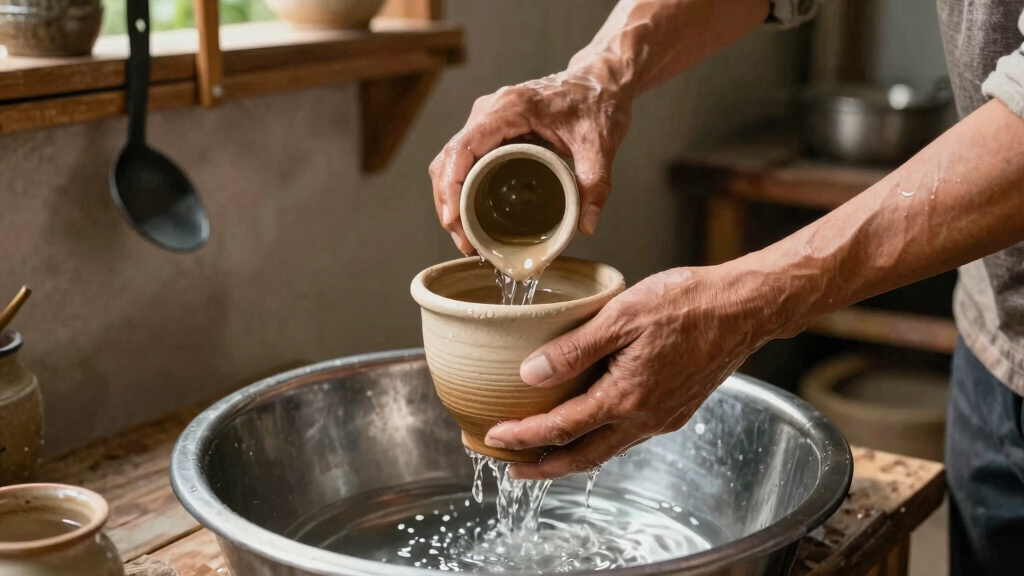

TL;DR

Get kitchen gear delivered free with Prime
- Fast, free delivery on millions of items
- Prime Video, Amazon Music and more included
- Member-only deals all year
Purifying water without power relies on methods like boiling, solar disinfection, filtration, and chemical treatment. Combining these techniques boosts safety, especially when resources are limited or electricity isn’t available.
Boiling water for at least 1 minute reliably kills pathogens and is the most straightforward method.
DIY filters using charcoal, sand, and gravel can improve water clarity and reduce some contaminants, but should be followed by boiling or disinfection for full…
Solar disinfection (SODIS) is a cost-effective, chemical-free method ideal for sunny climates and small batches, but relies on weather conditions and proper te…
Chemical disinfectants like iodine or chlorine are fast and portable but require correct dosing and can alter taste; improper use can pose health risks.
Combining methods—filtering, boiling, and chemical treatment—maximizes water safety in off-grid or emergency situations, addressing multiple contamination path…
How to Purify Water Without Power
When the grid is down and the source is uncertain, safe water depends on a layered toolkit: clarify first, filter what you can, destroy pathogens, then protect the finished water from recontamination.
Four methods, four different strengths
No single low-tech technique solves every contamination problem. Match the method to the water source, available tools, weather and suspected hazards.
Boiling
Destroys bacteria, viruses and parasites. Bring water to a rolling boil for at least one minute, or three minutes at higher elevations.
Filtration
Cloth, sand, gravel and activated charcoal improve clarity and remove debris. Homemade filters are preparation tools, not complete disinfection.
Solar disinfection
Clear bottles exposed to strong sunlight for about six hours use solar UV and heat to inactivate pathogens. Cloudy conditions require longer exposure.
Disinfectants
Chlorine, iodine and approved tablets can neutralize microbes after correct dosing and contact time. Always follow the product instructions.
Sedimentation
Let cloudy water sit undisturbed so heavy particles settle. Carefully decant the clearer upper layer before filtering and disinfecting.
Layered treatment
Clarification plus filtration and disinfection addresses more contamination pathways than relying on one technique alone.
From uncertain source to safer storage
Move in one direction and keep dirty-water tools separate from finished-water containers.
Select
Start with the clearest available source, away from runoff, fuel, mining or industrial pollution.
Settle
Allow suspended sediment to drop, then pour off the clearer water without disturbing the bottom.
Filter
Pass water slowly through cloth or layered filter media to reduce particles and improve clarity.
Disinfect
Boil, use SODIS or apply an approved chemical treatment with the correct contact time.
Protect
Transfer into a clean, covered container without touching the inside, rim or pouring surface.
Fuel, pesticides, salt, heavy metals and many dissolved toxins can remain after boiling. If chemical pollution is suspected, choose another source or use treatment designed for that specific contaminant.
Solar vs. chemical vs. boiling
The fastest option is not always the most suitable. Volume, weather, taste, fuel and source quality all affect the choice.
| Method | Typical time | Microbes | Chemicals / metals | Best use | Main limitation |
|---|---|---|---|---|---|
| Boiling | 1–3 minutes boiling | ✓Strong | ✕Not removed | Reliable emergency disinfection | Needs fuel; does not remove dissolved hazards |
| SODIS | 6+ hours | ✓Useful | ✕Not removed | Sunny climates and small clear-bottle batches | Weather-dependent; requires sufficiently clear water |
| Chemical disinfection | About 30 minutes | ✓Broad | ✕Not removed | Portable kits, low light and limited fuel | Exact dosing matters; taste and organism resistance vary |
| DIY filtration | Flow-dependent | ~Partial | ~Limited | Muddy water and pretreatment | Cannot reliably make contaminated water safe alone |
Three-layer gravity filtration
Use a sturdy container with an outlet and place clean cloth at the exit. Arrange media so water moves through progressively finer treatment layers.
Layer order
- Cloth or mesh holds the filter media in place.
- Fine sand captures smaller suspended particles.
- Activated charcoal can improve odor and taste.
- Gravel supports the media and improves drainage.
- Pour slowly and repeat if the water remains cloudy.
What it cannot promise
- Reliable removal of all viruses or microscopic pathogens.
- Removal of salt, fuel, pesticides or every dissolved chemical.
- Removal of heavy metals without specialized certified media.
- Safe water unless followed by an appropriate disinfection step.
- Protection from recontamination in a dirty storage vessel.
Each barrier solves a different problem
Small handling choices matter
Treatment can be undone by a contaminated cup, hand, lid or storage container. Treat clean-water handling as part of the purification process.
Prefer clear source water. Avoid water with chemical odors, oily films, unusual colors or nearby industrial runoff.
Pre-filter cloudy water. Reduced turbidity helps heat, sunlight and disinfectants work more consistently.
Follow exact chemical directions. Dose and required contact time vary by product, concentration and water conditions.
Use dedicated clean containers. Do not dip dirty hands, cups or untreated-water tools into finished water.
Let boiled water cool while covered. Avoid adding untreated ice or transferring it through a contaminated funnel.
Escalate uncertain hazards. Specialized treatment or another source is necessary when chemicals or heavy metals are suspected.
Why Boiling Is the Gold Standard for Off-Grid Water Safety
Boiling water is the most straightforward and reliable method to kill pathogens without power. Bringing water to a rolling boil for at least 1 minute (or 3 minutes at higher altitudes) ensures that viruses, bacteria, and parasites are rendered harmless. This is because heat denatures the proteins and enzymes vital for microbial survival, effectively destroying them.
Understanding why boiling is so effective helps highlight its importance: it provides a clear, definitive barrier against waterborne illnesses, especially in emergency or resource-limited settings. The primary tradeoff is that boiling does not remove chemical contaminants or heavy metals, which can persist even after the microbes are killed. Therefore, in areas with chemical pollution, boiling should be combined with filtration or chemical treatments. The implication is that boiling is a cornerstone technique—simple but powerful—yet it must be part of a layered approach for comprehensive water safety.
As an affiliate, we earn on qualifying purchases.
How to Filter Water at Home Without Power in 3 Easy Steps
- Gather materials: activated charcoal, fine sand, gravel, and a sturdy cloth or mesh.
- Create a layered filter: start with gravel at the bottom, add a layer of sand, then a layer of charcoal, and top with cloth to trap debris.
- Pour water slowly through the filter into a clean container. Repeat if necessary for clarity.
This homemade filter acts as a preliminary barrier, reducing large particulates, some bacteria, and improving the water’s taste and clarity. It’s particularly useful for muddy or contaminated water sources, like after heavy rain or flooding, where particulates obscure visibility and may carry pathogens. However, because this method doesn’t reliably remove all viruses or chemical pollutants, it’s crucial to follow filtration with boiling or chemical disinfection to ensure safety. The tradeoff is that while simple and quick, this method is not a substitute for more advanced purification—its strength lies in preparing water for effective secondary treatments. Its implications are that DIY filtration extends the usability of natural water sources but must be combined with other methods for comprehensive safety.
As an affiliate, we earn on qualifying purchases.
Compare Solar Disinfection and Chemical Treatments for Off-Grid Water
| Method | How It Works | Time Required | Pros | Cons |
|---|---|---|---|---|
| SODIS (Solar Disinfection) | Uses UV rays from sunlight to damage the DNA of pathogens, rendering them inactive. The process relies on the energy from the sun to achieve microbial kill without chemicals. | 6 hours of direct sunlight or longer on cloudy days | Low-cost, chemical-free, environmentally friendly, and effective for small batches. It’s particularly useful in sunny climates and for treating water in bottles or clear containers. | Dependent on weather and sunlight availability, which can be inconsistent. Limited to small volumes—typically a few liters at a time—and less effective against chemical contaminants or heavy metals. The process also requires clear bottles and proper positioning to maximize UV exposure. |
| Chemical Disinfection | Applies iodine, chlorine drops, or bleach to chemically inactivate pathogens. These chemicals interfere with microbial cell functions, causing cell death. | 30 minutes after proper dosing | Fast, portable, and effective against a broad spectrum of microbes, including viruses and bacteria. Useful in low-light conditions or when sunlight is unavailable. | Chemical taste may be unpleasant, and improper dosing can cause health risks. Residual chemicals may linger, and it’s less effective against some chemical pollutants. The implications are that chemical disinfection offers immediate results but requires careful handling and dosing to ensure safety and palatability. |
Both methods serve valuable roles in off-grid water treatment. SODIS is ideal for sunny climates and small quantities, making it a sustainable, chemical-free option. Chemical disinfectants are versatile and fast, suitable for any weather or larger volumes. Combining them—using solar disinfection as a first step, followed by chemical treatment—can maximize safety, especially when source water quality is uncertain or contaminated with multiple types of pathogens and pollutants. The tradeoff involves balancing convenience, safety, and environmental considerations to choose the best approach for your situation.
As an affiliate, we earn on qualifying purchases.
Limitations and When Combining Methods Saves the Day
Single techniques aren’t foolproof. Filtration alone might miss viruses or chemical pollutants that are too small or resistant. Boiling kills microbes effectively but doesn’t address chemical contaminants, heavy metals, or certain toxins that may be present in the water. Chemical disinfectants, while effective, can leave residual taste and may not neutralize chemical pollutants or heavy metals, which pose health risks over time.
Understanding these limitations underscores the importance of a layered approach. Combining methods—such as filtering to remove particulates, boiling to kill microbes, and adding chemical disinfectants—addresses different types of contaminants and enhances overall safety. For example, after collecting water from a muddy creek, you can filter to remove debris, then boil to kill pathogens, and finally add a few drops of chlorine for residual disinfection. This multi-step process significantly reduces health risks and improves water quality, especially in uncertain or emergency conditions. The implication is that a comprehensive strategy, rather than reliance on a single method, offers the best protection against contaminated water sources.
off-grid water purification system
As an affiliate, we earn on qualifying purchases.
As an affiliate, we earn on qualifying purchases.
Quick Tips to Keep Your Water Safe Without Power
- Always start with the clearest water possible—pre-filter to remove large debris and reduce microbial load.
- Use a dedicated, clean pot for boiling—avoid reusing contaminated containers to prevent reintroduction of pathogens.
- Expose water bottles to direct sunlight for at least 6 hours for effective SODIS, ensuring the bottles are clear and positioned to maximize UV exposure.
- Use the right amount of disinfectant—too little won’t kill all microbes, while too much can leave a chemical taste and pose health risks. Follow manufacturer instructions carefully.
- Store purified water in clean, sealed containers to prevent recontamination, and always label them for safety and future use.
For example, after a hike, you might fill a clear plastic bottle, leave it in the sun for half a day for SODIS, then add a few drops of bleach before storing it in your pack. This layered approach ensures both microbial safety and chemical safety, providing peace of mind in the wilderness or emergency situations.
Frequently Asked Questions
What is the easiest way to purify water without electricity?
Boiling water is the simplest and most effective method if you have access to a heat source like a fire or a stove. It only takes a pot, some fuel, and a few minutes to make water safe.Can I purify water using only natural materials?
Yes, methods like solar disinfection (SODIS) and homemade filters using charcoal, sand, and cloth are effective for small-scale water treatment. Just remember, they’re best used in combination with boiling or chemical disinfection for full safety. Understanding the science behind these methods helps you optimize their effectiveness and recognize their limitations, ensuring you don’t rely solely on a single low-tech solution when more comprehensive treatment is needed.How long should I expose water to sunlight for solar disinfection?
Typically, aim for 6 hours of direct sunlight. Cloudy weather extends this time, sometimes up to 48 hours in winter or overcast days. The goal is to give UV rays enough time to inactivate pathogens, but longer exposure times also increase the risk of recontamination if bottles are not sealed properly.Are chemical disinfectants safe to use?
When used correctly—following proper dosing and contact times—they are safe and effective. Iodine tablets and chlorine drops are common options, but overuse can cause taste issues and health concerns. Proper handling and adherence to instructions are critical to avoid chemical residuals and ensure the water remains safe and palatable.Can I remove chemical contaminants without power?
Filtration can reduce some chemicals, especially larger particles and certain organic compounds, but it’s not reliable for heavy metals or complex pollutants. For chemical safety, consider specialized filters designed for chemical removal or professional treatment if contamination is suspected. Combining filtration with other methods like chemical neutralization or professional assessment provides the best chance of safe drinking water when dealing with chemical pollutants.Conclusion
Pure water without power is about knowing simple, proven techniques and when to combine them. With a few basic tools and some practice, you can turn murky water into safe drinking fluid—anywhere, anytime. Stay prepared, stay safe, and remember: your best defense against contaminated water is a well-rounded, layered approach.Fall Picks
fall essentials
As an affiliate, we earn on qualifying purchases.