
TL;DR

Get kitchen gear delivered free with Prime
- Fast, free delivery on millions of items
- Prime Video, Amazon Music and more included
- Member-only deals all year
Gravity water filters rely on gravity to push water through filtration media, removing sediments, chemicals, and some microorganisms. They’re simple, affordable, and great for off-grid use, but have limits in virus removal unless specifically designed for it.
Imagine a bucket of muddy water. You pour it into a simple setup, and a few hours later, clear, fresh-tasting water drips out below. That’s the magic of gravity water filters — no batteries, no pumps, just gravity doing the work. They’ve been a staple for off-grid living and emergency preparedness for decades, and their simplicity is part of their strength.
In this guide, you’ll learn exactly how these filters operate, what they can and cannot remove, and how recent innovations boost their effectiveness. Whether you’re planning for a cabin in the woods or prepping a survival kit, understanding these filters helps you make better choices about clean water.
Gravity water filters use simple design to pull water through media that traps contaminants, no power needed.
They effectively remove sediments, chlorine, bacteria, and protozoa—great for off-grid and emergency use.
Recent advances improve contaminant removal, lifespan, and eco-friendliness, but they often can’t handle viruses without special features.
Regular maintenance—cleaning and media replacement—keeps filters working at their best.
Match your filter’s capabilities to your water source and needs; know its limits before relying solely on it.
How Do Gravity Water Filters Clean Water Without Power?
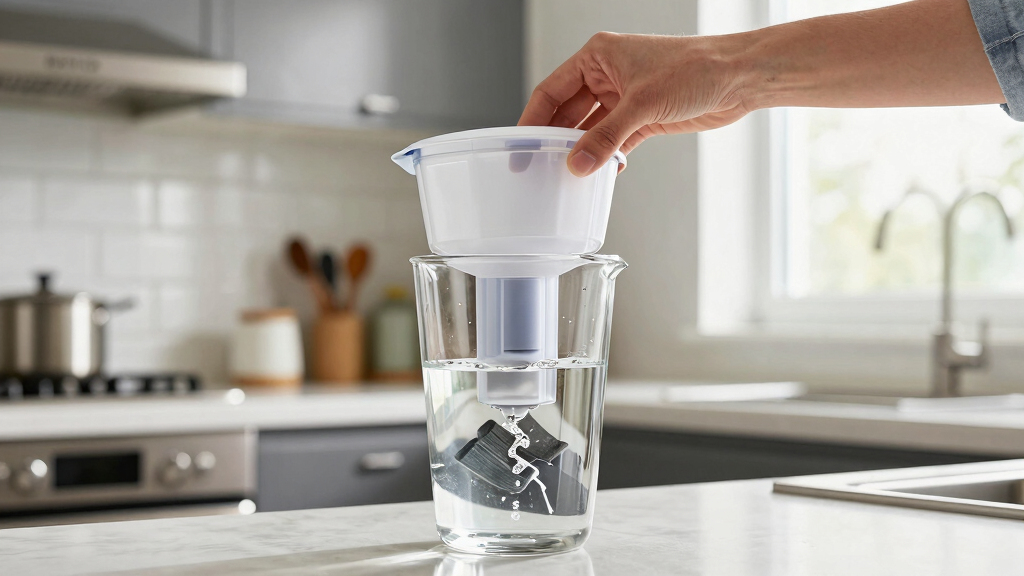
Gravity water filters work by using gravity to pass water through layers of filtering media. You pour contaminated water into the upper reservoir, and gravity pulls it down through various media that trap particles and chemicals. The clean water collects in a lower container, ready for drinking.
Think of it as an invisible hand guiding water through a maze of tiny barriers, removing what you don’t want. The process is slow but reliable, perfect for off-grid setups where electricity isn’t an option. The key is in the design: the bigger the surface area of the media, the faster the flow, but the tradeoff is how often you need to replace or clean the media.
As an affiliate, we earn on qualifying purchases.
What Contaminants Can a Gravity Water Filter Remove?
Gravity water filters are versatile, but their effectiveness depends on the media used. They excel at removing:
- Physical particles: Sediments, dirt, rust.
- Chemicals: Chlorine, chloramine, some pesticides, VOCs, especially with activated carbon.
- Microorganisms: Bacteria and protozoa—though viruses depend on the pore size.
- Heavy metals: Lead, mercury, if the media is designed for it.
Understanding what each contaminant type means for your health is crucial. For instance, removing sediments improves water clarity and taste, but chemicals like chlorine affect flavor and safety. Bacteria and protozoa are biological threats that can cause illness, so their removal is vital for drinking water. Heavy metals, though less common, can accumulate and cause long-term health issues. The media’s capacity to target these contaminants means choosing the right filter depends on your water source and potential hazards. For example, a filter designed to remove bacteria might not be effective against viruses or chemical pollutants, which implies a tradeoff: higher filtration precision often means increased cost or complexity.
portable water filtration system for off-grid
As an affiliate, we earn on qualifying purchases.
As an affiliate, we earn on qualifying purchases.
How Recent Innovations Make Gravity Filters Better at Cleaning Water
Modern gravity filters now incorporate advanced materials like biochar, nanomaterials, and multi-layer media. These innovations boost contaminant removal and extend lifespan. Some models combine activated carbon with ceramic or include UV-like features for pathogen inactivation.
For example, biochar enhances adsorption of organic compounds, effectively reducing tastes and odors, while nanomaterials can trap smaller particles, including some viruses, which previously required more complex solutions. Certification from NSF or Water Quality Association confirms these improvements, giving users confidence in performance. Eco-friendly designs also mean less waste—such as replaceable filter cartridges—making maintenance easier and more sustainable. The tradeoff is often a higher initial cost, but the long-term benefits include more reliable water quality, especially in challenging conditions where contaminants are diverse and persistent. These innovations are opening new possibilities for off-grid living, where access to reliable, safe drinking water is critical, and resources are limited.
ceramic gravity water filter replacement
As an affiliate, we earn on qualifying purchases.
As an affiliate, we earn on qualifying purchases.
Quick Comparison: What Do Gravity Filters Remove Best?
| Contaminant | Removal Effectiveness | Best Media |
|---|---|---|
| Sediments & Dirt | Excellent | Ceramic, sediment filters |
| Chlorine & Organic Chemicals | Good | Activated carbon |
| Bacteria & Protozoa | Very Good | Micro-porous ceramic, depth filters |
| Viruses | Limited | Specialized filters with smaller pores or UV |
gravity water filter with virus removal
As an affiliate, we earn on qualifying purchases.
As an affiliate, we earn on qualifying purchases.
How To Keep Your Gravity Filter Working Its Best
- Clean the filter regularly—rinsing ceramic elements keeps flow steady.
- Replace media as recommended—usually every 6-12 months, depending on water quality.
- Monitor flow rate—slower flow signals a clogged filter.
- Store in a dry, safe place when not in use.
- Test your water periodically—especially if source water changes.
For example, after a week of use during a camping trip, you might notice the flow slowing. A quick rinse and media replacement restores performance, ensuring your water stays safe and tasty.
Limitations You Need to Know About Gravity Water Filters
Gravity filters aren’t magic. They struggle with viruses unless specifically designed for it. They can’t remove chemical contaminants like pesticides or heavy metals unless the media is certified for that purpose. Flow rate can also be slow—sometimes taking hours to produce a few gallons.
Understanding these limitations is essential because it influences how you plan for water safety. For example, relying solely on a basic filter might leave you vulnerable to viral contamination if your water source is compromised. If you’re in an area with heavy chemical pollution, a standard filter might not suffice, and you’ll need specialized media or additional treatment methods. Recognizing that flow rate can be slow also helps manage expectations—knowing that in emergencies, it might take time to produce enough safe water. These tradeoffs highlight the importance of selecting a filter suited to your specific needs and being aware of when supplementary treatment is necessary to ensure water safety.
Frequently Asked Questions
Can a gravity water filter remove viruses?
Most gravity filters can’t remove viruses unless they have very small pore sizes (below 0.02 microns) or include additional treatment like UV. Check the certification and specifications before relying on a particular model for virus removal.
How often should I replace the filter media?
Typically every 6 to 12 months, depending on water quality and usage. Regularly inspect for clogging or slow flow, which signals it’s time for a change.
Will a gravity filter improve the taste of my water?
Yes. Activated carbon media can significantly reduce chlorine, organic compounds, and other substances that cause bad tastes and odors. It’s a common reason people choose gravity filters for drinking water.
Are gravity filters good for emergency preparedness?
Absolutely. They’re portable, simple to operate, and don’t require power—making them ideal for off-grid emergencies and outdoor adventures.
What should I look for when choosing a gravity water filter?
Consider your water source, the contaminants you need to remove, filter lifespan, certifications, and how quickly it filters water. Matching these to your needs ensures safe, clean water when you need it most.
Conclusion
Gravity water filters prove that sometimes, simple beats complicated. Their reliance on gravity makes them foolproof for off-grid living, and their media can trap a wide array of nasties. But understanding their limits is key—know what they do well, and when you need a backup.
Think of your filter as a reliable partner, not a magic wand. Keep it clean, replace media on schedule, and always test your water. That way, your off-grid water stays safe, fresh, and ready when you need it most.
Fall Picks
fall essentials
As an affiliate, we earn on qualifying purchases.