
TL;DR

Get kitchen gear delivered free with Prime
- Fast, free delivery on millions of items
- Prime Video, Amazon Music and more included
- Member-only deals all year
Brewing strong coffee outdoors requires choosing the right beans, equipment, and ratios. Using dark roasts, portable tools, and precise techniques creates a robust brew in any setting.
Use dark roasted beans and grind just before brewing for maximum flavor and strength.
Adjust your coffee-to-water ratio to 2:1 or 3:1 for a bold, concentrated brew outdoors.
Choose durable, lightweight gear like AeroPress or French press for easy, strong coffee in the wild.
Pre-warm your equipment and use hot water to counteract outdoor temperature drops.
Consider flavor enhancers like salt or spices to boost taste and mask environmental dullness.
Field guide · camp coffee · 01
How to Brew Strong Coffee for the Outdoors
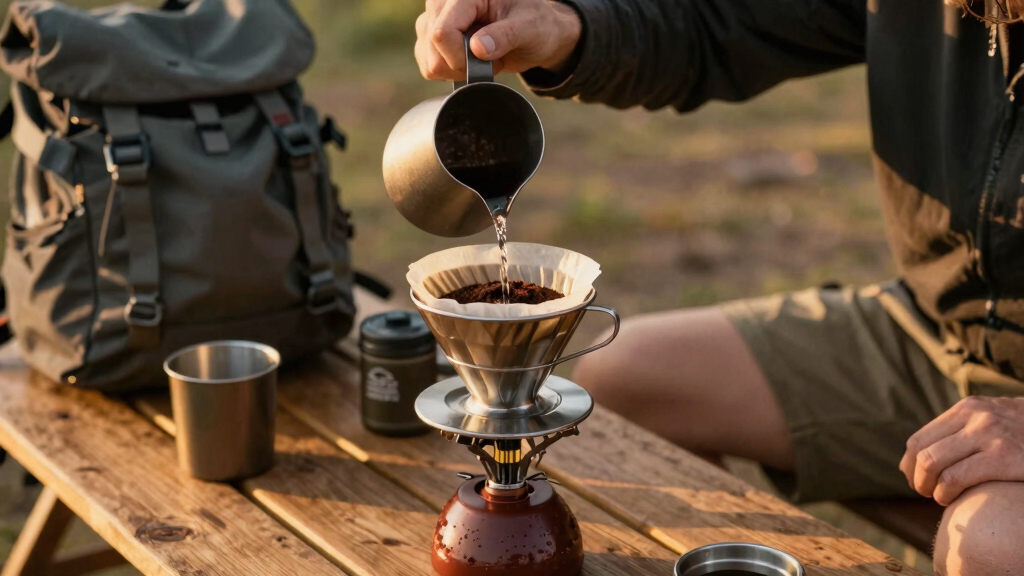
No power. No elaborate machine. Just fresh dark-roast beans, dependable equipment and enough control to turn a cold morning in the wild into a rich, full-bodied ritual.
Or 90–96°C for efficient, balanced extraction.
Increase the usual coffee amount before extending brew time.
AeroPress at the short end; French press at the long end.
The strength triangle
Build boldness from three controls
Strong outdoor coffee is not created by one extreme adjustment. Beans, equipment and extraction work together; change them deliberately and the cup gains intensity without becoming harsh.
Dark, fresh and ground on site
Dark roasts bring a bold profile and fuller perceived body. Grind immediately before brewing to preserve aromatic oils. A medium-to-coarse texture helps control bitterness during immersion.
Compact tools with real control
Choose gear that survives packing and gives repeatable results. The AeroPress favors speed; a stainless French press favors body, oils and a longer extraction.
Protect heat from the weather
Cold air rapidly pulls heat from water, brewer and mug. Use clean water, pre-warm every vessel and keep grounds sealed against moisture and camp odors.
Field process
Five moves to a stronger cup
Measure before leaving camp, preserve heat and adjust only one variable at a time. That turns improvised brewing into a repeatable method.
Measure
Pack two to three times your normal dose for a concentrated field brew.
Heat
Bring clean water into the 195–205°F extraction window.
Pre-warm
Rinse the brewer and mug with hot water before the real pour.
Saturate
Pour slowly and evenly so every ground contributes flavor.
Steep
Press after 2 minutes or immerse for 3–4 minutes, then taste.
Outdoor temperature loss can weaken extraction. Pre-heating the mug and brewer preserves the narrow zone where coffee dissolves efficiently.
Target center: approximately 200°F / 93°C
Dose before duration
Increase strength without chasing bitterness
Use the content’s 2:1 or 3:1 guidance as a relative field-strength setting: approximately two to three times your usual coffee dose—not two or three parts dry coffee by mass to one part water.
Use roughly four tablespoons of grounds for an 8-ounce cup, then tune grind and steep time to taste.
Gear comparison
Choose the brewer that matches the trip
The strongest option is the one you can pack, operate and clean consistently. Immersion favors body; pressure favors speed; percolation favors familiar camp-stove simplicity.
| Device | Portability | Strength potential | Ease | Best field use |
|---|---|---|---|---|
| AeroPress | ✓ High | ✓ High | ✓ Easy | Fast, compact solo brewing |
| French press | ~ Moderate | ✓ Very high | ~ Moderate | Full body and rich oils |
| Percolator | ~ Moderate | ✓ High | ~ Moderate | Groups and camp-stove use |
| Portable espresso | ~ Variable | ✓ Concentrated | ~ More care | Café-style shots off-grid |
Highlighted column · relative strength potential with correct dose, temperature and technique
Field intelligence
Small upgrades, meaningful results
Outdoor coffee is becoming easier to strengthen, transport and repeat—with less waste and fewer compromises.
Seal, shelter and pre-heat
Keep grounds dry and odor-free. Brew away from strong wind, pre-warm metal equipment and serve immediately to preserve aroma and extraction.
Salt and spice, used lightly
A tiny pinch of salt can soften harsh notes; cinnamon adds perceived warmth when cold air makes the cup seem dull. Neither replaces sound technique.
Portable pressure is evolving
Compact battery-powered espresso makers now deliver concentrated shots in the field, though they require more power, care and packing space.
Reusable filters and concentrates
Reusable components reduce trail waste, while cold-brew concentrates provide a strong base that can be diluted quickly with hot or cold water.
Quick answers
Camp coffee FAQ
The fastest route to consistency is simple: fresh beans, measured grounds, protected heat and a brewer you already know how to control.
What is the best way to brew strong coffee outdoors?
Use an AeroPress for speed or a French press for body. Pre-measure a larger dose, maintain hot water and time the brew carefully.
How can I make it stronger without making it bitter?
Increase the coffee dose first. Keep a medium-to-coarse grind and avoid extending contact time beyond what the brewer needs.
What equipment should I pack?
Bring a durable brewer, compact grinder, heat-safe mug, measured beans and a kettle or pot. Stainless gear handles rough conditions well.
Can I brew espresso outdoors?
Yes. Manual and battery-powered portable espresso devices can create concentrated shots, but demand more pressure, precision and maintenance.
Choose the Right Beans for Bold, Robust Flavors
Start with dark roast beans. They tend to have oils that bring out richer, more intense flavors—perfect for when your water’s cooler or your brewing time is a bit longer. These oils also contribute to the perceived strength and body of your coffee, giving it a fuller mouthfeel. Freshness matters too. Grind your beans just before brewing—this preserves the oils and aroma, giving you that full-bodied punch. Imagine grinding into a coarse powder, like rough sand, right before you brew. This coarser grind helps prevent over-extraction, which can make coffee taste bitter, especially with longer steep times outdoors. The choice of beans and grind size directly impacts both the flavor profile and strength; selecting dark roasts with a suitable grind maximizes boldness while maintaining smoothness. The tradeoff is that dark roasts can sometimes be more bitter if over-extracted, so balancing grind size and steep time is key.
As an affiliate, we earn on qualifying purchases.
Select Portable, Durable Equipment That Delivers Power and Precision
For outdoor brewing, your gear needs to be tough and lightweight. The AeroPress and French press shine here. The AeroPress can be packed into a tiny space, and its plunger makes strong coffee with a quick steep—perfect for camping. The French press, made of sturdy stainless steel, withstands the elements and offers a richer extraction. The choice between them depends on your priorities: AeroPress offers speed and portability, while French press provides a more robust extraction and fuller body. Using durable, reliable equipment ensures consistent results, even in challenging outdoor conditions. The tradeoff is that some devices may require more attention to detail or longer brewing times to achieve maximum strength. The French press’s immersion method allows for longer steeping, which can extract more oils and flavors, resulting in a bolder brew—ideal when strength is a priority. The AeroPress’s rapid brew can also yield strong coffee if you use a higher coffee-to-water ratio and proper technique.
As an affiliate, we earn on qualifying purchases.
Master the Coffee-Water Ratio for Maximum Strength
Adjust ratios to make your brew stronger. A typical ratio for drip coffee is 1:15, but outdoors, aim for 2:1 or even 3:1—meaning more coffee per cup of water. This increase in coffee grounds concentrates the brew, enhancing perceived strength and richness. For example, using 4 tablespoons of coffee grounds for 8 ounces of water creates a dense, robust drink. Think of it like making a concentrated syrup—less water allows more of the coffee’s oils and solubles to be extracted, resulting in a more intense flavor. However, this also increases the risk of over-extraction, which can lead to bitterness if not carefully managed. The tradeoff is that a higher ratio yields a more potent coffee, but it requires precise control over grind size and steeping time to avoid unpleasant flavors. Using too much coffee without proper technique can result in a harsh or overly bitter brew, so balancing ratio with extraction time is crucial for achieving that bold, smooth profile.
As an affiliate, we earn on qualifying purchases.
Perfect Your Technique with a Step-by-Step Process
- Pre-measure your coffee grounds—aim for 2 to 3 times the usual amount, depending on desired strength.
- Heat your water to about 195–205°F (90–96°C). Use a kettle or pot on your camp stove, and consider pre-warming your mug and equipment to prevent heat loss.
- Pour water slowly over the grounds, ensuring even saturation. A controlled pour helps extract maximum flavor without channeling or uneven extraction.
- Let it steep for 3–4 minutes if using French press, or press the AeroPress after 2 minutes. Longer steeping times in immersion methods increase strength but can risk over-extraction if not monitored.
- Pour and enjoy. If it’s too strong, dilute with hot water or milk. Conversely, if too weak, add more grounds or steep longer next time.
As an affiliate, we earn on qualifying purchases.
Environmental Tips to Keep Your Coffee Strong and Fresh
Water temperature drops quickly outdoors. Pre-warm your mug and equipment with hot water beforehand to maintain optimal brewing temperatures, which are essential for proper extraction. Keep your coffee grounds in a sealed container to avoid moisture absorption and odors that can dull flavor. If it’s chilly, adding a pinch of salt or a dash of spices like cinnamon can help enhance flavor and mask any dullness caused by environmental factors. These additives can also influence extraction, sometimes helping to smooth out harsh notes and improve overall strength perception. Proper environmental management ensures your coffee maintains its intended strength and flavor profile despite outdoor challenges, making your brew more satisfying and consistent.
Compare Popular Portable Coffee Gear for Strength and Ease
| Device | Portability | Strength Potential | Ease of Use |
|---|---|---|---|
| AeroPress | High | High | Easy |
| French Press | Moderate | Very High | Moderate |
| Percolator | Moderate | High | Moderate |
Innovations Making Outdoor Coffee Stronger and Easier
New portable devices, like mini battery-powered espresso makers, are changing the game. They produce cafe-quality shots right in your pack. Reusable filters and eco-friendly materials help reduce waste, making your coffee adventure more sustainable. Plus, specialty beans designed for travel hold up well and deliver bold flavors, even in less-than-ideal water conditions.
Frequently Asked Questions
What is the best way to brew strong coffee outdoors?
The AeroPress and French press are top choices. They’re portable, easy to use, and can produce rich, strong coffee with the right ratios and technique. Pre-measure your grounds, keep water hot, and steep longer if needed.How do I make my coffee stronger without turning it bitter?
Use a higher coffee-to-water ratio—aim for 2:1 or 3:1. Also, grind your beans coarser, avoid over-extraction, and stick with dark roasts for a bold, smooth flavor that won’t taste burnt.What equipment should I bring for outdoor brewing?
Portable, durable devices like AeroPress, French press, or camping percolators work best. They’re lightweight, reliable, and easy to clean—perfect for a quick, strong brew in the wild.Can I brew espresso outdoors?
Yes, portable espresso machines exist. They usually need a bit more power and care, but they can give you that rich, concentrated shot when you crave it—just be prepared with batteries or manual pumping.How do environmental factors affect brewing strength?
Cold weather cools your water and equipment, slowing extraction. Pre-warming everything and using hot water helps. Also, keep your grounds dry and sealed to prevent moisture from dulling the flavor.Conclusion
Brewing strong coffee outdoors isn’t about complicated gadgets; it’s about making smart choices—better beans, proper ratios, and a little prep. Master those, and your mornings will never feel dull, no matter where you are. Think of every sip as a small victory over the elements, a reminder that good coffee is still possible outside the kitchen.Halloween Picks
halloween
As an affiliate, we earn on qualifying purchases.