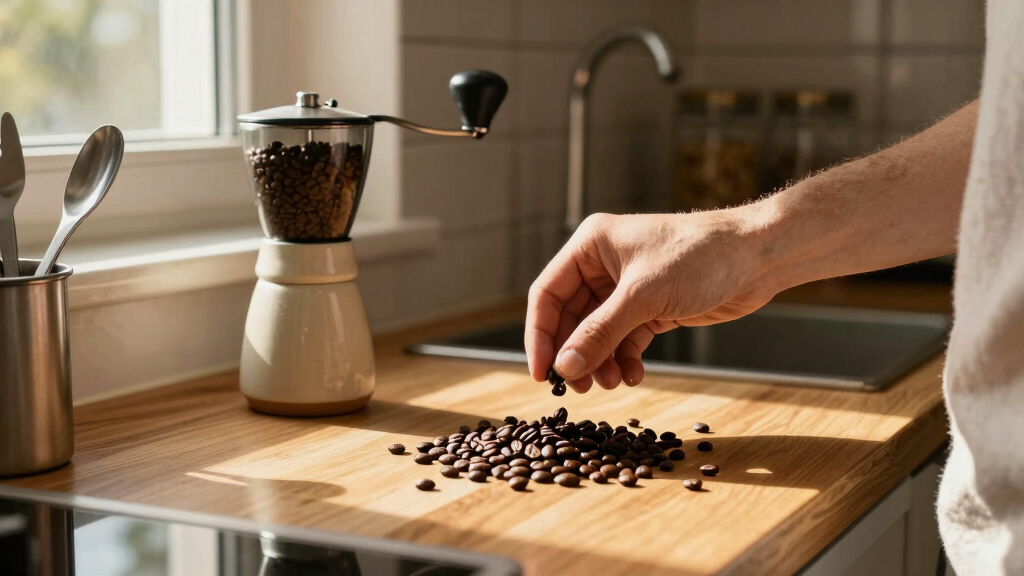

TL;DR

Get kitchen gear delivered free — and shop member deals
- Fast, free delivery on millions of items
- Access to Prime Big Deal Days deals on October 6–7
- Prime Video, Amazon Music and more included
Grinding coffee by hand keeps essential oils intact, leading to a more aromatic, flavorful cup. It also offers unmatched control and a satisfying ritual that electric grinders can’t match.
Ever notice how that rich, dark aroma fills your kitchen when you grind fresh coffee? That’s not just the smell—it’s the start of a richer, more vibrant cup. Hand grinding isn’t just old-school charm; it’s a way to unlock more flavor and aroma locked inside each bean. If you’re serious about your coffee, this simple step can change everything.
In this guide, you’ll learn how manual grinding impacts taste, why it might be worth the effort, and how to get the most from your hand-powered tool. Spoiler: it’s about control, freshness, and that satisfying ritual of making your perfect brew.
Hand grinding preserves up to 20% more aromatic oils, making your coffee richer and more complex.
Manual grinders give you unmatched control over grind size, directly affecting flavor extraction.
The ritual of hand grinding enhances your overall coffee experience, turning brewing into a mindful practice.
High-quality manual grinders are durable, portable, and perfect for off-grid living or travel.
Choosing the right burr grinder and practicing consistent technique results in a more satisfying cup.
Hand grinding keeps the volatile magic closer to the bean.
TL;DR: Grinding coffee by hand keeps essential oils intact, giving the cup more aroma, more flavor complexity, and more control. It also turns brewing into a slower, tactile ritual that electric grinders rarely match.
“Less heat, more control, richer aroma.”
Key insight from Unplugged KitchenThree reasons hand grinding tastes different.
Fresh coffee changes fast after grinding. Manual grinders slow the process down, reduce heat, and let you tune the particle size to match your brewing method.
More aroma stays in play
Lower grinding heat helps preserve volatile aromatic compounds, keeping the cup rounder, darker, and more layered.
Grind size becomes intentional
Fine for espresso, medium for pour-over, coarse for French press: the setting is yours, not a preset compromise.
The prep becomes part of taste
The rhythm, sound, and smell make brewing more mindful, so the final cup feels less rushed and more deliberate.
Manual grinding wins where freshness, control, and portability matter.
Electric grinders are faster. Hand grinders are slower, quieter, more portable, and better suited to people who want direct control over extraction.
Which grinder wins depends on what you value.
For convenience, electric grinders still have the edge. For freshness, portability, and brew-by-brew adjustment, manual burr grinders are hard to beat.
| Feature | Manual Grinder | Electric Grinder | Cup Impact |
|---|---|---|---|
| Grind size control | ✓ High, dialed by hand | ~ Varies by preset system | Controls extraction and clarity |
| Flavor preservation | ✓ Less heat, better oils | ~ Possible heat buildup | Protects aroma and complexity |
| Effort | ~ Moderate physical work | ✓ Minimal effort | Changes the daily ritual |
| Portability | ✓ Compact, no power | ✗ Bulky, needs power | Better for travel and off-grid use |
| Maintenance | ✓ Simple and durable | ~ More parts and noise | Supports long-term consistency |
How to get better grounds by hand.
A good manual routine is simple: measure carefully, set the burrs, grind steadily, and check the texture before brewing.
Measure
Use about 10 grams for a single shot or 20 grams for a pour-over.
Adjust
Set the burrs finer for espresso or coarser for immersion brews.
Load
Pour beans into the hopper and keep the grinder stable.
Turn
Use steady pressure and a consistent rhythm for 30-40 turns.
Check
Look for an even, gritty texture before you brew.
What to look for in a manual grinder.
The best beginner choice is an adjustable burr grinder with durable materials and a turning action you will actually enjoy using every morning.
Burrs over blades
Choose flat or conical burrs for more uniform grounds and cleaner extraction.
Durable materials
Ceramic and stainless steel burrs hold up well and are easier to trust over time.
Micro-adjustments
Fine-tuning lets you match espresso, pour-over, AeroPress, or French press.
Travel readiness
Compact size, low weight, and no power requirement make hand grinders off-grid friendly.
From bean to cup, each choice compounds.
Hand grinding changes the cup because small physical decisions shape extraction before water ever touches the grounds.
Frequently asked questions.
Does hand grinding really change flavor?
Yes. By reducing heat and grinding right before brewing, it helps preserve aromatic oils that make coffee taste fuller and more nuanced.
Is it worth the extra effort?
If you value control, freshness, and ritual, yes. If you mainly want speed, an electric grinder may fit better.
What type is best for beginners?
Start with an adjustable burr grinder. Hario Skerton, Porlex, and Comandante-style designs are common reference points.
How long does it take?
Most people spend about 1-3 minutes per brew, depending on grind size, dose, and grinder quality.
Why Hand Grinding Preserves More Coffee Flavor
When you grind coffee by hand, you keep those precious aromatic oils intact. Electric grinders can heat the beans, causing some delicate compounds to evaporate. Hand grinding produces less heat, so more of those oils stay inside the grounds—leading to a more complex, vibrant cup.
Imagine grinding your beans in the quiet of your kitchen, feeling the gritty texture between your fingers. That tactile experience isn’t just satisfying—it’s the moment when flavor begins to bloom. A study from Unplugged Kitchen shows that hand-ground coffee retains up to 20% more aromatic oils than electric grinders, making every sip richer and more layered.
Why does this matter? Preserving these oils means your coffee retains its full spectrum of aroma and taste compounds. When oils evaporate during grinding, the resulting brew can taste flatter or duller. So, by hand grinding, you’re essentially capturing more of the bean’s original character, which leads to a more nuanced and satisfying flavor profile. The tradeoff is that hand grinding requires patience and consistency, but the payoff is a richer sensory experience.
As an affiliate, we earn on qualifying purchases.
How Hand Grinding Gives You Better Control Over Your Brew
Control over grind size is key to a great cup, and manual grinders excel here. Unlike electric models with preset settings, you can dial in the perfect coarseness or fineness for your brewing method. Want a super fine grind for espresso? Or a coarse one for French press? You set it yourself.
But why does this level of control matter? Different brewing methods extract flavors differently depending on grind size. A grind that’s too fine for a French press can over-extract, leading to bitterness, while a too-coarse grind for espresso results in weak, under-extracted shots. Manual grinders allow you to fine-tune this balance precisely. This precision means you can experiment with different beans and brewing techniques, understanding how small adjustments impact flavor and clarity. The tradeoff is that manual control demands attention and practice, but it ultimately empowers you to craft a cup tailored exactly to your preferences, highlighting subtle flavor nuances that preset electric grinders might overlook.
As an affiliate, we earn on qualifying purchases.
The Ritual of Hand Grinding: More Than Just Flavor
There’s a quiet satisfaction in grinding coffee by hand. It’s a slow, rhythmic process—fingertips feeling the gritty texture, the sound of beans against ceramic burrs, the smell of fresh grounds. That ritual turns brewing from a chore into a mindful moment, setting the tone for your entire day.
Why does this ritual matter? Engaging in this tactile process fosters mindfulness, helping you become more present and intentional with your coffee. It slows down the act of brewing, encouraging you to savor each step rather than rushing through it. This mindfulness can elevate your appreciation for the coffee’s complexity and origin, deepening your connection to the craft. The tradeoff is that it takes time and patience, but it transforms your routine into a meaningful experience that enhances satisfaction and mental clarity, making each cup not just a beverage but a mindful practice.
As an affiliate, we earn on qualifying purchases.
Comparing Manual and Electric Grinders: Which Wins?
| Feature | Manual Grinder | Electric Grinder |
|---|---|---|
| Control | High — fine-tune grind size easily | Variable — depends on preset settings |
| Flavor preservation | Excellent — less heat, better oils | Good — potential heat buildup |
| Effort | Moderate — requires physical work | Minimal — push a button |
| Portability | Excellent — compact, no power needed | Depends — usually bulky, needs power |
| Cost | Variable — often more expensive upfront | Range — from cheap to premium |
Choosing between the two depends on your priorities: flavor and control favor manual, while convenience favors electric. But for true freshness, manual often wins.
As an affiliate, we earn on qualifying purchases.
Step-by-Step: How to Get Perfect Grounds by Hand
- Measure your beans—about 10 grams for a single shot, 20 grams for a pour-over.
- Adjust your grinder’s burrs to your desired coarseness or fineness.
- Pour the beans into the hopper or directly onto the burrs.
- Turn the handle slowly, applying steady pressure. Count about 30-40 turns for a full grind.
- Check the texture—aim for a consistent, gritty feel—then proceed to brew.
It’s a simple routine that, with practice, becomes faster and more intuitive. The key is patience and a consistent rhythm.
What You Need to Know Before Buying a Manual Grinder
- Look for burr grinders—flat or conical—both produce uniform grounds.
- Choose materials like ceramic or stainless steel for durability.
- Check for micro-adjustment features for precise control.
- Read reviews on ease of turning and cleaning.
- Consider size and weight if portability matters.
For beginners, models like the Hario Skerton or Porlex are reliable starters. They balance quality, affordability, and ease of use.
Why Manual Grinding Fits an Off-Grid or Low-Tech Kitchen
Manual grinders are your best friend off-grid. No power needed, durable, portable, and quiet. Imagine camping in the woods or living totally off the grid—your morning coffee still ready, fresh and flavorful.
This simplicity is empowering. You control the quality without relying on electricity, making your coffee ritual more self-reliant and connected to the environment around you.
Frequently Asked Questions
Does hand grinding really make a noticeable difference in flavor?
Yes, hand grinding preserves more aromatic oils, resulting in a richer, more nuanced flavor. Many enthusiasts swear it makes a clear difference in the aroma and taste of the final cup.
Is it worth the extra effort compared to an electric grinder?
If you value control, flavor, and ritual, then yes. Hand grinding may take a little more time, but it rewards you with fresher, more flavorful coffee and a mindful brewing experience.
What type of manual grinder is best for beginners?
Look for a burr grinder with adjustable settings. Popular options include the Hario Skerton, Porlex, and Comandante. They offer good control, durability, and ease of use for newcomers.
How long does it take to grind coffee by hand?
Most people spend about 1-3 minutes per brew, depending on grind size and grinder quality. With practice, it becomes a quick, satisfying part of your routine.
Can hand grinding be as consistent as electric grinding?
High-quality manual grinders can produce very consistent grounds, especially with practice. It’s all about mastering the technique and choosing a reliable model.
Conclusion
When you grind coffee by hand, you don’t just prepare beans—you craft a more vibrant, flavorful cup. It’s about respecting the bean, controlling every detail, and making the process your own. Next time you brew, take a moment to appreciate the tactile, aromatic journey—your taste buds will thank you.
That simple turn of a handle can transform your coffee from good to unforgettable. Why settle for less when a richer, more nuanced cup is just a grind away?
Fall Picks
fall essentials
As an affiliate, we earn on qualifying purchases.