TL;DR

Get kitchen gear delivered free with Prime
- Fast, free delivery on millions of items
- Prime Video, Amazon Music and more included
- Member-only deals all year
Keeping knives sharp longer hinges on proper technique, regular honing, and smart storage. With a few simple habits, your blades can stay razor-sharp for months, reducing effort and risk while cooking.
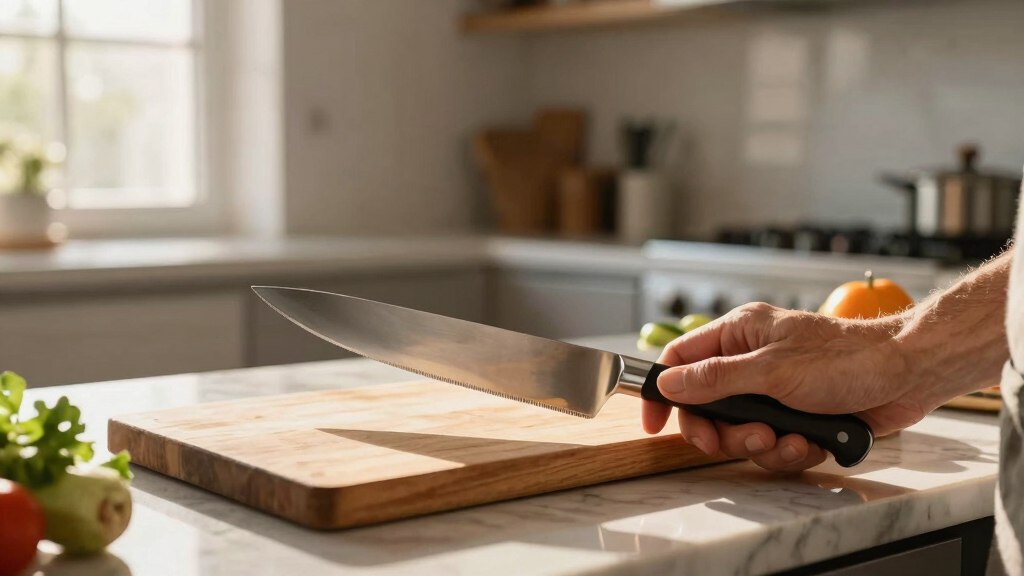
Use the right cutting surfaces—soft woods or plastics—to prevent quick dulling.
Hone your blades regularly at 15-20° to keep the edge aligned and sharp.
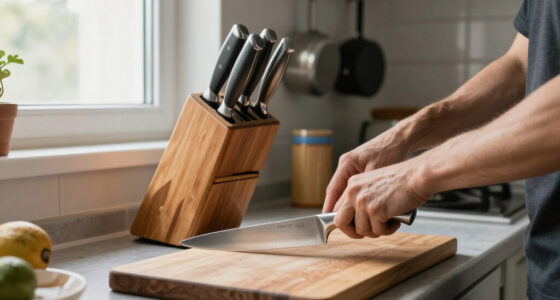
Store knives in magnetic strips or protective sheaths to avoid chips and dulling.
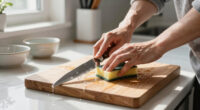
Clean knives by hand and dry immediately—dishwasher damage is real.
Sharpen only when necessary, using proper tools and correct angles to avoid over-thinning.
Use Your Knife on the Right Surfaces to Prevent Quick Dulling
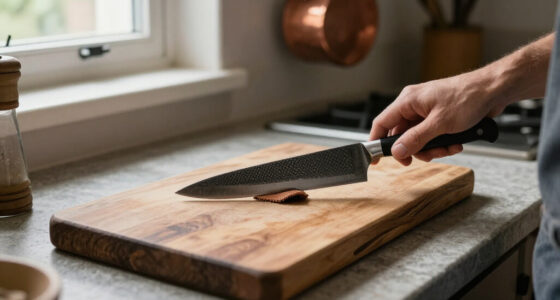
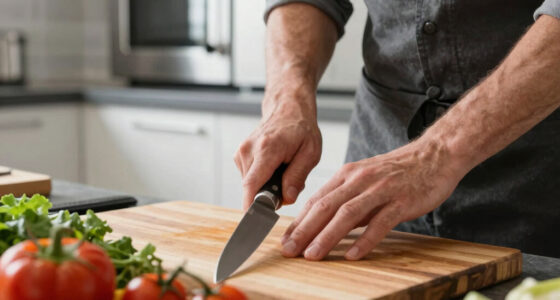
Using the correct cutting surface is your first line of defense against dull blades. Soft woods like maple or bamboo, or even plastic cutting boards, are gentle enough to preserve your knife’s edge. Hard surfaces like glass, stone, or ceramic tiles are harsh—they chip, dull, and damage your blade faster. Imagine slicing a tomato on a glass countertop — the blade’s edge gets battered with every cut. Choosing the right surface means fewer dulling hits and longer-lasting sharpness.
For example, a chef might keep a sturdy wooden board for vegetables and fruits, reserving a glass surface only for decorative or light tasks. This simple switch can extend your knife’s sharpness by weeks or even months.
As an affiliate, we earn on qualifying purchases.
Master the Art of Regular Honing to Keep the Edge Aligned
Honing is like a quick chiropractic adjustment for your blade. It realigns the microscopic teeth along the edge, restoring sharpness temporarily. Use a honing steel at least once a week if you cook often. For example, before chopping vegetables, draw your knife down the steel at a 15-20° angle, making 5-10 passes. This keeps the edge aligned, preventing the dulling process from speeding up.
Think of honing as maintenance — it doesn’t replace sharpening but keeps your blade performing its best longer between sharpenings. Regular honing minimizes the need for frequent sharpening, which involves removing metal and can weaken the blade if overdone. The tradeoff is that honing doesn’t actually sharpen a dull edge; it only realigns it. So, understanding when to hone versus when to sharpen is key to maintaining optimal performance over time.
As an affiliate, we earn on qualifying purchases.
Store Knives Properly to Avoid Unnecessary Dulling or Chipping
Where you store your knives makes a big difference in how long they stay sharp. Tossing a blade into a cluttered drawer invites knocks, chips, and dulling. Instead, use a magnetic strip, a knife block, or protective sheaths. For instance, a magnetic strip mounted on the wall keeps blades visible and safe, reducing contact with other utensils. This prevents small impacts that can chip or bend the edge over time.
Proper storage not only protects the blades physically but also prevents accidental damage from other utensils or objects that can dull or chip the edge. For example, putting knives loose in a drawer exposes them to frequent impacts, which cause tiny chips and micro-damage that accumulate over time, significantly reducing cutting efficiency. Investing in a proper storage solution is a simple yet effective way to extend the lifespan of your knives, saving you money and effort in the long run.
As an affiliate, we earn on qualifying purchases.
Clean and Care for Your Knives the Right Way
Hand washing with mild soap and drying immediately after use keeps blades free from corrosion and grime that dull edges. Avoid dishwasher cleaning, which exposes blades to harsh detergents and high heat that can cause pitting and dulling. For example, a cast iron skillet benefits from simple hand washing — same rule applies to knives. Scrubbing a knife in a dishwasher’s metal racks is like beating up your blade daily.
Gently wiping and drying your knives after every use helps maintain their sharpness longer and prevents rust, especially on carbon steel blades. Proper cleaning prevents the buildup of residues that can corrode the metal over time, which not only dulls the edge but also weakens the blade’s structure. Neglecting proper care can lead to pitting, corrosion, and a significantly shorter lifespan for your knives, making regular, gentle cleaning a crucial part of maintenance.
As an affiliate, we earn on qualifying purchases.
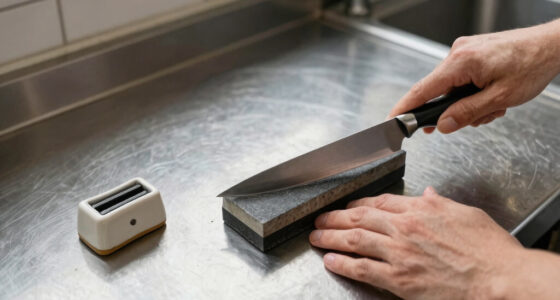
Sharpening removes metal to restore a dull edge and must be done correctly. Use a whetstone, ceramic rod, or electric sharpener designed for kitchen knives. For example, a typical kitchen knife should be sharpened at a 15-20° angle, with about 20-30 strokes on each side. Regular, light sharpening prevents the need for aggressive, metal-removing efforts later.
Over-sharpening thins the blade unnecessarily, reducing its lifespan. Think of it like filing down a nail — too much weakens the structure. Excessive sharpening can create a very thin edge that chips easily or dulls quickly after minimal use. Conversely, infrequent sharpening can lead to a dull, inefficient blade that requires more force to cut, increasing the risk of accidents or injury. Striking the right balance through proper technique and frequency is essential to maintaining a durable, sharp edge that performs well over time.
Compare Different Sharpening Tools to Find What Works for You
| Tool | Ease of Use | Cost | Result Quality | Best For |
|---|---|---|---|---|
| Whetstone | Moderate — requires technique | Affordable to moderate | Very high, precise edge | Sharpening and maintaining high-quality knives |
| Ceramic Rod | Easy — good for honing | Moderate | Good for quick touch-ups | Daily honing and minor sharpening |
| Electric Sharpener | Very easy | Moderate to high | Consistent, quick results | Frequent maintenance, not for delicate blades |
Choosing the right tool depends on your skill level and knife quality. A whetstone offers precision but takes practice. Electric sharpeners are faster but can be too aggressive if misused. The key is understanding the tradeoffs: whetstones require skill and patience but offer the best edge; electric sharpeners are quick but risk removing too much metal or damaging delicate blades if used improperly. Selecting the right tool involves balancing ease, cost, and the desired sharpness level, along with your willingness to learn proper technique.
Frequently Asked Questions
How often should I hone my knives?
If you cook frequently, hone your knives at least once a week. Less often if you only cook occasionally. Regular honing keeps the edge aligned and reduces the need for frequent sharpening.
Can I sharpen my knives at home without special skills?
Yes, many home cooks successfully sharpen with whetstones, ceramic rods, or electric sharpeners. Just follow the instructions carefully, maintain the correct angle, and practice patience. Practice makes perfect.
What are the signs my knife needs sharpening?
If your knife struggles to cut soft foods, tears rather than slices, or requires excessive force, it’s time to sharpen. Dull edges also leave tearing marks and make prep work slower and more dangerous.
Is it safe to sharpen serrated knives at home?
Serrated knives require a specialized sharpening tool or professional service. Attempting to sharpen serrations with a standard stone can damage the teeth. If in doubt, it’s better to leave it to experts.
Conclusion
A sharp knife isn’t just about ease — it’s about safety and efficiency. Developing simple habits like honing daily, storing carefully, and sharpening thoughtfully can keep your blades cutting cleanly for years to come. Sharp knives are a joy — treat yours well, and they’ll reward you with every slice.Columbus Day / Indigenous Peoples' Day Picks
long weekend sales
As an affiliate, we earn on qualifying purchases.