TL;DR

Get kitchen gear delivered free — and shop member deals
- Fast, free delivery on millions of items
- Access to Prime Big Deal Days deals on October 6–7
- Prime Video, Amazon Music and more included
Hand-powered prep for large batches is all about choosing the right tools, optimizing workflow, and managing fatigue. With sharp, well-mounted equipment and a good plan, you can process quantities that seem impossible without electricity.
Imagine processing 50 pounds of tomatoes, a bushel of cabbage, or a deer’s worth of meat without plugging in a single appliance. It’s not just a romantic idea—manual, hand-powered tools can handle large batches when you know how to match the right equipment with a smart workflow.
Whether you’re homesteading, prepping for emergencies, or running a small-scale food operation, mastering large batch prep with hand tools saves money, reduces dependence on power, and keeps your kitchen quiet and durable. This guide will show you exactly how to do it—no hype, just real, tested tips.
Match the right manual tool to each task—speed and efficiency depend on it.
Set up a stable, ergonomic workspace with sharp blades and chilled ingredients to cut effort.
Design a workflow that minimizes movement and maximizes throughput—think assembly line.
Use teamwork, alternating cranking and stretching, to fight fatigue on big jobs.
Proper cleaning and storage extend the lifespan of your tools, saving money and hassle.
Pick the Right Tools to Match Your Batch Size
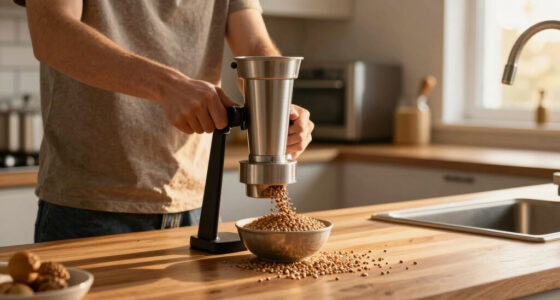
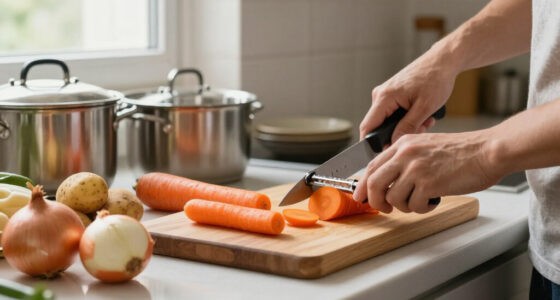
Manual tools succeed because they are designed to handle specific tasks efficiently. For large batches, tools like a hand-crank meat grinder, a kraut board, or a grain mill can process substantial quantities quickly. A #22 hand grinder can move 1–2 pounds of meat per minute if sharpened and adjusted properly. For chopping cabbage, a sturdy kraut board can shred a head in under a minute, ready for fermentation.
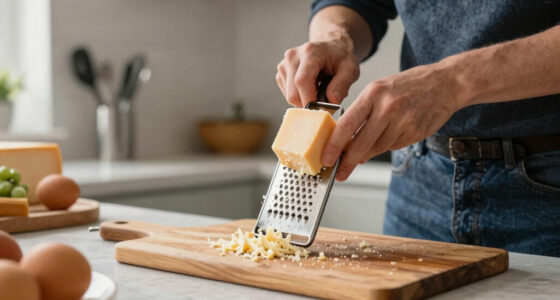
It’s all about tool-to-task matching. Using a box grater for 20 pounds of cheese? That’s miserable. But a dedicated rotary grater or a cheese shaver with a clamp can process large amounts faster and with less effort.
Choosing the right manual tool matters because it directly impacts your throughput and physical effort. A high-quality, properly adjusted grinder reduces the strain on your hands and shoulders, allowing you to work longer without fatigue. Conversely, using an underpowered or dull tool will slow you down, increase effort, and can lead to frustration or injury. Investing in good tools and understanding their capabilities means you can process larger quantities in less time, making manual prep more practical and less tiring.
As an affiliate, we earn on qualifying purchases.
How to Set Up Your Manual Tools for Bulk Work
- Secure your tools firmly—clamp grinders and mills to a sturdy work surface. A bench clamp beats suction cups for heavy loads, preventing slips and wobbling. This stability is crucial because any movement reduces efficiency and increases the risk of accidents.
- Adjust blades, burrs, or grinding plates so they are flush and sharp. Dull blades double your effort and slow down processing. Proper adjustment ensures clean cuts or grinds, which not only speeds up work but also extends the life of your equipment.
- Chill ingredients—meat, vegetables, grains—before processing. Frozen or very cold materials slide through blades smoothly, reducing strain and preventing clogging. Cold ingredients also inhibit bacterial growth during processing, which is vital for food safety.
- Work at an ergonomic height. Use a sturdy table or height-adjustable stand if possible. Proper posture reduces fatigue, prevents sore shoulders, and minimizes the risk of repetitive strain injuries. Comfort during long sessions directly affects your efficiency and safety.
- Plan your workflow. Wash, prep, process, and containerize in stages. Keep tools and ingredients organized to avoid backtracking and wasted motion. A well-thought-out sequence minimizes unnecessary steps, conserves energy, and speeds up the entire process.
For example, on a harvest day, a homesteader might clamp a meat grinder to a sturdy table, chill the meat overnight, and crank out 10 pounds at a time in 10-minute batches, taking breaks to stretch or swap hands. This setup maximizes efficiency while minimizing fatigue and injury risk.
As an affiliate, we earn on qualifying purchases.
Design Workflow That Turns Manual Prep into an Assembly Line
Workflow design is key. Think of your work area as a mini factory. Set up stations: wash produce or meat, cut or prep, process with your manual tool, then pack or store. This arrangement minimizes unnecessary movement and helps maintain a steady rhythm, essential for large batches.
Use staging containers—one for raw ingredients, one for processed food, and one for waste. A well-organized station limits backtracking, reduces fatigue, and keeps your focus on the task at hand. It also helps you identify bottlenecks, so you can adjust your process for better flow.
For example, during cabbage fermentation, you could have a workstation for chopping, a second for packing shredded cabbage into jars, and a third for cleaning tools. This setup keeps the process flowing smoothly, reduces downtime, and prevents cross-contamination or mix-ups that slow you down.
Building an efficient workflow means understanding the sequence of tasks and arranging your workspace so each step naturally follows the previous one. This minimizes wasted motion and energy, allowing you to process larger quantities in less time while maintaining quality and safety.
manual grain mill for bulk processing
As an affiliate, we earn on qualifying purchases.
As an affiliate, we earn on qualifying purchases.
Keep Food Safe and Prep Efficient During Long Sessions
Food safety remains paramount during manual prep, especially over extended periods. Keeping meat cold—using a cooler or ice bath for grinding—is essential because warm meat promotes bacterial growth, increasing the risk of spoilage. Similarly, chilling or partially freezing ingredients like tomatoes or cabbage makes processing faster and safer, as cold reduces the risk of bacterial proliferation and helps maintain the integrity of the food.
Refrigerate or chill equipment parts between batches to prevent bacterial buildup and ensure consistent quality. Use sanitized containers and work in clean conditions, especially when fermenting or preserving. This attention to cleanliness reduces the risk of contamination, which can ruin large batches and compromise safety.
For instance, a homesteader might grind 25 pounds of venison in two sessions, chilling the meat and grinder parts between, to keep everything safe and manageable. This approach balances efficiency with safety, ensuring the final product is both high-quality and safe to eat.
hand-powered cheese grater large quantity
As an affiliate, we earn on qualifying purchases.
As an affiliate, we earn on qualifying purchases.
How to Manage Fatigue and Keep Your Hands Happy
Repetitive work can wear you down fast, especially during large batches. Mount your tools at a comfortable height—ideally at waist or chest level—to reduce strain on your back and shoulders. Alternating hands regularly prevents overuse injuries and keeps your muscles balanced. For heavy or continuous work, work with a partner—cranking is easier and less tiring when you share the load. Take short breaks to stretch, shake out your hands, and swap roles to prevent fatigue from building up.
Keep blades and augers sharp because dull blades significantly increase effort and can cause blisters or hand fatigue. Use cut-resistant gloves when working with mandolines or kraut choppers—these gloves protect against accidental cuts and reduce anxiety, allowing you to work more confidently and efficiently.
For example, during a day-long sausage batch, two people take turns cranking and resting, avoiding sore shoulders or hand fatigue that would halt progress. Such teamwork not only makes the work more manageable but also keeps morale high and injury risks low.
Cleaning and Maintaining Your Manual Tools for Long Life
After heavy use, promptly dry cast iron or tinned steel tools to prevent rust, especially in humid environments. Lightly oil them with food-safe oil before storing to provide a protective barrier against moisture. Rinse and scrub blades with a stiff brush, avoiding harsh detergents that can damage finishes or corrode metal. Regular maintenance ensures your tools stay sharp, functional, and safe for years of use.
Vintage tools like Universal grinders or kraut boards often last decades with proper care. Modern stainless steel options require less maintenance but still benefit from regular cleaning and thorough drying after each use. If you use a grain mill, check burr spacing annually and re-align as needed—proper adjustment prevents uneven grinding and prolongs component life. Proper maintenance not only preserves your investment but also guarantees consistent performance, which is critical during large batches when reliability matters most.
Frequently Asked Questions
Is hand-powered prep practical for large batches, or is it just romanticized?
For specific projects like a deer harvest, a bushel of tomatoes, or a season’s worth of kraut, hand prep is practical with the right tools and helpers. It’s less suited for daily, high-volume work but shines when you want control, durability, and off-grid independence.
How long does it take to grind 50 pounds of meat by hand?
A sharp, well-adjusted hand grinder can process about 1–2 pounds per minute. So, 50 pounds might take roughly 25–50 minutes, plus chilling and setup time. Break it into manageable batches for smoother work.
Which tools are best for processing tomatoes or cabbage in large batches?
A rotary tomato grinder or a heavy-duty strainer makes quick work of tomatoes. For cabbage, a kraut board or a mandoline with a guard reduces prep time and improves texture—plus, safety gloves protect your fingers.
How can I avoid hand fatigue during big manual jobs?
Mount tools at ergonomic heights, switch hands often, and work with a partner when possible. Taking short breaks and keeping blades sharp also reduce strain and injury risk.
Can manual tools replace electric appliances for large batches?
They can handle many tasks—grinding, slicing, milling—especially when electricity isn’t available. But for very high volumes or speed, electric might still be faster. Manual tools excel in control, durability, and off-grid reliability.
Conclusion
Mastering large batch prep with hand tools isn’t just about saving power—it’s about crafting a reliable, quiet, and durable process that keeps your food safe and your skills sharp. When you set up your workspace right and plan your workflow, a mountain of food becomes manageable.
Remember, it’s not about raw strength but smart setup, sharp tools, and steady hands. Next time you face a big batch, think of it as an opportunity to hone your skills—your off-grid kitchen’s secret weapon.
Fall Picks
fall essentials
As an affiliate, we earn on qualifying purchases.