
TL;DR
Listen free for 30 days with Audible
Thousands of audiobooks and originals — cancel anytime.
Start your free trialAs an affiliate, we earn on qualifying purchases.
Freshly milled flour is prone to spoilage because it contains oils and moisture. Using airtight, opaque containers and refrigeration or freezing can extend its freshness significantly, with recent innovations like vacuum sealing improving storage life.
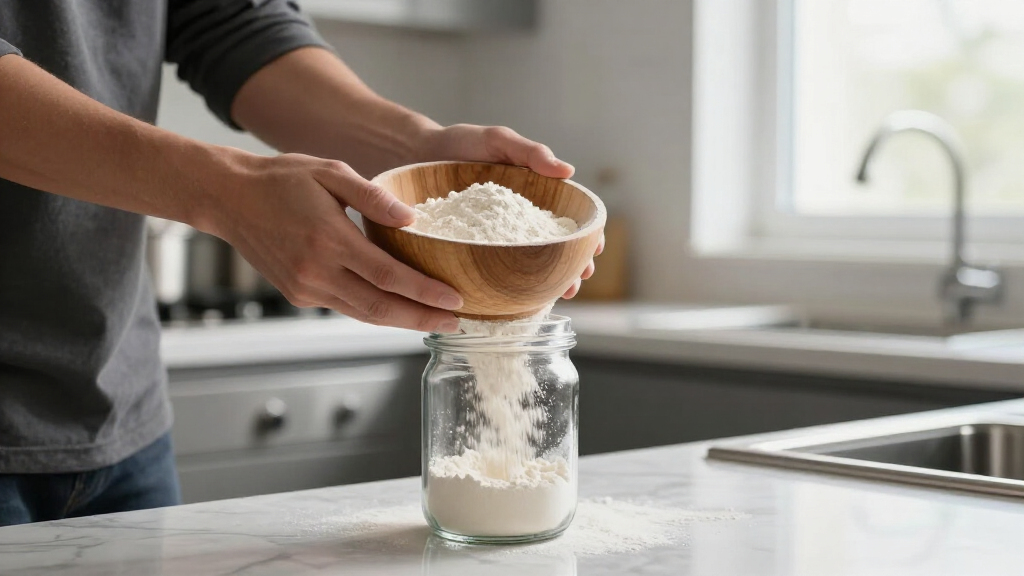
Imagine pulling a batch of freshly milled flour from your hand-powered grinder. It smells rich, earthy, and full of potential. But that freshness doesn’t last long if you leave it sitting on the counter. Proper storage is the secret to keeping your flour tasting great and retaining its nutrients.
Whether you’re growing your own wheat or grinding small batches for baking, understanding how to store that flour is just as important as how you grind it. In this guide, you’ll learn practical tips to keep your freshly milled flour from spoiling, plus recent tricks that can extend its shelf life without fancy equipment.
Freshly milled flour contains oils and moisture, making it more vulnerable to spoilage than store-bought flour.
Airtight, opaque containers are essential for preventing oxidation, light damage, and moisture absorption.
Refrigeration or freezing extends flour’s shelf life, especially for whole grain varieties.
Vacuum sealing significantly prolongs freshness by removing air from storage containers.
Always check for signs of spoilage—sour smell, discoloration, mold—before baking.
Why Freshly Milled Flour Goes Bad Fast — And How to Stop It
Freshly milled flour is packed with oils and moisture that store-bought versions often strip away. These natural oils are essential for flavor and nutrition but are also what make the flour susceptible to spoilage. When exposed to air, heat, and light, these oils oxidize, leading to rancidity—a process where the fats break down into unpleasant compounds that can give your baked goods a sour or bitter taste.
Moisture is another factor. Excess moisture can promote mold growth and enzymatic activity, which further deteriorates the flour’s quality. Light accelerates oxidation and can degrade sensitive nutrients like vitamins. Understanding these interactions helps you appreciate why proper storage isn’t just about keeping flour dry; it’s about controlling these environmental factors to preserve quality and safety.
Failing to protect your flour from these elements can result in a loss of flavor, nutritional value, and even the development of harmful mold. Therefore, choosing the right storage method is a tradeoff between accessibility, convenience, and protection—prioritizing airtight, opaque containers and temperature control can significantly prolong freshness and prevent spoilage.
Moreover, the implications extend beyond just spoilage. Rancid oils can produce compounds that may be harmful if consumed over time, and mold growth can introduce mycotoxins, which are dangerous to health. This underscores why understanding these processes and choosing optimal storage solutions is crucial for both flavor and safety in your baked goods.
airtight opaque flour storage container
As an affiliate, we earn on qualifying purchases.
As an affiliate, we earn on qualifying purchases.
The Best Storage Containers for Fresh Flour — What Works and What Doesn’t
| Container Type | Pros | Cons |
|---|---|---|
| Airtight Glass or Plastic Jars | Reusable, non-reactive, transparent for easy inspection | Breakable (glass), may let light in if not opaque |
| Opaque Plastic or Metal Canisters | Protects from light, durable | Some plastics may stain or absorb odors, and metal can react with certain acids |
| Vacuum-Sealed Bags or Containers | Maximizes freshness, removes air, minimizes oxidation | Requires vacuum pump or special equipment, less accessible for everyday use |
Choosing the right container depends on your storage goals. For daily baking, a sturdy, airtight jar allows easy access and inspection, but it doesn’t prevent light exposure unless opaque. For long-term storage, vacuum sealing offers superior protection by removing air, which is the primary factor in oxidation and rancidity. However, it requires additional equipment and may be less convenient for frequent use. Balancing these factors helps you select containers that suit your baking frequency and storage space.
Understanding why certain containers work better helps you weigh convenience against protection. For example, transparent jars are great for everyday use but expose the flour to light, which can accelerate nutrient degradation and rancidity. Conversely, opaque containers block light but may require more effort to access. Vacuum sealing, while less convenient, offers the best protection against all environmental factors, making it ideal for long-term storage of bulk quantities or premium flours where freshness is paramount.
refrigerated flour storage container
As an affiliate, we earn on qualifying purchases.
As an affiliate, we earn on qualifying purchases.
How to Store Freshly Milled Flour for Maximum Freshness
- Choose a cool, dark spot—like a pantry corner or root cellar. Heat and light accelerate chemical reactions, including oxidation and enzyme activity, which speed up spoilage. Keeping flour in a stable, low-temperature environment slows these processes, preserving flavor and nutrients longer.
- Use an airtight, opaque container to prevent oxidation and light damage. The absence of air minimizes fat rancidity, while darkness prevents light-induced nutrient degradation. Combining these barriers maximizes shelf life.
- If you plan to keep it for more than a month, refrigerate or freeze. Wrap containers in a cloth or place inside a sealed bag for extra protection. Cold temperatures slow enzymatic activity and microbial growth, which are key factors in spoilage. Freezing halts these processes almost entirely, making it ideal for long-term storage.
- Label your containers with the date you milled or bought the flour so you can track freshness. Knowing how long flour has been stored helps you use it before quality declines. This simple step helps prevent the accidental use of spoiled flour and allows you to manage your stock efficiently.
- For long-term storage, consider vacuum sealing to remove air entirely. This method drastically reduces oxidation and moisture exposure, extending shelf life by months. It’s especially useful for bulk storage or when you want to preserve flavor during extended periods.
Imagine pulling freshly milled wheat out of your freezer after two months. It still smells nutty and fresh. That’s the power of proper storage combined with cold temperatures—by controlling environmental factors, you significantly extend the usability and quality of your flour, ensuring your baked goods retain their optimal flavor and nutrition.
Tradeoffs exist in storage choices. While refrigeration or freezing greatly extends shelf life, they require extra steps like portioning and careful sealing to prevent moisture and temperature fluctuations. Additionally, some nutrients may degrade slightly during repeated freezing cycles. Balancing convenience, cost, and preservation needs helps you develop a storage routine tailored to your baking habits and the type of flour you prefer.
As an affiliate, we earn on qualifying purchases.
Recent Innovations That Keep Your Flour Fresh Longer
Recent developments have made storing flour easier and more effective. Vacuum sealing is gaining popularity among home bakers for its simplicity and effectiveness. By removing air and moisture, vacuum-sealed bags create an environment where oxidation and microbial activity are minimized, keeping flour fresh for months longer than traditional methods. This technology is especially valuable for those who buy or mill in bulk and want to prevent spoilage over extended periods.
Oxygen absorbers in sealed containers are another recent innovation. They work by chemically binding oxygen molecules, further reducing oxidation and slowing rancidity. This is particularly useful for long-term storage, as it provides an extra layer of protection beyond just airtight containers.
Additionally, eco-friendly, food-safe containers made from biodegradable plastics are now available, offering sustainable options without sacrificing performance. These containers often incorporate advanced sealing mechanisms or oxygen scavengers, combining environmental responsibility with extended shelf life.
Refrigeration and freezing remain the gold standards for preserving whole grain flour, which contains oils prone to rancidity. Dividing flour into smaller portions helps avoid repeated thawing and refreezing, which can degrade quality over time. These innovations and practices together provide a toolkit for maintaining optimal freshness, flavor, and nutrition in your flour storage.
As an affiliate, we earn on qualifying purchases.
Signs Your Flour Has Gone Bad — How To Spot Spoilage
Freshly milled flour that’s starting to spoil will smell sour, rancid, or musty. It might develop a dull or discolored appearance, or clump together in a way that doesn’t break apart easily. Mold is a clear warning sign of microbial growth, which can produce toxins harmful if consumed. If you notice any of these signs, it’s best to discard immediately.
For example, whole grain flour stored improperly might develop a bitter smell after a month. This indicates the oils have oxidized and turned rancid, compromising both flavor and safety. Always trust your nose and sight—these are your best indicators of spoilage. Remember, consuming rancid or moldy flour can lead to digestive discomfort or health issues, so when in doubt, it’s safer to replace it.
Understanding these signs helps you prevent health risks and avoid wasting ingredients. Recognizing early spoilage allows you to discard affected flour before it contaminates other stored batches, preserving the overall quality of your pantry. This proactive approach ensures your baked goods remain safe, flavorful, and nutritious.
Quick Tips to Keep Your Flour Fresh and Safe
- Keep flour in a cool, dark place—avoid sunlight and heat sources. Heat accelerates chemical reactions, including oxidation and enzymatic activity, which speed up spoilage. Darkness reduces light-induced nutrient degradation, preserving vitamins and flavor.
- Use airtight, opaque containers to slow oxidation and moisture absorption. This prevents fats from becoming rancid and keeps out humidity that can cause mold growth.
- Refrigerate or freeze if storing for over a month, especially for whole grain flour. Cold temperatures significantly slow enzymatic and microbial activities, extending shelf life and maintaining nutritional quality.
- Label containers with milling or purchase date to track freshness. This simple practice ensures you use the oldest flour first and avoid accidental consumption of spoiled batches.
- Always smell and inspect before use. When in doubt, toss it. Rancid or moldy flour can compromise your baked goods and pose health risks, so trust your senses over expiration dates when necessary.
By following these steps, you actively reduce the risk of using spoiled flour, which can negatively impact your baking results and health. Consistent inspection and proper storage create a reliable system that keeps your ingredients fresh, flavorful, and safe for all your culinary endeavors.
Frequently Asked Questions
How long can I store freshly milled flour at room temperature?
White flour can last around 6-12 months at room temperature, while whole grain flour is best used within 1-3 months. For longer storage, refrigeration or freezing is recommended.
Is it necessary to refrigerate freshly milled flour?
Refrigeration or freezing is highly recommended for whole grain or freshly milled flour because of its oil content. It helps prevent rancidity and extends shelf life significantly.
What containers are best for storing flour?
Airtight, opaque containers like glass jars or metal canisters work well. Vacuum-sealed bags are excellent for long-term storage. Always choose containers that block air, light, and moisture.
Can I store flour at room temperature for a few weeks?
Yes, especially for white flour. Keep it in a cool, dark place in an airtight container. For whole grain flour, plan to use it within a month or refrigerate for longer storage.
How do I know if flour has gone bad?
Look for sour or rancid smells, discoloration, clumping, or mold. Rancidity is common in whole grain flour due to its oil content. When in doubt, trust your nose and discard suspicious batches.
Conclusion
Storing freshly milled flour might seem simple, but small choices make a big difference. Using airtight, dark containers and cold storage can turn a short-lived batch into weeks or months of flavorful baking power.
Next time you grind your own wheat, remember: proper storage is the secret ingredient to keeping that rich, nutty aroma alive. Your baked goods will taste better, and your flour will stay fresh longer—no fancy gadgets required.
Fall Picks
fall essentials
As an affiliate, we earn on qualifying purchases.