
TL;DR

Get kitchen gear delivered free with Prime
- Fast, free delivery on millions of items
- Prime Video, Amazon Music and more included
- Member-only deals all year
Hand-cranked kitchen tools excel in control, durability, and sustainability. Recent innovations make them compact, multi-functional, and perfect for off-grid living or everyday use—proving they truly earn their space in your kitchen.
Imagine a kitchen where every turn of the handle feels satisfying, where you control your food prep with precision, and you don’t need to plug in. That’s the promise of hand-cranked tools. They’re not just retro novelties—they’re reliable, eco-friendly, and often more effective than their electric counterparts. If you’re tired of noisy, fragile gadgets that break or require power, this guide shows you why these tools truly earn their space in your off-grid or everyday kitchen.
From grinding coffee to making pasta, these tools focus on durability, control, and simplicity. You’ll find recent innovations that make them compact, multi-purpose, and more ergonomic than ever. Ready to see how they can boost your kitchen skills and sustainability? Let’s dive in.
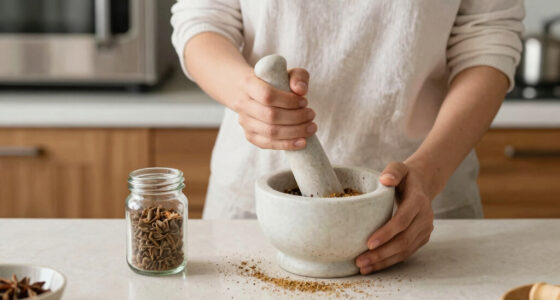
Manual operation offers unmatched control, especially in tasks like grinding spices or coffee, leading to better flavor and consistency.
High-quality materials like cast iron and stainless steel ensure your tools last for decades and handle daily use.
Ergonomic design reduces fatigue and increases safety, making manual tools comfortable even during long sessions.
Multi-functional, space-saving tools maximize utility in small or off-grid kitchens, saving money and clutter.
Recent innovations make these tools lighter, more durable, and stylish—perfect for modern, self-reliant cooks.
Why Manual Operation Outperforms Electric in Some Tasks
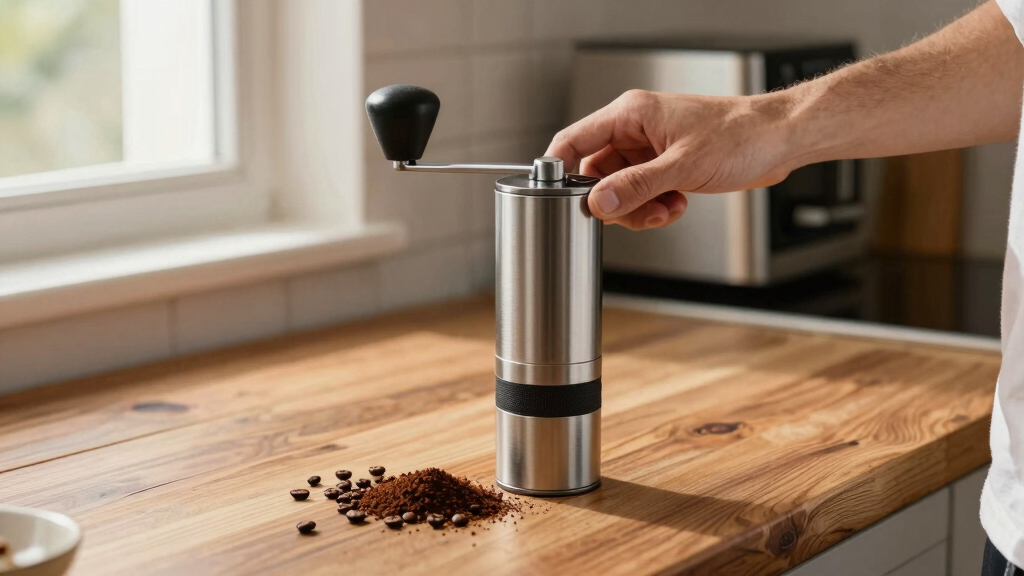
Manual operation, especially in tasks like grinding spices or coffee, offers a level of control electric tools simply can’t match. When you turn a hand crank, you feel the texture, adjust as needed, and prevent over-processing. Plus, manual tools don’t heat up or produce static, preserving flavors better. For example, a high-quality hand coffee grinder can produce a more consistent grind—crucial for a perfect brew—than most electric models, according to unprocessed brewing experiments.
And in off-grid scenarios or during power outages, these tools keep your kitchen running smoothly without dependency on electricity. They’re also quieter, reducing noise pollution in your home or cabin.
Understanding why manual tools excel in these areas helps you appreciate their value. The tactile feedback allows for nuanced adjustments, which is vital for achieving the perfect grind or texture. The tradeoff, however, is that manual tools require more physical effort and time, so choosing the right task for manual versus electric depends on your priorities—whether precision and flavor or speed and convenience. Incorporating manual tools into your routine can elevate your culinary control and sustainability, especially when you aim for a low-impact, self-sufficient kitchen.
As an affiliate, we earn on qualifying purchases.
The Best Durable Materials for Hand-Cranked Kitchen Tools
When choosing a hand-crank tool, material matters. Look for stainless steel, cast iron, or sturdy BPA-free plastics—these resist corrosion, withstand wear, and last for decades. For instance, a cast iron spice grinder develops a beautiful patina over time and can handle daily use without breaking a sweat.
Recent innovations include coated metals and lightweight plastics that don’t compromise strength. These materials make tools easier to handle, especially during prolonged use. For example, a lightweight yet durable plastic body on a pasta maker reduces fatigue without sacrificing stability. The choice of material impacts not just longevity but also how comfortable and safe the tool is during extended use. A poorly chosen material can lead to corrosion, breakage, or discomfort, which diminishes practicality and increases replacement costs. Prioritize high-quality, corrosion-resistant materials to ensure your investment pays off over many years, enabling consistent performance and reducing waste.
As an affiliate, we earn on qualifying purchases.
How Modern Designs Make Hand-Crank Tools Easier and Safer
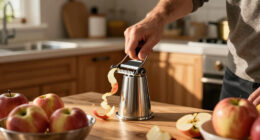
Modern hand-cranked tools focus heavily on ergonomic design. Handles are contoured, gears are smoother, and assembly/disassembly is straightforward. For example, a manual juicer with a comfortable, non-slip handle turns effortlessly, even with tough fruits like apples or citrus.
Some models feature safety shields or splash guards to prevent messes and accidents. The improved gearing reduces fatigue, making it easier to process larger batches without sore hands. Think of a vegetable slicer with a sturdy grip that feels natural and reduces wrist strain. These design enhancements matter because they directly influence your ability to use the tool safely and comfortably over time. Ergonomic features reduce the risk of repetitive strain injuries, and safety components prevent accidents that could lead to injuries or messes. When selecting hand tools, consider how the design supports your physical comfort and safety, which ultimately determines how often and how effectively you can incorporate them into your cooking routine.
As an affiliate, we earn on qualifying purchases.
Multi-Functional Tools That Save Space and Money
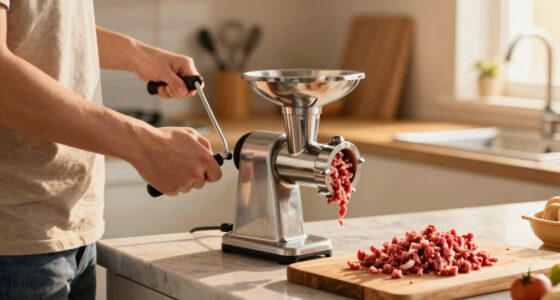
Multi-purpose hand tools are changing the game. A single device can grind spices, nuts, and coffee; make pasta; or juice fruits—all with adjustable settings. This versatility means fewer gadgets clutter your kitchen and more control in your hands.
For example, a hand-crank grinder with multiple coarseness settings handles everything from fine espresso to coarse spice blends. It’s a space-saving, budget-friendly solution for a self-reliant kitchen.
Choosing multi-functional tools requires understanding your specific needs. Prioritize models with adjustable settings that suit your most common tasks. For instance, if you often grind both fine coffee and coarse spices, select a grinder with easily changeable coarseness levels. This flexibility allows you to customize results without purchasing multiple single-purpose devices. By doing so, you save space, reduce clutter, and get more value from a single investment, which is especially important in small or off-grid kitchens where every inch counts. Practical decision-making involves assessing your typical use cases and selecting tools that can adapt accordingly, turning a simple manual device into a versatile kitchen workhorse.
As an affiliate, we earn on qualifying purchases.
The Latest Innovations Making Hand Tools Smarter
Recent advancements include lightweight, corrosion-resistant materials like coated metals and BPA-free plastics. These make tools easier to handle and clean. Ergonomic handles and gear mechanisms have also improved, reducing fatigue.
Some brands now incorporate aesthetic retro styles or sleek modern looks, making practical tools also stylish. Imagine a vintage-inspired hand grinder that’s as beautiful as it is durable—perfect for display and use.
These innovations mean you get more control, less effort, and longer-lasting tools that fit seamlessly into both traditional and modern kitchens.
Understanding these innovations helps you make smarter choices. For example, a lightweight grinder with a smooth gear mechanism not only reduces physical strain but also encourages more frequent use, leading to better results and a more sustainable kitchen routine. The tradeoff often involves balancing aesthetics, cost, and durability, but investing in these innovations can significantly enhance your overall cooking experience by making manual tools more accessible and enjoyable to use regularly.
Are Hand-Cranked Tools Worth the Investment?
Absolutely. Hand-cranked tools are often more durable, easier to repair, and provide better control than electric models. They’re ideal for off-grid living, but also perfect in everyday kitchens committed to simplicity and sustainability.
Many users report that manual tools last for decades with minimal maintenance. Plus, they’re affordable—costing less over time than replacing cheap electric gadgets. For example, a well-made hand coffee grinder may cost $50 but can last a lifetime, compared to a $100 electric grinder that burns out after a few years.
Investing in quality manual tools can transform your approach to food prep. They encourage a mindful cooking process, where each turn of the handle becomes part of the culinary experience. The tradeoff is that they may require more effort and time, but this can lead to better results and a deeper connection to your food. Over the long term, choosing durable, repairable tools reduces waste and expense, making them a smart, sustainable investment for a self-reliant kitchen.
Frequently Asked Questions
Are hand-crank kitchen tools as effective as electric ones?
Yes, especially for tasks like grinding spices, coffee, or making pasta. Manual tools often offer better control and preserve flavors better. They’re also more reliable during power outages and require less maintenance.
How much effort is needed to operate these tools?
It varies depending on the task and tool. Most are designed with ergonomic handles that make turning manageable. For tougher jobs like crushing nuts or kneading dough, a bit more effort is needed, but the effort is rewarding and controlled.
Are they easy to clean and maintain?
Yes. Many are dishwasher safe or disassemble easily for cleaning. With proper care, a good hand tool can last a lifetime, developing character and performance over time.
Do hand-crank tools take up much space?
Modern designs are increasingly compact, fitting easily into small kitchens or storage spaces. Multi-purpose models save even more room by combining functions.
Are these tools worth the investment?
Absolutely. They’re durable, repairable, and often more effective than electric gadgets for specific tasks. Over time, they save money, reduce waste, and keep your kitchen self-reliant.
Conclusion
Hand-cranked kitchen tools aren’t just a nostalgic throwback—they’re practical, durable, and remarkably capable. In your off-grid or everyday kitchen, they offer control and longevity electric tools can’t match. Invest in quality, choose versatile designs, and enjoy food prep that truly earns its space.
Think of a well-made hand grinder—silky coffee grounds, spices bursting with flavor, pasta dough textured perfectly. That’s the beauty of manual tools. Your kitchen can be simple, reliable, and full of craftsmanship. The handle turns, the food transforms, and you feel the satisfaction in every motion.
Halloween Picks
halloween
As an affiliate, we earn on qualifying purchases.