
The best water filters depend on what you want to reduce, how much water your household uses, and how much upkeep you’ll accept. I’d choose the iSpring RCC7AK-BN as the best overall for a fixed under-sink reverse osmosis setup, while the Brita Large 10-Cup Pitcher is a straightforward entry point and the DREO Countertop Reverse Osmosis System suits renters seeking filtration without plumbing changes. The main tradeoff is between simple, space-saving pitchers and higher-capacity or reverse osmosis systems that take more room and maintenance. Filter claims and performance vary, so matching a model to your water report matters more than choosing by format alone. Read on for the full comparison and guidance on picking the right type.

Get kitchen gear delivered free with Prime
- Fast, free delivery on millions of items
- Prime Video, Amazon Music and more included
- Member-only deals all year
Complete the kit


Key Takeaways
- The iSpring RCC7AK-BN stands apart as the under-sink pick: its six-stage reverse osmosis design suits buyers ready for a permanent installation and more involved filter changes.
- Pitchers and dispensers address different routines: compact options such as the Brita Metro fit tight refrigerators and low-volume use, while the 27-cup Brita UltraMax models favor households that want a larger chilled-water reserve.
- Countertop reverse osmosis models reduce installation demands: DREO and Bluevua offer alternatives to under-sink plumbing, but they need counter space and regular care.
- Large capacity is not the same as better filtration: the Waterdrop 35-cup dispenser and Purewell gravity system prioritize storage and dispensing, so buyers should check filter claims against their specific water concerns.
- Several picks differ mainly by filter configuration or included setup: the Brita UltraMax versions and the two DREO countertop packages make it worth comparing the exact filter and pitcher arrangement, not just the product name.
| iSpring RCC7AK-BN 6-Stage Alkaline Reverse Osmosis Water Filtration System, 75 GPD |  | Best Under-Sink Reverse Osmosis System | Filtration stages: 6 | Maximum production rate: 75 GPD (284 liters per day) | Installation type: Under sink | VIEW LATEST PRICE | See Our Full Breakdown |
| Brita Large 10-Cup Water Filter Pitcher with 1 Standard Filter, Bright White |  | Best for Small Households | Capacity: 10 cups | Included filter: 1 Standard filter | Filter life: 40 gallons or approximately 2 months | VIEW LATEST PRICE | See Our Full Breakdown |
| Waterdrop WFD-40L Water Filter Dispenser, 35-Cup Capacity, Black |  | Best High-Capacity Refrigerator Dispenser | Capacity: 8.2 liters (35 cups; 19 cups in the body) | Filtration method: Activated carbon | Filter life: Up to 200 gallons or 2 months | VIEW LATEST PRICE | See Our Full Breakdown |
| Brita UltraMax 27-Cup Water Dispenser with Elite Filter, Black |  | Best Long-Life Filter Dispenser | Capacity: 27 cups | Included filter: 1 Elite filter | Filter life: Up to 120 gallons or about 6 months | VIEW LATEST PRICE | See Our Full Breakdown |
| Purewell 3-Stage Gravity Water Filter System, 2.25-Gallon, Stainless Steel |  | Best Non-Electric Countertop System | Filtration stages: 3 | Filter pore size: 0.01 microns | Certifications: NSF/ANSI 42 and NSF/ANSI 372 | VIEW LATEST PRICE | See Our Full Breakdown |
| Brita Metro 6-Cup Water Filter Pitcher with 1 Standard Filter, White | 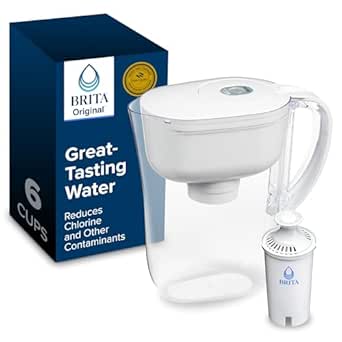 | Best Compact Pitcher | Capacity: 6 cups | Material: BPA-free plastic | Filter included: 1 Standard filter | VIEW LATEST PRICE | See Our Full Breakdown |
| Ninja HydraSense Intelligent Water Filtration System, WF1001WH1 |  | Best for Broad Contaminant Reduction Without Plumbing | Model: WF1001WH1 | Installation type: Countertop | Purification method: Specialized ultrafine carbon | VIEW LATEST PRICE | See Our Full Breakdown |
| DREO Countertop Reverse Osmosis Water Filter System, 3L | 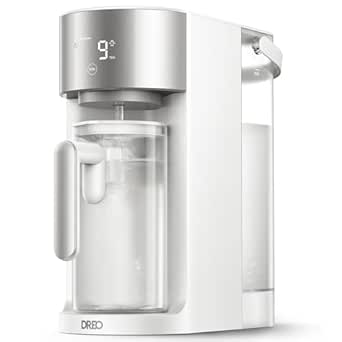 | Best Countertop Reverse Osmosis | Model: DR-KWF002 | Filtration method: Reverse osmosis | Filtration stages: 7-in-1 | VIEW LATEST PRICE | See Our Full Breakdown |
| Waterdrop PT-07B 10-Cup Water Filter Pitcher, Blue |  | Best Value Pitcher for Longer Filter Life | Model: WD-PT-07B | Capacity: 2.4 L (10 cups) | Filtration method: Activated carbon and ACF | VIEW LATEST PRICE | See Our Full Breakdown |
| Brita UltraMax 27-Cup Filtered Water Dispenser with Standard Filter, Black |  | Best High-Capacity Refrigerator Dispenser | Capacity: 27 cups | Material: BPA-free | Included filter: 1 Standard filter | VIEW LATEST PRICE | See Our Full Breakdown |
| Brita UltraMax 27-Cup Water Filter Dispenser with BritaPlus Filter, Black | 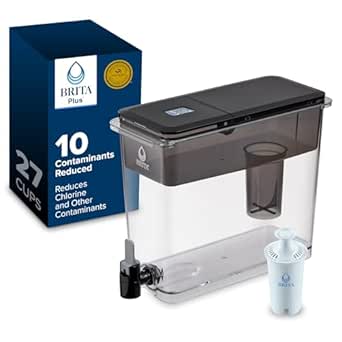 | Best High-Capacity Dispenser | Capacity: 27 cups | Filtration: BritaPlus carbon block filter | Filter life: 40 gallons or approximately 2 months | VIEW LATEST PRICE | See Our Full Breakdown |
| DREO Countertop Reverse Osmosis Water Filter with Two Autofill Pitchers |  | Best for Install-Free Reverse Osmosis | Filtration method: Reverse osmosis | Stated contaminant reduction: Up to 99.9% | Pure-to-drain ratio: 3:1 | VIEW LATEST PRICE | See Our Full Breakdown |
| Bluevua RO100ROPOT-UV Countertop Reverse Osmosis Water Filter System |  | Best Glass-Carafe Reverse Osmosis System | Filtration: Six-stage reverse osmosis with UV light and remineralization | RO membrane: 0.0001 μm | Carafe capacity: 1,700 ml | VIEW LATEST PRICE | See Our Full Breakdown |
| water filter | Dimensions | Filter life | Capacity | Certifications |
|---|---|---|---|---|
| iSpring RCC7AK-BN 6-Stage Alka | 15.5 × 16 × 18 in | — | — | — |
| Brita Large 10-Cup Water Filte | 10.7 × 5.4 × 10.1 in | 40 gallons or approximately 2 months | 10 cups | WQA and NSF/ANSI |
| Waterdrop WFD-40L Water Filter | 14.4 × 5.5 × 10.2 in | Up to 200 gallons or 2 months | 8.2 liters (35 cups; 19 cups in the body) | NSF 42 and NSF 372 |
| Brita UltraMax 27-Cup Water Di | 5.19 × 13.94 × 9.67 in | Up to 120 gallons or about 6 months | 27 cups | — |
| Purewell 3-Stage Gravity Water | 8.9 × 8.9 × 20 in | Up to 3,000 gallons per filter; replace every 6 months | 2.25 gallons | NSF/ANSI 42 and NSF/ANSI 372 |
| Brita Metro 6-Cup Water Filter | 9.1 × 4.6 × 9.7 inches | 40 gallons or about 2 months | 6 cups | WQA and NSF/ANSI |
| Ninja HydraSense Intelligent W | 14.37 × 5.07 × 13.78 inches | 6 months or 120 gallons | — | NSF/ANSI 42, 53, and 401 |
| DREO Countertop Reverse Osmosi | 14.5 × 6.7 × 13.4 inches | 265 gallons (1,000 L) | — | — |
| Waterdrop PT-07B 10-Cup Water | 10 × 5 × 10.1 inches | Up to 200 gallons or 3 months | 2.4 L (10 cups) | NSF/ANSI 42 and 372 |
| Brita UltraMax 27-Cup Filtered | — | — | 27 cups | — |
| Brita UltraMax 27-Cup Water Fi | 11.18 × 14.57 × 5.63 inches | 40 gallons or approximately 2 months | 27 cups | WQA and NSF/ANSI |
| DREO Countertop Reverse Osmosi | 15.7 × 6.7 × 13.4 inches | — | 5 liters | — |
| Bluevua RO100ROPOT-UV Countert | — | Listed as 12 months; description also states 12–24 months | — | — |
More Details on Our Top Picks
iSpring RCC7AK-BN 6-Stage Alkaline Reverse Osmosis Water Filtration System, 75 GPD
I’d choose the iSpring RCC7AK-BN when reducing dissolved solids is the priority and a permanent under-sink setup is acceptable. Its six-stage reverse osmosis system is NSF/ANSI 58 certified and produces up to 75 gallons per day, while the alkaline stage adds minerals after filtration. That makes it a more involved treatment option than the countertop Brita UltraMax, which uses activated carbon and is designed for dispensing rather than TDS reduction. The tradeoff is the installation footprint: the iSpring needs space for both the system and its storage tank, plus periodic filter changes. Quick-fit connections and a top-mounted faucet fastener can make setup more manageable, but this is still a plumbing project rather than a pitcher you can fill and use immediately.
Pros:- NSF/ANSI 58 certification for the complete system
- Reverse osmosis is designed to reduce TDS and a broad range of listed contaminants
- Alkaline stage adds minerals after filtration
- Includes a brushed nickel faucet, storage tank, and installation tools
Cons:- Requires under-sink space for the system and storage tank
- Needs plumbing installation, despite quick-fit connections
- Filters require recurring replacement
Best for: Homeowners who want certified reverse osmosis filtration, lower TDS, and an under-sink system with remineralization.
Not ideal for: Renters or households with limited cabinet space that want a portable filter or do not want to handle plumbing installation.
- Filtration stages:6
- Maximum production rate:75 GPD (284 liters per day)
- Installation type:Under sink
- Purification methods:Reverse osmosis, alkaline, activated carbon, carbon block
- Certification:NSF/ANSI 58
- Maximum supported TDS:750 ppm
- Dimensions:15.5 × 16 × 18 in
- Power source:No power needed
Our verdict“Choose the iSpring if you want under-sink reverse osmosis with remineralization; skip it if you need a simple, portable dispenser like the Brita UltraMax.”
Brita Large 10-Cup Water Filter Pitcher with 1 Standard Filter, Bright White
The Brita Large 10-Cup pitcher is a straightforward choice for someone who wants better-tasting tap water without giving up counter space or installing a system. Its Standard filter reduces chlorine taste and odor, along with listed metals including copper, cadmium, and mercury. The locking fill lid and replacement indicator simplify daily use, while its refrigerator-friendly size suits a smaller household better than the 35-cup Waterdrop dispenser. That compactness comes with less ready-to-pour water: frequent refilling may frustrate families or anyone filling bottles throughout the day. The included filter lasts about 40 gallons or two months, so upkeep is more frequent than the Brita UltraMax with its Elite filter. I’d favor this pitcher for routine taste improvement, not for reducing TDS like the iSpring reverse osmosis system.
Pros:- Reduces chlorine taste and odor, plus listed copper, cadmium, and mercury
- 10-cup capacity fits many refrigerator shelves
- Locking easy-fill lid and filter replacement indicator
- Compatible with Standard and Longlast filters
Cons:- Standard filter is rated for about 40 gallons or two months
- Smaller capacity means more frequent refilling than the Waterdrop dispenser
- Does not provide reverse osmosis or TDS reduction
Best for: One- or two-person households that want a refrigerator-ready pitcher for improving tap-water taste and odor.
Not ideal for: Families or high-volume water drinkers who would rather keep a large reservoir filled and avoid frequent refills.
- Capacity:10 cups
- Included filter:1 Standard filter
- Filter life:40 gallons or approximately 2 months
- Filtration method:Granular activated carbon
- Certifications:WQA and NSF/ANSI
- Dimensions:10.7 × 5.4 × 10.1 in
- Maximum supported water TDS:500 ppm
- Material:Plastic; BPA-free
Our verdict“Pick this Brita for a compact, uncomplicated pitcher in a small household, but choose a larger dispenser if you refill often.”
Waterdrop WFD-40L Water Filter Dispenser, 35-Cup Capacity, Black
For households that go through a lot of drinking water, the Waterdrop WFD-40L offers a large 35-cup capacity in a slim, refrigerator-oriented shape. Its gravity-fed activated carbon fiber filter takes about five minutes to process water and is rated for up to 200 gallons or two months. A sliding lid, carrying handle, and replacement indicator make routine filling and upkeep less fussy than with a basic pitcher such as the Brita Large 10-Cup. The size is still a constraint: at 14.4 inches long, it may not fit every refrigerator, and its 19-cup body capacity means the full stated capacity includes the upper reservoir. Unlike the iSpring RCC7AK-BN, it does not reduce TDS, so it suits taste and odor concerns rather than dissolved-solids reduction.
Pros:- 35-cup stated capacity reduces how often a household needs to refill
- Slim profile, sliding lid, and carrying handle support refrigerator use
- Filter replacement indicator helps track maintenance
- Filter is rated for up to 200 gallons
Cons:- Does not reduce TDS
- May not fit every refrigerator
- Rated filter life is up to 200 gallons or two months, so the calendar interval can limit use
Best for: Families and shared households that want a high-volume, gravity-fed dispenser and have room to store it in or near the refrigerator.
Not ideal for: Buyers seeking TDS reduction or anyone with a refrigerator too narrow or shallow for its dimensions.
- Capacity:8.2 liters (35 cups; 19 cups in the body)
- Filtration method:Activated carbon
- Filter life:Up to 200 gallons or 2 months
- Filtration time:About 5 minutes
- Certifications:NSF 42 and NSF 372
- Dimensions:14.4 × 5.5 × 10.2 in
- Maximum supported TDS:600 ppm
- Power source:Gravity
Our verdict“Choose the Waterdrop for high-capacity gravity filtration and refrigerator storage, not for dissolved-solids reduction.”
Brita UltraMax 27-Cup Water Dispenser with Elite Filter, Black
The Brita UltraMax with Elite filter fits households that want a shared supply of filtered water without a plumbing installation. Its 27-cup reservoir and dispensing spigot make serving easier than pouring from the Brita Large 10-Cup pitcher, while the Elite filter is rated for up to 120 gallons or about six months. The filter is certified to reduce lead and more than 30 other contaminants, giving this dispenser a broader stated reduction profile than the Waterdrop WFD-40L, which focuses on chlorine, odors, and other listed substances. The tradeoff is that the UltraMax is freestanding and needs a suitable counter or refrigerator spot; it also requires potable source water and does not lower TDS. I’d pick it for convenient household dispensing, not as a substitute for reverse osmosis.
Pros:- 27-cup reservoir and spigot make serving easier than pouring from a pitcher
- Elite filter is rated for up to 120 gallons or about six months
- Certified to reduce lead and more than 30 other contaminants
- Includes a filter change indicator
Cons:- Requires space for a freestanding dispenser
- Does not reduce TDS like the iSpring reverse osmosis system
- For use with potable water only, and reduction can vary with the water supply
Best for: Households that want an easy-to-dispense shared reservoir and fewer filter changes than a standard pitcher requires.
Not ideal for: Buyers who need TDS reduction, have very limited counter or refrigerator space, or need treatment beyond use with potable water.
- Capacity:27 cups
- Included filter:1 Elite filter
- Filter life:Up to 120 gallons or about 6 months
- Filtration method:Activated carbon
- Contaminants reduced:99% of lead and 30+ contaminants
- Installation type:Freestanding
- Maximum supported TDS:600 ppm
- Dimensions:5.19 × 13.94 × 9.67 in
Our verdict“Choose the UltraMax Elite for shared dispensing and a longer filter interval, but choose the iSpring if TDS reduction is your goal.”
Purewell 3-Stage Gravity Water Filter System, 2.25-Gallon, Stainless Steel
The Purewell 3-Stage Gravity System is the pick here for buyers who want a freestanding, non-electric filter with a metal housing rather than a refrigerator pitcher. Its three stages combine a 0.01-micron hollow fiber membrane, silver ion membrane, and activated carbon block to target chlorine, rust, sediment, organic matter, and some heavy metals. The 2.25-gallon capacity and stated flow rate of four gallons per hour make it more suited to a stationary household supply than the Brita Large 10-Cup. It also works without power, which can suit settings where an outlet is unavailable. But the tall 20-inch body needs counter clearance, and, unlike the iSpring RCC7AK-BN, it does not lower TDS. Careful filling matters too: adding water when the lower chamber is full can cause leaks.
Pros:- Operates without electricity for flexible countertop use
- Three filtration stages include a stated 0.01-micron hollow fiber membrane
- 2.25-gallon capacity and stated flow rate of four gallons per hour
- Includes two filters, a stainless steel spigot, and a non-slip stand
Cons:- Does not lower TDS, unlike the iSpring reverse osmosis system
- At 20 inches tall, it needs substantial counter clearance
- Can leak if filled when the lower chamber is full
Best for: Households seeking a large, non-electric countertop filter with stainless steel housing and no refrigerator dependence.
Not ideal for: Buyers with limited counter height, anyone seeking TDS reduction, or users who may have trouble monitoring the lower chamber while filling.
- Filtration stages:3
- Filter pore size:0.01 microns
- Certifications:NSF/ANSI 42 and NSF/ANSI 372
- Capacity:2.25 gallons
- Flow rate:4 gallons per hour
- Filter life:Up to 3,000 gallons per filter; replace every 6 months
- Housing material:304 stainless steel
- Dimensions:8.9 × 8.9 × 20 in
Our verdict“Pick Purewell for a high-capacity, non-electric countertop setup if you have the space and do not need TDS reduction.”
Brita Metro 6-Cup Water Filter Pitcher with 1 Standard Filter, White
The Brita Metro suits buyers who want a small, uncomplicated filter for everyday tap water rather than broad contaminant reduction. Its Standard filter reduces chlorine taste and odor, copper, mercury, and cadmium, while the SmartLight indicator helps keep replacement timing visible. At just 6 cups, it takes less refrigerator space than the Waterdrop PT-07B 10-Cup Pitcher, but it also needs more frequent refills when several people share it. Its compact footprint and mini-fridge fit make it a practical match for dorms, offices, or small kitchens. The tradeoff is a 40-gallon or roughly two-month filter life, shorter than the Waterdrop’s stated service life, and it is intended for potable tap water—not untreated sources.
Pros:- Reduces chlorine taste and odor, copper, mercury, and cadmium
- SmartLight indicator signals when the filter needs replacement
- Compact dimensions fit most mini-fridges
- Includes one Standard filter
Cons:- Six-cup capacity can mean frequent refills
- Standard filter lasts about 40 gallons or two months
- Designed for potable water only
Best for: One-person households, dorm residents, and office users who want a compact pitcher for potable tap water.
Not ideal for: Families or frequent water drinkers who would find a 6-cup capacity and roughly two-month filter cycle inconvenient.
- Capacity:6 cups
- Material:BPA-free plastic
- Filter included:1 Standard filter
- Filter life:40 gallons or about 2 months
- Filter indicator:SmartLight
- Certifications:WQA and NSF/ANSI
- Dimensions:9.1 × 4.6 × 9.7 inches
- Maximum supported water TDS:500 ppm
Our verdict“Choose the Brita Metro if refrigerator space matters more than pitcher capacity or a longer filter interval.”
Ninja HydraSense Intelligent Water Filtration System, WF1001WH1
The Ninja HydraSense is a stronger fit than a basic pitcher for buyers seeking wider contaminant reduction without installing an under-sink system. Its specialized ultrafine carbon filtration is specified to reduce over 80 contaminants, including microplastics, PFAS, and pharmaceuticals, while retaining natural minerals. That scope sets it apart from the Brita Metro, which focuses on taste, odor, and a smaller set of metals. One-touch dispensing and usage tracking make routine filling more controlled, but the 96-ounce reservoir still needs manual refills and occupies counter space. Its six-month or 120-gallon filter life is longer than the Metro’s stated interval, though buyers should check that the listed contaminant reductions match their own water concerns.
Pros:- Specified to reduce over 80 contaminants, including PFAS and microplastics
- Preserves natural minerals
- One-touch dispensing with customizable fill volume
- Tracks water usage and filter status without plumbing installation
Cons:- The 96-ounce reservoir requires periodic refilling
- Uses countertop space and needs a nearby refill routine
- Filter replacement is due at six months or 120 gallons
Best for: Households wanting broader specified contaminant reduction and countertop dispensing without plumbing work.
Not ideal for: People with limited counter space or households that prefer a large, continuously available supply without manually refilling a reservoir.
- Model:WF1001WH1
- Installation type:Countertop
- Purification method:Specialized ultrafine carbon
- Reservoir capacity:96 oz
- Filter life:6 months or 120 gallons
- Certifications:NSF/ANSI 42, 53, and 401
- Dimensions:14.37 × 5.07 × 13.78 inches
- Weight:6.6 lb
Our verdict“Pick HydraSense if broader contaminant reduction and convenient dispensing matter more than a compact pitcher or a large stored supply.”
DREO Countertop Reverse Osmosis Water Filter System, 3L
The DREO Countertop Reverse Osmosis System is the most treatment-focused choice in this group, using seven-stage RO filtration and claiming reduction of up to 99.9% of listed contaminants, including PFOA, PFOS, chlorine, and fluoride. That makes it a different proposition from the Ninja HydraSense, which uses ultrafine carbon and preserves natural minerals rather than relying on reverse osmosis. DREO adds real-time TDS and filter-life monitoring, automatic pitcher filling, and self-cleaning, so it offers more process feedback than a conventional pitcher. The tradeoffs are a 3-liter tank and 1.1-liter pitcher that may need repeated refills in a larger household, plus a countertop footprint and a 265-gallon filter limit. Its stated 3:1 pure-to-drain ratio also means some water goes to drain.
Pros:- Seven-stage reverse osmosis filtration claims up to 99.9% reduction of listed contaminants
- Built-in TDS meter and filter-life indicator provide operating feedback
- Auto-fill and self-cleaning reduce routine handling
- Installation-free countertop setup with a stated 3:1 pure-to-drain ratio
Cons:- The 3 L tank and 1.1 L pitcher may need frequent refilling for larger households
- Uses counter space and requires access to a power source for its controls
- Filter replacement is specified after 265 gallons
Best for: Buyers who want countertop reverse osmosis, monitoring, and automatic pitcher filling without permanent installation.
Not ideal for: Large households needing high-volume water on demand, or buyers who want a simple pitcher with no countertop appliance.
- Model:DR-KWF002
- Filtration method:Reverse osmosis
- Filtration stages:7-in-1
- Tank capacity:3 L
- Pitcher capacity:1.1 L
- Pure-to-drain ratio:3:1
- Filter life:265 gallons (1,000 L)
- Dimensions:14.5 × 6.7 × 13.4 inches
Our verdict“Choose DREO over the Ninja HydraSense when reverse osmosis and TDS monitoring are priorities, and its smaller batch capacity fits your routine.”
Waterdrop PT-07B 10-Cup Water Filter Pitcher, Blue
The Waterdrop PT-07B balances a useful 10-cup capacity with a filter rated for up to 200 gallons or three months, making it a practical step up in capacity and filter interval from the Brita Metro. Its activated carbon and ACF filtration helps reduce PFOA/PFOS, chlorine, odors, and certain metals, while the hands-free lid makes pouring more convenient when the pitcher is stored in the refrigerator. An LED indicator tracks filter use, and the non-electric design keeps operation simple. The central limitation is explicit: it does not reduce TDS, so it is not a substitute for reverse osmosis like the DREO system for buyers seeking that type of treatment. The longer rated filter life is useful, but replacement timing still depends on usage and the stated limit.
Pros:- 10-cup capacity offers more filtered water per fill than the Brita Metro
- Filter rated for up to 200 gallons or three months
- Hands-free lid supports convenient dispensing
- LED indicator tracks filter usage
Cons:- Does not reduce TDS
- Filter replacement is still required after up to 200 gallons or three months
- Pitcher capacity may fall short for larger households
Best for: Small households that want a refrigerator pitcher with more capacity and a longer stated filter interval than compact models.
Not ideal for: Buyers seeking TDS reduction or reverse osmosis treatment, or households that need more than a 10-cup pitcher can hold.
- Model:WD-PT-07B
- Capacity:2.4 L (10 cups)
- Filtration method:Activated carbon and ACF
- Certifications:NSF/ANSI 42 and 372
- Filter life:Up to 200 gallons or 3 months
- Maximum flow rate:0.5 gpm
- Dimensions:10 × 5 × 10.1 inches
- Power source:Non-electric
Our verdict“Choose the Waterdrop PT-07B for a straightforward, higher-capacity pitcher, but look to the DREO if TDS reduction is a priority.”
Brita UltraMax 27-Cup Filtered Water Dispenser with Standard Filter, Black
The Brita UltraMax 27-Cup Dispenser is the clearest fit for households that want a large chilled supply ready to pour. Its 27-cup capacity and precision-pour spigot serve more people between fills than either the Waterdrop PT-07B pitcher or the 6-cup Brita Metro. The easy-locking lid and fridge-friendly form are designed around storage and serving, while its Standard filter targets chlorine taste and odor, copper, mercury, and other impurities. Compared with the Brita UltraMax with Elite Filter, this version includes the Standard filter, with a shorter stated service life: about 40 gallons or two months rather than the Elite filter’s 120 gallons or six months. Buyers gain capacity, not a more advanced filter interval, and must set aside refrigerator space.
Pros:- 27-cup capacity reduces refill frequency for shared households
- Precision-pour spigot makes serving easier than lifting a full pitcher
- Easy-locking lid supports refrigerator storage
- Compatible with Standard and Elite Brita filters
Cons:- The large body requires dedicated refrigerator space
- Included Standard filter lasts about 40 gallons or two months
- Replacement timing indicator is a sticker rather than an electronic monitor
Best for: Families and shared households that want a large reservoir of filtered water in the refrigerator with a built-in spigot.
Not ideal for: People with limited refrigerator space or buyers who want the longer stated replacement interval of Brita’s compatible Elite filter.
- Capacity:27 cups
- Material:BPA-free
- Included filter:1 Standard filter
- Filter compatibility:Standard and Elite
- Standard filter life:40 gallons or about 2 months
- Elite filter life:120 gallons or about 6 months
- Model number:OB24/OB06
Our verdict“Choose this UltraMax when shared capacity and a refrigerator spigot matter more than compact storage or a longer-lived included filter.”
Brita UltraMax 27-Cup Water Filter Dispenser with BritaPlus Filter, Black
The 27-cup capacity and dispensing spigot make this Brita a practical choice for households that want filtered water ready in the fridge without repeatedly filling a pitcher. Its BritaPlus carbon block filter is WQA and NSF/ANSI certified to reduce listed contaminants including chlorine, mercury, cadmium, copper, and zinc, while helping retain naturally occurring minerals and electrolytes. Compared with the Brita UltraMax with Elite Filter, this version is distinguished by its BritaPlus filter, so buyers should compare the specific reduction claims and replacement schedule they want rather than choosing by dispenser size alone. The tradeoff is ongoing upkeep: the filter is due every 40 gallons or about two months, and performance can vary with source water. Its broad footprint also suits a fridge shelf or counter better than a compact kitchen.
Pros:- 27-cup capacity reduces frequent refills for shared household use
- Spigot allows dispensing without lifting the filled reservoir
- Filter is WQA and NSF/ANSI certified for reduction of several listed contaminants
- One filter can replace up to 300 single-use plastic bottles
Cons:- Filter replacement is due every 40 gallons or about two months
- Large dimensions may be awkward for small fridges or crowded counters
- Contaminant reduction and mineral retention can vary with source water
Best for: Households that keep a steady supply of chilled filtered water and prefer a spigot over lifting and pouring a full pitcher
Not ideal for: People with limited refrigerator or counter space, or buyers who want a filter with a longer stated service interval
- Capacity:27 cups
- Filtration:BritaPlus carbon block filter
- Filter life:40 gallons or approximately 2 months
- Certifications:WQA and NSF/ANSI
- Material:BPA-free plastic
- Dimensions:11.18 × 14.57 × 5.63 inches
- Installation:Manual countertop dispenser
- Included filter:1 BritaPlus filter
Our verdict“Choose this Brita if your priority is a large, easy-to-dispense supply of filtered water and you can accommodate its size and regular filter changes.”
DREO Countertop Reverse Osmosis Water Filter with Two Autofill Pitchers
This DREO brings reverse osmosis filtration to the countertop without plumbing, making it a more accessible alternative to an under-sink system such as the iSpring RCC7AK-BN. The product states reduction of up to 99.9% of possible contaminants, including PFOA, PFOS, chlorine, and fluoride; the built-in TDS meter and filter-life indicator also give users at-a-glance monitoring cues. Two autofill pitchers help separate dispensing from the main unit, which can make everyday use more convenient than a single-container setup. The tradeoff is capacity: the system holds 5 liters, so households with high daily demand may need to refill it often. It also takes up counter space and uses reverse osmosis, so buyers should account for its stated 3:1 pure-to-drain ratio.
Pros:- Install-free countertop setup avoids plumbing changes
- Reverse osmosis is stated to reduce up to 99.9% of possible contaminants
- Two autofill pitchers offer flexible serving and storage
- TDS meter and filter-change indicator provide status information
Cons:- Five-liter capacity may require frequent refills for larger households
- Requires dedicated countertop space
- The 3:1 pure-to-drain ratio produces wastewater during filtration
Best for: Renters or homeowners who want reverse osmosis filtration and monitoring features without modifying plumbing
Not ideal for: Large households that need a high-volume supply at once or kitchens with little free counter space
- Filtration method:Reverse osmosis
- Stated contaminant reduction:Up to 99.9%
- Pure-to-drain ratio:3:1
- Capacity:5 liters
- Installation:Countertop; install-free
- Included components:Water filter unit, RO filter, and two autofill pitchers
- Dimensions:15.7 × 6.7 × 13.4 inches
- Monitoring and controls:Built-in TDS meter, filter-change indicator, touch control, and self-cleaning
Our verdict“Pick the DREO if you want monitored, countertop reverse osmosis with no installation and can manage its limited capacity and water use.”
Bluevua RO100ROPOT-UV Countertop Reverse Osmosis Water Filter System
The Bluevua stands out for combining six-stage reverse osmosis, UV light, and remineralization in a no-plumbing countertop unit. Its borosilicate glass carafe is a clear differentiator from the DREO countertop RO system, which includes two autofill pitchers; buyers who prefer glass for serving and storage may favor this design, while the DREO offers more pitcher capacity at a stated 5 liters. Bluevua’s display tracks filter life and water quality, and its 2:1 pure-to-drain ratio uses less drain water per part of purified water than DREO’s stated 3:1 ratio. The compromises are a 1,700 ml carafe, a substantial 17.8-pound unit, and the need for an outlet. Filter-life guidance is also inconsistent in the supplied details, listed as 12 months and 12–24 months.
Pros:- Six-stage filtration combines reverse osmosis, UV light, and remineralization
- Borosilicate glass carafe avoids storing filtered water in a plastic container
- Display provides filter-life and water-quality information
- 2:1 pure-to-drain ratio is less water-intensive than the DREO system’s stated 3:1 ratio
Cons:- 1,700 ml carafe may be limiting for households with high water demand
- At 17.8 pounds, the unit is relatively heavy for a portable countertop system
- Filter-life details conflict between 12 months and 12–24 months
Best for: Buyers seeking countertop reverse osmosis with a glass carafe, UV treatment, and remineralization, without connecting plumbing
Not ideal for: People who need a large ready-to-serve volume, want a lightweight unit, or cannot spare counter space near an outlet
- Filtration:Six-stage reverse osmosis with UV light and remineralization
- RO membrane:0.0001 μm
- Carafe capacity:1,700 ml
- Pure-to-drain ratio:2:1
- Installation:Countertop; no plumbing required
- Carafe material:Borosilicate glass
- Dimensions and weight:10.9 × 15.4 × 14.3 inches; 17.8 lb
- Filter life:Listed as 12 months; description also states 12–24 months
- Power and warranty:Corded electric; one-year limited warranty upon registration
Our verdict“Choose the Bluevua if glass storage and a multi-stage RO setup matter more to you than a larger capacity or a lighter unit.”
How We Picked
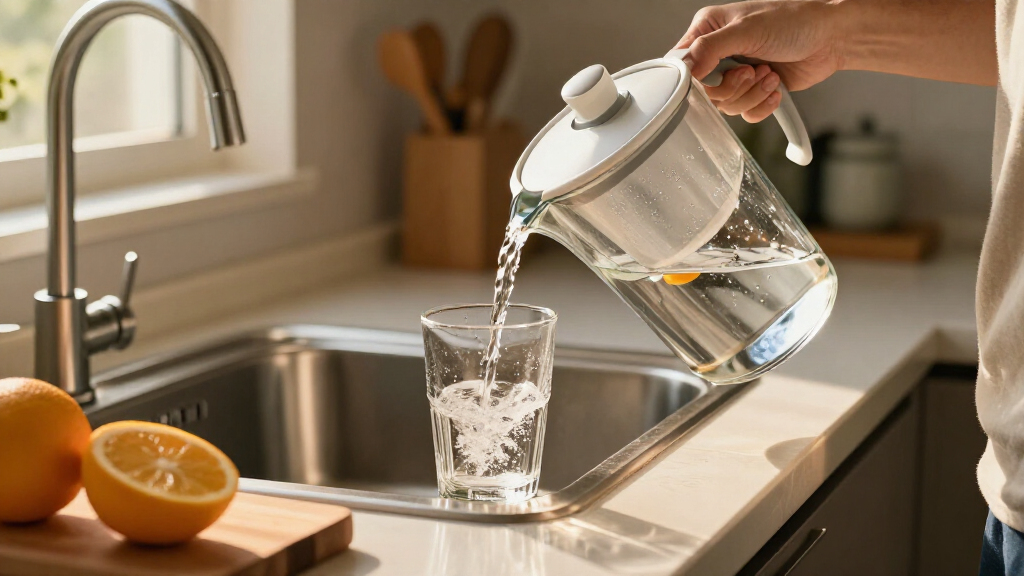
I compared the 13 options by filtration format, stated capacity, installation demands, everyday dispensing, and the kind of maintenance each asks from its owner. I gave weight to whether a product is suited to a clear buyer need—such as a small fridge, a high-volume household, or a kitchen without plumbing access—rather than treating a longer list of stages or a bigger reservoir as automatic proof of better results. Filter claims should be checked against the manufacturer’s documentation and the household’s water report; no single filter is a fit for every contaminant or water source.
The ranking favors useful balance and clear distinctions. The iSpring leads for buyers who want an under-sink RO system, while simpler pitchers rank as accessible options for routine taste and odor concerns. Countertop RO earns a place for households that need more intensive filtration without installation, but its counter footprint and upkeep keep it behind a built-in system for permanent use. Large dispensers and gravity systems rank around capacity and flexibility, not as substitutes for a verified contaminant-specific treatment plan.
| water filter | Certifications |
|---|---|
| iSpring RCC7AK-BN 6-Stage Alka | — |
| Brita Large 10-Cup Water Filte | WQA and NSF/ANSI |
| Waterdrop WFD-40L Water Filter | NSF 42 and NSF 372 |
| Brita UltraMax 27-Cup Water Di | — |
| Purewell 3-Stage Gravity Water | NSF/ANSI 42 and NSF/ANSI 372 |
| Brita Metro 6-Cup Water Filter | WQA and NSF/ANSI |
| Ninja HydraSense Intelligent W | NSF/ANSI 42, 53, and 401 |
| DREO Countertop Reverse Osmosi | — |
| Waterdrop PT-07B 10-Cup Water | NSF/ANSI 42 and 372 |
| Brita UltraMax 27-Cup Filtered | — |
| Brita UltraMax 27-Cup Water Fi | WQA and NSF/ANSI |
| DREO Countertop Reverse Osmosi | — |
| Bluevua RO100ROPOT-UV Countert | — |
Factors to Consider When Choosing Best Water Filters
Before choosing a format, I’d work backward from your water source, household routine, and available space. These broader checks can prevent a common mismatch: buying a filter with more capacity or filtration stages than you need, while missing the certification or maintenance detail that matters most.
Start With the Water You Need to Treat
Get a current water quality report if you use a municipal supply, or arrange testing if your water comes from a private well. A filter’s claims are meaningful only when they cover the contaminant you’re concerned about, and different technologies target different substances. Taste and chlorine odor are not reliable indicators of lead, nitrate, or other contaminants. Check independent certification listings and the exact model number, since certifications can apply to specific claims rather than every possible contaminant. For well water, testing should guide the choice; a general-purpose pitcher may not address the issue. If a report identifies a health concern, use treatment guidance from a qualified water professional or local health authority rather than relying on a broad marketing label.
Choose a Format Around Your Daily Water Routine
A pitcher is easy to place and move, but it stores a limited amount and needs refilling. A dispenser can reduce refill interruptions for a family or shared kitchen, though its filled weight and footprint may make fridge placement awkward. Countertop units avoid plumbing work, but they claim counter space and require access to a power outlet for many powered designs. Under-sink systems keep the main unit out of sight and serve water at the tap, in exchange for installation and cabinet access. Gravity systems can work without electricity or a plumbing connection, but they take up vertical space and may dispense more slowly. Think about where water is consumed most often before selecting a capacity.
Compare Filter Claims, Not Just Filter Stages
A higher stage count does not automatically mean a filter removes more of the substances you care about. Look for clear contaminant-reduction claims, supporting test standards, and certification details tied to the specific product. Reverse osmosis can address a broader set of dissolved contaminants than many basic pitcher filters, but it is not a universal answer and can produce wastewater. Pitcher and dispenser filters are often chosen for taste and convenience, so check their published scope rather than assuming they work like RO. If preserving minerals or changing water taste matters to you, review the system’s treatment and post-filtration details. The best comparison is claim by claim, against your water test, not stage count against stage count.
Calculate Maintenance Before You Buy
Every filter has a replacement schedule, and the interval may depend on both time and gallons processed. A large household can reach a volume limit well before a calendar reminder, while a lightly used unit can still have a time-based replacement requirement. Check the exact replacement cartridge availability and instructions before committing to a system. RO setups may involve several cartridges and more steps than a pitcher, so account for the space needed to service them. Some systems also need cleaning or flushing beyond cartridge changes. Skipping maintenance can undermine performance, so choose a schedule you can realistically follow.
Match Capacity to Household Size Without Overbuying
Capacity should reflect how much filtered water you use between refills, not simply how many people live in your home. A compact pitcher can work well for one person or a small fridge, while frequent cooking and multiple drinkers can make a larger dispenser more convenient. Large reservoirs take longer to refill and occupy more storage space, so they are not automatically the better choice. Countertop RO systems may offer a smaller ready-to-dispense volume than a large dispenser, even when their treatment process is more involved. Consider your peak use, such as filling bottles before work or serving meals, as well as typical daily demand. A modest unit that gets refilled and maintained on schedule can be more practical than an oversized one.
Know When Paying for Reverse Osmosis Makes Sense
RO is most compelling when your water test or verified treatment goal supports that level of filtration, or when you want a dedicated system with documented reduction claims. It is a more involved choice than a pitcher: under-sink models need installation, while countertop versions consume counter space and require routine care. Some RO systems reject water during filtration, so check the manufacturer’s operating details and local water conditions. If your main goal is improving taste and odor, a simpler certified filter may be sufficient. Do not pay for a complex treatment method solely because it sounds more thorough. Let a specific water concern justify the added setup, space, and maintenance.
Frequently Asked Questions
Should I choose reverse osmosis or a pitcher filter?
I’d choose based on the contaminants you need to address, not on the assumption that one format is always better. Reverse osmosis systems can reduce a wider range of dissolved substances when the specific model has supporting claims, but they require more setup and maintenance. Pitchers are simpler for water taste and everyday convenience, though their stated reduction claims are narrower. Compare the exact filter documentation with your water report before deciding. If you do not have a specific treatment need, a complex system may add work without a useful benefit.
Can a water filter make well water safe to drink?
Not by default: well water can contain contaminants that a general-purpose pitcher or dispenser filter is not designed to remove. I’d start with a lab test that covers the risks relevant to your well and location, then select treatment based on those results. Check that the chosen model has a documented reduction claim for each identified contaminant. A filter also cannot replace regular well testing or maintenance. For a health-related result, ask a qualified water professional or local health authority what treatment is appropriate.
Is a large dispenser better than a pitcher for a family?
A dispenser can reduce how often a household refills, which is useful when several people drink filtered water throughout the day. A pitcher takes up less space and can be easier to lift, pour, and store in a crowded refrigerator. Compare usable capacity with the space available and how often you can refill the unit. Also check whether the dispenser’s filter is the version you want; similarly named models in this roundup come with different filter configurations. If demand is modest, a large reservoir may add bulk without changing your routine much.
What should I check before buying a countertop reverse osmosis filter?
Measure the counter space and confirm access to the power or water connections the unit requires. Review the filter replacement process, cleaning instructions, and the capacity available for ready-to-drink water, since countertop systems can differ in how they store and dispense treated water. Verify the specific contaminant claims rather than relying on the RO label alone. Ask whether the system produces wastewater and what the manufacturer says about operation. If you are renting, a countertop model avoids under-sink installation, but it still needs a permanent spot in your kitchen.
How do I know when to replace a water filter?
Follow the model’s replacement guidance, which may set a time limit, a gallon limit, or both. Household usage affects how quickly a cartridge reaches its capacity, so a calendar estimate alone may not tell the whole story. Some products include an indicator, but I’d check what it measures and whether it tracks actual filter use or simply elapsed time. Keep replacement instructions and the correct cartridge model handy before the first change is due. If water flow or taste changes, consult the manual rather than assuming a cartridge is the only possible cause.
Conclusion
For a permanent, higher-involvement setup, I’d choose the iSpring RCC7AK-BN as best overall; its under-sink RO format is strongest for buyers who value a dedicated system and accept installation. The Brita Large 10-Cup Pitcher is my best value-style choice for straightforward daily use, while the Brita Metro is best for beginners who want a compact, simple starting point. For a premium countertop route without under-sink plumbing, compare the DREO and Bluevua RO systems against your available space and maintenance tolerance. Choose a large Brita UltraMax dispenser or Waterdrop dispenser for higher-volume storage, and consider the Purewell gravity system when power-free dispensing matters. Before settling on any model, match its verified filter claims to your water needs; that check matters more than capacity or stage count alone.
Halloween Picks
halloween
As an affiliate, we earn on qualifying purchases.