
TL;DR

Get kitchen gear delivered free with Prime
- Fast, free delivery on millions of items
- Prime Video, Amazon Music and more included
- Member-only deals all year
To make sauerkraut in a crock, shred cabbage, salt generously, pack tightly, and let it ferment at 65-75°F for 1-4 weeks. Proper submersion and patience are key to good results.
Use a food-grade ceramic or stoneware crock with a weight to keep cabbage submerged.
Salt thoroughly—around 2% of the cabbage weight—to draw out moisture and prevent spoilage.
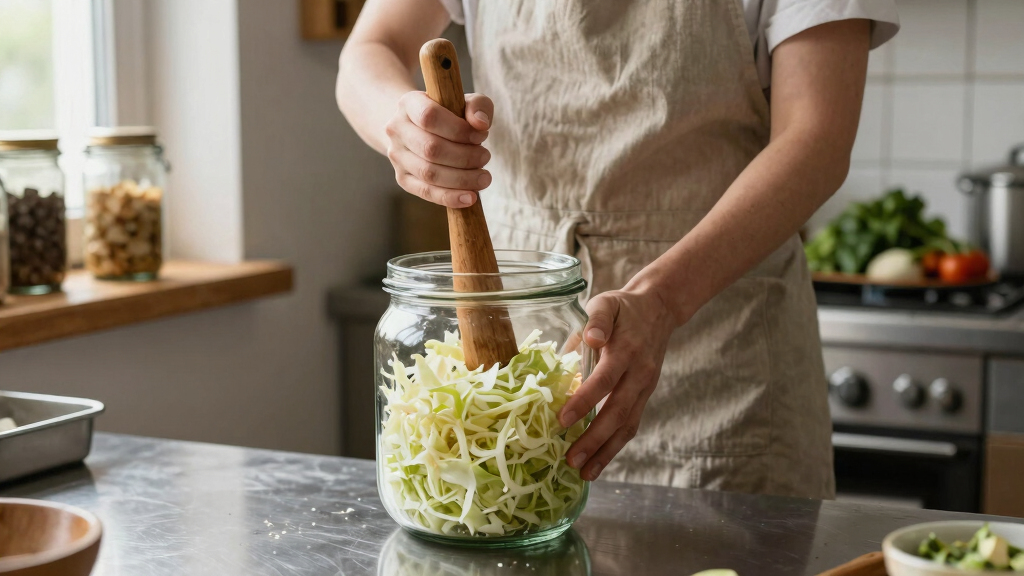
Pack tightly to eliminate air pockets, pressing the cabbage into a brine that covers everything.
Maintain a steady temperature between 65-75°F for consistent fermentation and flavor development.
Check regularly for mold or scum—remove surface mold immediately, but don’t disturb the submerged cabbage.
Choose the Right Crock and Keep It Clean
Starting with a proper crock makes all the difference. A food-grade ceramic or stoneware crock, ideally with a lid or fermentation weight, creates a non-reactive environment for your cabbage. Avoid metal containers—metals can react with the acids during fermentation, causing off-flavors and discoloration. Keep everything squeaky clean: wash your crock, utensils, and workspace thoroughly with hot water and vinegar or a mild soap. Dirt and residual bacteria can spoil your batch.
For example, a 2-gallon ceramic crock often provides enough space for a small family’s weekly sauerkraut supply. It’s sturdy, easy to clean, and won’t impart unwanted flavors. Remember, a little extra space helps when packing tightly and pressing down the cabbage.
food grade ceramic fermentation crock
As an affiliate, we earn on qualifying purchases.
As an affiliate, we earn on qualifying purchases.
Pick and Prepare the Perfect Cabbage
Fresh, firm, green or white cabbage is your best bet. Bright, crisp heads with tight leaves indicate freshness. Remove the outermost leaves—those are usually rough and dirt-laden—then shred the cabbage finely or coarsely, depending on your preference. A sharp knife or mandoline makes quick work of this.
Salt is your secret weapon. Use about 2% of the cabbage’s weight—for example, 2 pounds of cabbage needs about 1 teaspoon of salt. Salt draws out moisture and inhibits spoilage bacteria, creating a safe environment for fermentation. Mix the shredded cabbage with salt thoroughly, then knead or massage for 5-10 minutes. The cabbage will start releasing its juices—this brine is essential.
Understanding why salt is critical helps you control the fermentation process. Proper salting not only prevents spoilage but also influences the final flavor—too little salt can lead to mold or undesirable bacteria, while too much can inhibit fermentation altogether. The balance ensures a safe, flavorful product.
fermentation weight for sauerkraut
As an affiliate, we earn on qualifying purchases.
As an affiliate, we earn on qualifying purchases.
Pack Tightly and Keep It Submerged
Now, it’s time to fill your crock. Pack the salted cabbage in layers, pressing down firmly with your hands or a tamper. Aim to eliminate air pockets—air equals mold risk. As you pack, the cabbage juices will rise and create a natural brine that covers the shredded material. If it’s not enough, add a pinch more salt and knead it in.
Use a fermentation weight or a clean plate topped with a weight—something heavy enough to keep the cabbage submerged under its juices. This prevents oxygen exposure, which can cause mold or spoilage. Think of it like pressing a fruit-and-berry mixture for jam—pressure keeps everything under the surface.
Ensuring the cabbage remains submerged is crucial because oxygen exposure encourages mold growth and the proliferation of undesirable bacteria. Proper packing and weight application create an anaerobic environment, which is essential for lactic acid bacteria to thrive and produce the tangy flavor characteristic of good sauerkraut. Skimping on this step can result in spoilage or inconsistent fermentation, so take your time to press and weigh thoroughly.
As an affiliate, we earn on qualifying purchases.
Create the Perfect Fermentation Environment
Maintain a steady temperature between 65-75°F (18-24°C). Too hot, and fermentation speeds up too fast; too cold, and it stalls. Cover the crock with a cloth or a fermentation lid that allows gases to escape, preventing pressure buildup while keeping dust and insects out. During fermentation, gases like carbon dioxide are released—venting prevents pressure from cracking your crock.
For example, a cool basement or a pantry with stable temperature works well. Check your sauerkraut every few days—look for bubbles, a clean sour smell, and no mold. If mold appears on the surface, remove it immediately, but don’t disturb the cabbage underneath.
Setting the right environment is about more than just temperature; it’s about creating conditions that favor beneficial bacteria while inhibiting spoilage organisms. Fluctuations in temperature or exposure to contaminants can introduce unwanted microbes, which may outcompete the good bacteria or produce off-flavors. Consistent monitoring and maintaining a clean, stable environment ensure your sauerkraut develops its full potential in flavor and probiotic content.
As an affiliate, we earn on qualifying purchases.
Know How Long to Ferment for Flavor
Fermentation time varies from 1 to 4 weeks depending on your taste and temperature. A week produces a mildly tangy kraut; four weeks yields a deep, sour flavor. Taste test after 7 days—scoop out a small piece, and if it’s tangy enough, you can refrigerate or transfer it to smaller jars for storage.
Understanding the timing is about balancing flavor development with safety. Longer fermentation allows more lactic acid to form, which not only enhances the sourness but also acts as a natural preservative. However, overfermentation can lead to overly sour or mushy texture. Regular tasting helps you find that sweet spot—where the flavor is vibrant but still crisp. If you prefer a milder flavor, shorter fermentation is better; for a more pronounced tang, extend the process carefully.
Store and Keep Your Sauerkraut Fresh
Once it reaches your preferred flavor, transfer the sauerkraut into smaller jars or keep it in the original crock. Store it in a cool, dark place like a cellar or the back of your fridge. The colder environment slows fermentation, preserving the flavor and texture. Always keep the cabbage submerged under its brine—this is key to preventing spoilage and mold.
In a typical home setting, a cool basement or root cellar can keep sauerkraut good for several months. If refrigerating, it can last even longer—up to a year, as long as it stays submerged and the container is sealed.
Proper storage not only preserves the sauerkraut but also allows the flavors to mature and develop further. As fermentation slows in colder environments, the probiotic bacteria remain active, maintaining health benefits. However, if stored improperly—exposed to air or fluctuating temperatures—the sauerkraut can spoil or lose its probiotic potency. Ensuring a consistent, cool, dark environment is the key to long-term enjoyment and health benefits.
Recent Trends and Tips for Better Ferments
Today’s fermenters focus on natural, additive-free methods. Many use traditional techniques—minimal intervention, no preservatives, just salt and patience. Fermentation kits with weights and lids have made the process easier and more foolproof.
Flavor variations are trending—try adding caraway seeds, juniper berries, or apple slices during packing. These ingredients add complexity but may slightly extend fermentation time. Always keep an eye on the environment—you want a steady, cool temperature and a clean workspace.
Frequently Asked Questions
How long does it take to make sauerkraut in a crock?
Typically 1 to 4 weeks. Shorter ferments yield milder flavor, while longer ones develop a tangier, more complex taste. Temperature and personal preference influence timing.Do I need special equipment?
A food-grade ceramic or stoneware crock, salt, and a weight are essential. A sharp knife or shredder makes prep easier. Other tools like fermentation weights help keep everything submerged.How do I know if my sauerkraut is fermenting properly?
Bubbles, a tangy smell, and a sour taste are signs of healthy fermentation. No mold or foul odors should be present. If mold appears, scrape it off and ensure the cabbage stays submerged.Can I make sauerkraut without a crock?
Yes. Jars with fermentation lids and weights work well. However, crocks offer more space and stability for larger batches, especially for off-grid setups.What if mold or scum forms on top?
Remove it immediately. As long as the cabbage underneath remains submerged and free of mold, the sauerkraut is safe to eat and will still develop good flavor.Conclusion
Making sauerkraut in a crock is about patience, cleanliness, and attention to detail. With a few simple tools and a steady hand, you turn humble cabbage into a jar of probiotic-rich flavor that lasts for months. Remember, the process is as much about enjoying each step as it is about the final tangy crunch—so get your hands dirty and savor it.Halloween Picks
halloween
As an affiliate, we earn on qualifying purchases.