
TL;DR

Get kitchen gear delivered free with Prime
- Fast, free delivery on millions of items
- Prime Video, Amazon Music and more included
- Member-only deals all year
Certain foods like grains, dried beans, and freeze-dried products can last decades if stored properly. Using airtight packaging in cool, dark environments extends their usability and nutritional value, making them essentials for off-grid prepping.
What Actually Lasts
Certain foods like grains, dried beans, honey, and freeze-dried products can last for years or even decades when packed airtight and kept cool, dark, and dry. The real advantage is knowing which staples earn pantry space, how to seal them, and when rotation still matters.
White rice stored airtight below 70°F can last up to 30 years.
The foods that survive the long haul
The winners share a simple pattern: low moisture, stable structure, and packaging that blocks oxygen, pests, and humidity. Shelf life is not only about the food itself; it is about the environment you build around it.
White rice, wheat, oats
Low moisture and low oil content make many grains dependable staples. White rice outlasts brown rice because it contains less fat that can turn rancid.
Beans, lentils, peas
Dried legumes can remain usable beyond a decade, though older beans may need longer soaking and cooking as their texture hardens over time.
Freeze-dried foods
Removing nearly all moisture gives fruits, vegetables, and meats a 25-30 year window when sealed in oxygen and moisture barrier packaging.
Shelf life comparison
The longest-lasting foods are not always the freshest tasting, so a resilient pantry balances decades-long staples with rotated cans, flavor builders, and nutrient-dense options.
| Food Type | Shelf Life | Best Storage Conditions | Decade Ready | Tradeoff |
|---|---|---|---|---|
| White rice | Up to 30 years | Airtight, cool, dry, below 70°F | ✓ Strong | Milder nutrition than whole grain rice |
| Dried beans | 10+ years | Dark, moisture-proof, pest-proof | ✓ Strong | Longer cook time as beans age |
| Freeze-dried fruits/meats | 25-30 years | Oxygen and moisture barrier packaging | ✓ Strong | Higher cost, specialized processing |
| Canned foods | 2-5 years, sometimes longer | Cool, dark, undented, pest-proof | ~ Rotate | Shorter official dates and heavier storage |
| Honey | Indefinite | Sealed, cool, protected from moisture | ✓ Strong | Crystallizes but remains usable |
| Fresh produce or dairy | Days to weeks | Requires preservation or refrigeration | ✗ Avoid | Perishable without processing |
Packaging is the shelf-life multiplier
Mylar bags with oxygen absorbers, vacuum sealing, canning, and freeze-drying all work by controlling the same enemies: oxygen, moisture, pests, light, and heat. Poor sealing can shorten the life of even the best storage foods.
Dry the food
Start with low-moisture staples or professionally dehydrated and freeze-dried products.
Block oxygen
Use oxygen absorbers, vacuum sealing, or canning to slow oxidation and spoilage.
Stop moisture
Choose airtight, moisture-proof barriers and avoid damp storage areas.
Keep it cool
Store below 70°F whenever possible, away from sunlight and temperature swings.
Shelf-life signals in the data
Long-term storage succeeds when food choice and storage conditions point in the same direction. These CSS-only visuals show the practical spread between pantry categories and the temperature target that protects them.
Maximum typical storage window
Storage temperature target
Rule of thumb: cool, dark, and dry storage protects nutritional value, flavor, and texture. Heat accelerates rancidity, can damage packaging, and makes pest control harder.
Traceability: from pantry choice to real resilience
Build around durable staples
White rice, dried beans, honey, wheat, oats, powdered basics, and freeze-dried foods form the backbone of a long-term pantry. Pair them with fats, spices, and canned foods that you rotate more often.
Storage mistakes cost years
Moisture, oxygen, heat, light, and pests are the main shelf-life killers. Invest in packaging first, then maintain a cool storage zone and check seals on a regular schedule.
What Foods Last the Longest? The Top 5 Surprising Survivors
Some foods naturally last longer than you think. When stored properly, certain staples can survive for decades. For example, white rice can stay edible for up to 30 years, and dried beans often stretch beyond 10 years. Meanwhile, freeze-dried fruits and meats can last 25-30 years, making them reliable backup options.
Understanding why these foods last so long helps clarify their importance in a prepper’s pantry. For instance, white rice’s long shelf life is due to its low moisture content and inert packaging, which inhibit bacterial growth. Dried beans’ durability hinges on their low moisture and the natural resistance of legumes to spoilage. Freeze-dried foods remove nearly all moisture, creating an environment where bacteria and mold cannot thrive, thus extending their usability. Recognizing these factors guides you in choosing the right foods and storage methods to maximize longevity. It’s not just about what lasts, but why it lasts, which influences how you should handle and store each item for optimal results.
| Food Type | Typical Shelf Life | Best Storage Conditions |
|---|---|---|
| White rice | up to 30 years | Airtight, cool, dry |
| Dried beans | 10+ years | Dark, moisture-proof |
| Freeze-dried fruits/meats | 25-30 years | Oxygen/moisture barrier |
| Canned foods | 2-5 years (sometimes longer) | Cool, dark, pest-proof |
| Honey | Indefinite | Sealed, cool |
These foods shine because of their low moisture content, stable packaging, and natural resistance to spoilage. Their longevity is a tradeoff—often, they lack fresh flavor or nutrients after long storage, so balancing shelf life with nutritional value and taste is key. Knowing these tradeoffs helps in planning a balanced, reliable emergency supply that can last without sacrificing too much quality over time.
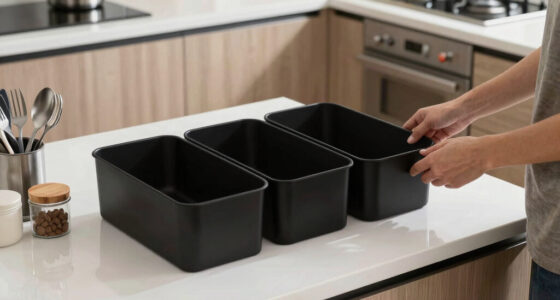
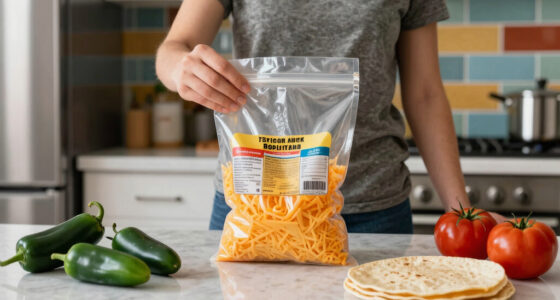
long term food storage airtight containers
As an affiliate, we earn on qualifying purchases.
As an affiliate, we earn on qualifying purchases.
How Proper Packaging Keeps Food Fresh for Decades
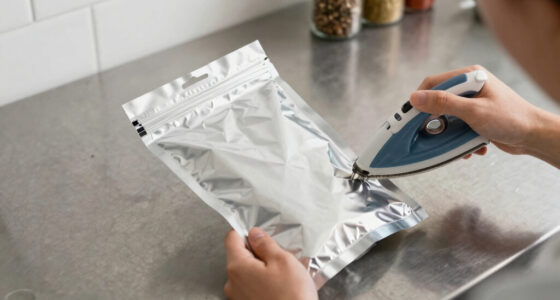
Storage isn’t just about what you put the food in, but how you seal it. Mylar bags with oxygen absorbers are a game-changer for dry goods. They block out oxygen and moisture, the two biggest enemies of long-term storage. This prevents oxidation, which degrades nutrients and causes rancidity, and also inhibits mold and bacterial growth. Proper packaging creates a micro-environment that preserves food quality far beyond typical storage methods.
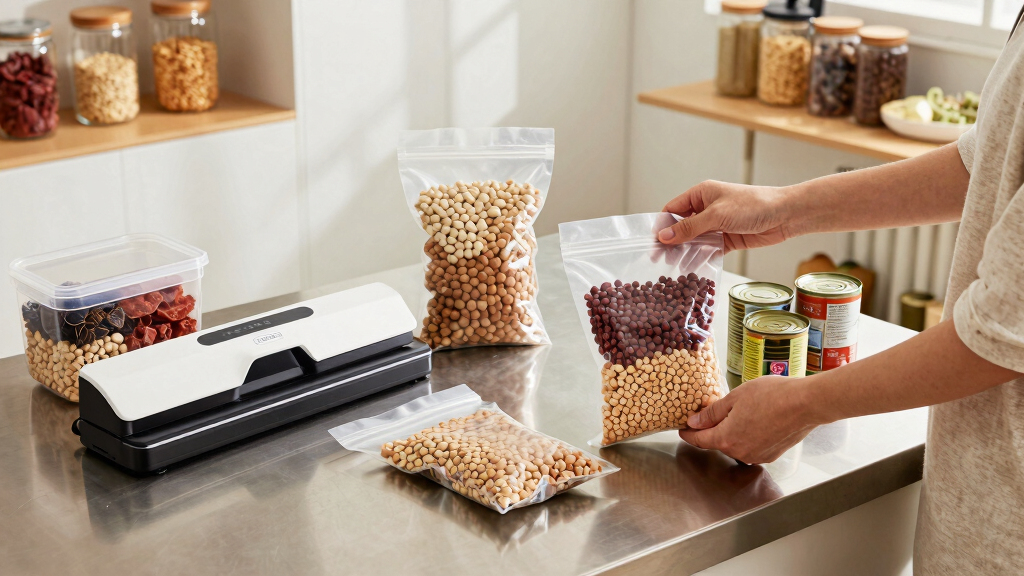
Vacuum sealing works well for meats and perishables, removing nearly all air to prevent spoilage. It’s especially effective for items you plan to use within a few years, or for short-term emergency supplies. Canning, particularly pressure canning, sterilizes foods inside jars, creating a hermetic seal that prevents pests and bacteria from entering. Freeze-drying removes nearly all moisture, making foods incredibly lightweight and shelf-stable, but requires specialized equipment. The choice of packaging impacts shelf life significantly—poor sealing or moisture ingress can drastically shorten storage duration, making proper packaging techniques essential for maximizing longevity. Investing in quality packaging is a small price for decades of reliable storage, and understanding these techniques enables you to tailor your storage approach to each food type’s needs.
For example, vacuum-sealing a batch of dried beans and placing them in a cool, dark closet can keep them viable for a decade or more. This reduces the risk of spoilage and preserves nutritional content, especially if combined with oxygen absorbers. Good packaging is the foundation of a resilient long-term storage strategy—fail to pack properly, and even the best foods can spoil prematurely, wasting your resources and planning efforts.
As an affiliate, we earn on qualifying purchases.
As an affiliate, we earn on qualifying purchases.
As an affiliate, we earn on qualifying purchases.
Halloween Picks
halloween
As an affiliate, we earn on qualifying purchases.