
TL;DR

Get kitchen gear delivered free with Prime
- Fast, free delivery on millions of items
- Prime Video, Amazon Music and more included
- Member-only deals all year
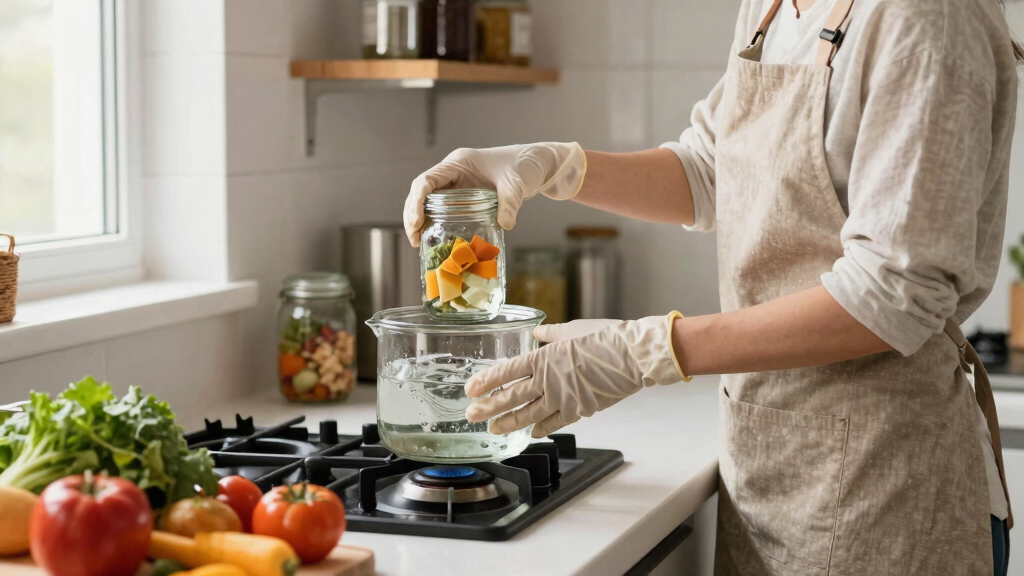
Water-bath canning is safe only for high-acid foods like fruits and jams. Low-acid foods, such as vegetables and meats, need pressure canning to reach the high temperatures that kill bacteria. Using the right method prevents foodborne illnesses and preserves your harvest safely.
High-acid foods like fruits and jams can be safely canned with water-bath methods, thanks to their natural acidity.
Low-acid foods—including vegetables, meats, and seafood—must be pressure canned at 240°F or higher to kill bacteria spores.
Always follow tested recipes and processing guidelines from reputable sources to prevent foodborne illnesses.
Inspect canned jars carefully—no bulging lids, no mold, no off-odors—before storing or eating.
Understanding your food’s pH level is the key to choosing the right canning method and ensuring safety.
Why Your Food’s pH Level Determines Its Canning Method
Water-bath canning is safe only for foods with a pH of 4.6 or lower—meaning they’re high-acid. Think of ripe berries, apple jams, and pickles. These foods naturally resist bacteria growth because their acidity creates an inhospitable environment. Low-acid foods, like green beans, carrots, and meats, have a pH above 4.6. These require higher temperatures—reached only through pressure canning—to kill bacteria and spores.
Understanding this distinction is crucial because it directly impacts food safety. High-acid foods create an environment where bacteria cannot thrive, making water-bath canning effective and safe. Conversely, low-acid foods can harbor spores that produce dangerous toxins if not destroyed at sufficiently high temperatures. Failing to recognize this difference can lead to serious health risks, including botulism, which can be fatal. Therefore, knowing your food’s pH isn’t just a technical detail—it’s the foundation of safe home canning. Using the wrong method compromises safety and can result in spoilage or illness, which is why this knowledge is essential for every home preserver.
As an affiliate, we earn on qualifying purchases.
Foods That Love Water-Bath Canning (And How to Spot Them)
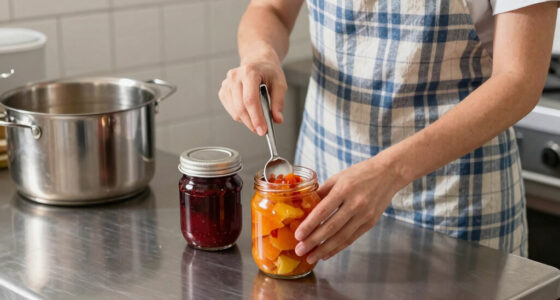
Water-bath canning is perfect for foods with a pH of 4.6 or lower—like most fruits, jams, jellies, fruit juices, and pickles. These foods have a natural acidity that prevents bacterial growth during processing.
- Fruits: peaches, strawberries, cherries
- Jams and jellies: strawberry jam, grape jelly
- Pickles and relishes: cucumber pickles, chutneys
- Fruit juices: apple cider, cranberry juice
Choosing the right foods for water-bath is about understanding their natural composition. Fruits and sugary jams are naturally high in acid, which is why they are ideal for this method. When you process them correctly, the heat destroys surface bacteria and inactivates enzymes, preserving flavor and preventing spoilage. The boiling water bath also creates a vacuum seal as jars cool, preventing new bacteria from entering. This process is efficient, effective, and safe for these high-acid foods, making it the go-to method for preserving the flavors of summer and early fall harvests. Recognizing these foods and their properties ensures your canned goods remain safe and delicious for months or years.
As an affiliate, we earn on qualifying purchases.
Why Low-Acid Foods Need Pressure Canning (No Exceptions)
Low-acid foods have a pH above 4.6, which means they can harbor bacteria like *Clostridium botulinum*, the bacteria behind botulism. Water-bath canning simply can’t reach the 240°F (116°C) temperature needed to destroy these spores.
Imagine a pot of boiling water—at 212°F. It might seem hot enough, but it’s not. That’s why pressure canners, which reach 240-250°F, are essential for foods like green beans, corn, meats, and seafood.
Understanding this temperature difference is vital because spores of *Clostridium botulinum* can survive boiling water temperatures but are destroyed only at higher temperatures achieved under pressure. If these spores survive, they can produce deadly toxins in the sealed jar without any visible signs of spoilage. This is why pressure canning isn’t just a precaution—it’s a necessity for these foods. The tradeoff is that pressure canning requires more equipment, attention to detail, and precise timing, but this investment is essential for safety. The consequences of neglecting this step can be severe, including illness or death. Hence, always use a pressure canner for low-acid foods and follow tested recipes meticulously to ensure your preserves are safe for long-term storage.
As an affiliate, we earn on qualifying purchases.
Frequently Asked Questions
Can I water-bath can vegetables?
No. Vegetables are low-acid foods and require pressure canning to be safe. Using water-bath on vegetables risks bacteria growth and botulism.Is it safe to can tomatoes using water-bath?
It depends on the tomato’s acidity. Ripe, vine-ripened tomatoes are borderline; adding lemon juice or vinegar increases acidity, making water-bath safe. Otherwise, pressure canning is recommended.What are the risks of improper canning?
The biggest risk is *Clostridium botulinum* bacteria surviving and producing toxin. Improper methods can lead to food poisoning or even death. Always follow tested guidelines.Can I convert a pressure canning recipe for water-bath?
No. Recipes are tested for specific methods. Altering them can compromise safety, especially for low-acid foods. Stick to recommended procedures.How do I know if my canned food is safe?
Check for proper seals, no bulging lids, and a clean, fresh smell when opened. If anything looks or smells off, discard the jar. Better safe than sorry.pH test strips for food preservation
As an affiliate, we earn on qualifying purchases.
As an affiliate, we earn on qualifying purchases.
Conclusion
Knowing which foods can safely go into water-bath or pressure canning is the difference between a pantry full of safe, delicious preserves and a health hazard. Always match your food’s acidity with the right method, and stick to tested recipes. Your safety and peace of mind depend on it. When in doubt, remember: safety first, and your future self will thank you.Fall Picks
fall essentials
As an affiliate, we earn on qualifying purchases.