
TL;DR

Get kitchen gear delivered free with Prime
- Fast, free delivery on millions of items
- Prime Video, Amazon Music and more included
- Member-only deals all year
Dehydrating food removes moisture, stopping bacteria and mold from spoiling it. Using simple tools like dehydrators or ovens, you can preserve fruits, vegetables, and meats easily. Proper prep, temperature, and storage are key to success.
Imagine biting into a piece of dried apple that’s both sweet and chewy, or grabbing a handful of jerky that’s packed with flavor. Dehydrating food at home isn’t just about preservation — it’s about creating shelf-stable snacks and ingredients that taste fresh, even months later.
If you’ve ever wondered how to turn summer’s bounty into long-lasting treasures, this guide will walk you through the basics. From simple tools to smart techniques, you’ll learn how to dry foods safely and efficiently, even with minimal equipment.
Use uniform slices—about 1/8 inch thick—for even drying.
Maintain temperatures around 125°F–135°F for fruits and vegetables, and higher for jerky.
Store dried foods in airtight, dark containers away from moisture and heat.
Check for dryness by bending or snapping; avoid soft, leathery textures.
Dehydration reduces food weight by up to 90%, making storage and transport much easier.
What is dehydration and why is it a game-changer?
Dehydration is the process of removing moisture from food, which halts bacteria, mold, and yeast from growing. This naturally extends shelf life, reduces weight and volume, and concentrates flavors. Think of a dried tomato that’s twice as intense in taste or fruit leather that keeps all its sweetness without the mess.
Proper dehydration isn’t just about removing water; it’s about understanding the balance between moisture removal and preserving the food’s texture, flavor, and nutrients. If you dry foods too quickly or at too high a temperature, you risk cooking or damaging delicate nutrients, which can diminish flavor and health benefits. Conversely, inadequate drying leaves residual moisture, risking spoilage. Achieving the right balance ensures your dried foods are safe, tasty, and long-lasting. It’s a low-tech, cost-effective method that can transform fresh produce into pantry staples, especially valuable in off-grid or resource-limited settings.
As an affiliate, we earn on qualifying purchases.
Which foods dry best and how to prep them for drying
Not all foods dehydrate equally well, and understanding why helps you optimize your results. Fruits like apples, berries, and bananas contain sugars and acids that help preserve flavor and texture during dehydration, making them ideal for snacks. Vegetables such as tomatoes, peppers, and carrots are low in moisture but high in flavor, and when dried, they become lightweight, versatile ingredients for soups, stews, or salads. Herbs dry quickly and retain their aromatic oils, making them excellent for seasoning long after harvest.
Prep is crucial because it affects how evenly foods dry and how well they retain flavor and color. Washing thoroughly removes dirt and bacteria. Peeling or coring can prevent spoilage and improve texture, especially for items like apples or peaches. Slicing uniformly ensures that all pieces dry at the same rate, reducing the risk of mold or spoilage. Pre-treatments like lemon juice or blanching serve specific purposes: lemon prevents enzymatic browning in fruits, maintaining their bright appearance and flavor, while blanching inactivates enzymes that can cause spoilage or loss of color in vegetables. These steps are tradeoffs—adding time and effort but significantly boosting quality and shelf life.
As an affiliate, we earn on qualifying purchases.
How to dehydrate food with different methods — pros and cons
Dehydration methods vary from sun drying to modern electric dehydrators, each with distinct advantages and tradeoffs that influence the quality, safety, and convenience of your preserved foods.
Sun drying is the most cost-effective and energy-efficient method, relying on natural heat and airflow. However, it’s highly weather-dependent and exposes food to dust, insects, and contamination risks. It also takes longer and offers less control over temperature, which can lead to uneven drying or spoilage if humidity rises unexpectedly.
Air drying, often used for herbs, requires a controlled environment with good airflow and low humidity. It’s slower but yields high-quality dried herbs and delicate items. Yet, it’s less practical for bulk food preservation due to environmental limitations.
Oven drying is accessible and quick, but it consumes more energy and makes temperature control a challenge. Many home ovens don’t have precise low-temperature settings, risking partial cooking or uneven dehydration. Leaving the oven door slightly open helps moisture escape but can be unsafe or inefficient if not monitored carefully.
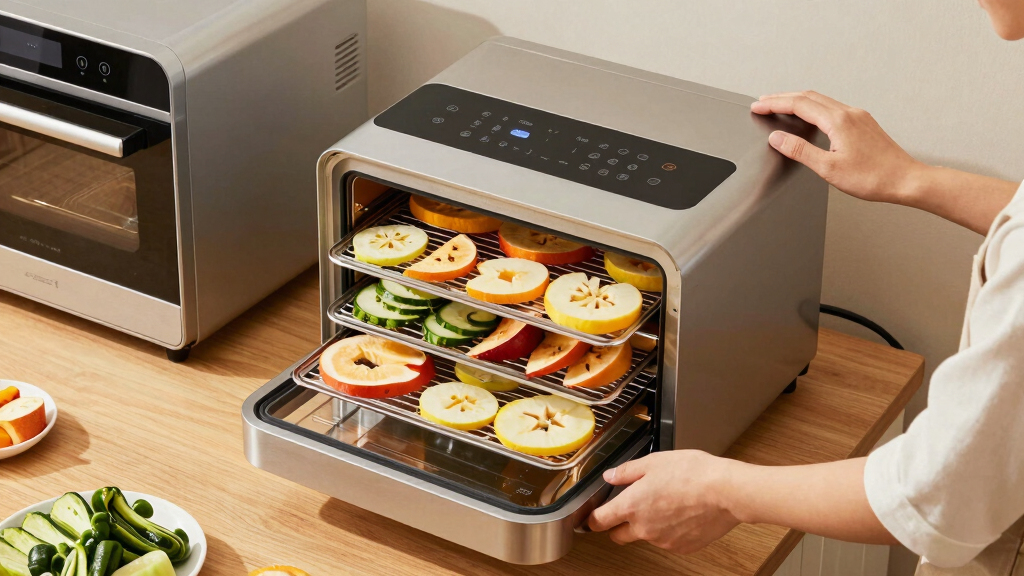
Electric dehydrators provide consistent, adjustable temperatures and even airflow, leading to predictable, high-quality results. The initial investment can be a barrier, but they’re especially useful for frequent or large-scale dehydration. They also reduce the risk of contamination and spoilage, making them the safest choice for meats and high-moisture foods. The tradeoff is space and cost, but for serious preservation, they often pay for themselves in quality and reliability.
As an affiliate, we earn on qualifying purchases.
Getting the temperature right — why it matters and how to do it
Temperature control is vital because it influences both the safety and quality of your dried foods. Too high a temperature can cook or burn delicate produce, destroying nutrients and flavor, while too low a temperature results in incomplete drying, risking mold and bacterial growth. For fruits and vegetables, drying around 125°F–135°F (52°C–57°C) strikes a good balance, efficiently removing moisture without damaging cells or nutrients. For meats like jerky, slightly higher temperatures—around 145°F—are necessary to eliminate pathogens, ensuring safety.
Using a dehydrator with adjustable temperature settings allows precise control, which is crucial for different foods. When oven drying, setting your oven to its lowest setting (often around 170°F) and propping the door open slightly facilitates moisture escape while preventing overheating. Monitoring temperature with an oven thermometer or a dedicated dehydrator’s digital display ensures consistent results and reduces spoilage risk. Proper temperature management preserves the food’s texture, flavor, and nutritional value, and prevents over-drying or uneven results that compromise shelf life and safety.
As an affiliate, we earn on qualifying purchases.
How to tell when your food is perfectly dried
Knowing when food is properly dried is essential to ensure safety, maximize shelf life, and maintain quality. Properly dried foods should be leathery or brittle, with no residual moisture. For fruits, a simple test is to bend a slice; it should crack or snap without feeling sticky or moist inside. Vegetables should be crispy and break easily. If the food feels soft, chewy, or leathery without cracking, it needs more drying time. Over-dried foods can become tough and lose flavor, while under-dried items are prone to mold and spoilage.
For example, dried apple slices should bend slightly but crack when bent, indicating sufficient dehydration. Jerky should be firm but flexible, not greasy or overly soft. Using a food moisture meter or weighing the food before and after drying can provide quantitative confirmation, but visual and tactile cues are most practical for home drying. Investing a little extra drying time ensures your foods are safe, flavorful, and long-lasting, reducing waste and spoilage risks.
How to store dehydrated foods — keeping them fresh and safe
Proper storage is key to maintaining the quality, safety, and nutritional value of your dried foods over time. Once foods are fully cooled, store them in airtight containers—such as glass jars, vacuum-sealed bags, or mylar pouches with oxygen absorbers. These prevent moisture from re-entering and protect against air, light, and pests. Keep containers in a cool, dark, and dry place—like a pantry or cellar—to slow down oxidation and preserve flavor. High humidity and temperature fluctuations can cause condensation, leading to mold and spoilage, so stable conditions are essential.
For example, dried herbs stored in airtight jars away from sunlight retain their aroma and potency longer. Label all packages with the date of drying and contents to track freshness. Using oxygen absorbers or vacuum sealing extends shelf life by reducing oxidation and microbial growth. If moisture or mold appears, discard the food immediately to prevent contamination. Proper storage transforms your dried bounty into a reliable, long-term pantry staple, reducing waste and ensuring safety.
Troubleshooting common dehydration problems
Uneven or incomplete drying can be frustrating, but understanding the underlying causes helps you troubleshoot effectively. Thick slices take longer to dry and may retain residual moisture, increasing spoilage risk. Ensuring uniform slicing helps all pieces dry at the same rate, reducing mold and bacteria growth. If mold or spoilage appears, it’s often due to excess moisture, improper storage, or insufficient drying time. Mold indicates that some areas retained moisture or bacteria were present, so discard the affected food to avoid health risks.
Humidity and poor airflow are common culprits causing uneven drying or mold. Using a dehydrator with good circulation or drying in a low-humidity environment improves results. Pre-treatments like lemon juice for fruits or blanching for vegetables can help prevent enzymatic browning and spoilage, extending shelf life. If you notice sticky or leathery textures instead of crispness, increase drying time or temperature slightly. Adjusting your process based on these issues ensures safer, better-preserved foods with longer shelf lives.
Frequently Asked Questions
Is home dehydration safe?
Yes, when you follow proper techniques—correct temperatures, thorough drying, and safe storage—dehydration is a safe preservation method. It’s important to avoid drying high-fat foods like oily nuts or seeds, which can go rancid or mold.
How do I know when food is fully dried?
Fully dried food should be leathery or brittle, with no visible moisture. Test by bending or breaking; it should crack or snap easily. If it feels soft or chewy, it needs more time.
Can I dehydrate foods without special equipment?
Absolutely. Sun drying and oven drying are options, but require more attention and have limitations. A dedicated dehydrator offers consistent, safe results and is often worth the investment for frequent use.
How long does dehydration take?
It varies widely—fruits may take 6 to 12 hours, vegetables around 4 to 10 hours, and meats like jerky about 4 to 8 hours. Thin slices dry faster, thicker ones need more time.
How should I store dehydrated foods?
Keep them in airtight containers, away from light and moisture. Use glass jars, vacuum-sealed bags, or mylar pouches with oxygen absorbers. Store in a cool, dark pantry for best results.
Conclusion
Dehydrating food at home is simple once you understand the basics. It’s a reliable way to preserve seasonal abundance, cut down waste, and craft healthy snacks. With a little prep and attention to detail, you can turn fresh harvests into long-lasting staples that taste just as good months later.
Think of dehydration as turning summer’s bounty into a compact, flavorful treasure chest—ready whenever you are. Grab your knife, set your dehydrator, and start drying. Your pantry will thank you.
Fall Picks
fall essentials
As an affiliate, we earn on qualifying purchases.