
TL;DR

Get kitchen gear delivered free — and shop member deals
- Fast, free delivery on millions of items
- Access to Prime Big Deal Days deals on October 6–7
- Prime Video, Amazon Music and more included
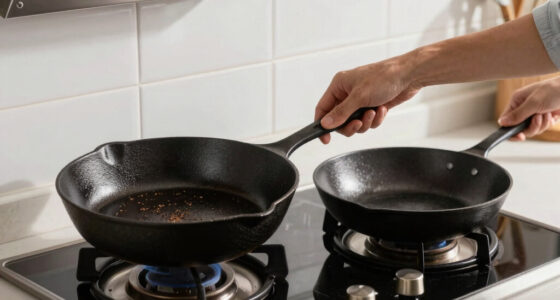
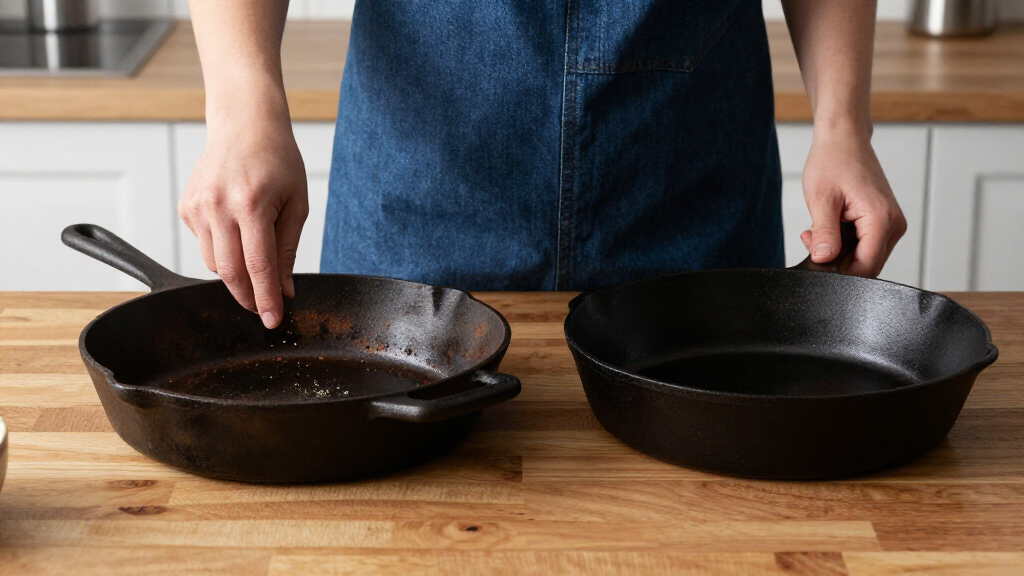
Vintage cast iron often features thicker, high-quality material and handcrafted details, lasting for generations. Modern cast iron introduces easier maintenance, lighter weight, and enamel options, but quality varies.
Vintage cast iron often features thicker walls, making it more durable and better at heat retention, but it’s heavier.
Modern cast iron emphasizes lighter weight, easier cleaning, and enamel coatings that eliminate seasoning needs.
Both vintage and new cast iron develop a non-stick surface over time, but vintage pans often gain it faster and more naturally.
Vintage pieces can be valuable collector’s items, but they require careful inspection and maintenance.
Choosing between vintage and modern depends on your priorities—character and longevity versus convenience and weight.
Why Vintage Cast Iron Feels Heavier and Thicker
Vintage cast iron pans often feel substantial—sometimes towering at 1/4 inch thick or more. This isn’t just a design choice: it’s a result of traditional sand casting, which produced dense, robust pieces. For example, a Griswold skillet from the 1930s might weigh over 4 pounds, built to last a lifetime or more. Modern manufacturing, however, sometimes aims to reduce weight by using thinner walls or alloy blends, making them easier to lift but slightly less heat-retentive. Think of it like comparing a vintage cast iron Dutch oven—thick and heavy with a rich, earthy aroma—to a lightweight, modern enameled version, which might be half the weight but still holds heat well. The tradeoff? Less heft means less durability over decades but easier handling for everyday use. If you love the feel of a true heirloom, vintage is your best bet for heft and strength.
As an affiliate, we earn on qualifying purchases.
How Manufacturing Changes Impact Durability and Performance
Modern cast iron incorporates automated casting lines, sometimes with alloy modifications aimed at lighter weight or rust resistance. But according to an anonymous researcher, some of these newer alloys can be less dense—leading to slightly lower heat retention. Vintage pieces, made from nearly pure iron, often develop a natural non-stick patina faster and more evenly. For example, a vintage Wagner pan from the 1940s, with its thick walls, can cook a steak with a beautiful sear even hours after heating. Meanwhile, newer pans might heat up quickly but lose heat faster if made with thinner walls. To make practical use of this information, consider testing a pan before purchasing: check its weight relative to size, observe the thickness of the walls, and see if it has maker’s marks indicating quality. When choosing a pan, prioritize durability if you cook often at high temperatures, and opt for lighter models if ease of handling is more important for your routine.
As an affiliate, we earn on qualifying purchases.
Design & Aesthetics: Vintage Looks and Modern Styles
Vintage cast iron boasts iconic logos, ornate handles, and a weathered patina that tells stories of decades of use. Imagine a Wagner skillet with its deep, blackened surface and embossed logo—each scratch and mark adds character. Modern cast iron often comes in more uniform shapes, with sleek lines or colorful enameled finishes. Some brands even replicate vintage designs, blending classic aesthetics with modern manufacturing. For instance, Lodge’s vintage-style skillet mimics the look of 1920s cookware but is made with lighter, more consistent material. If you crave a piece that looks like it’s been through generations of cooking, vintage wins. But if you prefer a clean, modern look with less maintenance, new styles offer that versatility.
As an affiliate, we earn on qualifying purchases.
Pre-Seasoning and Maintenance: Vintage vs. Modern Care
Vintage cast iron usually arrives unseasoned or lightly seasoned. You’ll need to build up that natural non-stick layer through cooking and regular seasoning. Think about a well-loved skillet that’s been oil-seasoned over many years—its surface is dark, smooth, and almost glassy. New cast iron often comes pre-seasoned or with enamel coatings, making them ready to cook right out of the box. Enameled cast iron, like Le Creuset, doesn’t need seasoning and cleans easily with soap and water. The tradeoff? Vintage pans develop a seasoned patina that improves with use, while modern enameled options offer convenience but lack that classic seasoning process. To help you decide, follow a simple step-by-step: if you prefer to build your own seasoning layer and enjoy the process, vintage is ideal. If you want immediate readiness and minimal upkeep, modern enameled cast iron is your best choice.
As an affiliate, we earn on qualifying purchases.
Price and Rarity: Is Vintage Worth It?
Vintage cast iron can command higher prices—sometimes hundreds of dollars—especially if it’s from a sought-after maker like Griswold or Wagner. These pieces become collectibles, with some fetching premium prices online. Conversely, modern cast iron from brands like Lodge or Camp Chef is more affordable, often under $50 for basic skillets. For example, a vintage Griswold skillet from the 1930s might sell for over $200, while a new Lodge skillet costs around $30-$50. If you’re after history and craftsmanship, vintage is worth the investment. But if practicality and budget matter, new cast iron offers reliable performance at a fraction of the cost. To make a practical decision, assess your goals: are you collecting or cooking? If collecting, look for authentic maker’s marks and condition; if cooking, consider your budget and how often you’ll use the pan.
Recent Trends: Enamel, Sustainability, and Reproduction
Modern cast iron often features colorful enameled finishes that resist rust and make cleaning a breeze. Brands now focus on sustainable practices—using recycled materials and eco-friendly processes. Reproductions of vintage styles are also common, blending the charm of old-school design with modern manufacturing. An example? A new enameled Dutch oven in bright red that mimics a 19th-century design but weighs less and requires less upkeep. These innovations not only enhance aesthetic appeal but also influence your buying decision: if you want a maintenance-free, vibrant piece, enameled cast iron is the way to go. To make the most of these trends, consider how enameled cookware can fit into your routine—if you cook often with acidic ingredients or want easy cleanup, these modern options can save you time and effort while offering vintage-inspired looks.
Key Facts That Will Help You Decide
- Vintage cast iron can last for generations with proper care.
- Modern cast iron is often lighter and easier to maintain, especially with enamel coatings.
- Both types develop a non-stick surface over time, but vintage may do so faster and more naturally.
- Enamel-coated cast iron is non-reactive and requires no seasoning.
- Brand reputation and condition matter more than age when buying vintage.
Should You Go Vintage or Modern? Your Choice in a Nutshell
If you love the weight, character, and history, vintage cast iron offers unmatched charm and durability. Want something lightweight, low-maintenance, and stylish? Modern enameled or lighter options fit the bill. Ultimately, your cooking style and how much effort you want to put into upkeep determine the better choice. To make an informed decision, consider these practical questions: Do you prioritize longevity and heirloom quality, or ease of use and quick cleanup? Are you willing to invest in restoration or maintenance, or do you prefer ready-to-use cookware? Answering these will help you select the perfect pan tailored to your needs.
Frequently Asked Questions
Are vintage cast iron pans better than new ones?
Many find vintage pans, especially from brands like Griswold or Wagner, to be superior in craftsmanship and seasoning potential. They often have thicker walls and a richer patina. However, modern cast iron can perform just as well if properly cared for, especially with newer manufacturing techniques and coatings.
How do I identify authentic vintage cast iron?
Look for maker’s marks, logos, and casting details. Vintage brands like Griswold, Wagner, and Lodge have distinctive markings. Researching these identifiers helps verify authenticity and age. Also, inspect for signs of rust, warping, or pitting that may affect performance.
Is enameled cast iron better than traditional?
Enameled cast iron offers low-maintenance care, doesn’t require seasoning, and resists rust. It’s great for acidic foods and easy cleanup. Traditional cast iron, however, develops a seasoned non-stick surface over time and handles high heat better. Your choice depends on your cooking style and maintenance preferences.
Can vintage cast iron be restored?
Yes, many vintage pieces can be cleaned, re-seasoned, and restored to excellent condition. Proper scrubbing, removing rust, and reapplying a seasoning layer can bring old pans back to life, making them perform like new.
What should I check before buying vintage cast iron?
Inspect for cracks, warping, rust, and pitting. Ensure the piece is structurally sound and free of significant damage. It’s also helpful to look for clear maker’s marks and research the brand’s reputation for quality.
Conclusion
Cast iron has evolved, but its core strength remains. Whether you seek the heavy, character-rich vintage piece or the lightweight, low-maintenance modern pan, each offers a unique cooking experience. The key is knowing what you value most—tradition or ease—and choosing accordingly. Your perfect skillet is out there, waiting for you to season it with stories and use.
Fall Picks
fall essentials
As an affiliate, we earn on qualifying purchases.