
TL;DR

Get kitchen gear delivered free — and shop member deals
- Fast, free delivery on millions of items
- Access to Prime Big Deal Days deals on October 6–7
- Prime Video, Amazon Music and more included
Carbon steel cookware heats quickly, develops a natural non-stick surface over time, and lasts decades with proper care. This guide covers seasoning, cleaning, and tips to get you started easily.
Think a skillet is just a skillet? Think again. Carbon steel cookware packs a punch—lightweight, fast-heating, and built to last a lifetime. It’s a tool for the self-reliant kitchen, whether you’re off-grid or just tired of replacing cheap pans.
Getting started might seem intimidating, but once you understand how to care for it and build up that seasoning, you’ll wonder why you ever used anything else. This guide walks you through everything you need—no hype, just straightforward advice to turn you into a confident carbon steel cook.
Proper seasoning transforms carbon steel into a naturally non-stick, rust-resistant surface that lasts decades.
Avoid soap during cleaning; hot water and salt are enough to preserve the seasoning layer.
Preheat slowly and evenly to get the best searing and cooking results from your pan.
A seasoned carbon steel pan improves with each use—think of it as a culinary investment.
Rust can be easily fixed with steel wool and re-seasoning, extending your pan’s life.
What makes carbon steel different from other pans—and why you should care
Carbon steel is a blend of iron and carbon, giving it incredible durability and heat retention. It’s lighter than cast iron—roughly 20-30% lighter—yet just as tough. Think of it as the sports car of cookware: fast, responsive, and ready for anything.
Unlike non-stick pans with coatings that wear out or require special cleaning, carbon steel builds a natural, non-stick patina over time. That patina is a thin layer of polymerized oil, which you develop through regular seasoning—making your pan more non-stick and rust-resistant with each use.
Understanding these material qualities is essential because they influence how you cook and care for your pan. The lighter weight makes it easier to handle, especially for those with limited strength or mobility, while the excellent heat retention ensures even cooking. The natural non-stick surface reduces the need for synthetic coatings, making it a healthier, more sustainable choice. However, it also means that proper seasoning and maintenance are crucial — neglecting these can lead to rust or food sticking. Recognizing these tradeoffs helps you maximize your pan’s lifespan and performance in everyday cooking.
As an affiliate, we earn on qualifying purchases.
How to season your carbon steel pan in 3 easy steps
- Wash the pan with hot water and a scrub brush to remove any manufacturing residue, then dry thoroughly with a towel.
- Apply a thin layer of high-smoke-point oil—like flaxseed, vegetable, or canola oil—cover every surface, inside and out.
- Heat the pan over medium-high heat until the oil smokes, then let it cool. Repeat this process 3-4 times to build a solid non-stick layer.
Seasoning is more than just a first step; it’s the foundation of your pan’s performance. Each layer of polymerized oil creates a durable, non-stick surface that improves with use, much like a fine leather develops a richer patina over time. The process also helps to protect the metal from rust and corrosion, especially in humid environments. Skipping or rushing this process can result in uneven seasoning, which may cause sticking or rust spots later. Think of seasoning as laying down a protective armor—patience here pays off in smoother cooking and easier cleaning down the line.
As an affiliate, we earn on qualifying purchases.
Cleaning and caring for your carbon steel without ruining the seasoning
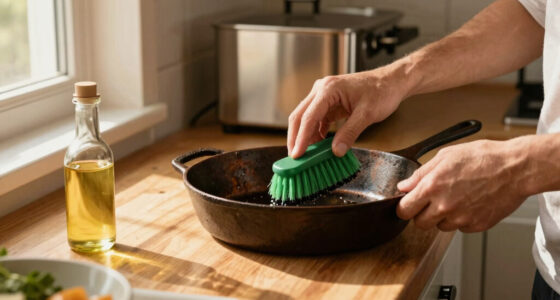
Cleaning your pan correctly keeps that seasoning intact and ensures longevity. After cooking, rinse with hot water—no soap needed, as soap can break down the seasoning layer, making your pan more prone to sticking and rust. Use a scrub brush or coarse salt if stuck-on food persists; salt acts as a gentle abrasive that cleans without stripping the seasoning. Dry immediately with a towel or gently heat the pan on the stove to evaporate any remaining moisture, which is crucial because moisture is the primary cause of rust.
Think of your pan like a cast-iron bike chain: oil it lightly after cleaning to prevent rust and maintain the seasoning. If rust does appear, it’s not the end of the world—simply scrub it off with steel wool, re-season the affected area, and your pan is back to prime condition. Proper care and cleaning are about understanding that seasoning is a living layer—each cleaning should aim to preserve or reinforce it, not erase it. This mindful approach ensures your pan remains a reliable, non-stick workhorse for years to come.
best high smoke point oil for cast iron
As an affiliate, we earn on qualifying purchases.
As an affiliate, we earn on qualifying purchases.
Heat like a pro: Getting the most out of your carbon steel pan
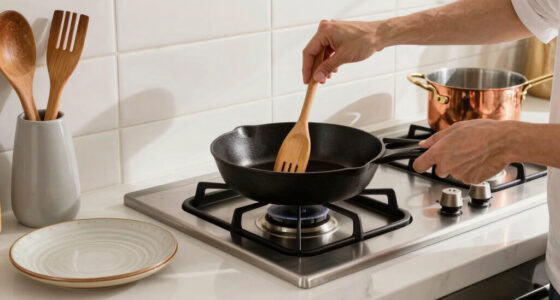
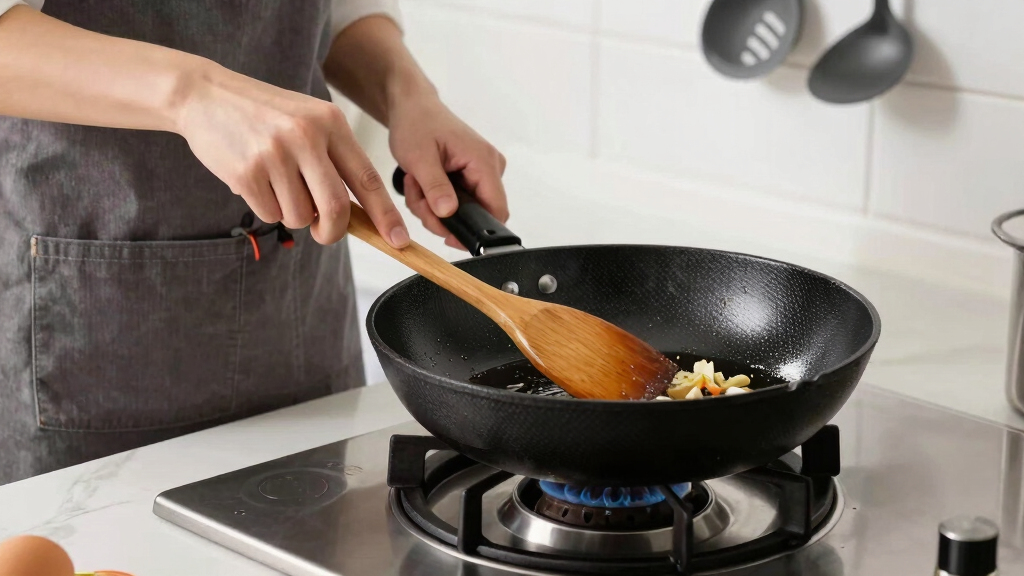
Carbon steel heats up fast and cools down quickly, making it perfect for quick sears or gentle simmering. When you start cooking, preheat the pan over medium heat for 2-3 minutes until it’s hot enough to sizzle when food touches it.
Imagine searing a steak—your pan should be hot enough to instantly brown the surface, sealing in juices. For delicate dishes, lower the heat or use a diffuser. Practice makes perfect—every stove and pan heats a little differently, so learning how your equipment responds is part of mastering it. The key is understanding that rapid heating allows you to lock in flavors quickly, while the quick cooling helps with delicate adjustments. This responsiveness is why many chefs prefer carbon steel for its versatility and control—knowing when to crank the heat or dial it back makes all the difference in achieving restaurant-quality results at home.
As an affiliate, we earn on qualifying purchases.
A side-by-side comparison: Carbon steel vs. cast iron
| Feature | Carbon Steel | Cast Iron |
|---|---|---|
| Weight | Light — about 2-3 pounds for a 12” pan | Heavier — often 4-6 pounds for similar size |
| Heating speed | Fast, responsive | Slower, retains heat longer |
| Durability | Excellent, lifelong with care | Excellent, often passed down generations |
| Non-stick surface | Develops over time with seasoning | Same, needs seasoning |
| Care requirements | Needs seasoning, quick to clean | Needs seasoning, more prone to rust |
Choosing between carbon steel and cast iron depends on your priorities. If you value lighter weight and quick responsiveness, carbon steel is ideal. For those who prefer a pan that retains heat longer and can withstand rougher treatment, cast iron might be better. Both require seasoning and proper care, but understanding their differences helps you pick the right tool for your cooking style and maintenance preferences. Remember, each has its tradeoffs: lighter weight for easier handling versus longer heat retention for steady cooking. Knowing these nuances allows you to optimize your setup for everyday use or special techniques.
Common mistakes to avoid when starting with carbon steel
- Using soap during cleaning, which strips seasoning—stick to hot water and salt instead. This preserves the protective layer that makes your pan non-stick and rust-resistant.
- Overheating the pan at the start—preheat gradually to avoid warping or damaging the seasoning. Sudden high heat can cause warping or uneven seasoning development, undermining the pan’s performance.
- Ignoring rust—dry thoroughly and re-season when needed. Rust indicates moisture exposure; neglecting it can lead to pitting and compromise the pan’s integrity, but it’s reversible with proper cleaning and re-seasoning.
- Using metal utensils too aggressively—gentle scraping preserves your seasoning. Metal tools can scratch or chip the seasoned surface, reducing non-stick qualities and exposing bare metal, which is prone to rust. Use wood or silicone utensils for delicate tasks to extend the life of your seasoning layer.
For example, a beginner might scrub with soap after a cookout, thinking it’s necessary. But that can undo months of seasoning work in a single wash, requiring you to re-season the entire pan. Understanding these common pitfalls and their implications helps you develop better habits, ensuring your pan remains a reliable and efficient tool for years to come.
How to troubleshoot common issues with your carbon steel pan
If food sticks or the pan develops rust, you can fix it. For sticking, scrub with coarse salt and re-season. For rust, use steel wool to remove it, then re-season thoroughly. Recognizing the root cause—whether insufficient seasoning, improper cleaning, or moisture exposure—allows you to address issues effectively and restore your pan’s performance. Regular maintenance, like re-seasoning after rust removal, ensures the protective layer rebuilds, preventing future problems. Think of your pan as a living surface—small issues are normal, but with timely intervention, you can keep it functioning like new, saving money and extending its lifespan.
For example, after a year of use, some spots might lose their non-stick quality. A quick scrub and re-season can bring that surface back to life, making your pan feel like new. This process is part of the ongoing relationship with your cookware—maintenance keeps it performing at its best and allows you to enjoy consistent results every time you cook.
Frequently Asked Questions
How do I season my new carbon steel pan for the first time?
Wash the pan with hot water and a scrub brush to remove any factory coating. Dry thoroughly, then apply a thin layer of high-smoke-point oil. Heat the pan over medium-high until the oil smokes, then let it cool. Repeat 3-4 times for a good initial seasoning.
Can I wash my carbon steel pan with soap?
It’s best to avoid soap, as it can strip the seasoning. Use hot water and a scrub brush or coarse salt if needed. Dry immediately to prevent rust. Regular cleaning like this keeps your pan non-stick and durable.
How do I prevent rust on my carbon steel cookware?
Keep the pan dry after each use—wipe it out or heat it gently to evaporate moisture. Apply a light coat of oil after cleaning and store in a dry place. Re-season if you notice rust spots forming.
Is carbon steel cookware safe?
Yes. When properly seasoned and maintained, it’s free from synthetic coatings or chemicals. It’s simply iron and carbon, making it a safe choice for everyday cooking.
Can I use metal utensils on my carbon steel pan?
Yes, but use them gently. Metal utensils won’t damage the seasoned surface if you’re careful, but aggressive scraping can scratch and wear down the patina over time. Use wood or silicone for delicate tasks.
Conclusion
Mastering carbon steel cookware is about patience and consistent care. Once seasoned, your pan becomes a reliable partner—improving with age and use. It’s a tool that rewards skill and attention, built to serve generations of off-grid cooks and everyday chefs alike.
So, get your pan hot, your oil ready, and start cooking. The more you work with it, the more your skills—and your food—will flourish.
Halloween Picks
halloween
As an affiliate, we earn on qualifying purchases.