
TL;DR

Get kitchen gear delivered free with Prime
- Fast, free delivery on millions of items
- Prime Video, Amazon Music and more included
- Member-only deals all year
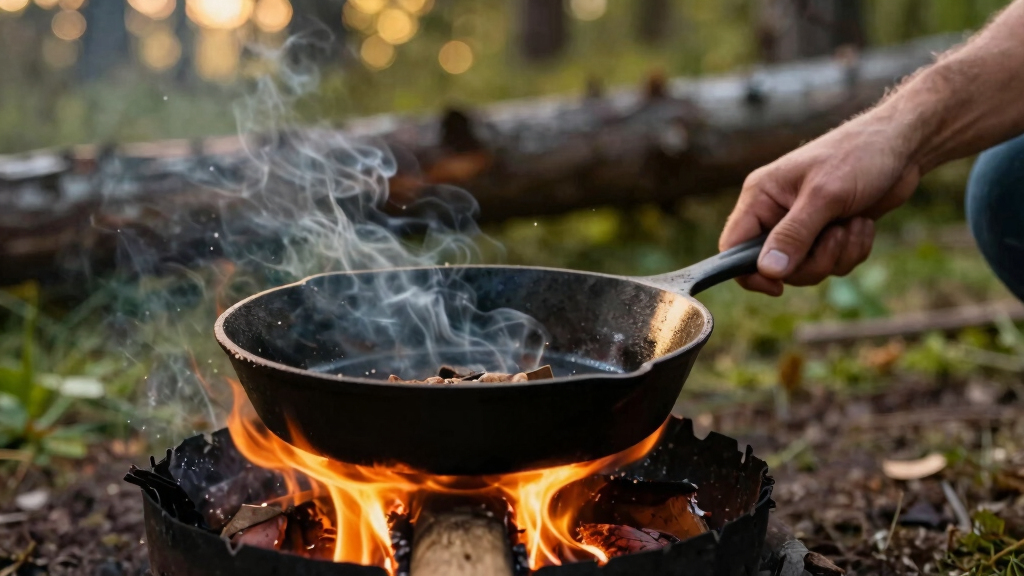
Cooking over a campfire in cast iron is about controlling heat with coals, building a solid fire, and caring for your cookware. With the right techniques, you can make everything from seared steaks to baked bread in the wild.
Build a bed of glowing coals for steady, high heat—this is the secret to even cooking in cast iron over a campfire.
Preheat your cast iron before adding food; it prevents sticking and improves flavor.
Control heat with coals—not just flames—by moving embers to suit your cooking needs.
Clean and oil your cast iron after each use to prevent rust and maintain a non-stick surface.
Practice patience; good outdoor cast iron cooking is about slow, attentive heat management.
Pick the Right Cast Iron for Your Campfire Cooking Needs
Choosing the right cast iron is your first step. Think about size and weight. A 12-inch skillet is versatile but heavy. If you’re backpacking, a 10-inch or smaller pan might suit you better. Pre-seasoned cookware saves time, but if you pick unseasoned, you’ll need to build that non-stick layer before heading out. Remember, a well-cared-for piece can last generations, making it worth investing in high-quality cast iron for outdoor use.
As an affiliate, we earn on qualifying purchases.
Build a Fire That Burns Steady and Hot
Start with dry, seasoned wood—hardwoods like oak or hickory give steady, hot coals. Create a fire that produces glowing embers, not just flames. Stack your wood in a tepee or log cabin style, then let it burn until you have a bed of hot, gray coals. These coals are your secret weapon for consistent heat, perfect for cooking in cast iron. Why does this matter? Because a fire that produces a bed of glowing coals offers more control than open flames. It allows you to cook slowly or sear quickly, depending on your needs. The tradeoff is patience; building good coals takes time, but the payoff is evenly cooked, flavorful dishes without scorching.
campfire cooking cast iron cookware
As an affiliate, we earn on qualifying purchases.
As an affiliate, we earn on qualifying purchases.
Control the Heat with Coals, Not Just Flames
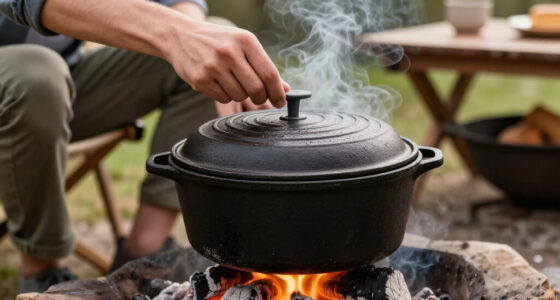
In campfire cooking, coals are your best friends. To cook evenly, spread hot coals under your cast iron. For searing or frying, pile coals around the sides and on top of the lid for direct heat. For baking or slow simmering, move coals away, creating indirect heat. A simple trick: use a metal shovel or tongs to move coals around, adjusting your heat as needed. This control makes all the difference between burnt and beautifully cooked food. Think of it like a stovetop—by shifting coals, you’re effectively turning your campfire into a high-precision oven or stovetop. The tradeoff? More effort in managing coals but much greater control over your cooking process, leading to better flavors and textures.
As an affiliate, we earn on qualifying purchases.
How to Use Cast Iron Over a Campfire in 5 Easy Steps
- Build a stable, hot bed of coals. Aim for glowing, ashen embers.
- Place your cast iron on the coals or a sturdy grate. Preheat for 5-10 minutes.
- Add your ingredients—be patient while the pan heats up to avoid sticking.
- Adjust coals to maintain desired temperature. Use the lid to control heat from above.
- Finish cooking, then let the pan cool slightly before cleaning.
As an affiliate, we earn on qualifying purchases.
Tips for Cooking in Cast Iron Over an Open Flame
- Always preheat your pan—don’t toss cold food into a cold skillet.
- Use long-handled tools to avoid burns and keep the seasoning intact.
- Don’t forget to oil your pan after cleaning to prevent rust.
- Keep a spray bottle of water nearby for quick fire control or cooling.
- Practice patience—good campfire cooking takes time and attention.
Bake, Fry, and Simmer — Your Cast Iron Does It All
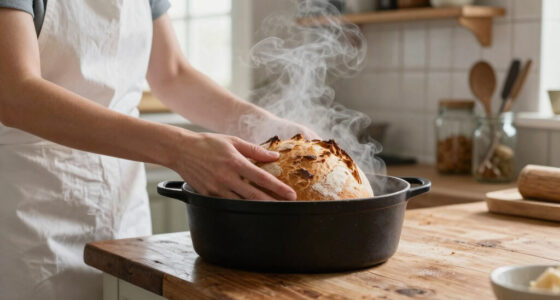
Cast iron is incredibly versatile. Want to fry bacon or eggs? Use direct heat with plenty of coals. Need to bake bread or cobbler? Set your pan on hot coals and cover with embers to create an oven-like environment. For slow stews or chili, keep the fire steady and low, letting flavors meld over hours. For example, imagine you’re camping in the mountains and want to bake a rustic bread. You could bury your cast iron loaf pan under a mound of hot embers, mimicking a traditional outdoor oven. This method requires patience but results in crusty, homemade bread that’s deeply satisfying. This flexibility makes cast iron the all-in-one outdoor kitchen tool, capable of handling a variety of cooking styles and recipes.
Keeping Your Cast Iron Happy in the Outdoors
After cooking, clean your cast iron with hot water and a stiff brush—avoid soap, which can strip seasoning. Dry immediately with a towel or heat briefly on the fire to evaporate any moisture. Once dry, apply a thin layer of oil—lard, vegetable oil, or flaxseed—before storing. This routine not only prevents rust but also helps build up that coveted non-stick surface over time. Think of it like maintaining a car engine; regular care ensures longevity and optimal performance. If you’re camping for several days, periodically re-oil your skillet during your trip to keep it in prime condition and ready for the next meal.
Safety First: How to Cook Safely Over a Campfire
Always set up your fire in a designated ring or cleared space. Keep water or a fire extinguisher nearby. Never leave your fire unattended, and fully extinguish it when done. Use heat-resistant gloves and long tools to handle hot cookware. Remember, a little caution keeps your outdoor cooking safe and fun.
Lightweight Cast Iron Options for Backpackers
If you’re backpacking, look for cast iron options made with thinner walls or smaller sizes. Some brands offer enamel-coated mini-skilletts that are lighter and easier to clean. While they might cost a bit more, these options let you enjoy durable, high-heat cooking without weighing down your pack.
Prevent Rust and Keep Your Cast Iron in Top Shape Outdoors
Rust can sneak in if you neglect your pan. Always dry thoroughly after cleaning, especially in humid conditions. Store in a dry place or wrap in a cloth with a little oil. If rust develops, scrub it off with steel wool and re-season. Proper care makes your cast iron last for decades, even through rough outdoor use.
Frequently Asked Questions
How do I start a campfire suitable for cast iron cooking?
Begin with dry, seasoned wood arranged in a tepee or log cabin style. Light the wood and let it burn until you have a bed of glowing coals. This provides steady, high heat ideal for cast iron cooking.
What’s the best way to season my cast iron for outdoor use?
Apply a thin layer of natural oil (like flaxseed or lard), then heat the pan over the fire until it smokes lightly. Repeat this process a few times to build a durable, non-stick surface perfect for camping.
How do I control the temperature when cooking over an open flame?
Manage heat by moving coals around with a shovel or tongs—more coals mean higher heat. To lower the temperature, push coals away or add fewer. Cover the pan with the lid to trap heat when needed.
Can I bake bread or desserts over a campfire?
Yes! Set your cast iron on hot coals, then cover with a bed of embers. For bread or cobbler, use the lid to create an oven effect. It’s a rustic way to enjoy fresh baked treats outdoors.
How should I clean and store my cast iron after outdoor cooking?
Scrub with hot water and a stiff brush, avoiding soap. Dry thoroughly, then oil lightly before storing. Proper maintenance prevents rust and keeps your cookware ready for next time.
Conclusion
Cooking over a campfire in cast iron isn’t just about food; it’s about embracing a timeless skill. With patience, practice, and respect for the fire, you turn simple ingredients into memorable meals. Your rugged, reliable cast iron becomes a trusted partner in every outdoor adventure — ready for any recipe, anytime.Fall Picks
fall essentials
As an affiliate, we earn on qualifying purchases.
![Eating Out [Grickle]](https://unpluggedkitchen.com/wp-content/uploads/2026/10/eating-out-grickle-featured-260x140.jpg)