
TL;DR

Get kitchen gear delivered free — and shop member deals
- Fast, free delivery on millions of items
- Access to Prime Big Deal Days deals on October 6–7
- Prime Video, Amazon Music and more included
Storing cast iron correctly involves thorough cleaning, complete drying, maintaining seasoning, and choosing a dry environment. Using moisture absorbers and light oil coatings helps prevent rust, making your cookware last a lifetime.
Always dry cast iron thoroughly after cleaning—residual moisture is rust’s best friend.
Maintain a thin, even layer of oil to keep a strong seasoning barrier against humidity.
Store in a dry, well-ventilated space—adding silica gel packs or breathable covers helps.
Avoid storing with tightly sealed lids in humid environments—airflow prevents moisture buildup.
Regularly inspect your cast iron for signs of rust—early detection makes cleaning easier.
How Proper Cleaning Keeps Rust Away
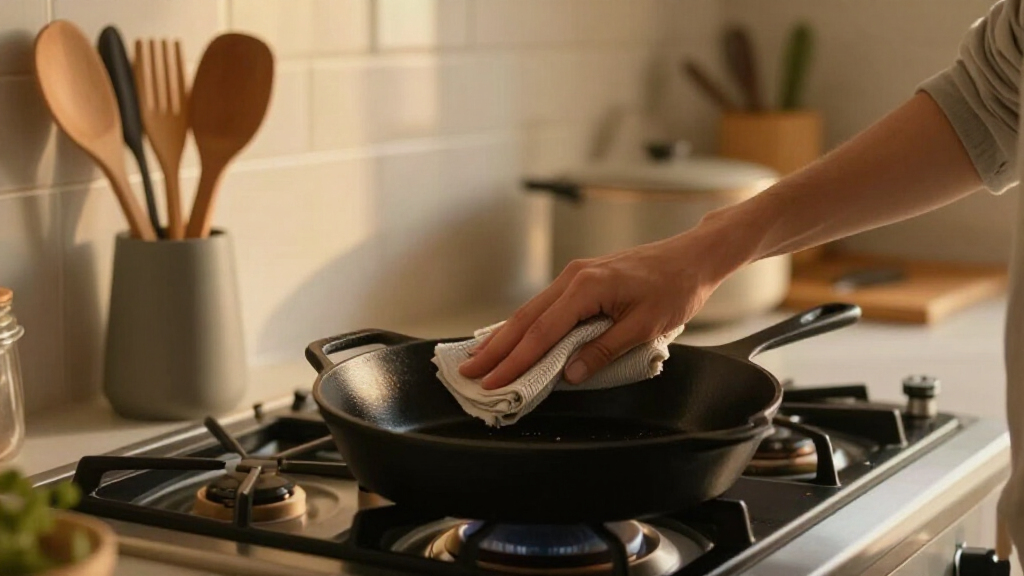
Cleaning is your first line of defense against rust. After each use, scrub off food residues with hot water and a stiff brush. If your pan has a good seasoning layer, skip soap—just avoid harsh detergents that strip it away. Dry immediately with a towel or heat it on the stove until all moisture evaporates. For example, I once forgot to dry my skillet after a quick stir-fry, and next morning it had tiny rust spots. Proper cleaning and drying would have prevented that.
As an affiliate, we earn on qualifying purchases.
The Secret Power of Seasoning for Rust Resistance
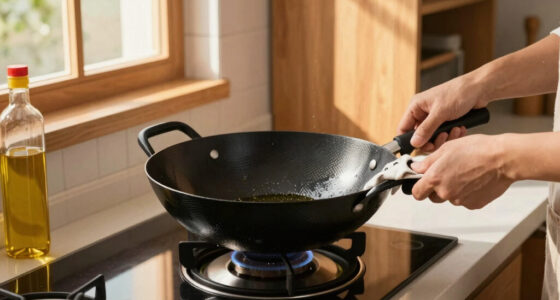
A seasoned cast iron creates a natural, tough barrier against moisture. Think of it as a protective skin—each layer of oil baked in becomes a shield. This barrier is crucial because moisture is the primary cause of rust. When the seasoning is intact, it repels water and prevents it from penetrating the metal surface. Regular re-seasoning, especially after cleaning or if you notice dull spots, helps maintain this shield. Skipping re-seasoning can lead to exposed metal patches that rust more easily. For example, I re-seasoned my skillet after scrubbing off rust, applying a thin coat of flaxseed oil and baking it at 450°F for an hour. That simple step restored its non-stick surface and kept rust at bay, illustrating how maintaining seasoning directly impacts rust prevention.
silica gel packs for cast iron storage
As an affiliate, we earn on qualifying purchases.
As an affiliate, we earn on qualifying purchases.
How to Dry Cast Iron the Right Way
Moisture is the enemy. Always dry your cast iron thoroughly—use a towel, paper towel, or warm oven. For instance, after washing my Dutch oven, I place it in a warm oven for 10 minutes. The heat pulls out residual moisture, preventing rust. Neglecting this step leaves tiny water droplets on the surface, which can quickly oxidize and form rust, especially in humid environments. Proper drying creates a dry, inert surface that resists rust formation. Using heat to ensure complete dryness is a crucial step because even microscopic amounts of water can catalyze corrosion, undermining your efforts to keep cast iron rust-free over time.
As an affiliate, we earn on qualifying purchases.
Where and How to Store for Zero Rust Risk
Storage environments matter greatly. Keep your cast iron in a dry, low-humidity space—like a kitchen cabinet or a shed with good airflow. Avoid damp spots like under the sink or in a basement, where moisture tends to linger and accelerate rust. Consider placing a paper towel or cloth inside the skillet or Dutch oven—this absorbs lingering moisture and acts as a buffer. This simple step is effective because even tiny residual water droplets can lead to rust if left trapped. When I stored my skillet with a paper towel inside, it stayed rust-free even after a humid week. The key implication is that controlling the environment and adding moisture absorbers creates a microclimate that discourages rust formation. This is especially important in humid climates where moisture constantly seeks entry into storage spaces.
As an affiliate, we earn on qualifying purchases.
Comparison: Storing with Lids On or Off
| Method | Pros | Cons |
|---|---|---|
| Store with lid slightly ajar | Allows air circulation, reduces moisture buildup, which is essential because stagnant air can trap humidity and promote rust. This method helps maintain a balanced environment inside the cookware, preventing condensation from forming. | Less dust protection, needs more attention to cleanliness, as exposure to dust can affect seasoning. |
| Store with lid sealed tight | Protects from dust, dirt, and other contaminants, keeping your cookware cleaner on the surface. | Traps moisture, especially if the cookware isn’t perfectly dry, increasing rust risk. Sealed lids can create a humid microenvironment that accelerates corrosion, particularly in high-humidity areas. |
If you want to prevent rust, storing with the lid slightly cracked is better. It allows moisture to escape and fresh air to circulate, especially in humid environments. I keep my Dutch oven with a loose lid, and it’s stayed rust-free for years. Conversely, fully sealed lids sometimes trap humidity, which, combined with residual moisture, can cause rust to develop over time. The tradeoff is between dust protection and moisture control—understanding your environment helps decide the best approach.
Latest Tricks and Tools for Rust-Free Storage
Recent trends include using silica gel packs and breathable storage bags. Silica gel absorbs excess moisture, making small storage spaces safer by reducing humidity levels that promote rust. Some off-grid cooks use waxed or breathable cloth covers instead of plastic, which allow moisture to escape while protecting from dust. For example, I placed silica gel packs inside my storage box, and I’ve noticed my cast iron stays drier and rust-free even during humid summers. Using eco-friendly oils like grapeseed or flaxseed also creates better, longer-lasting protective layers, according to recent tests. These tools and methods collectively help maintain an optimal environment, significantly reducing the risk of rust and extending the lifespan of your cookware.
Quick Guide: Storing Cast Iron in 5 Simple Steps
- Clean thoroughly after use—hot water and a stiff brush.
- Dry completely—towel drying, then heat on stove or oven.
- Apply a light coat of oil—flaxseed or grapeseed works well.
- Store in a dry, ventilated spot—avoid damp basements or kitchens.
- Use moisture absorbers—silica gel packs or breathable covers.
Frequently Asked Questions
How do I remove rust from my cast iron skillet?
Use steel wool or a rust eraser to scrub off rust patches. After removing rust, re-season the skillet by applying a thin layer of oil and baking it at 450°F for about an hour. This restores the protective layer and prevents future rust.
Can I store cast iron in the dishwasher?
No. Dishwashers strip seasoning and expose the pan to prolonged moisture, which encourages rust. Always wash cast iron by hand and dry immediately.
What’s the best oil for seasoning and protecting cast iron?
Flaxseed oil, grapeseed oil, or vegetable oils are popular choices. They polymerize into a durable, non-stick coating that resists moisture and rust—especially when baked in at high temperatures.
How long can cast iron be stored without rusting?
If properly cleaned, seasoned, and stored in a dry environment, cast iron can last indefinitely without rust. Regular inspections help catch any early signs of moisture or corrosion.
Should I store cast iron with the lid on?
It’s better to store with the lid slightly ajar or without it. This allows air circulation, reducing moisture buildup and preventing rust, especially in humid conditions.
Conclusion
Keeping cast iron rust-free hinges on simple habits. Clean, dry, season, and store it in a dry spot, and it’ll serve you for decades. Think of it as giving your cookware a tiny, invisible shield—protecting your investment in every use. With these tips, you’ll keep rust at bay and your cast iron gleaming, ready for whatever adventures come next.Fall Picks
fall essentials
As an affiliate, we earn on qualifying purchases.