
TL;DR

Get kitchen gear delivered free — and shop member deals
- Fast, free delivery on millions of items
- Access to Prime Big Deal Days deals on October 6–7
- Prime Video, Amazon Music and more included
During a power outage, you can still cook a full meal by using outdoor grills, solar ovens, or hand-powered tools. Planning ahead and understanding safety are key to staying nourished and secure.
When the lights go out, the kitchen feels silent — but that doesn’t mean your meal has to stop. Power outages are more common than many realize, and they test your ability to be self-reliant in the kitchen. The good news: you can cook a full, satisfying meal without electricity. It just takes a little planning, some sturdy gear, and a willingness to get your hands dirty.
This guide is about turning obstacles into opportunities — using outdoor tools, simple techniques, and a bit of ingenuity to keep your family fed during those unexpected blackouts. Whether it’s a summer storm, a grid failure, or a camping trip, you’ll learn how to stay nourished and safe, no matter the situation.
Use outdoor tools like propane stoves, grills, and solar ovens for versatile cooking without power.
Plan simple, hearty meals that require minimal prep and cook quickly over open flames or coals.
Store perishables in coolers with ice packs to extend freshness during outages.
Always prioritize safety: cook outdoors, keep fire safety equipment nearby, and avoid indoor grilling.
Prepping ingredients and choosing the right tools ahead of time makes emergency cooking easier and more reliable.
Choose the Right Tools to Cook Without Power
The secret to cooking during a blackout? Using the right equipment that doesn’t rely on electricity. Think beyond your stove. Portable gas stoves, charcoal grills, and solar ovens are your best friends in this scenario. For example, a 2-burner propane stove can simmer stews or boil pasta just like your kitchen stove, but outdoors.
Imagine slow-cooking chili over a wood fire while your family enjoys the fresh outdoor air. These tools turn a blackout into a chance to cook with fire, wind, or sun. Keep a stash of fuel, matches, and extra cookware ready. Remember: safety first — always cook outdoors or in well-ventilated spaces to avoid carbon monoxide buildup.
portable propane stove for camping
As an affiliate, we earn on qualifying purchases.
As an affiliate, we earn on qualifying purchases.
Plan Simple, Nutritious Meals That Save Time and Fuel
During a power outage, complexity can backfire. Instead, opt for meals that are quick, hearty, and require minimal prep. Think one-pot soups, grilled meats, roasted vegetables, or foil-pack meals. For example, preparing a foil packet with chicken, potatoes, and carrots allows you to toss it on a grill or fire for a straightforward, filling dinner.
Meal planning is your best friend. Keep a list of go-to recipes that use pantry staples and fresh ingredients you can cook over open flames. Pre-chop ingredients or pre-make sauces and spice mixes. This way, you cut down on time and fuel use, making the process smoother and less stressful.
Choosing simple meals minimizes the need for complex cooking techniques or multiple steps, which can be difficult without electricity. It also reduces fuel consumption, making your efforts more efficient. The tradeoff is that you might sacrifice some culinary variety, but the benefit is reliable, nourishing food during emergencies.
As an affiliate, we earn on qualifying purchases.
Step-by-Step: How to Cook a Full Meal with Hand-Powered Tools
- Gather your gear: portable stove, fuel, cast iron skillet, or Dutch oven. Understanding the capabilities of each tool helps you optimize cooking times and methods, ensuring safety and efficiency.
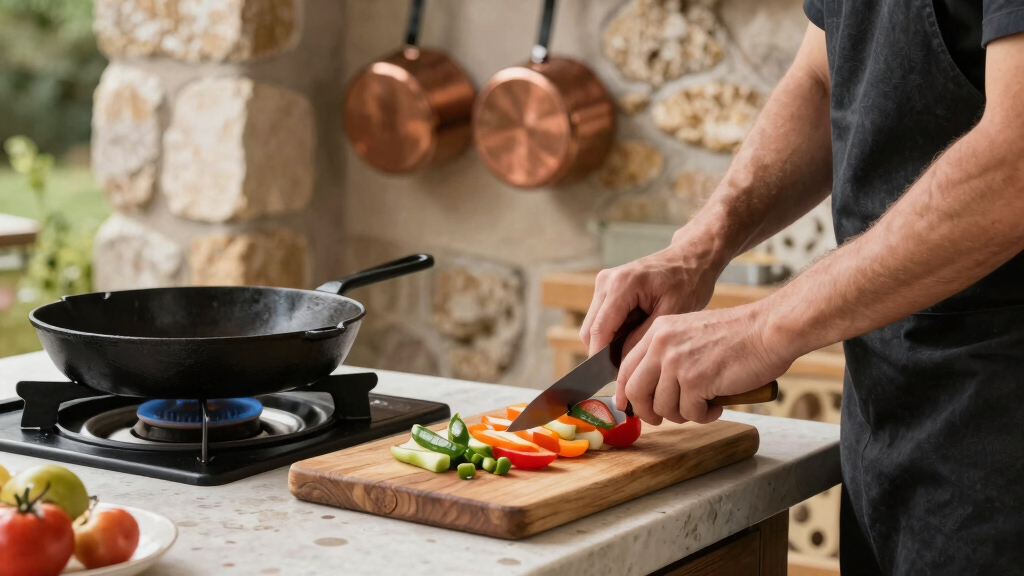
- Prepare ingredients in advance — wash, chop, season. Prepping reduces the time spent at the cooking site, conserving fuel and minimizing mess during the actual cooking process.
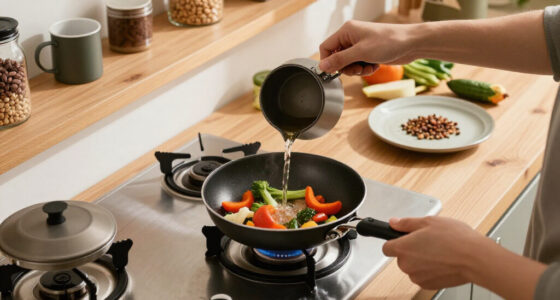
- Start with quick-cooking items: rice, pasta, or vegetables over your stove or grill. These form the base of many meals and help you establish a cooking rhythm.
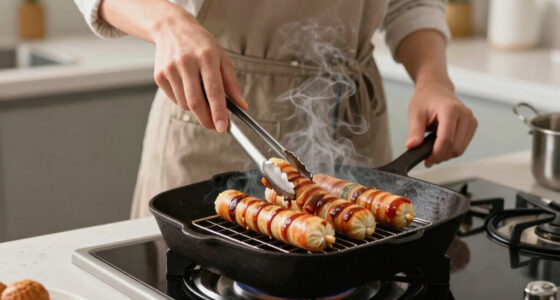
- Add proteins like sausage, chicken, or fish, cooked over open flame or coals. Cooking proteins thoroughly is critical for safety, especially when using outdoor heat sources.
- Finish with a simple sauce or seasoning — perhaps a squeeze of lemon or fresh herbs. These finishing touches enhance flavor without requiring additional complex steps or ingredients.
- Serve directly from the cooking vessel for minimal cleanup, which is especially valuable when resources are limited or cleaning facilities are unavailable.
Example: You could prepare a hearty stew over a camp stove, using a cast iron pot, while your family relaxes nearby. It’s about timing and prepping to maximize your fuel and effort. Deep understanding of how different ingredients and cooking methods interact helps you adapt to different situations and make the most of your available resources.
As an affiliate, we earn on qualifying purchases.
Compare Outdoor Cooking Options for Power Outages
| Method | Best Use | Pros | Cons |
|---|---|---|---|
| Propane Stove | Quick, controlled cooking outdoors | Portable, easy to use, reliable | Requires fuel canisters, limited by fuel supply |
| Charcoal Grill | Grilling or slow-cooking | High heat, smoky flavor | Longer startup, messy ash cleanup |
| Solar Oven | Sunny days, slow-cooking | No fuel needed, eco-friendly | Weather-dependent, slow process |
| Campfire or Fire Pit | Roasting, boiling, baking | Versatile, traditional flavor | Requires fire safety knowledge, smoke |
Choosing the right method depends on your environment, weather, and fuel access. For quick meals, a propane stove is often best because it provides precise control and quick heat, which is essential when you’re pressed for time or fuel. A charcoal grill imparts a smoky flavor and is great for slow-cooking or grilling, but it requires more time to heat up and cleanup. Solar ovens are excellent for sunny days, offering an eco-friendly option that doesn’t need fuel, but they are slow and weather-dependent, so planning is key. Fire pits or campfires add a traditional flavor and versatility but require fire safety knowledge and can produce smoke, which might be a concern in certain environments. Understanding these tradeoffs helps you select the best method for your specific situation, balancing convenience, safety, and flavor.
outdoor grill for emergency cooking
As an affiliate, we earn on qualifying purchases.
As an affiliate, we earn on qualifying purchases.
Keep Food Safe Without Power: Storage and Cooking Tips
Power outages threaten your perishable foods, and understanding how to keep them safe is crucial for health and minimizing waste. The key? Keep cold foods cold and cook them thoroughly to prevent bacterial growth. Using coolers packed with ice packs extends the freshness of perishable items, but it’s important to monitor the ice and replenish as needed. For example, a well-packed cooler can keep milk, cheese, and leftovers safe for up to 24 hours, even in summer heat, but after that, the risk of spoilage increases significantly.
When cooking, aim for internal temperatures that effectively kill bacteria — 165°F for poultry, 145°F for beef, and similar guidelines for other meats. Using a meat thermometer ensures accuracy, which is critical when proper equipment might be limited. Keep raw meats separate from cooked foods to avoid cross-contamination, and always wash your hands and utensils thoroughly after handling raw ingredients. This reduces the risk of foodborne illnesses, which can be more dangerous when medical resources are limited during emergencies.
Plan your meals around what’s most perishable first — like dairy, fresh meats, and cut vegetables — then use preserved or dry foods as backup. This strategic approach helps prevent waste and ensures everyone stays healthy, even when the power is out for an extended period. The implication is clear: good planning and understanding the science of food safety make a significant difference in emergency preparedness.
Safety First: Avoiding Common Cooking Pitfalls Outdoors
Using outdoor cooking methods requires careful attention to safety to prevent accidents and health hazards. Never cook indoors with charcoal or propane, as carbon monoxide can quickly build up and cause poisoning. Always set up your stove or grill outdoors, away from structures, trees, or flammable materials, on stable, non-flammable surfaces. Proper placement reduces fire risk and ensures good ventilation, which is vital for safety.
Keep fire extinguishers, buckets of water, or fire blankets nearby whenever you’re cooking with open flames. Never leave flames unattended, especially in windy conditions, as fires can spread rapidly. Be aware of local burn bans or fire restrictions, particularly during dry seasons, to prevent wildfires. These regulations are in place not only for environmental protection but also for your safety.
Also, avoid attempting to use indoor appliances outside or with improvised power sources, as they can pose electrical hazards or be ineffective. Focus on traditional, open-flame tools, which are safer and more reliable in emergency situations. Recognizing these hazards and respecting fire safety guidelines help prevent tragedies and ensure your outdoor cooking experience remains safe and enjoyable.
Quick Recap: Easy, Nourishing Meals for Power Outages
Think simple: grilled sausages, foil-baked vegetables, hearty stews, and rice or pasta that cooks easily over fire. Use versatile tools like cast iron skillets or Dutch ovens for variety. Prepping ingredients in advance makes everything smoother and faster, reducing the time and effort needed during stressful situations. These meals are not only practical but also improve your confidence in handling unexpected outages.
And don’t forget safety: always cook outdoors, keep fire safety gear handy, and store perishables properly. Proper planning and safety precautions turn potential chaos into manageable, nourishing meals. With these strategies, a power outage becomes just another opportunity to enjoy good food and strengthen your self-reliance skills.
Frequently Asked Questions
What are the safest ways to cook during a power outage?
The safest methods are outdoor propane stoves, charcoal grills, or solar ovens. Always cook outdoors or in well-ventilated areas, never indoors with charcoal or gas devices, to prevent carbon monoxide poisoning.
How can I keep my food safe without refrigeration?
Use coolers packed with ice packs, keep refrigerator and freezer doors closed, and prioritize cooking perishable foods quickly. Proper cooking to safe temperatures also prevents foodborne illness.
What equipment do I need to cook a full meal without electricity?
Essential gear includes a portable gas stove or grill, cast iron cookware, a fire source (like wood or charcoal), and food storage options like coolers. Prepping ingredients in advance makes cooking smoother.
Are solar ovens effective in cloudy weather?
Solar ovens work best on sunny days. In cloudy conditions, they slow down significantly. It’s wise to have alternative methods like a propane stove or fire pit as backups.
How long can I store perishable foods during an outage?
With a well-packed cooler and ice packs, perishable foods can stay safe for up to 24 hours in moderate weather. After that, plan to cook or consume items quickly to prevent spoilage.
Conclusion
Cooking during a power outage isn’t just possible — it’s an opportunity to hone your outdoor skills and enjoy real, flavorful food. With a little preparation and the right gear, you can turn any blackout into a chance for fresh, hearty meals that nourish your body and spirit.
So, stock your gear, plan your recipes, and embrace the primal joy of cooking over fire or sun. When the lights go out, your kitchen doesn’t have to go dark.
Halloween Picks
halloween
As an affiliate, we earn on qualifying purchases.