TL;DR

Get kitchen gear delivered free with Prime
- Fast, free delivery on millions of items
- Prime Video, Amazon Music and more included
- Member-only deals all year
Choosing high-quality, durable cookware like cast iron and stainless steel means buying once and enjoying decades of use. Proper care and smart choices reduce waste, save money, and create a more sustainable kitchen. This article guides you through making those smart investments.
Imagine a pot that’s been handed down through generations, gaining a dark, seasoned patina and stories along the way. That’s the promise of the lifetime cookware mindset. It’s about shifting from disposable to durable, from trendy to timeless.
You’ll learn how to choose, maintain, and justify investing in cookware that’s built to last a lifetime. This isn’t about hype or shortcuts — it’s about practical, honest choices that make your kitchen more reliable and sustainable.
Invest in high-quality, durable cookware like cast iron or stainless steel for long-term use.
Proper maintenance — seasoning, careful cleaning, and correct storage — keeps your cookware functional for decades.
Choosing simple, timeless designs ensures your cookware ages well and remains useful over time.
Making the switch to lifelong cookware reduces waste, cuts costs, and benefits the environment.
Match your cookware to your cooking habits to ensure each piece gets the use it deserves over a lifetime.
Why Durability Beats Cheap When It Comes to Cookware
Durability is the secret sauce. Cheap pots and pans might seem tempting at first, but they often warp, chip, or lose their coating within a year. Durable cookware, like cast iron or stainless steel, can last decades if properly cared for.
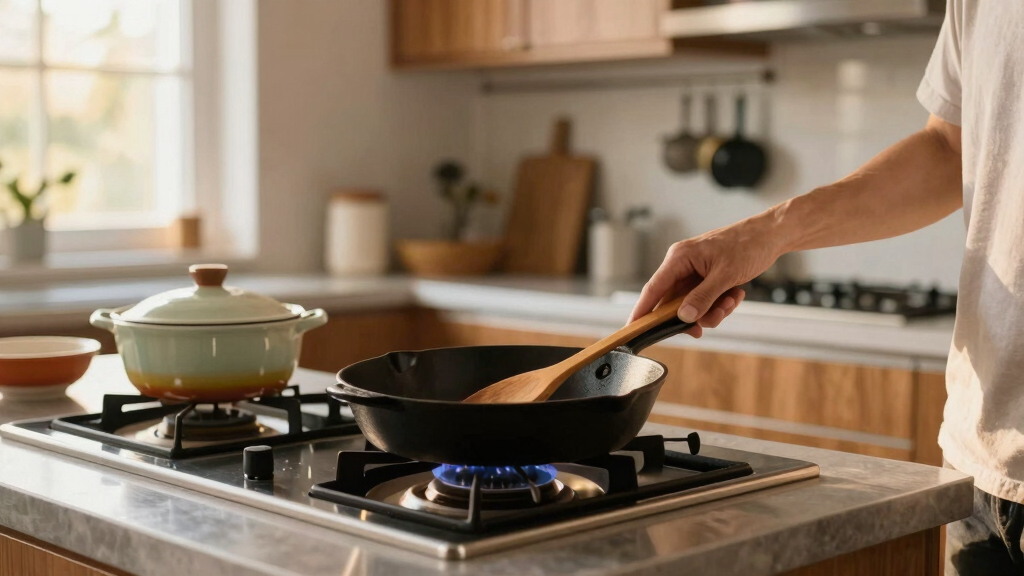
Take a 12-inch cast iron skillet — it can be handed down, re-seasoned, and kept cooking for over a century. In contrast, a cheap non-stick pan might need replacing every 2-3 years. The real savings come when you see that investing in quality pays off over time.
Beyond longevity, durable cookware often performs better, heats more evenly, and can handle higher temperatures, giving you more control in cooking. The tradeoff is usually a higher upfront cost and some extra weight, but these are offset by the long-term benefits and sustainability.
As an affiliate, we earn on qualifying purchases.
How to Spot Cookware That Will Last a Lifetime
Here’s how to pick pieces that’ll serve you for decades:
- Material matters: Cast iron, stainless steel, and high-quality carbon steel stand out for their durability because they resist warping, chipping, and corrosion, which directly impacts their lifespan.
- Weight and feel: Heavier pots often mean better quality, especially in cast iron or stainless steel. A solid weight indicates dense, well-made materials that will withstand years of use without deforming or breaking.
- Design simplicity: Timeless shapes without gimmicks tend to age better and are easier to maintain. Complex designs or trendy finishes might look appealing initially but can become outdated or difficult to clean, reducing their usefulness over time.
- Brand reputation: Look for brands with a heritage of craftsmanship and positive reviews for durability. These brands often use better materials and have more rigorous quality control, ensuring your investment lasts for generations.
- Warranty and repairability: Long warranties and availability of replacement parts demonstrate confidence in the product’s longevity and ease of repair, which is crucial for a lifelong investment.
For example, a well-seasoned cast iron skillet can last a lifetime and even improve with age, becoming more non-stick and resilient, which underscores why choosing quality and understanding durability matters.
As an affiliate, we earn on qualifying purchases.
Compare the Main Types of Long-Lasting Cookware
| Material | Durability | Best For | Ease of Care |
|---|---|---|---|
| Cast Iron | Lasts for generations, can be re-seasoned; highly resistant to warping and chipping, often improving with age | Searing, frying, baking | Requires regular seasoning and hand washing to maintain non-stick surface and prevent rust, but these routines reinforce its longevity |
| Stainless Steel | Resists corrosion and rust, practically indestructible under normal use, and can last for decades or more | Searing, boiling, sautéing | Dishwasher safe, straightforward cleaning, though some patina can develop over time that adds flavor |
| Carbon Steel | Very durable, lighter than cast iron, and can handle high heats without warping, often lasting for decades | Stir-fry, frying, roasting | Requires seasoning and careful cleaning; when maintained properly, it can serve as a lifelong tool |
| Non-Stick (High-end) | Improved durability compared to cheaper options but still less resistant than metal counterparts; lifespan depends on coating quality | Eggs, pancakes, delicate foods | Gentle cleaning, avoid metal tools; with proper care, some coatings can last many years, but they generally need replacing eventually |
As an affiliate, we earn on qualifying purchases.
Caring for Your Lifelong Cookware — Keep It Going for Generations
Investing in durable cookware is just half the story. Proper care is what truly sustains its lifespan over decades. For cast iron, this means regular seasoning — baking a thin layer of oil to build up a natural non-stick surface and prevent rust. Skipping this step can lead to rust or a loss of non-stick qualities, shortening its useful life.
Washing stainless steel with warm water and a gentle scrub preserves its appearance and prevents scratches that could harbor bacteria or weaken the material. Avoid harsh abrasives that can damage the surface, which could compromise its durability. Store your pots dry and in a dry place to prevent corrosion. Think of it as giving your heirloom cookware a gentle hug — it’ll reward you with decades of service if treated with care.
For example, after cooking a stew, wipe the cast iron with a paper towel, lightly oil it, and store it in a cool, dry spot. This routine prevents rust and maintains the seasoning, ensuring it remains a reliable tool for years to come.
As an affiliate, we earn on qualifying purchases.
The Eco and Wallet-Friendly Side of Buying Once
Switching to lifelong cookware isn’t just about durability — it’s a conscious choice for a healthier planet and your wallet. Every time you avoid buying a cheap pan, you reduce resource consumption, waste, and landfill contributions. Cheap pans often need frequent replacements, which consume energy and materials, adding to environmental strain.
Imagine replacing a $20 non-stick pan every 2 years. Over 20 years, that adds up to $200, plus the environmental cost of manufacturing and disposing of those pans. A $100 cast iron skillet, on the other hand, can last a lifetime, and often improves with age, reducing waste significantly. The cumulative savings and reduced environmental impact make this a smart, sustainable choice.
According to research, choosing durable cookware can cut down waste by up to 80% over a lifetime, highlighting its importance not just economically but ecologically as well.
When Good Enough Isn’t Good Enough: Know Your Cooking Needs
Not every pot is a candidate for lifelong use. For example, if your cooking style involves delicate sauces or eggs, a high-quality non-stick pan might serve you well. However, the longevity of cheap coatings can be limited, and their performance diminishes over time, often requiring replacement sooner than expected. Choosing a high-quality, durable non-stick with a ceramic or reinforced coating can extend its lifespan, but the tradeoff is often a higher initial price.
Conversely, if your cooking involves roasting, searing, or preparing large quantities, investing in cast iron or stainless steel makes sense because these materials can withstand high temperatures and heavy use without degrading. They distribute heat evenly and are resistant to warping, ensuring reliability over decades.
The key is understanding your cooking habits and selecting tools that match those needs. While high-use pieces benefit from lifelong durability, lighter or occasional-use items can still be well-made but may not require the same investment. Making informed choices ensures each piece serves your needs and lasts a lifetime.
Your Action Plan to Build a Lifetime Kitchen
Ready to start? Here’s a simple plan:
- Audit: Identify your most-used cookware. Prioritize heavy-duty pieces like cast iron or stainless steel that can handle frequent use and last for decades.
- Invest: Spend on high-quality, reputable brands that offer repair or replacement parts. Investing upfront saves money and hassle in the long run.
- Care: Learn proper cleaning and maintenance routines — seasoning cast iron, avoiding abrasive scrubbers, and storing in dry conditions — to preserve their integrity over time.
- Pass It On: When upgrading or replacing, pass heirlooms to family or donate for someone else’s long-term use, ensuring these durable tools continue to serve beyond your kitchen.
- Repeat: Keep refining your collection with durable, timeless pieces that grow with your cooking and lifestyle, creating a sustainable and meaningful kitchen set.
For example, I replaced my cheap non-stick with a $50 cast iron skillet. Now, it’s my go-to for everything from breakfast to roasting vegetables, and I know it will serve me for decades if cared for properly.
Frequently Asked Questions
Is cast iron really meant to last forever?
Yes. With proper care, a cast iron skillet can last for multiple generations. It develops a seasoned layer that improves with age, making it more non-stick and resilient over time.How often should I re-season my cast iron?
Re-season when the surface starts to look dull or shows rust spots. Typically, after every few months of regular use, a light oiling and baking in the oven restore the non-stick surface.Can I use stainless steel for everything?
Stainless steel is incredibly durable and versatile — suitable for searing, boiling, and frying. However, delicate foods like eggs or pancakes are better cooked in non-stick or lighter pans.What’s the best way to pass on my heirloom cookware?
Clean it thoroughly, share the story of its history, and pass it along to someone who appreciates its value. Proper care ensures it stays functional for generations to come.Conclusion
Buying cookware that lasts a lifetime isn’t just smart — it’s a mindset shift. It’s about valuing quality, craftsmanship, and sustainability over fleeting trends.
Picture your kitchen filled with heirlooms that tell stories, not short-lived disposables. Invest in tools that serve you, your family, and the planet for decades. Because when you buy once, you use forever.
Halloween Picks
halloween
As an affiliate, we earn on qualifying purchases.