
TL;DR

Get kitchen gear delivered free — and shop member deals
- Fast, free delivery on millions of items
- Access to Prime Big Deal Days deals on October 6–7
- Prime Video, Amazon Music and more included
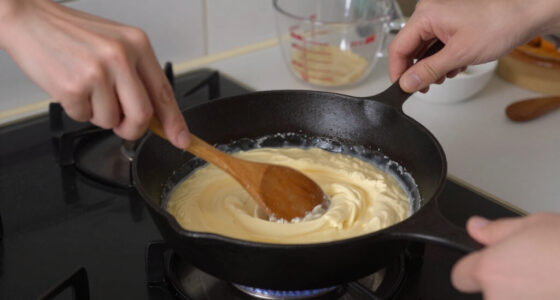
Cleaning cast iron without ruining the seasoning is all about gentle techniques and regular re-seasoning. Use minimal water, avoid harsh scrubbers, and reapply oil after cleaning to keep your skillet non-stick and rust-free.
Why Proper Cleaning Protects Your Cast Iron’s Seasoning
Seasoning is a delicate polymerized oil layer bonded to your cast iron, giving it that slick, non-stick surface. Cleaning it the wrong way can strip this layer, leading to sticking and rust. Think of your seasoning as a protective armor—gentle cleaning methods keep it intact, while harsh scrubbing or soaking can weaken or wash it away.
Understanding why this matters is crucial: if your seasoning is compromised, your pan’s non-stick qualities diminish, and it becomes more susceptible to rust and corrosion. Over time, neglecting proper cleaning can result in a dull, uneven surface that sticks more and is harder to restore. Therefore, the tradeoff is clear: gentle cleaning preserves the seasoning, maintaining the pan’s performance and longevity, while aggressive methods might seem faster but ultimately damage the surface, requiring more extensive re-seasoning down the line.
As an affiliate, we earn on qualifying purchases.
How to Clean Cast Iron Without Ruining the Seasoning in 4 Easy Steps
- Wipe out excess food with a paper towel or soft cloth while still warm. This prevents food residue from hardening and becoming more difficult to remove later, which can cause sticking and compromise the seasoning if scraped aggressively.
- Use hot water for rinsing—no soaking! A quick rinse loosens stuck-on bits without soaking the seasoning. Extended soaking can lead to rust, especially if the seasoning isn’t fully sealed, so limiting water contact preserves the integrity of the protective layer.
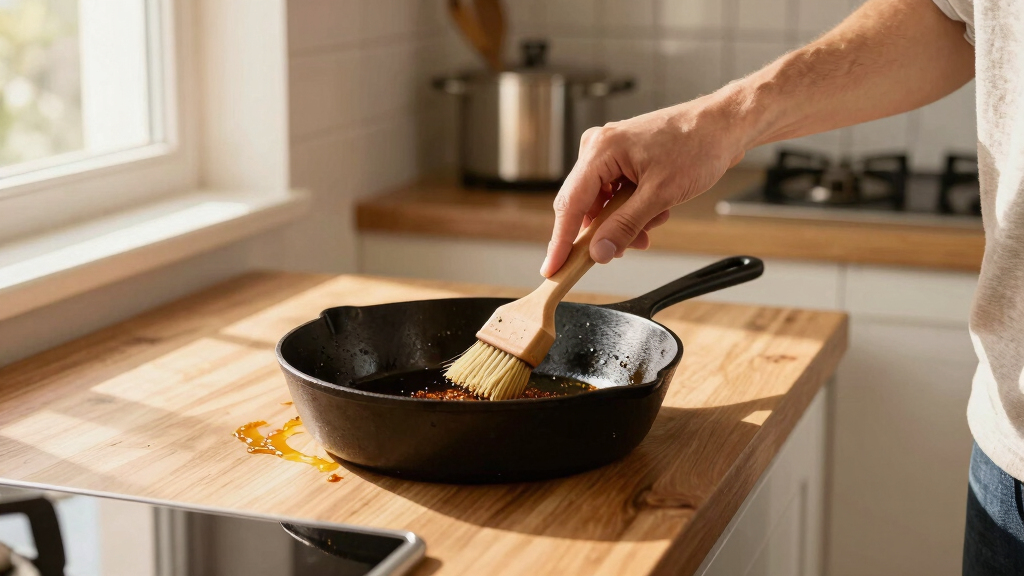
- Scrub gently with a non-abrasive brush, silicone scrubber, or a handful of coarse salt. Salt acts as a natural abrasive that cleans without stripping the oil layer. The tradeoff here is between effective cleaning and preserving seasoning—gentle scrubbing with salt strikes this balance, removing debris without damaging the polymerized oil.
- Dry immediately with a towel or on low heat on the stove. Then, wipe a thin layer of oil onto the surface to seal it. Proper drying prevents moisture from seeping in, which can cause rust and deteriorate the seasoning over time. Re-oiling restores the protective layer, maintaining the pan’s non-stick qualities and preventing rust.
As an affiliate, we earn on qualifying purchases.
Cleaning Tools That Keep Your Seasoning Safe
Choosing the right tools is key. Avoid steel wool and harsh metal scrubbers that can gouge or strip seasoning. Instead, opt for:
- Silicone scrub brushes: Soft yet effective at removing residue without damaging the seasoning.
- Chainmail scrubbers: Gently handle stuck-on bits while being less abrasive than steel wool, helping preserve the seasoning layer during routine cleaning.
- Coarse sea salt: Acts as a natural scrubber when combined with a cloth or paper towel. Its abrasiveness is enough to lift grime without stripping the seasoned surface, especially when used with gentle pressure.
As an affiliate, we earn on qualifying purchases.
Frequently Asked Questions
Can I use soap to clean my cast iron?
Yes, you can use mild soap occasionally if your pan is well-seasoned. Many cooks avoid soap regularly, but a quick wash with a little soap won’t ruin the seasoning if you re-oil afterward. Just don’t overdo it, and always dry thoroughly.
How do I remove stubborn, stuck-on food?
Use hot water combined with coarse salt. Scrub gently with a silicone brush or cloth. For really stuck bits, simmer water in the pan for a few minutes, then scrub. Always dry and oil afterward to keep the surface protected. This method works because the heat softens the residue, making it easier to lift without aggressive scrubbing that could damage the seasoning.
How often should I re-season my cast iron?
Re-season when the surface looks dull, sticky, or when food begins to stick more. Typically every 3-6 months with regular use. Deep re-seasoning can be done after rust removal or extensive cleaning. Regular re-seasoning ensures the protective oil layer remains thick and adherent, which is essential for non-stick performance and rust prevention.
Is steel wool safe for cleaning?
Steel wool strips seasoning and can damage the surface, especially if used frequently. It’s best reserved for rust removal or deep restoration after stripping old seasoning. For routine cleaning, softer tools like silicone brushes or salt scrubs are safer choices, as they clean effectively without compromising the seasoning layer and require less re-seasoning afterward.
As an affiliate, we earn on qualifying purchases.
Conclusion
A well-maintained cast iron skillet is a lifelong tool—if you clean it right. Gentle methods, prompt drying, and regular re-oiling turn routine cleaning into a ritual that preserves your pan’s character and performance. Keep the surface seasoned, and your skillet will reward you with decades of reliable, non-stick cooking. Remember, patience and simple tools are your best allies in this manual kitchen game.Halloween Picks
halloween
As an affiliate, we earn on qualifying purchases.