
TL;DR

Get kitchen gear delivered free — and shop member deals
- Fast, free delivery on millions of items
- Access to Prime Big Deal Days deals on October 6–7
- Prime Video, Amazon Music and more included
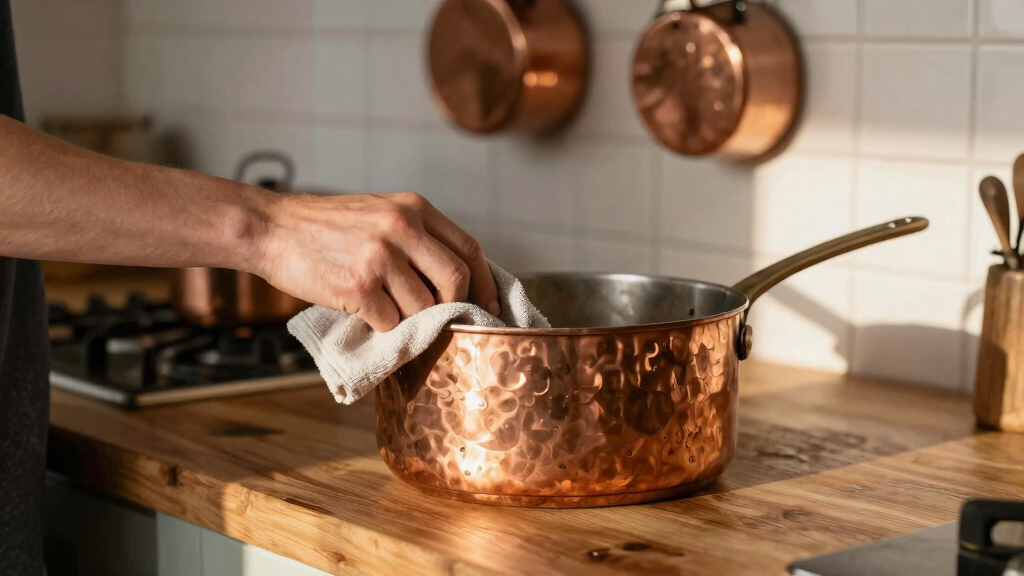
To care for heirloom copper cookware, clean it gently with natural solutions, polish regularly, handle with care, and store properly. These steps help preserve its shine and value over time.
Imagine pulling out a gleaming copper pot passed down through generations. Its rich, warm glow adds character to your kitchen. But copper demands more than just admiration—it needs care. Without it, that beautiful patina can turn dull or stained, losing its charm and value.
This guide walks you through the real-world steps to keep your heirloom copper cookware looking stunning and functioning perfectly. From cleaning and polishing to storage and restoration, you’ll learn how to treat these metal treasures with the respect they deserve.
Use gentle, natural cleaning solutions like lemon and salt to remove tarnish without damaging the copper.
Regular polishing with soft cloths keeps copper shiny and preserves its heirloom value.
Handle with care—use padded gloves and store in a dry, ventilated space to prevent dents and tarnish.
Interior linings—whether tin or stainless steel—require specific, gentle care to prolong their lifespan.
Seek professional restoration for heavy tarnish or damage to maintain both appearance and safety.
How to Gently Clean Tarnished Copper Without Losing Its Shine
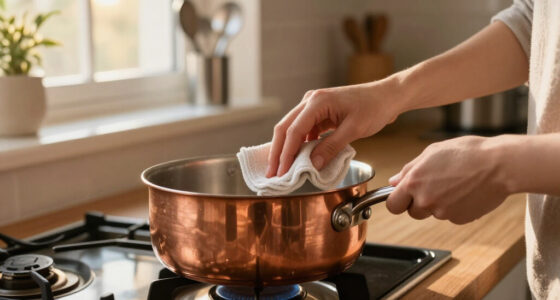
Cleaning copper is about restoring beauty, not stripping it. The key is gentle methods that remove tarnish without scratching or damaging the metal.
For light tarnish, rub a mixture of lemon juice and salt onto the surface using a soft cloth. Let it sit for a few minutes before rinsing with warm water and drying thoroughly. For stubborn spots, a commercial copper polish designed for heirlooms works well, but always test on a small area first.
Remember: avoid steel wool or harsh abrasives. These scratch the copper, ruining the patina you might want to keep or restore later.
Why does this matter? Tarnish is a natural process—copper reacts with air and moisture, forming a layer of copper oxide that dulls its appearance. Gentle cleaning preserves the patina’s character, which many collectors and enthusiasts value as part of the piece’s history. Overly aggressive cleaning can strip this layer, reducing the piece’s antique charm and potentially damaging the surface, making future restoration more difficult or even impossible.
heirloom copper cookware cleaning kit
As an affiliate, we earn on qualifying purchases.
As an affiliate, we earn on qualifying purchases.
How to Polish Copper for a Lustrous, Museum-Quality Finish
Polishing isn’t just about shine; it’s about protecting and maintaining the metal’s character. Regular polishing keeps your copper looking vibrant and prevents dullness.
Use a soft, clean cloth to apply a small amount of commercial copper polish or a homemade paste of lemon juice and baking soda. Rub in circular motions, then buff until shiny. For heirloom pieces, avoid over-polishing, which can thin the metal or remove a treasured patina.
Polish every few months or as needed—especially if you notice dullness or tarnish creeping in. A well-polished piece can look like new, even decades after it was made.
Why is this important? Polishing enhances the visual appeal but also forms a protective layer that can slow further tarnishing. However, over-polishing or aggressive buffing can thin the copper, increasing its vulnerability to damage and reducing its historical value. Striking a balance ensures the cookware remains both beautiful and durable, safeguarding its integrity for future generations.
As an affiliate, we earn on qualifying purchases.
How to Handle and Store Copper to Keep It Pristine
Handling and storage are often overlooked but crucial. Copper is soft and prone to dents and scratches. When moving or cleaning, handle with care—use padded gloves or soft cloths to prevent fingerprints and scratches.
Store your copper cookware in a dry, cool space. Hanging them on a rack keeps air circulating and prevents moisture buildup, which accelerates tarnish. If stacking, place a soft cloth or felt between pieces to avoid scratches. Applying a light coat of mineral oil before storage can slow tarnishing and keep the surface looking fresh longer.
Why care about handling and storage? Copper’s softness makes it susceptible to physical damage—dents and scratches can mar its appearance and weaken the structure over time. Proper handling minimizes these risks, preserving the cookware’s aesthetic and functional integrity. Storage methods that promote airflow and reduce moisture exposure help slow the oxidation process, maintaining the piece’s shine and preventing early tarnish or corrosion. These practices ensure the heirloom remains in optimal condition, reducing the need for frequent repairs or restorations.
copper tarnish remover for heirlooms
As an affiliate, we earn on qualifying purchases.
As an affiliate, we earn on qualifying purchases.
Recent Developments That Make Caring for Copper Easier
Technological advances have improved how we care for copper. Eco-friendly cleaning products, like biodegradable copper polishes, are now available, making maintenance more sustainable. Restoration techniques, such as electro-polishing and re-tinning, restore heirlooms to their original glory with less risk of damage.
Some manufacturers now offer protective coatings that slow tarnish formation, reducing the frequency of cleaning. Online tutorials and dedicated guides help even beginners learn proper care techniques, making preservation accessible for everyone.
Why do these innovations matter? They reduce the time, effort, and potential harm involved in maintaining heirloom copper. Eco-friendly products minimize environmental impact, while advanced restoration methods ensure the longevity of your pieces without invasive procedures. Protective coatings act as a barrier, decreasing tarnish formation and preserving the original appearance longer. These developments empower collectors and enthusiasts to care for their copperware more confidently, knowing that modern solutions support preservation without compromising authenticity or safety.
As an affiliate, we earn on qualifying purchases.
What You Need to Know About Interior Linings and Their Care
Many heirloom copper pots are lined with tin or stainless steel—each requiring specific care. Tin linings are delicate and can be scratched or damaged by high heat or abrasive cleaning. Clean them gently with a soft cloth and avoid metal scrapers. For stainless steel linings, use mild dish soap and non-abrasive scrubbers.
If the lining becomes damaged or worn, professional re-tinning or re-lining might be necessary. Proper care prolongs both the lining’s life and the overall integrity of the piece.
Why is this important? The interior lining not only affects the safety of cooking but also impacts the durability of the cookware. Tin linings are especially vulnerable because they are thin and can wear down over time, exposing the copper beneath, which can react with food. Stainless steel linings are more durable but still require gentle cleaning to avoid scratches. Recognizing the signs of wear early and handling linings with care ensures the cookware remains safe and functional, preserving its value as an heirloom.
How to Spot When Your Copper Needs Professional Restoration
Heavy tarnish or physical damage often signals it’s time for expert help. If your copper piece looks dull even after cleaning, or if the lining shows signs of damage, professional restoration can save it.
Restoration might include electro-polishing to remove deep tarnish or re-tinning to restore the interior lining. Avoid DIY fixes that involve harsh chemicals or aggressive scrubbing, which can do more harm than good.
Why is this important? Recognizing the need for professional intervention is crucial because improper repairs can permanently damage the piece or diminish its value. Restoration specialists have the tools and expertise to address issues without compromising the integrity of the copper or its lining. Investing in professional restoration ensures your heirloom retains its beauty, safety, and worth for years to come.
Storage and Care Tips to Keep Copper Shiny for Years
Proper storage prevents tarnish and damage. Hang your copper pots in a well-ventilated spot, away from humidity. Using padded hooks or cloth-lined shelves prevents scratches. Consider applying a thin layer of mineral oil or beeswax to the surface—this forms a protective barrier against air and moisture.
Regularly wipe down your cookware with a soft cloth to remove fingerprints or dust. With consistent care, your heirloom copper can retain its glow for decades, becoming a true family heirloom.
Why does this matter? Proper storage practices directly impact the longevity of your copperware. Humidity and improper handling accelerate tarnishing and corrosion, which can be costly or impossible to reverse. Using protective coatings and gentle cleaning routines help maintain the surface’s luster, reducing the need for frequent restoration and ensuring the piece remains beautiful and functional for generations.
Frequently Asked Questions
How do I clean tarnished copper cookware without damaging it?
Use gentle methods like lemon juice and salt or a commercial copper polish designed for heirlooms. Avoid steel wool or harsh abrasives, which can scratch the surface and ruin the patina or finish.
Can I use my copper cookware on induction stoves?
Pure copper isn’t magnetic, so it won’t work directly on induction stoves. If your copper cookware has a magnetic base or an induction-compatible layer, then yes—otherwise, you’ll need a separate induction plate or use a different heat source.
How often should I polish my copper pots?
Polishing depends on use and personal preference. Typically, every 2-4 months is enough, or whenever you notice dullness or tarnish. Regular maintenance keeps the shine bright and the surface protected.
Is it safe to cook with unlined copper cookware?
Unlined copper can be reactive and leach into food, especially with acidic ingredients. Most heirloom pieces have tin or stainless steel linings for safety. Always check if your piece is lined before cooking.
How do I restore a heavily tarnished or damaged heirloom copper piece?
Professional restoration, including electro-polishing or re-tinning, is the best option. Avoid DIY fixes that use harsh chemicals or abrasive tools, as they can cause further harm and reduce the piece’s value.
Conclusion
Your heirloom copper cookware isn’t just a pretty face—it’s a durable tool that, with proper care, can last for generations. Think of each cleaning and polish as a small act of respect for its craftsmanship and history.
Keep it clean, handle it gently, and store it thoughtfully. That way, your copper will continue to warm your kitchen and your heart for decades to come.
Fall Picks
fall essentials
As an affiliate, we earn on qualifying purchases.