
TL;DR

Get kitchen gear delivered free — and shop member deals
- Fast, free delivery on millions of items
- Access to Prime Big Deal Days deals on October 6–7
- Prime Video, Amazon Music and more included
Cast iron holds heat so well because of its dense, high-capacity material that absorbs and retains heat efficiently. Using it properly means preheating, avoiding sudden temperature changes, and maintaining seasoning for optimal performance.
Cast iron’s high density and heat capacity make it excellent at absorbing and slowly releasing heat.
Preheating gradually and avoiding sudden temperature shifts preserves both the pan and its seasoning.
Proper maintenance, including regular oiling and cleaning, keeps cast iron performing at its best.
Modern innovations have made cast iron lighter and easier to handle without sacrificing heat retention.
Use cast iron for tasks that benefit from steady, even heat—like searing, frying, or baking bread.
What makes cast iron so good at holding heat?
Cast iron is a dense alloy primarily made of iron, with a high carbon content. Its density—around 7.2 g/cm³—means it packs a lot of material in a small space. This density allows it to absorb a significant amount of heat quickly.
Think of it like a heavy brick wall soaking up the sun. Once heated, it releases that stored warmth slowly, maintaining a steady temperature even when you turn down the heat or remove it from the stove. This high heat capacity is what makes cast iron so reliable for even cooking.
Why does this matter? Because the dense, high-capacity nature of cast iron means it can store thermal energy and release it gradually. This results in more consistent cooking temperatures, reducing hot spots that can burn food or cause uneven results. The tradeoff is that it takes longer to heat up initially, so patience during preheating is essential. But once hot, it provides a stable cooking environment that’s hard to match with lighter materials.
As an affiliate, we earn on qualifying purchases.
The science behind heat retention: density, heat capacity & conduction
Cast iron’s ability to hold heat comes down to three main factors:
- Material density: The compact structure means more material to absorb heat, allowing the pan to store more thermal energy.
- High heat capacity: It can store a large amount of heat energy before its temperature rises significantly, which helps maintain consistent heat during cooking.
- Moderate thermal conductivity: It spreads heat evenly across its surface, which minimizes hot spots and ensures uniform cooking. This balance ensures the heat is not just retained but also distributed efficiently.
For example, when you sear a steak, the cast iron skillet quickly reaches a high temperature and distributes that heat evenly across the surface, allowing for a perfect sear without burning the exterior. The retained heat then continues cooking the meat internally, leading to tender, evenly cooked results. This interplay of properties—density, capacity, and conductivity—means that cast iron is uniquely suited for cooking tasks that require steady, high heat. However, it also means that improper use, like overheating or rapid cooling, can damage these properties or lead to uneven results. Understanding these tradeoffs helps you optimize your technique for best results.
As an affiliate, we earn on qualifying purchases.
How recent innovations make cast iron even better for heat retention
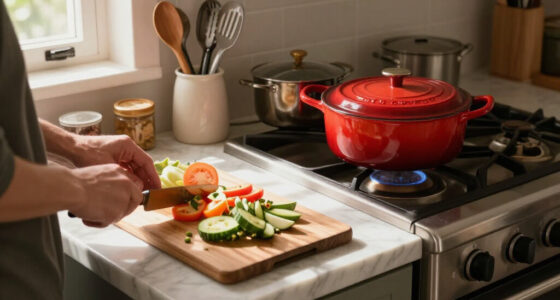
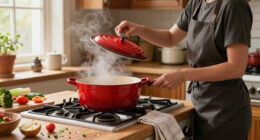
Modern manufacturing has improved how well cast iron holds heat. Pre-seasoned pans now come with a durable, non-stick surface that retains heat longer and cleans easier. Enameled versions, like Le Creuset, add a layer that conducts heat efficiently while resisting rust and corrosion.
Some brands produce lighter cast iron without sacrificing heat retention, making them easier to handle. These advancements mean you get the same reliable performance, but with less effort and more versatility.
Why do these innovations matter? Because they expand the usability of cast iron. Lighter pans reduce fatigue, making it easier to cook for longer periods or handle larger batches. The non-stick and enamel coatings improve heat retention by reducing heat loss during cooking, ensuring more stable temperatures. While these modifications are beneficial, they also introduce tradeoffs—such as potentially reduced durability or different maintenance requirements—so understanding these helps you choose the right pan for your needs and cooking style.
As an affiliate, we earn on qualifying purchases.
Key facts about cast iron heat retention
Here are some quick facts to keep in mind:
- Cast iron can withstand temperatures over 2,000°F, making it suitable for oven, broil, or stovetop use.
- Properly seasoned cast iron develops a natural non-stick surface that improves with use, which also helps in heat retention by creating a more even cooking surface.
- With proper care, a cast iron skillet can last for generations, often becoming a family heirloom that carries culinary history and tradition.
- Compared to other materials, cast iron is usually more affordable and more durable, but it requires maintenance to prevent rust and preserve its heat-retaining properties.
Understanding these facts helps you appreciate the longevity and performance of cast iron, but also highlights the importance of proper care to maximize its heat retention capabilities over time.
As an affiliate, we earn on qualifying purchases.
Using cast iron to maximize its heat-retaining power
To get the most out of your cast iron, follow these practical steps:
- Preheat gradually: Warm your skillet over medium heat for 5-10 minutes before cooking. This slow buildup prevents warping and promotes even heat distribution, which is crucial for consistent results.
- Use medium or low heat: Its heat retention means you often don’t need high settings. High heat can damage the seasoning or warp the pan, reducing its effectiveness over time.
- Avoid sudden temperature changes: Don’t plunge a hot pan into cold water—let it cool slightly first. Rapid cooling can cause warping or cracking, which compromises the pan’s ability to hold heat evenly.
- Maintain your seasoning: Regularly oil and heat the pan to keep the non-stick layer intact. A well-seasoned pan retains heat better and provides a more even cooking surface.
- Take advantage of its steady heat: Use it for searing steaks, frying chicken, or slow-cooking stews for even results. The consistent heat helps develop flavors and textures that are hard to achieve with other materials.
Imagine roasting vegetables in a hot cast iron skillet—once it hits the oven, the pan radiates heat, ensuring a crispy, caramelized exterior every time. Proper technique maximizes this heat retention, leading to better flavor and texture in your dishes.
Why your cast iron stays hot longer — and what that means for your cooking
Cast iron’s knack for staying hot stems from its high heat capacity and density. In practical terms, it means your food cooks evenly, with fewer hot spots. This steady heat is crucial for achieving perfect sears, crispy textures, and thorough cooking, especially with thicker cuts or slow-cooked dishes.
For example, when you sear a steak, the pan stays hot enough to caramelize the surface quickly without burning. That residual heat also helps cook thicker cuts evenly without flipping multiple times. The tradeoff is that this heat retention can cause the pan to stay hot even after removing it from the heat source, which requires careful handling to prevent overcooking or burning your food. Recognizing this property allows you to plan your cooking sequence better, starting with high-heat tasks and then lowering the heat to avoid overdoing it. It also means you can multitask—searing first, then slow-cooking—without losing the initial searing temperature, leading to more consistent results and less guesswork.
Common mistakes that ruin cast iron’s heat performance
Even a seasoned cast iron pan needs respect. Avoid these pitfalls because they can damage the pan’s structure or its ability to retain heat:
- Overheating: Cranking your stove to high can warp the pan or damage the seasoning layer, reducing its heat retention and potentially leading to uneven cooking.
- Cooling it suddenly: Plunging a hot pan into cold water causes rapid contraction, which can lead to warping or cracks that impair heat distribution and retention.
- Neglecting cleaning and seasoning: Rust and uneven seasoning layers develop if you don’t clean and oil your pan regularly. These imperfections disrupt heat flow and can create hot spots, leading to uneven cooking or sticking.
For instance, pouring cold water into a hot pan might cause tiny cracks you can’t see but that weaken the structure over time, diminishing its ability to hold heat effectively. Proper use and maintenance ensure your cast iron remains a reliable, heat-retentive tool for decades.
The best ways to care for your cast iron to keep it hot and ready
Proper maintenance ensures your cast iron keeps its heat-retaining superpowers. After cooking:
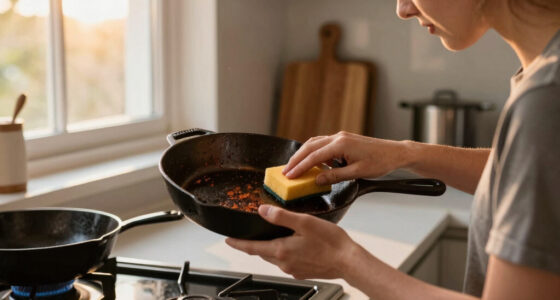
- Wash with hot water and a brush—skip soap unless it’s enameled. This preserves the seasoning and prevents stripping away the heat-retaining layer.
- Dry thoroughly—moisture invites rust, which can ruin the pan’s structure and its ability to hold heat.
- Apply a light coat of oil before storing. This helps maintain the seasoning and creates a barrier against moisture.
- Heat the pan gently on the stove to strengthen the seasoning. This step helps reinforce the non-stick layer and ensures the pan remains an efficient heat reservoir for future use.
Think of it like tuning a guitar—regular care, including cleaning and seasoning, keeps your cast iron performing at its best, ensuring it continues to retain heat effectively for years to come.
Conclusion
Getting the most out of your cast iron means respecting its heat-retaining power. Preheat slowly, avoid shocks, and keep it seasoned. In return, you get a cooking tool that’s reliable, durable, and capable of turning simple ingredients into something memorable. Remember, a well-maintained cast iron skillet isn’t just cookware—it’s a legacy waiting to be passed down. Every time you cook with it, you’re tapping into centuries of craftsmanship and tradition. That’s real value—built into every heat-retentive surface.Halloween Picks
halloween
As an affiliate, we earn on qualifying purchases.