TL;DR

Get kitchen gear delivered free with Prime
- Fast, free delivery on millions of items
- Prime Video, Amazon Music and more included
- Member-only deals all year
Cooking over a campfire in cast iron is simple once you learn to build a steady fire and control heat. Properly seasoned cast iron distributes heat evenly, making it perfect for everything from frying to baking in the wild.
Imagine the crackle of burning wood, the smell of smoke mixing with sizzling food, and the rich aroma of cast iron searing your steak. There’s something primal about cooking over an open flame with heirloom cookware. It’s not just about food; it’s about connection, skill, and self-reliance.
In this guide, you’ll learn how to turn a simple campfire into a dependable kitchen. From building the right fire to handling hot cast iron safely, we’ll cover everything you need for outdoor meals that satisfy and last. Whether you’re a seasoned camper or just starting out, these practical tips will help you cook confidently in the wild.
Start with a well-built, glowing bed of coals for even heat.
Control heat by adjusting your skillet’s position over the fire, not just the size of the flames.
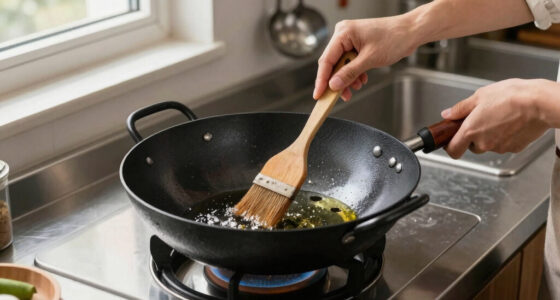
Proper cleaning and seasoning keep your cast iron in top shape for outdoor use.
Use long-handled tools and gloves to handle hot cookware safely.
Invest in lightweight or enameled options for easier camping and quick cleanup.
Pick the Perfect Cast Iron Gear for Your Campfire Feast
Choosing the right cast iron is your first step. Think about what you want to cook and how many people you’re feeding. A 10-inch skillet is versatile for pancakes or steaks, while a Dutch oven excels at stews and baking bread. Most modern cast iron comes pre-seasoned, but maintaining that seasoning is key to non-stick cooking and rust prevention.
For campfire cooking, durable, thick-walled skillets and Dutch ovens are your best friends. Lightweight options exist, but thicker metal holds heat better and withstands the rigors of outdoor use. If you’re packing light, look for enameled cast iron—easier to clean and doesn’t require seasoning.
Understanding the differences in cast iron types helps you choose the right tool for your outdoor cooking needs. For instance, enameled cast iron is less forgiving in terms of seasoning but offers easier maintenance, which is ideal for quick setups or less experienced cooks. Conversely, traditional seasoned cast iron requires care but rewards you with superior heat retention and flavor development over time. Selecting the right gear is a tradeoff between convenience and performance, and knowing your priorities will ensure your gear supports your culinary goals in the wild.
As an affiliate, we earn on qualifying purchases.
Build a Fire That Burns Steady and Hot—Your Cooking Ally
A good campfire for cooking isn’t just about flames; it’s about steady, glowing coals. Building a fire that produces consistent heat is crucial because fluctuating temperatures can lead to uneven cooking, burnt edges, or raw centers. Starting with dry, seasoned hardwoods like oak or maple is important because these woods produce cleaner, hotter embers that sustain your fire longer without excessive smoke or ash. Softwoods burn faster and produce more creosote, which can muddy the flavor and create buildup on your cookware.
Building the fire in a way that allows you to shape the flames and coals into a cooking bed is a skill that pays off. For example, a teepee or log cabin structure encourages airflow and helps you develop a bed of embers more quickly. Waiting until the wood has turned into a bed of glowing embers—about 30-45 minutes—ensures you have a stable heat source. This consistency matters because it allows you to cook with precision, avoiding the frustration of fluctuating temperatures which can ruin delicate dishes or cause uneven browning. Using larger logs for sustained heat and smaller kindling for initial flames creates a balance that supports your cooking process, giving you control over the fire’s intensity and duration.
As an affiliate, we earn on qualifying purchases.
Master Heat Control: Your Secret Weapon in Outdoor Cooking
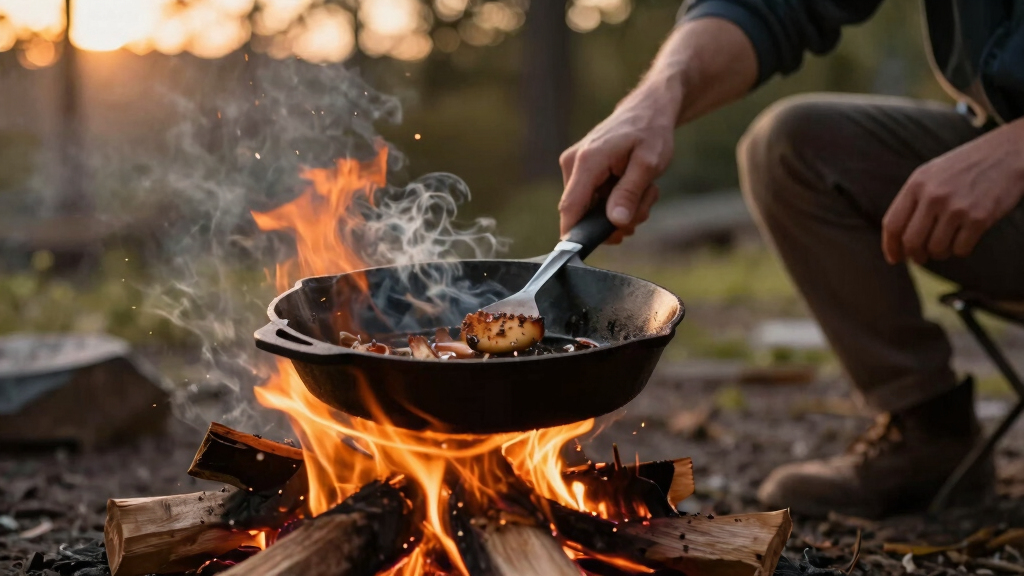
Controlling heat over a campfire in cast iron is an essential skill that separates novice cooks from seasoned outdoor chefs. The placement of your skillet relative to the coals directly influences cooking speed and quality. Positioning the skillet directly over hot embers provides high, direct heat ideal for searing meats or frying, but it can quickly burn food if not monitored carefully. Moving the skillet to the edge of the coals or onto a bed of cooler ashes reduces the heat, allowing for simmering, slow roasting, or baking. This flexibility is vital because different recipes require different heat levels, and managing these levels ensures you don’t overcook or undercook your meal.
Understanding the heat zones—direct over flames for high heat, on hot coals for medium-high, and on cooler ashes for low—gives you a framework for precise control. Practice shifting your skillet and observing how the fire responds. Over time, you’ll develop an intuitive sense of how to manipulate the fire to match your cooking needs. The key is patience and observation: adjusting position, timing, and fire management to create the optimal environment for each dish. This mastery reduces the guesswork, minimizes burnt food, and enhances the flavor and texture of your outdoor meals.
As an affiliate, we earn on qualifying purchases.
Frequently Asked Questions
How do I start a campfire suitable for cooking?
Use dry, seasoned hardwoods like oak or maple. Build a teepee or log cabin fire and wait until you have a solid bed of glowing embers, usually 30-45 minutes. This provides steady, controllable heat perfect for cooking.
How do I control the heat when cooking with cast iron over a campfire?
Place your skillet directly over hot coals for high heat, and move it to the edge or onto cooler ashes for lower temperatures. Practice shifting your pan to see how the fire responds—over time, you’ll get a feel for it.
How do I clean and maintain my cast iron after campfire cooking?
Rinse with hot water and scrub with a stiff brush—no soap. Dry thoroughly, then apply a thin coat of oil before storing. Re-season periodically by heating the skillet until the oil bonds to the metal, creating a natural non-stick surface.
Can I cook all types of food over a campfire with cast iron?
Absolutely. Cast iron excels at frying, baking, roasting, and simmering. It’s incredibly versatile—think of it as your portable, all-in-one outdoor kitchen.
What safety precautions should I take?
Always use long-handled tools and heat-resistant gloves. Keep a water source nearby, handle hot surfaces carefully, and ensure your fire is fully extinguished after cooking. Patience and awareness keep everyone safe.
As an affiliate, we earn on qualifying purchases.
Conclusion
Mastering campfire cooking with cast iron isn’t just about food—it’s about turning fire into your most reliable kitchen. With patience, practice, and respect for the heat, you’ll create hearty, delicious meals in the wild that taste like they came from a backyard stove.
Next time you build a fire, remember: it’s not just about burning wood. It’s about forging a skill that turns simple ingredients into memorable meals—one hot skillet at a time.
Fall Picks
fall essentials
As an affiliate, we earn on qualifying purchases.