
TL;DR

Get kitchen gear delivered free — and shop member deals
- Fast, free delivery on millions of items
- Access to Prime Big Deal Days deals on October 6–7
- Prime Video, Amazon Music and more included
While true espresso needs 9 bars of pressure, you can make strong, concentrated coffee with tools like a Moka pot or Aeropress. These methods rely on fine grind, hot water, and proper technique to deliver rich flavor and crema-like foam, perfect for off-grid or DIY setups.
Imagine waking up in your off-grid cabin and craving that dark, velvety shot of espresso. You don’t have a machine, but you still want that bold flavor and thick crema. The good news? It’s possible. You just need the right tools, some know-how, and a bit of patience.
In this guide, you’ll learn how to brew espresso-like coffee using manual methods—no electricity, no fancy gadgets. Whether you’re off-grid, traveling, or just want a hands-on approach, these techniques turn simple cookware and a fine grind into a satisfying shot of strong coffee.
A Moka pot produces about 1.5 bars of pressure, enough for a rich, espresso-like brew, but not true espresso.
An Aeropress can generate 2-3 bars of pressure, making it a versatile choice for strong, concentrated coffee.
Fineness of grind is critical—aim for a powdery texture for best extraction.
High water temperature (around 200°F) and quick brewing times (20-30 seconds) maximize flavor and crema-like foam.
Manual pressure devices like lever presses can produce genuine espresso pressure, but they cost more and require practice.
Why True Espresso Is Hard to Make Without a Machine (And What You Can Achieve Instead)
True espresso demands 9 bars of pressure—almost nine times atmospheric pressure—created by commercial machines. Without that, your best bet is to aim for a concentrated, bold brew that mimics espresso’s flavor profile. Think of it as a rich, thicker coffee, not a perfect shot.
Tools like the Moka pot or Aeropress can get you close. They use pressure or rapid brewing techniques to extract intense flavors, though they won’t produce the same crema or exact pressure levels. Understanding why this matters helps you set realistic expectations: a lower pressure means less emulsification of oils, resulting in a different texture and crema. The tradeoff is that these methods are more accessible and portable, but they require careful control of grind size and brew time to optimize flavor. For example, a Moka pot’s pressure is enough to extract deep, robust flavors but won’t produce the silky crema that a high-end espresso machine can generate. Recognizing these differences allows you to appreciate the unique qualities of each method and adjust your technique accordingly.
As an affiliate, we earn on qualifying purchases.
The Best Manual Tools for Making Espresso-Like Coffee at Home
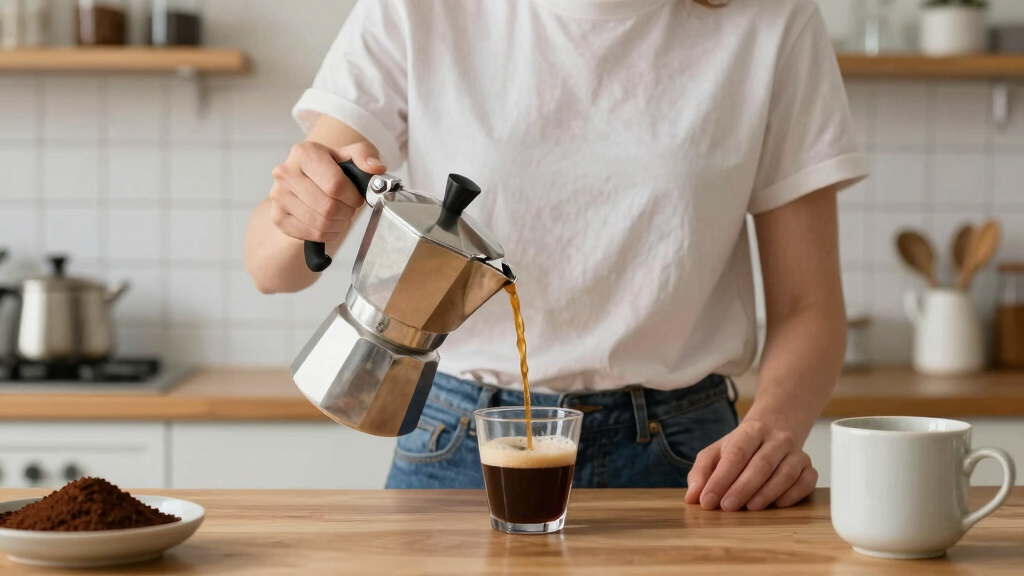
- Moka Pot: The classic stovetop device that heats water to create pressure and push it through finely ground coffee, producing a dark, rich brew. While it doesn’t reach espresso pressure, its design allows for a buildup of steam pressure that emulsifies oils and extracts deep flavors, making it a favorite for those seeking a strong, concentrated coffee with a robust body.
- Aeropress: Uses a plunger to generate up to 2-3 bars of pressure, which is enough to produce a rich, thick coffee with some crema-like foam. Its versatility allows you to experiment with brew times and grind sizes, making it a popular choice for hobbyists aiming for an espresso-style shot with minimal equipment.
- Manual Lever Press: Hand-powered devices capable of reaching 9 bars of pressure, mimicking the pressure profile of commercial machines. These are more expensive and require some practice to master, but they offer the closest approximation to true espresso, giving you control over pressure and extraction time. Imagine a small, portable espresso machine you can operate with a lever—this is the best tool for achieving authentic espresso quality manually.
- Portable Electric or Hand Pump Devices: Compact options that use manual pressure via a small pump, ideal for travel or off-grid use. They often combine ease of use with portability, providing consistent pressure to produce a rich shot. Think of these as the espresso machine in a box, perfect for camping or remote locations where electricity isn’t available.
Each tool’s unique design influences the flavor, texture, and ease of use. For example, a Moka pot’s simplicity makes it reliable for daily use but limits control over pressure, affecting crema quality. Conversely, a lever press offers precise pressure control, enabling a more authentic espresso shot, though at a higher cost and complexity. By understanding these distinctions, you can select the best tool based on your taste preferences, budget, and available space, ensuring you get the most out of your manual brewing journey.
As an affiliate, we earn on qualifying purchases.
Step-by-Step: How to Brew Strong Coffee Like Espresso with an Aeropress
- Grind your beans: Use a fine grind, similar to powdered sugar. Freshly ground beans make a big difference because they contain more oils and volatile compounds that contribute to flavor and crema. A finer grind increases surface area, allowing for more extraction in a short brew time, which is essential for mimicking espresso’s intensity.
- Prepare your Aeropress: Place the filter in the cap, rinse it with hot water to remove papery taste and preheat the device, then assemble. Preheating helps maintain the temperature, ensuring optimal extraction and flavor development.
- Add coffee: Use about 18-20 grams for a double shot equivalent. Measuring precisely ensures consistency and balance in flavor, especially when aiming for a concentrated shot.
- Pour hot water: Near boiling, about 200°F (93°C), filling to the top of the chamber. Using water at this temperature maximizes extraction of oils and flavors while avoiding over-extraction that leads to bitterness.
- Stir and steep: Mix gently with a paddle or spoon, then let it sit for 30 seconds. This step ensures even saturation of grounds and promotes a full extraction similar to espresso’s quick brew.
- Press down: Use a steady, even pressure to push the coffee through the filter, extracting a concentrated shot. The pressure should be controlled; too forceful can cause over-extraction or spattering, while too gentle results in weak coffee. Think of it as giving a firm, consistent push to emulate the high-pressure extraction of a machine.
This method produces a dark, syrupy coffee with a velvety mouthfeel—close to espresso in flavor and appearance. The key is balancing grind size, water temperature, and pressure to maximize flavor and create a crema-like foam, which enhances the sensory experience and mimics the richness of true espresso.
As an affiliate, we earn on qualifying purchases.
Comparing Moka Pot and Aeropress for Espresso-Style Coffee
| Feature | Moka Pot | Aeropress |
|---|---|---|
| Pressure | ~1.5 bars | Up to 2-3 bars |
| Ease of Use | Simple, minimal steps | |
| Flavor Profile | Rich, intense, slightly smoky | |
| Speed | 5-10 minutes | |
| Portability | High |
As an affiliate, we earn on qualifying purchases.
Troubleshooting Common Issues When Making Espresso-Like Coffee
- Weak flavor: Use finer grind, increase brew time, or tamp more firmly if using a lever device. Think of it as squeezing more flavor out of your coffee—finer grounds and longer contact time help extract those rich oils and flavors that define espresso.
- Bitter taste: Avoid over-extraction by reducing brew time or using a slightly coarser grind. Over-extraction pulls out bitter compounds, so adjusting these variables is like tuning a recipe—small changes make a big difference in flavor balance.
- Lack of crema: Remember, true crema needs high pressure—don’t expect perfect foam without it. Focus on flavor and texture instead. Using a fine grind and proper tamping in a lever device or aeropress can produce a foam layer that resembles crema, giving the visual and textural cues of espresso, even if it’s not true crema.
- Spitting or sputtering: Check for clogged filters or uneven tamping, especially in a Moka pot. This is like a clogged pipe—impeding pressure buildup and causing inconsistent extraction. Regular maintenance and correct technique help ensure steady pressure and optimal flavor.
Adjusting grind size, water temperature, and brewing time can dramatically improve your results. Think of it as fine-tuning your brewing ‘recipe’ to get closer to that perfect shot every time.
Frequently Asked Questions
Can I make true espresso without a commercial machine?
No, true espresso requires 9 bars of pressure, which is tough to replicate without specialized equipment. But you can make strong, concentrated coffee that’s close enough for most tastes using manual tools like a Moka pot or Aeropress.What’s the best way to get a thick crema without an espresso machine?
Achieving authentic crema is challenging without high pressure, but a well-made Aeropress or lever press can produce a foam-like layer that mimics crema, especially when using fine, fresh grounds and proper tamping. For example, pressing with consistent, moderate force helps emulsify oils that create a crema-like foam, enhancing both appearance and mouthfeel.How fine should my coffee grounds be?
Aim for a powdery, uniform grind similar to powdered sugar. This fine consistency allows for maximum extraction of oils and flavors in a short brew, closely resembling espresso’s intensity. Too coarse and the water passes through too quickly, resulting in weak flavor; too fine and it can clog filters or over-extract, leading to bitterness.Are portable manual espresso makers worth it?
Absolutely. They’re compact, often inexpensive, and surprisingly effective. For example, a hand-pump device can produce a shot with nearly the same pressure as a commercial machine, giving you a rich, concentrated coffee anywhere—be it camping, traveling, or off-grid living. Their portability means you won’t compromise on quality even in remote locations.What common mistakes ruin homemade espresso-like coffee?
Using too coarse a grind, water that’s not hot enough, or brewing too long can all spoil flavor and texture. Think of it as troubleshooting your brewing recipe: small adjustments—like finer grind or higher temperature—can turn a bland cup into a rich, flavorful one. Experimentation and attention to detail are key to mastering your manual espresso craft.Conclusion
Making real espresso without a machine isn’t entirely possible due to pressure limits. But with the right tools and technique, you can craft a coffee that hits close—rich, bold, and satisfying. It’s about understanding what each method can do and working within those limits.
Next time you’re off-grid or just want a hands-on brew, remember: good things come from simple tools and a bit of patience. Your perfect cup is within reach, no fancy machine needed.
Halloween Picks
halloween
As an affiliate, we earn on qualifying purchases.