
TL;DR

Get kitchen gear delivered free — and shop member deals
- Fast, free delivery on millions of items
- Access to Prime Big Deal Days deals on October 6–7
- Prime Video, Amazon Music and more included
While true espresso needs 9 bars of pressure, you can simulate its richness with devices like Moka pots or AeroPress. Focus on grind size, water temp, and brewing time for the best results. These methods make strong, concentrated coffee that closely mimics espresso’s flavor and crema.
You can make a strong, espresso-like brew at home using a Moka pot or AeroPress with proper technique.
Focus on very fine grind size and hot water (~200°F) for the best extraction—these are non-negotiable.
AeroPress offers the most control and can produce a dense shot resembling espresso, especially with quick plunging.
DIY high-pressure devices can work but carry safety risks—use caution if experimenting.
While true espresso demands 9 bars of pressure, these methods get you close enough to enjoy rich, concentrated coffee anytime.
What Really Defines Espresso—and How to Recreate It at Home
Espresso is a concentrated coffee brewed under high pressure—around 9 bars. That pressure extracts intense flavors and creates a velvety crema. Without a machine, achieving true espresso is tough, but you can get close. Use very fine grounds, hot water, and quick extraction to mimic that bold punch.
For example, a Moka pot uses steam pressure to push hot water through coffee, creating a strong, rich brew. AeroPress, with its plunger, offers more control and can produce an espresso-like shot. The key is matching grind size, temperature, and brewing time to maximize flavor. Understanding these factors helps you make informed adjustments. For instance, a finer grind increases extraction, but too fine can cause over-extraction or clogging. Hotter water improves solubility but risks bitterness if too hot. Timing influences flavor concentration—shorter for a more intense shot, longer for milder taste. Recognizing these tradeoffs and their implications allows you to tailor your process to achieve a balanced, rich, and flavorful shot that closely resembles true espresso. This understanding helps you prioritize which variables to tweak based on your equipment and taste preference, ultimately giving you more control over your brew’s strength, crema, and mouthfeel.
As an affiliate, we earn on qualifying purchases.
Top 3 Tools to Brew Coffee Like Espresso Without a Machine
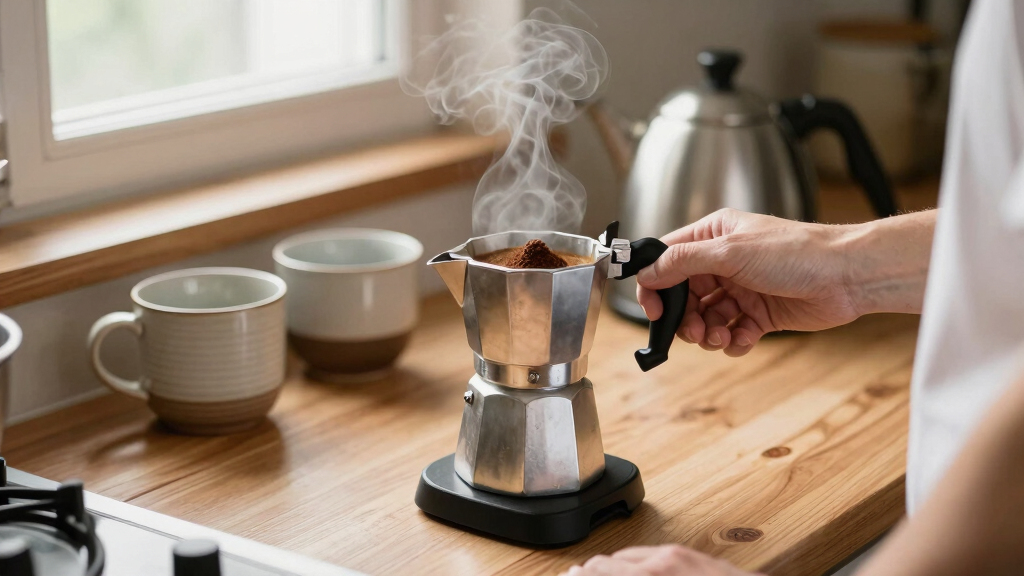
- Moka Pot: Classic stovetop device that uses steam pressure to produce a thick, concentrated brew. Think of it as a mini espresso machine—strong, bold, with a rich body. Its simplicity makes it reliable, but it has limitations in control over extraction variables, which can affect flavor nuances. The tradeoff is convenience versus precision; while it’s easy to use, achieving perfect extraction may require experimentation with grind size and heat level. Understanding these tradeoffs is important because, while a Moka pot can produce a very strong brew, it may lack the complexity and crema of true espresso—yet it offers a practical compromise for home use.
- AeroPress: A versatile, lightweight device. With a fine grind and a quick plunge, it makes a shot that’s intensely flavorful and similar to espresso. It allows more control over brewing variables like water temperature, immersion time, and pressure—especially if you press slowly or use a narrower filter. Its portability and ease of use make it ideal for experimenting with parameters to optimize flavor and crema-like foam. However, it still operates at lower pressure than commercial espresso machines, so its results are a close approximation rather than an exact replica. Recognizing these limitations helps you understand what tradeoffs you’re making and how to maximize the quality of your homemade shot.
- French Press (with tweaks): Not traditional for espresso, but by using very fine grounds and a short steep, you can get a potent, thick coffee. It’s not quite espresso, but it’s a strong, concentrated brew. The main limitation is the lack of pressure; it relies solely on immersion, which means it can’t produce true crema or the same level of extraction. Its advantage is simplicity and the ability to produce a very intense flavor, but for a closer espresso experience, it’s more of a concentrated coffee alternative than a true substitute. Understanding these tradeoffs helps you decide when a French Press might suffice or when you should opt for other tools to better mimic espresso’s qualities.
As an affiliate, we earn on qualifying purchases.
How to Use a Moka Pot for Rich, Espresso-Style Coffee
- Fill the bottom chamber with hot water up to the valve level. Using hot water reduces the time it takes to reach optimal extraction temperature, helping prevent over-extraction or burnt flavors. This step is crucial because it influences the overall extraction efficiency and flavor profile, ensuring the brewing process is smooth and controlled from the start.
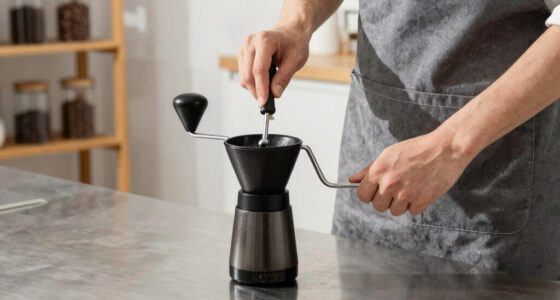
- Grind your coffee very fine—almost powdered, like icing sugar. A finer grind increases surface contact and extraction efficiency, which is essential for mimicking espresso’s intensity. However, if too fine, it can clog the filter and cause pressure buildup, leading to bitter or burnt-tasting coffee. The tradeoff here is between maximizing extraction and avoiding over-extraction or equipment clogging. Fine-tuning your grind size based on your specific Moka pot and observing the resulting taste helps you find the optimal balance.
- Fill the filter basket completely with coffee, leveling it off without pressing down. Overfilling or tamping can restrict water flow, resulting in uneven extraction and a weaker or overly bitter brew. Properly leveled coffee ensures consistent contact with water, producing a balanced, rich brew that closely resembles espresso. Recognizing the importance of uniform coffee density helps you avoid common pitfalls and improve your results.
- Screw the top chamber tightly onto the base. A secure seal is essential to maintain pressure and prevent leaks, which directly impacts the strength and quality of your coffee. A loose seal can cause pressure loss, leading to under-extraction and a less intense brew. Checking this seal regularly ensures consistent results and helps you understand the critical role of pressure in achieving an espresso-like shot.
- Place on medium heat. Wait for the bubbling sound—indicating brewing is complete. Avoid high heat to prevent over-extraction or scorching the coffee, which can introduce bitterness. Monitoring the process helps achieve a smoother, more espresso-like shot. Recognizing the impact of heat level on extraction quality allows you to control the flavor profile more precisely.
- Pour and enjoy. You’ll get a thick, intense brew that’s close to espresso.
Pro tip: Use fresh, dark roasted beans and preheat your water for an even richer shot. Keep an eye on the heat to avoid over-extraction or burnt flavor. Experimenting with grind size and heat level can help you fine-tune your brew to match your taste preferences more closely, balancing strength and smoothness. These adjustments matter because they influence not just flavor but also the crema-like foam and mouthfeel, which are key indicators of a good espresso alternative.
As an affiliate, we earn on qualifying purchases.
Getting the Most from Your AeroPress: Tips for a True Espresso Shot
The AeroPress can produce a dense, flavorful shot with a few tweaks. Use a fine grind—similar to powdered sugar—and a short brew time of about 30 seconds. Press slowly to increase pressure and enhance extraction. Slow pressing maximizes contact time and pressure, which are key to extracting rich flavors and creating a crema-like foam. Recognizing how pressure and contact time influence extraction helps you understand why slow, steady plunging yields better results.
Try this routine: pre-wet your filter, add coffee, pour hot water (195-205°F), stir briefly, then press steadily. The steady, controlled pressure encourages a more concentrated and flavorful shot. Adjusting your plunge speed influences the pressure level—slower presses yield a deeper extraction, closer to espresso. Understanding the relationship between pressure, timing, and grind size is essential because it directly affects the intensity, flavor complexity, and foam quality. Recognizing these tradeoffs allows you to optimize your process and produce a more authentic espresso-like shot with the AeroPress.
As an affiliate, we earn on qualifying purchases.
DIY High-Pressure Devices: Can You Make Your Own Espresso Machine?
Some coffee lovers have built or modified devices to generate higher pressure—up to 3-4 bars—to get closer to true espresso. For example, using a bicycle pump or a hand-operated pump to pressurize a sealed chamber. These DIY setups can produce a very concentrated brew, but safety is key. Higher pressure increases the risk of device failure or accidents if not constructed properly, so understanding the limits of your equipment and the importance of safety features like pressure release valves is vital.
Be cautious: high-pressure DIY devices can be dangerous if not built properly. Always follow safety protocols, use robust materials, and never stand directly over the device while operating. Proper sealing and pressure release valves are critical to prevent accidents. While these methods can produce a more authentic, espresso-like shot, they often involve tradeoffs in complexity, safety, and consistency. They’re excellent for experimentation but may not be suitable for everyday use unless carefully engineered. Recognizing these tradeoffs and safety considerations is crucial because attempting to build or modify devices without proper knowledge can lead to serious injury or damage.
In real-world use, these methods are more about experimentation than reliability. They give you a taste of what’s possible outside commercial equipment, but always prioritize safety and understand the limitations of your DIY setup.
Why Grind Size and Water Temp Are Make-or-Break for Home Espresso
Using the right grind size—almost powdery—is essential for extracting maximum flavor in a short brew. Too coarse, and your brew will be weak; too fine, and it clogs or over-extracts. The grind determines how quickly water can pass through the coffee and how thoroughly flavors are extracted. Achieving the right grind is a balancing act—finer grounds increase surface area, leading to richer extraction, but excessively fine grounds can cause clogging or over-extraction, resulting in bitter flavors. The implications are significant because improper grind size can mean the difference between a vibrant, balanced shot and a bitter, flat brew. The tradeoff is that finer grounds require more precise control of brewing variables, and inconsistent grind size can lead to uneven extraction, affecting flavor and mouthfeel.
Water temperature should hover around 195-205°F. Too hot, and you risk extracting bitter compounds and burning the coffee; too cool, and the extraction will be incomplete, resulting in flat, weak flavors. Maintaining a consistent temperature ensures that the coffee’s aromatic oils and soluble compounds are optimally extracted, producing a full-bodied shot with vibrant aroma and sweetness. For example, preheating your AeroPress or Moka pot helps maintain temperature stability, leading to a more balanced and complex flavor profile. Recognizing the importance of these variables and controlling them precisely has profound implications for your final cup—allowing you to consistently produce rich, flavorful espresso-like shots with good crema and mouthfeel. The tradeoffs here involve investing in good equipment and paying close attention to detail, but the payoff is a much higher quality brew.
Frequently Asked Questions
Can I make real espresso without a machine?
Not exactly. True espresso needs 9 bars of pressure, which is tough outside a professional machine. But with tools like a Moka pot or AeroPress, you can produce a strong, concentrated brew that’s very close in flavor and body.What’s the best way to get an espresso-like shot at home?
The AeroPress often wins for its control and ease. Use a fine grind, hot water, and quick plunging. It’s portable, simple, and delivers a rich, thick shot that’s hard to distinguish from commercial espresso.What equipment do I really need?
A Moka pot or AeroPress are your best bets. You’ll also need a good grinder to get that powdery fine coffee, and a thermometer helps keep water at the right temp. DIY pressure devices are an option but require caution.How do I get crema without a machine?
True crema is difficult without a high-pressure machine, but AeroPress and Moka pots can produce a foam that looks and feels similar—rich, golden, and aromatic.Is making espresso without a machine safe?
It can be, but beware of DIY pressure devices. Always follow safety guidelines, use sturdy materials, and avoid over-pressurizing or sealing devices improperly. When in doubt, stick to well-designed equipment like Moka pots or AeroPress.Conclusion
You don’t need a fancy machine to brew coffee with real punch. With a little practice, a good grinder, and the right tools, you can craft a brew that rivals shop-bought espresso—at least in flavor and richness. It’s about mastering the basics, respecting the variables, and enjoying the process.Halloween Picks
halloween
As an affiliate, we earn on qualifying purchases.