
TL;DR

Get kitchen gear delivered free — and shop member deals
- Fast, free delivery on millions of items
- Access to Prime Big Deal Days deals on October 6–7
- Prime Video, Amazon Music and more included
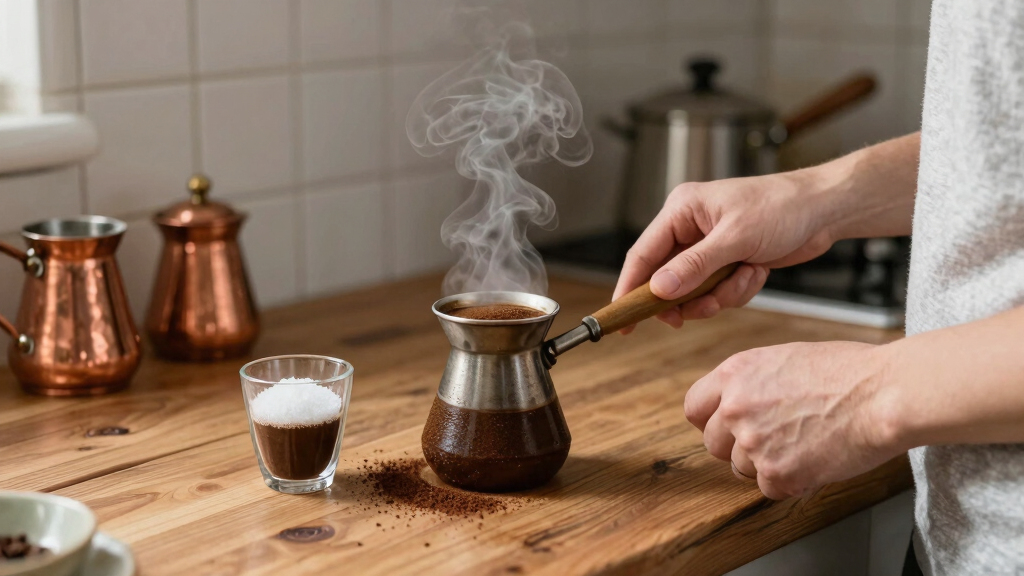
Making Turkish coffee the traditional way involves using a cezve, very finely ground coffee, and slow heating to create a rich foam. It’s a simple process that rewards patience and attention to detail, delivering a unique, robust brew with deep cultural roots.
Use a copper cezve for even heat and authentic foam formation.
Grind your coffee to a powder-like texture for smooth, velvety brew.
Heat slowly over low fire to develop rich foam and flavor.
Don’t stir after placing on heat—let the foam come naturally.
Pour carefully to keep the foam on top, and serve immediately with water and a sweet treat.
How to Make Turkish Coffee the Traditional Way
TL;DR: Use a cezve, powder-fine coffee, cold water, and patient low heat. The reward is a thick, velvety cup crowned with foam, served immediately with water and something sweet.
The foam is not decoration. It is the visible proof that heat, grind, and timing worked together.
The traditional setup is simple, but precise.
Authentic Turkish coffee depends less on expensive gear and more on fit-for-purpose tools: a narrow-necked cezve, very fine coffee, cold water, and careful measuring with the cup you will serve in.
Copper cezve
Traditional copper or brass conducts heat evenly, while the narrow neck helps foam gather before the coffee boils over.
Powder-fine coffee
The grind should feel close to flour or powdered sugar. Coarse coffee turns the cup thin, gritty, and low on foam.
Water and sugar
Measure cold water with the fincan. Add sugar before heating: unsweetened, little, medium, or very sweet.
Six moves from cold water to foam-topped cup.
The rule that protects the whole ritual is restraint: stir before heating, then let the foam develop naturally over a low flame.
Measure
Use the serving cup to measure one cup of cold water per person.
Sweeten
Add sugar now if desired, then stir it into the cold water.
Add coffee
Use one heaping teaspoon of powder-fine coffee per cup.
Heat slowly
Place the cezve on low heat and avoid stirring once it warms.
Lift foam
Remove from heat as foam rises, before a full boil breaks it.
Pour gently
Serve immediately, preserving foam and letting grounds settle.
The perfect cup is a controlled rise, not a boil.
Foam forms when fine coffee, aromatic oils, and gentle heat build a stable surface layer. High heat can look dramatic, but it collapses the texture and burns the flavor.
Grind spectrum
The target sits beyond espresso: almost powder-like. Fresh grinding preserves oils, deepens aroma, and gives the foam enough suspended particles to hold its shape.
What works, what fails, and what is acceptable.
Use this as a quick diagnostic when your cup tastes burnt, feels gritty, or arrives without a stable foam crown.
| Choice | Traditional Result | Foam | Flavor | Verdict |
|---|---|---|---|---|
| Copper cezve, narrow neck | Even heat and controlled rise | ✓ | Rich and rounded | Best traditional option |
| Small thick-bottom saucepan | Usable substitute when needed | ~ | Good but less controlled | Acceptable fallback |
| Coarse or drip grind | Particles are too large | ✗ | Weak and gritty | Avoid |
| High heat | Rapid boil breaks structure | ✗ | Bitter or scorched | Avoid |
| Slow pour into small cups | Foam stays on top | ✓ | Balanced and aromatic | Essential finishing step |
Serve it fresh, small, and unhurried.
Turkish coffee is not filtered and not rushed. The grounds settle at the bottom, the foam stays on top, and the first sip follows a palate-cleansing glass of water.
The serving rule
Pour slowly, dividing foam between cups first if needed. Serve immediately with water and a small sweet such as Turkish delight or dark chocolate.
Traceability: from craft to cup
What equipment do you really need for authentic Turkish coffee?
The heart of Turkish coffee is the cezve, a small long-handled pot traditionally made of copper or brass. You’ll also need finely ground coffee, almost powder-like, and a heat source. Optional but recommended: a small spoon for stirring, and a cup for measuring water. A good-quality cezve makes all the difference, especially one with a narrow neck that helps control foam formation. You can find simple copper cezves at any specialty kitchen shop or online—look for one with a sturdy handle and a well-fitted lid.
Some enthusiasts prefer stainless steel or ceramic, but copper conducts heat evenly, making it easier to control the brewing process. A traditional Turkish coffee isn’t made with drip grind; it’s ground to a powder, almost like flour, which helps produce that signature velvety texture and thick foam.
As an affiliate, we earn on qualifying purchases.
How to grind your coffee for the perfect Turkish brew
Turkish coffee demands a grind so fine it’s almost powder. Use a high-quality burr grinder set to the finest setting available. If you’re grinding at home, aim for a texture similar to flour or powdered sugar. Freshly ground coffee makes the richest, most aromatic brew.
For example, if you buy pre-ground coffee, check the label—look for ‘espresso’ or ‘Turkish’ grind, but fresh is best. Grinding just before brewing preserves essential oils and flavor. A good rule: the finer the grind, the better the foam and body. If your coffee feels gritty or coarse, adjust your grinder or buy freshly ground from a local roaster.
As an affiliate, we earn on qualifying purchases.
Step-by-step: How to prepare Turkish coffee from start to finish
- Measure cold, fresh water with your coffee cup (fincan). Fill the cezve accordingly—one cup per serving.
- Add sugar if you want sweetened coffee—none, little, medium, or very sweet. Stir in the sugar first.
- Using one heaping teaspoon of the finely ground coffee per cup, add it to the cezve. Do not stir yet.
- Place the cezve on low heat. Wait patiently; the slow heating is key.
- Watch for foam to form as the coffee heats. When it rises, remove it from heat before it boils over.
- Stir gently, then return to heat. Repeat this process 2-3 times to build a rich foam layer.
- Pour the coffee carefully into small cups, including the foam—serve immediately.
Remember: patience and low heat are your best friends here. Rushing or using high heat ruins the delicate foam and flavor.
As an affiliate, we earn on qualifying purchases.
Why foam is the secret to authentic Turkish coffee
The thick, velvety foam isn’t just decoration; it’s a sign of proper brewing. The foam indicates that heat was gentle enough to form a stable, rich layer on top. It’s believed that the foam traps essential oils and flavors, intensifying the coffee’s aroma and texture. During traditional serving, a spoonful of foam is often placed on top of each cup before pouring.
In practice, achieving a good foam requires slow heating and careful attention. Rushing the process, like turning up the heat too high, destroys the foam’s structure and leaves you with a flat cup. The foam also creates a visual cue that your coffee is well-prepared, a sign of respect for this centuries-old ritual.
Beyond aesthetics, the foam plays a crucial role in the sensory experience of Turkish coffee. It acts as a barrier that helps preserve the coffee’s aromatic oils, ensuring that each sip is rich and flavorful. The process of creating and maintaining this foam embodies the cultural value placed on patience and craftsmanship, making each cup a small work of art and a moment to savor.
As an affiliate, we earn on qualifying purchases.
How to serve Turkish coffee the traditional way
Once poured, Turkish coffee is served with a small glass of water—this cleanses your palate before sipping. Often, a tiny sweet treat like Turkish delight or a piece of dark chocolate accompanies the coffee, balancing its bitterness. Pour slowly, aiming to keep the foam on top, and let the grounds settle at the bottom of the cup.
In many homes, serving is an art. Cups are small and ornate, and the coffee is poured carefully to avoid disturbing the foam. This moment is more than a drink; it’s a social ritual, a pause for conversation and connection.
What makes a perfect Turkish coffee? 5 tips for success
- Use finely ground coffee, almost powder-like.
- Heat slowly over low flame to develop a rich foam.
- Don’t stir after placing on heat—let the foam form naturally.
- Pour carefully to keep the foam intact.
- Serve immediately with water and a sweet treat for full experience.
Modern twists on an ancient tradition
While the classic method is timeless, some modern enthusiasts add a pinch of cardamom or cinnamon for extra flavor. Others experiment with high-quality, freshly roasted beans or even try brewing over a tiny portable stove outdoors. The core principles—slow heating, fine grind, foam formation—remain the same.
Many cafes now serve Turkish coffee in stylish cups with decorative trays, elevating the ritual. Still, the heart of it stays rooted in patience, skill, and respect for tradition. Whether you’re making it for yourself or guests, aiming for that perfect foam and rich aroma makes all the difference.
Avoid common mistakes that ruin your Turkish coffee
Heeding a few simple rules saves you from disappointment. Overfilling the cezve causes boiling over. Using a coarse grind leads to a weak, gritty brew instead of velvety smoothness. Rushing the heating process with high heat burns the coffee or destroys the foam.
For example, one mistake many make is stirring after the coffee starts heating—this breaks the foam. Instead, let the foam form naturally during slow heating. Also, pouring too quickly can disturb the foam layer, so pour gently and steadily.
Frequently Asked Questions
How fine should the coffee be ground?
The coffee should be ground almost to a powder, similar to flour. This fine texture is essential for creating that thick foam and velvety mouthfeel that define authentic Turkish coffee.Can I make Turkish coffee without a cezve?
While a cezve is ideal, you can use a small saucepan with a thick bottom. However, a proper cezve helps control heat and foam formation better, preserving the tradition and flavor.How much sugar should I add?
It depends on your taste. You can have unsweetened, little sugar, medium, or very sweet. Add sugar before brewing, stirring it into the water and coffee mixture for even sweetness.Why does my coffee sometimes spill over?
High heat or overfilling the cezve causes rapid boiling, leading to spills. Keep the heat low and watch carefully, especially as foam begins to form—patience is key.What is the significance of the foam?
The foam signals a well-made Turkish coffee. It’s a sign you’ve heated gently enough to trap the oils and create that signature velvety top layer, which is central to the experience.Conclusion
Making Turkish coffee the traditional way is a dance of patience and skill. It’s about more than just coffee — it’s a moment of connection, a ritual handed down through generations. When you master the slow, gentle approach, each small cup becomes a rich story in itself. So, grab your cezve, grind finely, and enjoy the process — your taste buds will thank you.Fall Picks
fall essentials
As an affiliate, we earn on qualifying purchases.