
TL;DR

Get kitchen gear delivered free — and shop member deals
- Fast, free delivery on millions of items
- Access to Prime Big Deal Days deals on October 6–7
- Prime Video, Amazon Music and more included
Baking cornbread in a skillet creates crispy edges and tender crumb. Preheat your skillet, use the right ingredients, and bake at 400°F for 20-25 minutes for perfect results.
Always preheat your cast iron skillet to get that crispy crust — don’t skip this step.
Mix your batter gently to keep the cornbread tender and moist.
Add flavor variations like cheese or jalapeños for personalized twists.
Bake at 400°F for 20-25 minutes for perfect golden edges.
Use a well-seasoned skillet to enhance flavor and prevent sticking over time.
Pick the Perfect Skillet for Crispy, Even Baking
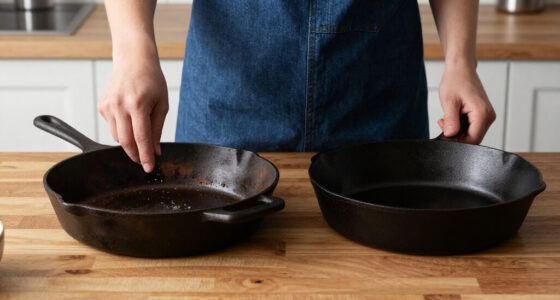
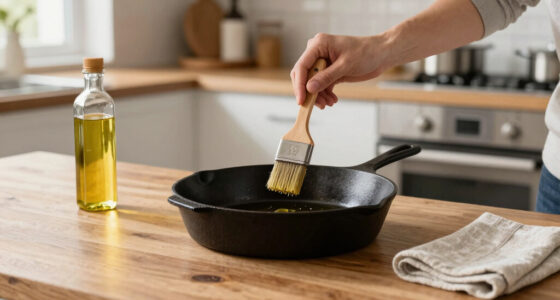
The foundation of great skillet cornbread is a good skillet. A **well-seasoned cast iron skillet** is your best bet for even heat and that coveted crispy crust. An 8-inch or 10-inch size works perfectly for most recipes, giving enough batter room without overcrowding. If your skillet isn’t seasoned well, a quick re-season with oil and baking at high heat will make it almost non-stick. Remember, the more you cook in your skillet, the better its non-stick surface becomes, developing a natural patina that enhances flavor and texture. This patina not only prevents sticking but also contributes to a richer, more complex flavor profile in your baked goods. For instance, my 10-inch skillet, seasoned over years, produces consistently crispy edges even on a humid day when other pans struggle. Investing in a well-seasoned skillet creates a foundation for consistently delicious cornbread with a satisfying crust, and understanding this process helps you appreciate the subtle but critical role of seasoning in achieving the perfect bake.cast iron skillet for baking cornbread
As an affiliate, we earn on qualifying purchases.
As an affiliate, we earn on qualifying purchases.
Get Your Skillet Hot — Here’s How to Preheat for That Perfect Crust
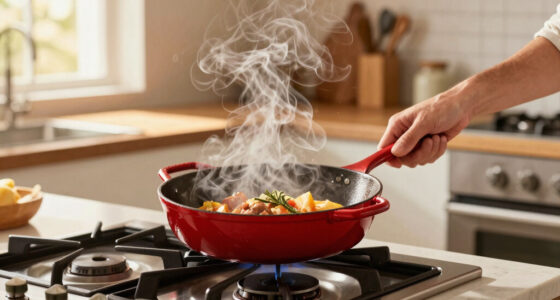
Preheating your skillet is the secret to crispy, golden edges. Heat your oven to 400°F (200°C). Place your empty skillet on the middle rack for about 5 minutes. Then, carefully add a tablespoon of oil, melted butter, or bacon drippings — watch it shimmer and sizzle. This sizzling layer instantly creates a barrier that prevents sticking and starts browning the crust right away. A real-world tip: I always preheat my skillet while mixing the batter. When I pour it in, the sizzling sound is my cue that the crust will be perfect. Remember, never pour cold batter into a cold skillet; the hot surface is what transforms simple batter into crusty goodness. This step is crucial because the initial contact with a hot surface causes immediate caramelization of sugars and proteins in the batter, leading to that irresistible crust. Skipping this step can result in a less crispy exterior and uneven browning, which diminishes the texture and flavor of your cornbread. The tradeoff of preheating is a little extra attention and patience, but the payoff is a beautifully crisp crust that elevates your entire baking experience.well-seasoned cast iron skillet 10 inch
As an affiliate, we earn on qualifying purchases.
As an affiliate, we earn on qualifying purchases.
Mix Your Cornbread Batter for Fluffy, Moist Results
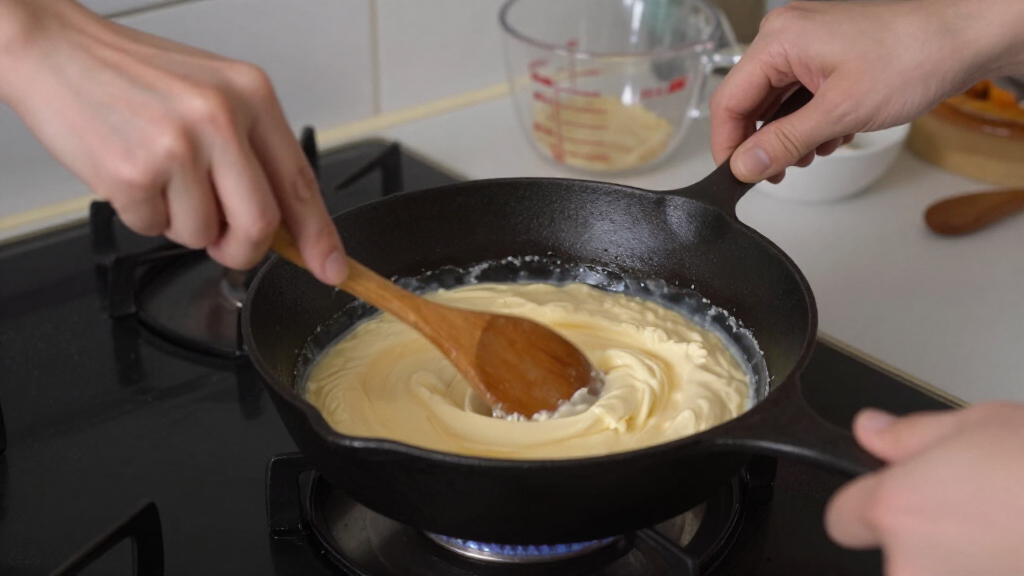
The key to moist, tender cornbread is simple: don’t overmix. Combine 1 cup cornmeal, 1 cup flour, 1 tablespoon baking powder, and a pinch of salt. In a separate bowl, whisk together 2 eggs, 1 cup milk or buttermilk, and 1/4 cup melted butter or oil. Then, gently fold the wet into the dry — stir just until combined. Overmixing develops gluten, leading to dense bread. For a fluffier texture, add a tablespoon of honey or sugar, or stir in corn kernels or shredded cheese for extra flavor. An example: I once added diced jalapeños and cheddar to my batter. The result? A spicy, cheesy cornbread with a beautiful, tender crumb and crispy edges. It’s important to understand that overmixing can create a tough, rubbery texture because gluten strands become too developed, which is undesirable in cornbread. Gentle mixing preserves the delicate crumb and moistness, while adding ingredients like honey or sugar can enhance sweetness and moisture retention. Incorporating mix-ins like cheese or corn not only boosts flavor but also introduces additional moisture and texture, making each bite more interesting. The tradeoff here is that meticulous gentle mixing might take a bit longer but results in a lighter, more tender cornbread with a better overall mouthfeel.As an affiliate, we earn on qualifying purchases.
Bake Like a Pro: Timing and Technique for Perfect Cornbread
Pour your batter into the hot, oiled skillet. It should sizzle as it hits the surface. Smooth the top with a spatula if needed. Place the skillet in the oven and bake at 400°F (200°C) for 20-25 minutes. The top will turn a deep golden-brown, and a toothpick inserted in the center should come out clean. Check around the 20-minute mark to prevent overbaking. If your oven runs hot, reduce the time slightly. When you take it out, the edges will be crispy, and the center moist. Let it rest for 5 minutes before slicing; this helps the crumb set and keeps it tender inside. Proper timing is essential because overbaking can dry out the crumb, while underbaking leaves it gummy or raw in the center. The golden-brown top indicates caramelization of surface sugars, which not only enhances flavor but also adds to the crispy texture. Resting allows residual heat to evenly distribute, setting the structure and preventing the cornbread from crumbling. This step is often overlooked but is critical for achieving a moist interior and a well-formed crust. The tradeoff of precise timing and resting is minimal effort for a vastly improved texture and flavor consistency.As an affiliate, we earn on qualifying purchases.
How to Make Your Cornbread Even Better with Flavor Twists
Once you master the basic recipe, customizing your cornbread is easy and fun. Add-ins like shredded cheddar, diced jalapeños, or fresh corn kernels boost flavor and texture. For a touch of sweetness, drizzle honey or sprinkle sugar before baking. Think about smoky ingredients — crumbled bacon or chipotle powder — to add depth. For example, I once baked a batch with chopped roasted poblano peppers and shredded pepper jack cheese. The heat and creaminess took the classic to a whole new level. The key: fold in the extras gently just before pouring into the skillet, so they don’t sink or get overwhelmed. Incorporating flavor twists is about balancing the ingredients so that each bite offers a nuanced taste experience. Cheeses add richness, while spicy peppers introduce heat that contrasts with the sweetness of the cornbread. Using smoky elements like bacon or chipotle enhances depth and complexity, transforming simple cornbread into a gourmet side. The tradeoff is that adding too many ingredients or mixing aggressively can overwhelm the batter, resulting in uneven distribution or sinking, so fold gently and distribute evenly for the best outcome.Frequently Asked Questions
Why is my cornbread often too dense or dry?
Overmixing the batter or baking too long can cause dryness and density. Mix gently and check your oven temperature to avoid overbaking. Using buttermilk helps keep it moist.Can I use a non-cast iron skillet?
Yes, but the crust won’t be as crispy or flavorful. Cast iron heats evenly and retains heat, which is why it’s preferred for that perfect crust. If using another pan, consider preheating and using a thin layer of oil.How do I prevent my cornbread from sticking?
Ensure your skillet is well-seasoned and preheated with oil or butter before pouring in the batter. A hot, oiled skillet creates a natural non-stick surface and crispy edges.What’s the best way to add flavor to my cornbread?
Incorporate shredded cheese, chopped jalapeños, corn kernels, or herbs into the batter. For sweetness, add honey or sugar. Fold these in gently to keep the batter light.Conclusion
Baking cornbread in a skillet isn’t just about following a recipe — it’s about building a skill. A hot skillet, simple ingredients, and a gentle touch turn batter into a crusty, tender masterpiece. Next time you want toast with a crunch or a side dish that steals the show, reach for your cast iron and give it a shot. Remember, every crackle and aroma is a sign your skill is growing. Now, go make that cornbread and enjoy the rich, crispy magic.Fall Picks
fall essentials
As an affiliate, we earn on qualifying purchases.