
TL;DR
Open a free Amazon Business account
Business pricing, bulk buying and tax-exempt orders.
Create a free accountAs an affiliate, we earn on qualifying purchases.
Bitterness in French press coffee usually comes from over-extraction, grind size, or water temperature. Adjusting steep time, grind, and cleaning can dramatically improve flavor and make your brew smoother.
Ever poured a cup of French press coffee and immediately winced at the bitter punch? It’s a common frustration. But the good news: most bitterness isn’t a mystery — it’s a sign your brew is over-extracted or out of balance.
In this guide, you’ll learn the exact causes behind bitter French press coffee and simple, practical steps to fix each one. No hype, just real techniques to help your coffee taste richer, smoother, and more satisfying every morning.
Use a coarse grind, not fine, to prevent over-extraction and bitterness.
Limit steep time to around 4 minutes for balanced flavor.
Maintain water temperature just below boiling, around 195-205°F.
Always start with fresh, whole beans ground just before brewing.
Regularly clean your French press to avoid oil buildup that can taint flavor.
Why Your French Press Coffee Tastes Bitter
TL;DR: Bitterness usually comes from over-extraction, grind size, or water temperature. Adjust steep time, use a coarse grind, keep water in the 195-205°F range, and clean the press so your cup tastes richer, smoother, and more balanced.
Key insight
Water above 205°F increases extraction of bitter compounds, making French press coffee taste harsher, drier, and more astringent.
What turns smooth coffee bitter?
French press is immersion brewing, so water and grounds stay in contact for the full brew. When grind, heat, time, freshness, or cleaning drift out of balance, tannins and polyphenols rush into the cup.
Too much contact
Steeping beyond the sweet spot pulls more bitter compounds from the grounds, especially once the brew passes about 4 minutes.
Fine particles
A fine grind exposes more surface area to water, speeding extraction and leaving the cup heavy, murky, and harsh.
Water too hot
Water above 205°F extracts aggressively and can emphasize acrid, scorched, or astringent notes.
Stale or very dark
Old beans and darker roasts naturally lean bitter, especially when brewed with high heat or a fine grind.
Too concentrated
Using too much coffee for the water can make bitter flavors feel louder. Start near 1:15 and adjust from there.
Old oils
Coffee oils cling to glass, mesh, and the plunger. If they turn rancid, every fresh brew inherits that bitter edge.
Bitterness pressure points
How over-extraction shows up
If your brew tastes like burnt rubber, feels dry on the tongue, or looks unusually dark and muddy, bitterness is probably not random. The cup is telling you where the process went too far.
Color
A dark, murky brew often means too many compounds have dissolved, masking delicate aromatics and making the cup feel heavy.
Taste
Bitter, roasted, or astringent flavors dominate while fruity, floral, or sweet notes disappear into the background.
Texture
A dry, puckering, coating mouthfeel points to harsh tannins and polyphenols being extracted past the pleasant zone.
Fine grind
More exposed surface area speeds up extraction.
Hot water
Above 205°F pulls bitter compounds faster.
Long steep
More time means more tannins in the cup.
Old oils
Residue adds rancid, stale bitterness.
Dry finish
The result is harsh, flat, and astringent.
The 3 changes that matter most
Start with grind, time, and water temperature. These small controls decide whether your French press tastes rounded and sweet or harsh and over-extracted.
| Bitter trigger | Better target | Why it works | Cup impact |
|---|---|---|---|
| Fine grind that slips through the mesh | Use a coarse, even grind | Less surface area slows extraction and keeps tannins from flooding the brew. | ✓ Clearer |
| Steeping for 5 minutes or longer | Stop around 3-4 minutes | Shorter contact time preserves brightness before bitterness takes over. | ✓ Smoother |
| Pouring boiling water straight in | Hold 195-205°F | Controlled heat extracts flavor evenly without pushing acrid compounds too fast. | ✓ Balanced |
| Very dark or stale coffee | Use fresh whole beans | Fresh beans keep aromatics lively and reduce flat, roasted bitterness. | ~ Depends |
| Lingering oil on glass and plunger | Deep clean weekly | Removing old oils prevents rancid flavors from tainting the next brew. | ✓ Fresher |
| Ignoring bitter cues | Change one variable at a time | Testing one adjustment makes it clear what actually improved the cup. | ✗ Guessing |
Water temperature window
Let boiling water rest briefly, then brew inside the 195-205°F range for controlled extraction.
Steep time window
Set a timer. Even one extra minute can shift the brew from full-bodied to dry and bitter.
Why bitter even with instructions?
Instructions may not match your grinder, roast, kettle, or ratio. Fine grind, hot water, and long steeping are the usual suspects.
Is dark roast more bitter?
Often, yes. Dark roasts carry more roasted bitter notes, but proper grind, time, and temperature can keep them drinkable.
Does the bean type matter?
Yes. Robusta tends to taste more bitter than Arabica, and origin, roast, and freshness all influence the final cup.
From bitter brew to balanced cup
Treat the process like a small flavor experiment. Change one variable, taste, then adjust. The goal is not weaker coffee; it is enough extraction without the harsh finish.
Fresh beans
Use whole beans roasted recently.
Coarse grind
Keep particles large and even.
Right heat
Stay just off the boil.
Four minutes
Stop before tannins dominate.
Clean press
Remove old oil and grounds.
Smooth cup
Balanced, rich, and less bitter.
Quickest win
Move from a 5-minute steep to a 4-minute steep and taste again before changing anything else.
Biggest control
A burr grinder set coarse gives the French press the particle size it needs for slower, cleaner extraction.
Morning rule
If the cup is dry and puckering, reduce extraction. If it is thin and sour, increase extraction gently.
What Causes Bitter French Press Coffee? The Hidden Culprits
Bitterness in French press coffee is usually linked to over-extraction — pulling too many compounds from your grounds. When water extracts tannins and polyphenols too quickly, those bitter flavors flood your cup.
Common offenders include fine grind size, steeping too long, and high water temperature. For example, grinding too fine is like chopping your coffee into tiny bits, increasing surface area and speeding up extraction.
Using water above 205°F can scorch delicate compounds, releasing acrid, bitter notes. Stale beans or dark roasts can also amplify bitterness, especially if over-roasted or stored improperly. Regularly cleaning your French press prevents old oils from turning bitter over time.
Understanding why these factors matter helps you see the tradeoffs involved. For instance, a finer grind yields a more intense flavor but risks over-extraction and bitterness if not carefully timed. Similarly, hotter water extracts more flavor quickly but can also extract undesirable bitter compounds if it exceeds optimal temperature. Balancing these elements is crucial for achieving a smooth, well-rounded cup.

Primos French Press Coffee – Medium Roast Arabica – Coarse Grind
- French Press Specific Grind: Coarse grind for French press brewing
- Medium Roast Arabica: Smooth, low acid, fruit and cacao notes
- Single Estate Nicaragua: Farm-to-cup traceability and unique flavor
As an affiliate, we earn on qualifying purchases.
As an affiliate, we earn on qualifying purchases.
How to Spot If Your Brew Is Over-Extracted and Bitter
- Color: A dark, almost murky brew often signals over-extraction. This indicates that too many compounds, including bitter tannins, have been pulled from your grounds, leading to a heavy, overly intense appearance that masks subtle flavors.
- Taste: Bitter, astringent flavors dominate, overpowering any fruity or floral notes. This imbalance often results from prolonged steeping or fine grind, which releases more bitter compounds than desired.
- Texture: The coffee feels heavy or coating on your tongue, sometimes leaving a dry or puckering sensation. This mouthfeel is a physical cue that your extraction has gone too far, pulling out harsh tannins and polyphenols.
For example, if your morning brew tastes like burnt rubber or has a dry, puckering mouthfeel, over-extraction is likely the culprit. Recognizing these signs helps you adjust your technique before the bitterness dominates your entire cup, preserving delicate aromatics and flavors.
By understanding these sensory cues—appearance, taste, and mouthfeel—you can fine-tune your brewing process. For instance, if you notice a dark brew with a dry sensation, reducing steep time or using a coarser grind can prevent over-extraction, ensuring your coffee retains its nuanced flavors instead of becoming a bitter mess.

BOMATA Digital Water Thermometer for Liquid, Meat, Cooking, IPX7 Waterproof
- Waterproof Design: IPX7 waterproof for easy cleaning
- Fast & Accurate Reading: 2-4 seconds response, ±1.8°F accuracy
- User-Friendly Operation: Simple power on, switch units, hold results
As an affiliate, we earn on qualifying purchases.
As an affiliate, we earn on qualifying purchases.
The 3 Key Changes That Make Your French Press Coffee Less Bitter
| Change | Why It Works |
|---|---|
| Use a coarser grind | Reduces surface area exposed to water, slowing extraction. This prevents over-extracting bitter tannins and polyphenols that are released more rapidly with fine grounds. Coarser grounds also help maintain clarity and balance, allowing more delicate flavors to shine through. |
| Reduce steep time to 3-4 minutes | Limits how long bitter compounds and excessive tannins dissolve into your brew. Shorter steep times give you more control over extraction, preserving brightness and avoiding the overpowering bitterness that comes with prolonged contact between water and grounds. |
| Keep water just off the boil (195-205°F) | Controls the extraction speed. Water that’s too hot can scorch delicate compounds, releasing harsh, burnt flavors. Maintaining a temperature within this range ensures a gentle, even extraction that highlights the coffee’s nuanced flavors without bitterness. |
For example, switching from a fine grind to a coarse one and timing your brew for exactly 4 minutes can transform a bitter mess into a smooth, balanced cup. These adjustments allow you to strike a balance between extracting enough flavor and avoiding the harsh, bitter elements that come from over-extraction.
Experiment with these adjustments in small steps to find what works best for your beans and taste preferences. Remember, each coffee has its own ideal profile, and understanding the tradeoffs—such as longer steep times for more extraction versus shorter times for clarity—empowers you to craft your perfect cup.
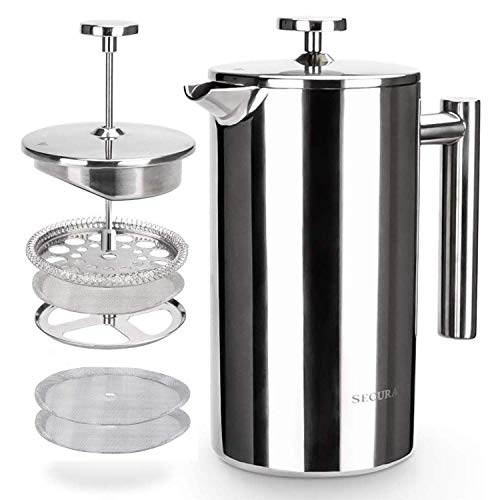
Secura French Press Coffee Maker, 304 Grade Stainless Steel Insulated Coffee Press with 2 Extra Screens, 34oz (1 Litre), Silver
- Material: 304 Grade Stainless Steel Construction
- Durability: Built to Last Longer
- Filter System: Three-Layered Steel Filter
As an affiliate, we earn on qualifying purchases.
As an affiliate, we earn on qualifying purchases.
Choosing the Right Coffee and Maintaining Your Equipment
Freshness is your best friend. Use whole beans roasted within the last few weeks, ground just before brewing. Coarse, uniform grounds from a burr grinder give you consistent extraction.
Regularly clean your French press, including disassembling and washing all parts with hot water and a brush. Old coffee oils cling to the glass and plunger, turning your next brew bitter.
For example, a quick rinse after each use and a deep clean weekly keeps your equipment tasting fresh and your coffee tasting better.
Investing in good quality beans and maintaining your equipment prevents the buildup of old oils and residues, which can impart off-flavors and increase bitterness. Proper cleaning also ensures that the delicate aromatic compounds are preserved, allowing your coffee’s true character to shine through with each brew.
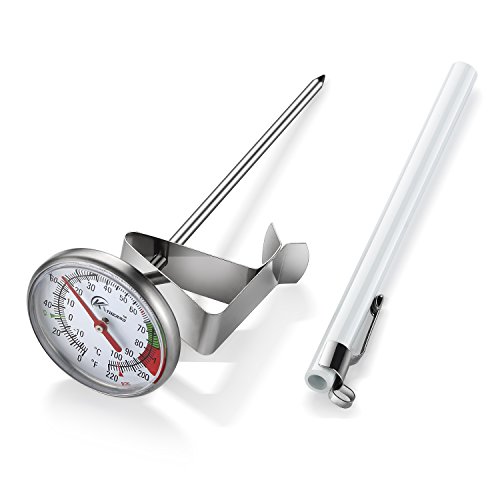
KT THERMO Instand Read 2-Inch Dial Thermometer,Best for The Coffee Drinks,Chocolate Milk Foam
- Design: Multi-stage fixed clip for easy reading
- Measurement Safety: Accurate and safe for beverages
- Temperature Range: 0°F to 220°F for various liquids
As an affiliate, we earn on qualifying purchases.
As an affiliate, we earn on qualifying purchases.
Taste the Difference: How Small Tweaks Deliver Big Flavor Wins
Adjusting your grind size, steep time, and water temperature might seem small. But these tweaks can dramatically improve your coffee’s flavor profile. Many enthusiasts report that shifting from a 5-minute steep to 4 minutes and using a coarser grind reduces bitterness noticeably.
Real-world example: A friend switched from dark roast to medium-light, cut steep time from 5 to 4 minutes, and lowered water temp slightly — her morning coffee suddenly tasted lively, balanced, and smooth.
Think of your brewing as a mini science experiment. A little patience and observation go a long way. Recognizing how each small change affects the extraction process helps you develop a deeper understanding of your equipment and beans, leading to more consistent, enjoyable results over time.
By experimenting with these variables, you can find the perfect balance that highlights the best qualities of your chosen beans while minimizing bitterness. This iterative approach not only improves flavor but also makes the brewing process more engaging and rewarding.
Frequently Asked Questions
Why does my French press coffee taste bitter even when I follow the instructions?
Often, it’s because of over-extraction caused by steeping too long, using water that’s too hot, or grinding the coffee too fine. Adjusting these factors can help tame the bitterness.How can I make my French press coffee taste less bitter?
Use a coarser grind, shorten your steep time to about 3-4 minutes, keep water just off the boil, and make sure your equipment is clean to avoid lingering oils.Is dark roast coffee naturally more bitter?
Yes, dark roasts tend to have more bitter, roasted flavors naturally. Proper brewing can help balance or reduce that bitterness if you prefer a smoother cup.Does the origin of coffee beans affect bitterness?
Absolutely. Robusta beans are generally more bitter than Arabica. Also, beans from different regions and processing methods influence overall flavor and bitterness.What’s the easiest way to improve my French press brew?
Start by adjusting your grind to coarser, watch your steep time, and keep your water temperature in check. Small tweaks can lead to big flavor improvements.Conclusion
Bitterness in French press coffee isn’t a mystery — it’s a sign your brew needs a little tweak. Focus on grind size, steep time, and water temp, and your coffee will taste richer and more satisfying.
Next time your brew turns bitter, think of it as an opportunity to refine your technique. A few small adjustments can turn a mediocre cup into a morning highlight — a simple, honest pleasure in your off-grid kitchen.
Back to school Picks
back to school
As an affiliate, we earn on qualifying purchases.