
TL;DR

Get kitchen gear delivered free — and shop member deals
- Fast, free delivery on millions of items
- Access to Prime Big Deal Days deals on October 6–7
- Prime Video, Amazon Music and more included
Brewing coffee off-grid is all about choosing the right manual method, using durable gear, and controlling your water and heat. With these tips, you’ll enjoy rich, fresh coffee anytime, anywhere.
Imagine waking up to the crackle of a campfire, a misty dawn filtering through trees. You reach for your favorite coffee, hot and rich, brewed just the way you like it—without relying on power. That’s the magic of brewing coffee while camping or living off-grid.
If you think off-grid coffee means sacrificing flavor or convenience, think again. With a few simple tools and techniques, you can enjoy a fresh, satisfying cup in the wild, whether you’re on a weekend camping trip or living in a remote cabin. This guide will show you how to make it happen—no fancy gadgets, just tried-and-true methods that stand up to the toughest outdoor conditions.
Choose durable, lightweight gear suited for your brewing style—French press, AeroPress, or cowboy methods all work in the wild.
Control water temperature carefully—aim for 195–205°F—and use fresh, clean water for best flavor.
Practice your process at home so you can tweak it in the field—timing, grind size, and ratios matter.
Pre-warm your brewing vessel and keep equipment clean for the richest, hottest coffee.
Prioritize eco-friendly gear and pack out every bit of waste to protect the land.
Rich coffee, no outlet, no compromise.
Brewing coffee off-grid is about choosing a rugged manual method, controlling clean water and steady heat, and practicing the small details before you leave home. With the right setup, a campfire dawn or remote cabin morning can taste every bit as intentional as your kitchen routine.
Manual brewers need no electricity and can still produce coffee with real clarity, body, and ritual.
Key insight for trail, cabin, and campfire brewingFrench press, AeroPress, pour-over, percolator, moka pot, and cowboy coffee all work without grid power.
A practical coffee-to-water range for balanced drip, press, and pour-over brewing outdoors.
After boiling, let water sit briefly to land near the sweet spot without a thermometer.
Filters, packaging, and grounds should leave with you unless properly composted where allowed.
Choose the brewer that fits the trip.
Start with your priorities: flavor, weight, cleanup, volume, and how steady your heat source will be. The best off-grid method is the one you can repeat calmly before sunrise.
French Press
Best for: multiple cups and rich texture. Choose stainless steel or rugged plastic for durability, and pre-warm it in cold weather.
AeroPress
Best for: quick trips, compact kits, and clean flavor. It rewards careful timing and grind size but cleans up fast.
Percolator
Best for: fire-friendly brewing and a robust, nostalgic profile. Watch it closely to avoid bitter over-extraction.
Moka Pot
Best for: espresso-like concentration. It needs stable heat and careful handling, but it punches above its size.
Cowboy Coffee
Best for: roughing it with only a pot, water, and grounds. Expect grit, strength, and total reliability.
Pour-Over
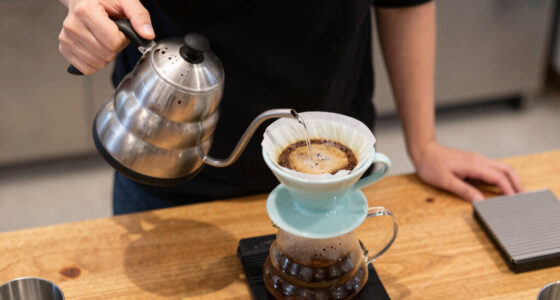
Best for: drip-style clarity with a cone, filter, and controlled pour. Pack reusable or biodegradable filters.
Build a repeatable wilderness brew flow.
Practice this sequence at home, then adjust grind, timing, and ratio to match wind, altitude, cold mornings, and the gear in your pack.
Gather
Coffee, water, brewer, heat source, mug, and cleanup kit.
Purify
Filter or boil natural water before brewing for flavor and safety.
Grind
Fresh grind: coarse for cowboy, medium for press, fine for AeroPress.
Pre-warm
Heat the vessel to reduce loss and keep extraction stable.
Brew
Saturate evenly, steep with intention, then press or filter slowly.
Pack out
Clean gear, secure grounds, and leave the site pristine.
Control water, heat, and extraction.
Clean water and the right temperature do most of the flavor work. Too hot can scorch the grounds; too cool can taste weak or sour.
Outdoor method speed
Temperature sweet spot
Bring water to a boil, then pause briefly. The target extraction band is 195–205°F, or 90–96°C.
Compare the core camping methods.
Each method can make great coffee. The trade-off is usually between weight, texture, cleanup, and how much control you want.
| Method | Ease | Flavor | Portability | Cleanup | Best For |
|---|---|---|---|---|---|
| French Press | ✓ Easy | Rich, full-bodied | ~ Moderate | ~ Grounds rinse | Multiple cups, strong flavor |
| AeroPress | ✓ Very easy | Clean, smooth | ✓ High | ✓ Fast | Quick trips, small packs |
| Percolator | ~ Moderate | Robust, smoky | ~ Moderate | ~ Pot rinse | Around the fire |
| Moka Pot | ~ Moderate | Espresso-like | ✓ High | ~ Parts | Small, powerful cups |
| Cowboy Coffee | ✓ Very simple | Strong, gritty | ✓ Very high | ✗ Messy | Minimal gear |
Keep the ritual clean and low-impact.
Good wilderness coffee includes the cleanup. Durable gear, reusable filters, and careful waste handling protect both your brew and the land.
Pack out grounds
Coffee grounds can alter soil and attract wildlife. Store them with trash unless proper composting is available.
Go reusable
Metal filters and durable brewers reduce single-use waste. If you use paper, choose biodegradable options.
Stabilize the stove
Use level ground, heat-safe gloves, and wind protection to prevent spills, burns, and wasted fuel.
The off-grid coffee chain.
Flavor is traceable. Every satisfying cup in the wild comes from a short chain of decisions that you can control.
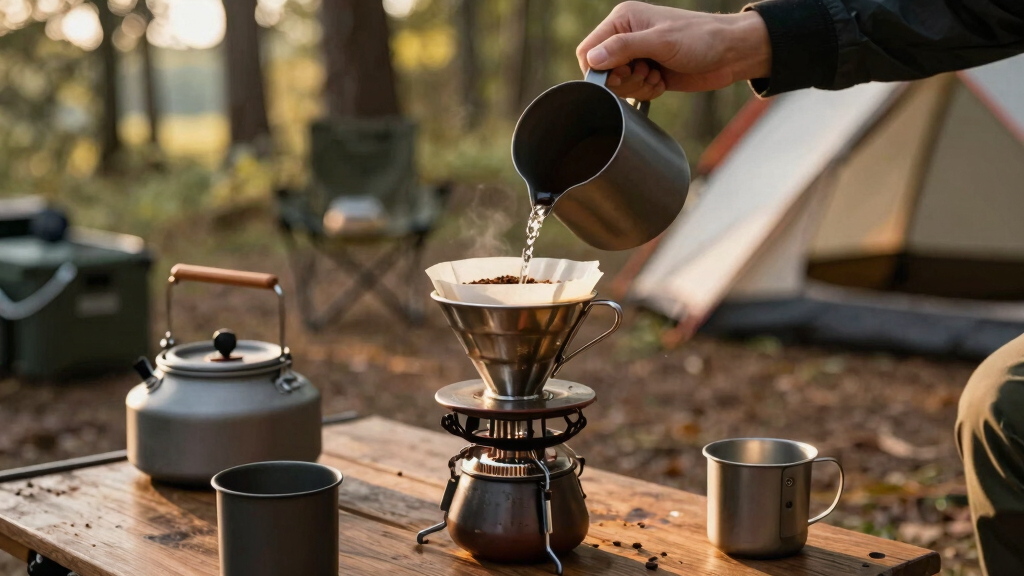
Pick the Right Manual Coffee Maker for Your Adventure
Choosing the right equipment is step one. For off-grid brewing, your best options are durable, portable, and easy to clean. Think about how you like your coffee—strong and espresso-like, or smooth and drip-style.
Popular choices include:
- French Press: Robust, simple, great for making multiple cups. Made of stainless steel or sturdy plastic, it can handle bumps and the heat of a campfire. Its simplicity means fewer parts that can break, making it reliable in rugged conditions. The downside is it can be heavier and bulkier, which matters if you’re packing light.
- AeroPress: Compact, fast, and versatile. It’s perfect for backpackers who want quick, quality coffee with minimal cleanup. Its small size means it’s easy to pack, but it might require more precise pouring and timing to get the best flavor.
- Percolator: Classic look, reliable, works over fire or stove. It’s ideal if you want that nostalgic, smoky flavor. Percolators tend to brew stronger, more robust coffee, but they can be tricky to control—over-percolating can lead to bitter results if not watched carefully.
- Moka Pot: Small and powerful, perfect if you’re craving a shot of espresso in the woods. It produces rich, concentrated coffee, but it requires a steady heat source and can be fragile if not handled carefully.
- Cowboy Coffee: No equipment needed—just a pot and grounds. It’s rough but reliable, especially if weight and space are limited. The tradeoff is a less refined flavor profile, with grounds often floating in the cup, but it’s incredibly straightforward and always works.
Pick gear that’s lightweight, durable, and suited to your style. A well-made French press can last for years and handle rough conditions, while an AeroPress offers convenience and quick results. Consider your priorities: ease of use, flavor, weight, and how much space you have in your pack.
As an affiliate, we earn on qualifying purchases.
Master the Water and Heat for Perfect Coffee Every Time
Water quality and temperature are critical because they directly influence flavor extraction. Using clean, fresh water ensures your coffee isn’t muddled by impurities or off-flavors. Filtering or purifying water is especially important if you’re sourcing from natural streams or lakes, as untreated water can harbor bacteria or sediments that affect taste and safety.
Temperature control is equally vital. Water that’s too hot can scorch the grounds, leading to bitter, burnt flavors, while too cool water may under-extract, resulting in weak or sour coffee. The optimal temperature range of 195–205°F (90–96°C) balances extraction of desirable flavors without overdoing it. Achieving this outdoors means bringing water to a boil, then letting it sit for about 30 seconds—a simple way to approximate the right temperature without a thermometer.
Pre-warming your brewing vessel with hot water helps maintain temperature during brewing, especially in cold environments. This step reduces heat loss, ensuring your coffee remains hot longer and extracts flavors more fully. It’s a small detail that makes a noticeable difference in flavor clarity and temperature retention.
When using a campfire or portable stove, safety is paramount. Keep your equipment stable to prevent spills, and avoid pouring boiling water over unstable surfaces. Use heat-resistant gloves or tools to handle hot equipment, and always be mindful of your surroundings to prevent accidents. Proper safety precautions protect you and ensure a smooth brewing process in the wild.
portable French press for outdoor use
As an affiliate, we earn on qualifying purchases.
As an affiliate, we earn on qualifying purchases.
Step-by-Step: How to Brew Coffee in the Wilderness
- Gather your supplies: Coffee grounds, water, your chosen brewing device, heat source, and a mug.
- Prepare water: Filter or purify your water, then bring it to a boil. Remember, clean water is the foundation of good flavor and safety.
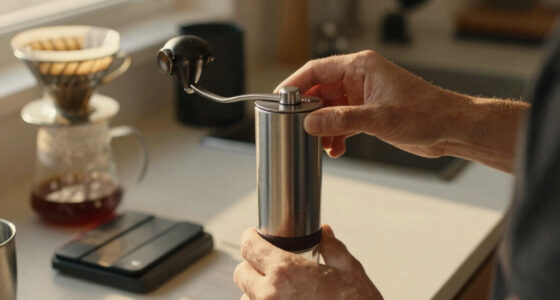
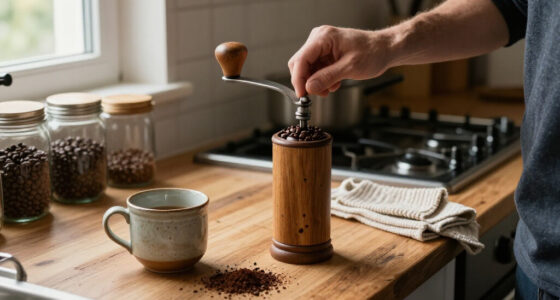
- Grind your beans: Use freshly ground coffee for best flavor. Aim for a medium grind for French press, fine for AeroPress, coarse for cowboy style. Fresh grinding releases essential oils and aromatic compounds, which greatly enhance flavor and aroma.
- Set up your brewer: Place grounds in your device. For French press, add grounds directly. For AeroPress, use the filter and chamber. Ensure your equipment is stable and clean to avoid spills or contamination.
- Pour hot water: Slowly pour, saturating grounds evenly. Let it steep as per your method—about 4 minutes for French press, 2 for AeroPress. Controlled pouring ensures even extraction, preventing over- or under-extraction that can spoil the flavor.
- Press or filter: Carefully press down or pour through a filter into your mug. Take your time to avoid splashing or spilling, which can cool the brew prematurely.
- Enjoy: Savor your fresh brew. Add milk, sugar, or drink it black—your call. Take a moment to appreciate the aroma and warmth, connecting with the outdoor environment.
Practice makes perfect. The more you brew outdoors, the more you’ll tune your method to your taste and environment. Experiment with timing, grind size, and water temperature to find what works best for you in different conditions.
As an affiliate, we earn on qualifying purchases.
Compare Popular Outdoor Coffee Methods at a Glance
| Method | Ease of Use | Flavor | Portability | Best For |
|---|---|---|---|---|
| French Press | Easy | Rich, full-bodied | Moderate | Multiple cups, strong flavor |
| AeroPress | Very easy | Clean, smooth | High | Quick trips, small packs |
| Percolator | Moderate | Robust, smoky | Moderate | Around the fire, classic taste |
| Moka Pot | Moderate | Espresso-like | High | Small, powerful shots |
| Cowboy Coffee | Very simple | Strong, gritty | Very high | Minimal gear, roughing it |
As an affiliate, we earn on qualifying purchases.
Keep Your Gear Clean and Sustainable in the Wilderness
Cleaning and environmental care matter just as much as brewing. Rinse your equipment with clean water after use. If you have biodegradable filters or reusable ones, use them to cut waste.
Pack out all trash, including coffee grounds—consider composting if possible. Remember, leaving no trace keeps natural spots pristine for future trips.
For eco-friendly brewing, opt for biodegradable filters, reusable metal filters, or solar-powered devices if available. These choices reduce your footprint without sacrificing quality.
Frequently Asked Questions
What’s the easiest way to brew coffee while camping?
The French press or cowboy coffee method are the simplest. They require minimal setup—just grounds, hot water, and patience. Both methods work well over a fire or portable stove and produce satisfying results with little fuss.
Can I make espresso off-grid?
Yes, with a portable moka pot or manual espresso machine. These devices are compact and don’t need electricity. They do require a steady heat source, but they can produce a rich, concentrated shot even in the woods.
How do I keep my coffee hot in the outdoors?
Use insulated mugs or thermoses to retain heat longer. Pre-warm your mug and brewing vessel with hot water beforehand. Also, keep your coffee covered while it cools—this helps it stay hot for longer.
What’s the best eco-friendly way to brew coffee off-grid?
Choose reusable filters or biodegradable ones, and pack out all grounds and waste. Solar-powered brewing devices are also emerging as a sustainable option. Always leave your campsite better than you found it.
What grind size should I use outdoors?
Match your grind size to your brewing method. Medium grind for French press, fine for AeroPress, coarse for cowboy style. Freshly ground beans yield the best flavor and clarity in every cup.
Conclusion
Brewing coffee off-grid isn’t just about the taste. It’s about creating a moment—an act of self-reliance that connects you to nature’s rhythms. With the right tools and a little practice, every morning can start with a rich, satisfying cup that’s as wild and free as your surroundings.
Next time you hit the trail or settle into a remote cabin, remember that good coffee is within reach—no power needed. All it takes is patience, attention, and a bit of outdoor ingenuity.
Fall Picks
fall essentials
As an affiliate, we earn on qualifying purchases.