
TL;DR

Get kitchen gear delivered free with Prime
- Fast, free delivery on millions of items
- Prime Video, Amazon Music and more included
- Member-only deals all year
Rainwater can be a reliable, eco-friendly water source if collected and used carefully. Proper filtration, sealed storage, and regular maintenance make it safe for irrigation and household tasks, but treat it thoroughly before drinking.
Always use non-toxic, weatherproof catchment surfaces like metal or tile roofs.
Seal and regularly clean your storage tank to prevent algae, bacteria, and mosquito breeding.
Filter rainwater through fine mesh or dedicated filters before use, and disinfect it for drinking.
Test your water periodically—at least once a year—to catch microbial contamination early.
Check local regulations before harvesting rainwater to stay compliant and safe.
How to Collect and Use Rainwater Safely
Rainwater can be a reliable, eco-friendly resource when every link in the system is managed carefully—from a clean roof to sealed storage and treatment matched to the final use.
Five barriers between rainfall and use
Safety depends on the entire route. One weak point—a dirty gutter, open inlet, or skipped disinfection step—can compromise everything downstream.
Safe roof
Choose non-toxic metal or tile. Avoid asphalt, treated wood, and suspect coatings.Screen debris
Fit leaf guards and fine mesh over gutters, inlets, overflows, and vents.First flush
Divert the initial roof runoff, which carries concentrated dust and droppings.Seal & shade
Use a food-grade, opaque tank with a secure lid and protected openings.Match the use
Filter for debris; add validated disinfection and testing for potable water.Control contamination at the source
A clean catchment is easier and cheaper to manage than contaminated stored water. Inspect every surface and fitting that touches the flow.
Metal or tile roof
Use non-toxic, weatherproof roofing. Keep branches clear and remove leaves, pollen, animal waste, and peeling coatings.
Avoid chemical-shedding surfacesClean gutters
Select non-toxic guttering and downspouts. Maintain a clear slope, repair leaks, and screen out debris and insects.
Inspect after stormsOpaque sealed tank
Choose food-grade storage, block sunlight, secure the access lid, and screen every inlet, outlet, overflow, and vent.
No mosquito accessDrinking water needs more than a filter
A mesh screen removes visible debris, but it does not reliably remove or kill microorganisms. Potable use needs a complete, validated treatment sequence.
Potable treatment sequence
Use the treatment requirements of your local health authority. A typical multi-barrier approach follows this order:
Relative treatment need
The closer water comes to ingestion or the body, the stronger the treatment and verification requirements.
These bars communicate relative treatment caution, not a measured safety percentage. Local rules and site hazards determine the actual requirements.
Choose a tank that protects the water
Food-grade construction, opacity, tight seals, and serviceability matter more than appearance. Confirm that every component is approved for the intended use.
| Material | Strengths | Watch-outs | Algae defense | Best fit |
|---|---|---|---|---|
| Food-grade polyethylene | ✓ Lightweight, corrosion-resistant, affordable | ~ UV-sensitive unless properly rated or protected | ✓ Strong when fully opaque | Homes, cabins, modular systems |
| Fiberglass | ✓ Durable, opaque, chemically resistant | ~ Higher cost; vulnerable during installation | ✓ Strong | Long-term fixed installations |
| Galvanized steel | ✓ Very durable and long-lasting | ✗ Rust or metal leaching if lining is damaged | ✓ Strong | Large systems with certified lining |
| Unknown or reused container | ~ Low initial cost | ✗ Unknown residues, leaching, or structural risk | ✗ Uncertain | Avoid for potable water |
Safe water is an ongoing practice
Maintenance prevents sediment, algae, insects, and damaged components from turning a well-built system into a contamination route.
Routine rhythm
Increase inspection frequency after severe weather, nearby fires, pest activity, roof work, or any change in taste, odor, or appearance.
Lid sealed
Confirm access points close tightly and cannot admit animals, dust, or runoff.
Mesh intact
Repair gaps on inlets, outlets, overflows, and vents before mosquitoes enter.
Tank shaded
Keep sunlight out and inspect the exterior for cracks, bulges, rust, or leaks.
Records current
Log cleaning, filter changes, disinfection, repairs, and laboratory results.
Know where the water has been
A visible treatment chain and simple maintenance log make problems easier to locate—and help demonstrate that the system is being managed responsibly.
Check local rules before installation
Permits, plumbing separation, backflow protection, tank siting, labeling, and potable-use requirements vary by location. Confirm current requirements with local building and public-health authorities.
How to Collect Rainwater Without Contaminating It
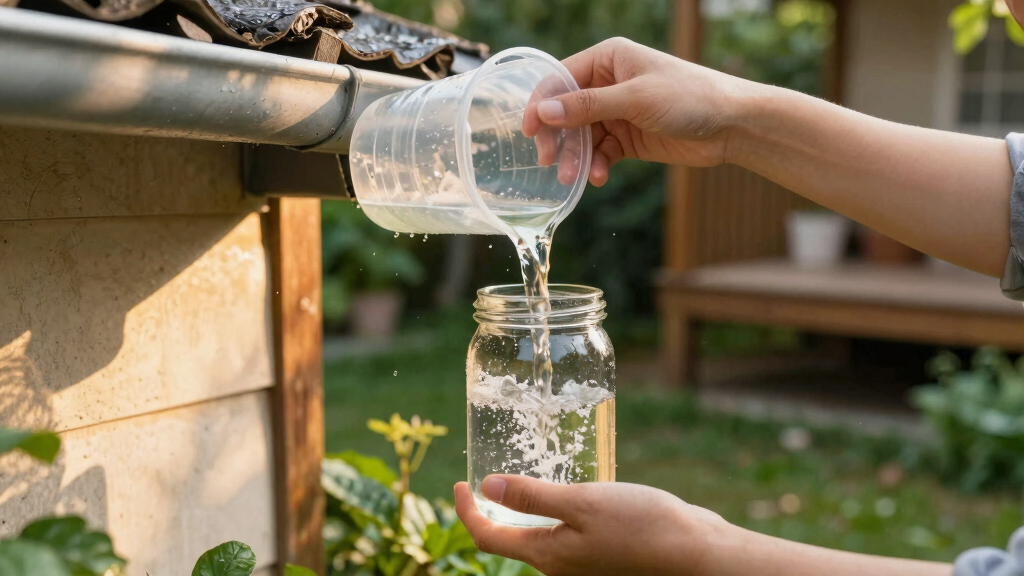
Collecting rainwater starts with choosing the right catchment surface. Metal or tile roofs are safest because they’re non-porous and don’t shed harmful chemicals. Gutter systems must be clean, free of leaves, and made of non-toxic materials. Installing screens on gutters keeps out debris and insects. When a heavy storm hits, water flows down the gutters into your storage tank—if your system is set up correctly, it’s like catching a flood of pure sky.
For example, a small off-grid cabin might install a galvanized metal roof and a simple gutter guard system. During a thunderstorm, the rain rinses off dust and pollen, filling a food-grade tank without much fuss. Just remember—every part of this system needs regular cleaning to maintain water quality.
As an affiliate, we earn on qualifying purchases.
Choosing the Right Storage Tank for Safe Rainwater Use
Your storage tank is the heart of your rainwater system. It needs to be food-grade, opaque, and tightly sealed. Plastic tanks made from polyethylene or fiberglass are popular choices because they resist algae growth and won’t leach toxins. Metal tanks are durable but require lining to prevent rust.
Imagine a 200-gallon tank nestled beside your shed—its dark exterior blocks sunlight, keeping algae at bay. The lid seals tightly, preventing mosquitoes and dust from sneaking in. Regular inspections and cleaning are key—think of it as giving your tank a health check every few months.
As an affiliate, we earn on qualifying purchases.
How to Filter and Disinfect Rainwater Before Drinking
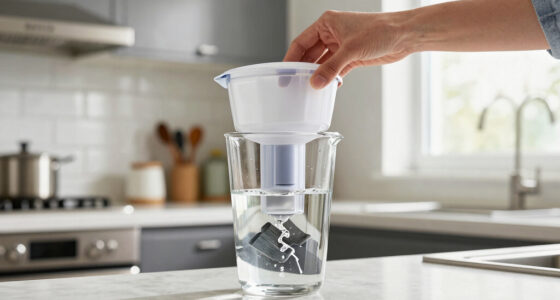
Rainwater must be filtered to remove leaves, dirt, and sediments before use. Use a fine mesh screen or a dedicated filter system—think of it like straining coffee grounds out of your brew. For drinking, disinfection is critical. Boiling water for at least one minute kills most pathogens. Alternatively, chlorination or UV sterilizers can do the job without heating.
For instance, you might install a simple ceramic filter and add a few drops of household bleach before drinking. Always test a small batch first to ensure safe levels of disinfectant. Remember—filtered and disinfected rainwater can be as safe as well water, if you do it right.
As an affiliate, we earn on qualifying purchases.
Simple Maintenance Tips to Keep Your Rainwater Safe Year-Round
Keeping rainwater clean is an ongoing task. Regularly inspect and clean gutters and filters—at least twice a year, or more if you notice debris. Drain and scrub your tank periodically to prevent algae and sediment buildup. Protect the inlet and outlet with mosquito screens to avoid breeding grounds.
Imagine a small farm installing a mesh cover over the tank inlet—each season, they remove leaves, wash out sediments, and test the water quality. Routine maintenance prevents health risks and extends your system’s lifespan. Think of it as tending a garden—regular care yields the best results.
As an affiliate, we earn on qualifying purchases.
Comparison of Common Rainwater Storage Materials
| Material | Pros | Cons |
|---|---|---|
| Polyethylene (Food-Grade) | Lightweight, resistant to corrosion, affordable | Can degrade over decades, UV-sensitive without coating |
| Fiberglass | Durable, chemical-resistant, opaque | More expensive, fragile during installation |
| Metal (Galvanized Steel) | Very durable, long-lasting | Rust risk if unlined, can leach metals if damaged |
Legal and Safety Tips for Rainwater Harvesting
Before setting up your rainwater system, check local laws. Some areas require permits, especially if you’re using large tanks or plan to drink the water. Avoid collecting rain from contaminated surfaces like asphalt or treated wood—these can introduce chemicals or toxins. Always treat rainwater if you plan to consume it, and test periodically to catch any microbial growth.
For example, a homeowner in a drought-prone region might secure a permit for a 500-gallon tank. They install screens, keep records of maintenance, and test the water annually. Following local rules not only keeps you legal but ensures safety.
Frequently Asked Questions
Is rainwater safe to drink?
Rainwater can be safe if you collect it from clean surfaces, filter out debris, and disinfect thoroughly—boiling or UV treatment are effective options. Always test the water if you plan to drink it regularly.How do I prevent mosquitoes in my rainwater tank?
Use tightly sealed tanks and install mosquito screens over all inlet and outlet points. Regularly clean the tank and remove any standing water or debris to keep mosquitoes at bay.What materials are best for rainwater storage tanks?
Food-grade polyethylene or fiberglass tanks are ideal—they resist algae and toxins. Avoid tanks that may leach chemicals or rust, like untreated metal or cheap plastic.How often should I clean my rainwater system?
At least twice a year—preferably before and after heavy rain seasons. Clean gutters, filters, and the tank interior to prevent buildup of sediments and microbes.Can rainwater harvesting save me money?
Yes. It reduces your reliance on municipal water, especially for outdoor use like irrigation and washing. Over time, it can cut your water bills significantly.Conclusion
Rainwater harvesting is a smart, sustainable way to supplement your water needs—if you do it right. Proper collection, sealed storage, and thorough treatment keep your water safe and clean. Think of your system as a small, self-reliant water cycle—trust it, maintain it, and it will serve you well.Columbus Day / Indigenous Peoples' Day Picks
long weekend sales
As an affiliate, we earn on qualifying purchases.