TL;DR

Get kitchen gear delivered free — and shop member deals
- Fast, free delivery on millions of items
- Access to Prime Big Deal Days deals on October 6–7
- Prime Video, Amazon Music and more included
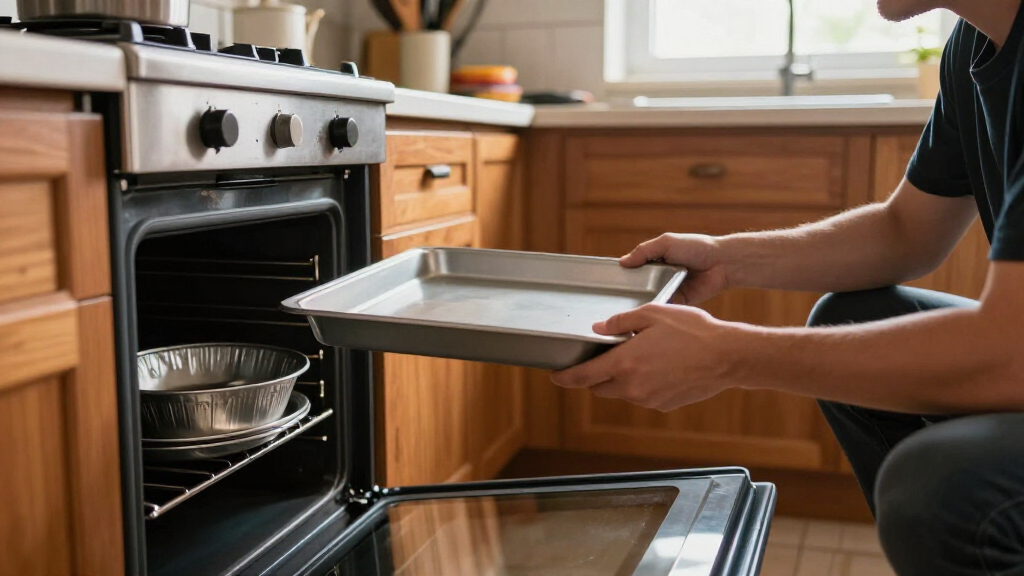
Good Housekeeping reports that AO.com appliance expert Jade Golding-Gault advises against storing sheet pans and other cookware in an oven. Items left inside during use may disrupt heat circulation, while forgotten or unsuitable objects can be damaged or pose a fire risk. The report recommends keeping the oven clear and checking that any oven liner is approved for the appliance.
Good Housekeeping reports that AO.com appliance expert Jade Golding-Gault advises against keeping sheet pans and other cookware in an oven, because items left inside during cooking can obstruct airflow and affect heat distribution. The more immediate hazard, she says, is forgetting what is stored there before switching the oven on, particularly if an item is not heat-safe.
Golding-Gault told Good Housekeeping that pans inside an operating oven can make it harder for heat to circulate evenly. The effect depends on the item’s size and position and the selected setting: a large pan on the oven floor can obstruct air moving through a fan-assisted oven, while a tray on the lowest shelf in a conventional oven can absorb heat from below.
The report says that disrupted circulation may contribute to uneven cooking and may require an oven to work harder to reach or maintain a temperature. Golding-Gault also said repeated use of an oven filled with stored items can place additional demand on heating elements and fan systems. The report does not provide independent test results quantifying those effects.
There are risks to the stored items, too. Golding-Gault said cookware exposed repeatedly to unintended heat may discolor or degrade, especially if it is not designed for prolonged high temperatures. More seriously, plastic- or rubber-handled cookware, food packaging and other non-oven-safe objects could melt or become damaged; she said some cases may create a fire risk. The report’s practical advice is to keep the oven clear and check inside before turning it on.
How Stored Pans Can Affect Cooking
For households, the main point is not that every sheet pan left in a cold oven will cause damage. The concern is what happens when the oven is switched on with something still inside: it may interfere with heat circulation, and an overlooked object may be exposed to temperatures it cannot withstand. Checking the oven before use is a simple way to reduce that risk.
The report also links obstructed airflow and longer heating periods with possible extra energy use and appliance wear. It gives a cost illustration from Go Compare: a 2,000-watt electric oven is listed at 53 pence per hour of use, or £192.36 per year, and an additional 10 minutes of cooking per hour is estimated to add £30 annually. Those figures are a cited example, not a measured estimate of the cost of storing a pan; the report does not establish how much, if at all, a particular item would extend cooking time.
Keeping cookware elsewhere can also reduce the chance of damage to pans and avoid moving items every time the oven is needed. The advice is especially relevant for people who use the oven frequently or keep other household items in it, but the supplied report does not quantify how common oven storage is or how often it causes incidents.
As an affiliate, we earn on qualifying purchases.
The Oven as Extra Storage
The report frames oven storage as a response to limited kitchen space. A cold oven can look like a convenient place for trays, tins or pans, and cookware intended for baking may appear suited to the heat. But being oven-safe for cooking does not mean an item should be left inside during every oven use or subjected to prolonged, repeated heating.
Some people also put a spare tray on the oven floor to catch drips and spills. Golding-Gault advises against using a tray there, saying it can affect airflow or heat distribution. For residue, the report suggests a reusable oven liner instead, provided the liner is compatible with the specific oven and used according to its manufacturer’s instructions. It should be replaced as directed and removed if it warps or becomes damaged.
The report does not describe a new regulation, product recall or official safety notice. It is household guidance based on an appliance expert’s comments, with an emphasis on avoiding unintended heating and keeping the oven unobstructed.
“If items, such as baking trays or pans, are left inside the oven when it’s in use, they can restrict airflow and prevent heat from circulating as efficiently around the space.”
— Jade Golding-Gault, AO.com appliance expert, as quoted by Good Housekeeping
As an affiliate, we earn on qualifying purchases.
What the Report Does Not Measure
The report does not state how much a stored pan changes cooking time, energy consumption or the likelihood of an appliance breakdown. Its energy-cost example is based on a cited oven-use estimate; it is not a direct measurement of the cost caused by leaving a sheet pan inside. Results would depend on the appliance, pan placement, oven setting and cooking task.
It also does not provide incident data showing how often stored objects melt, cause fires or damage ovens. Golding-Gault describes those outcomes as potential risks, not as inevitable consequences. The guidance supports checking the oven and avoiding unnecessary storage, but it does not establish that every oven-safe pan left inside will cause harm.
The report gives no particular oven model or liner product to endorse. Compatibility and replacement schedules should be checked with the oven and liner manufacturers; the report says liners often last around six months but directs readers to confirm the interval with the brand.
As an affiliate, we earn on qualifying purchases.
Check the Oven Before Use
No follow-up announcement or formal action is described in the report. For readers, the immediate step is to remove stored pans and tins, find them a separate place and make a quick visual check inside the oven before switching it on. This is particularly important if other people in the household may have put something away there.
Anyone using an oven liner should confirm it is designed for that appliance and follow the maker’s placement, cleaning and replacement directions. A liner that is warped or damaged should be replaced. The report does not recommend putting a sheet pan or other improvised tray on the oven floor to catch spills.
Whether the advice leads to changes in household habits or measurable reductions in energy use or repairs is not reported. The stated guidance remains straightforward: keep the oven clear while it is in use, inspect it before heating, and follow appliance and accessory instructions.
As an affiliate, we earn on qualifying purchases.
Key Questions
Is it safe to keep a sheet pan in a cold oven?
The report does not say that a pan in a cold oven is automatically dangerous. Its concern is that stored items may be forgotten when the oven is switched on, and that items left inside during cooking may affect airflow or heat distribution. Check the oven before every use.
Can a pan in the oven affect cooking?
According to AO.com appliance expert Jade Golding-Gault, an item’s size and position can restrict airflow or absorb heat, potentially contributing to uneven cooking. The report does not quantify the effect for a particular oven or pan.
Could stored items create a fire risk?
Golding-Gault says non-oven-safe items, including objects with plastic or rubber handles and food packaging, may melt or be damaged when heated and, in some cases, may create a fire risk. This is a potential risk, not a claim that every stored item will cause a fire.
What can catch drips on the oven floor?
The report recommends considering a reusable oven liner rather than leaving a sheet pan on the oven floor. Check that the liner is compatible with the specific oven, follow its manufacturer’s directions and replace it if warped or damaged.
Source: rss
Fall Picks
fall essentials
As an affiliate, we earn on qualifying purchases.