
TL;DR

Get kitchen gear delivered free — and shop member deals
- Fast, free delivery on millions of items
- Access to Prime Big Deal Days deals on October 6–7
- Prime Video, Amazon Music and more included
Preparing your kitchen before a storm means stockpiling essentials, securing safety measures, and staying informed. Smart planning keeps you self-reliant during outages and emergencies.
Storm clouds gathering on the horizon can turn your home into a patchwork of chaos if you’re not ready. The kitchen, often the heart of your home, becomes a critical zone for safety and self-reliance during severe weather. When the power flickers or goes out, you’re going to want your kitchen to be a fortress of essentials, safety, and preparedness.
Today, you’ll learn how to turn your kitchen into a storm-ready space — stocked with what you need, safe from hazards, and capable of keeping you fed and informed when the weather turns ugly. It’s about proactive steps that make all the difference when seconds count.
Stockpile at least three days’ worth of non-perishable food and water, focusing on durability and ease of access.
Prepare multiple lighting options — flashlights, lanterns, and solar chargers — to stay safe during power outages.
Use coolers and ice packs to preserve perishables when the fridge can’t keep up with power loss.
Eliminate hazards and keep safety gear handy to prevent accidents during storm chaos.
Keep devices charged and have a battery-powered radio for continuous weather updates.
Stockpile the essentials that keep you fed and hydrated
The first step in prepping your kitchen is gathering enough supplies to last at least three days — ideally longer. Imagine a power outage lasting two days, maybe more, with no access to fresh food or clean water. Your goal is to avoid panic, not just survive.
Start with non-perishable foods: canned beans, rice, dried pasta, and hearty snacks like trail mix or energy bars. Don’t just stockpile these items; consider the nutritional value and how they fit into your overall diet, ensuring you have a balanced intake during stressful times. Bottled water is essential — at least one gallon per person, per day — because hydration is vital for maintaining energy, focus, and health during emergencies. If you have infants or dietary restrictions, include appropriate foods in your plan, recognizing that special needs can complicate your options and require advanced preparation.
Manual tools like a can opener become your best friends because electricity may not be available to open canned goods. Keep extra utensils, a small portable stove or camping cooker (if safe and allowed), and a supply of fuel or batteries for your flashlights. These choices are about ensuring you can eat, drink, and cook independently of electricity, which extends your capacity to endure outages without feeling helpless.
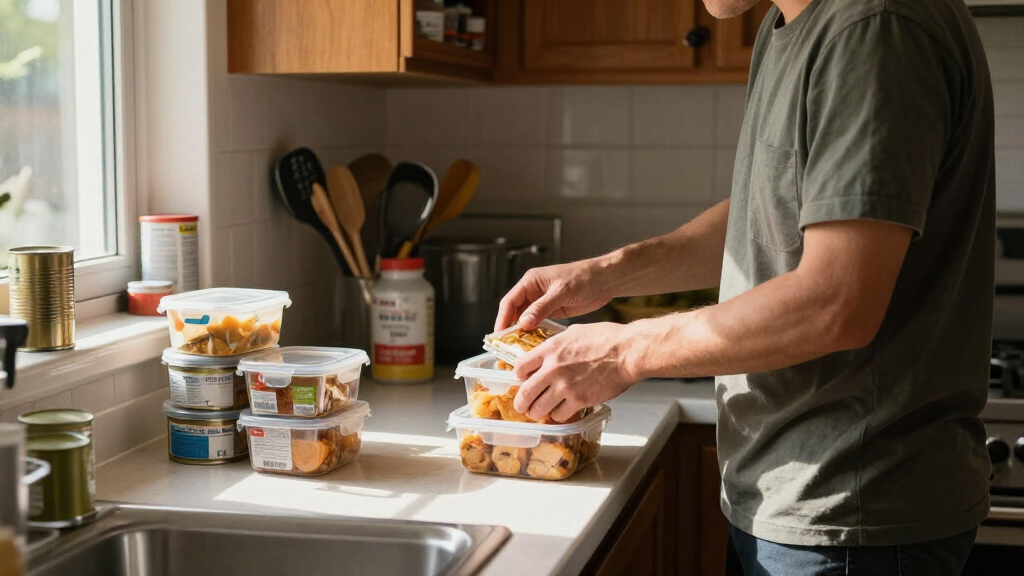
For example, a family of four could prepare by stacking a dozen canned vegetables, two cases of bottled water, and a few energy-dense snacks in a designated corner of the pantry. Label everything clearly, so in a stressful situation you can quickly grab what you need. The key is not just having supplies but understanding how they support your health and safety during extended storms, reducing the risk of dehydration and malnutrition.
storm preparedness emergency food kit
As an affiliate, we earn on qualifying purchases.
As an affiliate, we earn on qualifying purchases.
Secure lighting and power alternatives to stay safe at night
Lighting is your lifeline when the power drops, but beyond just having lights, understanding why they matter helps you prioritize your safety. Battery-powered flashlights, lanterns, and headlamps are reliable, quiet, and don’t rely on grid power, making them essential for navigating dark spaces safely. Keeping a dedicated stash of fresh batteries or portable power banks charged and ready ensures you won’t be left in the dark when the power fails unexpectedly. Candles can provide a warm glow, but they carry fire risks, especially in stressful conditions or if left unattended. If you choose to keep candles, storing them safely and using candleholders minimizes fire hazards and accidental injuries.
Think of a dark, stormy night — a flick of a switch is replaced by a flickering candle or the glow of an LED lantern. Having multiple light sources ensures you can illuminate different areas as needed, preventing trips and falls. A good rule: have at least one flashlight per person, plus a central lantern for shared spaces. For example, a small LED lantern plugged into a portable power bank can run for hours, providing steady light without the smoke or wax mess of candles. This redundancy is crucial because it ensures you always have a backup plan, reducing panic and maintaining safety in chaos.
Portable solar chargers have gained popularity because they can keep your essential devices like cell phones and radios powered during extended outages. This self-reliance is critical during storms, as staying connected to emergency services and loved ones can be a matter of life and death. Investing in these options means you’re not solely dependent on the grid, giving you peace of mind and more control over your safety during prolonged storms.
portable LED flashlight for power outages
As an affiliate, we earn on qualifying purchases.
As an affiliate, we earn on qualifying purchases.
Protect perishable foods and plan for refrigeration outages
When the power cuts out, your fridge and freezer are vulnerable to spoilage, which can lead to food waste and health risks. To safeguard your perishables, planning ahead is essential. Using coolers with ice packs or frozen bottles of water creates a temporary cold storage zone that can extend the life of your food. If you have a deep freezer, freezing as much as possible before the storm hits helps preserve food longer during outages, reducing waste and cost.
For instance, a family might fill a large cooler with ice and frozen water bottles, then transfer dairy, meats, and leftovers into it when the power flickers. Placing the cooler in a cool, shaded part of your house helps maintain lower temperatures longer, prolonging the safety window for your food. This practice prevents spoilage, which can cause illness and force unnecessary disposal of food supplies.
Remember, perishable foods begin to spoil after about four hours in a warm room, but with proper planning, you can extend this window significantly. Planning meals that don’t heavily rely on refrigeration, like canned stews or dried grains, makes your emergency food plan more resilient and versatile. Understand the tradeoff: investing in coolers and ice packs costs money and effort but can save you from waste and health issues during a prolonged outage.
Pro tip: Label what’s in your coolers and keep a thermometer inside to monitor temperature. Food safety isn’t just about stockpiling; it’s about actively managing storage conditions to prevent spoilage, which has serious implications for health and resource management during a storm.
As an affiliate, we earn on qualifying purchases.
Check safety gear and clear hazards to prevent accidents
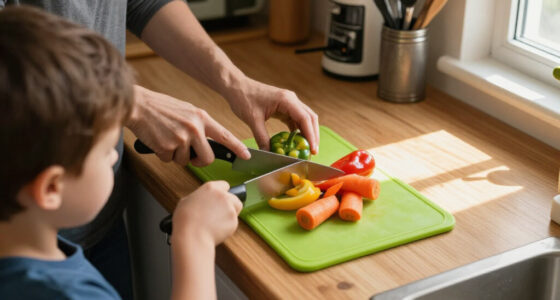
Storm prep isn’t just about food and light — safety comes first. Store a fire extinguisher close to the kitchen, and make sure it’s rated for electrical and grease fires. Keep knives and sharp tools in a safe, accessible spot — a cluttered kitchen becomes a hazard when you’re stressed or tired. Recognizing potential hazards and addressing them proactively reduces the risk of accidents during stressful storm conditions. For example, loose cabinet handles or unsecured loose items could become dangerous projectiles in high winds or if jostled during cleanup. Making sure pathways are clear and hazards are minimized helps prevent falls and injuries, which can be especially dangerous when medical help might be delayed.
Picture a stormy evening: wind howling outside, and you’re rushing to shut off gas valves or secure loose items. Clear the area of potential projectiles like loose utensils, small appliances, or loose cabinet doors. Make sure pathways are unobstructed for quick evacuation or emergency access. Safety gear like gloves, masks, and safety glasses should be within reach, especially if you need to handle hazardous materials or do repairs during the storm’s aftermath. Proper organization and hazard reduction not only protect you but also prevent minor incidents from escalating into serious injuries, helping you stay calm and in control when it matters most.
battery operated radio weather alert
As an affiliate, we earn on qualifying purchases.
As an affiliate, we earn on qualifying purchases.
Stay connected and informed without power
Communication is vital when storms threaten. Fully charge your cell phones and portable devices beforehand. Keep a portable, hand-crank or battery-powered radio tuned to local weather alerts. This way, you get updates even if your internet or cell service drops out. Understanding the importance of reliable communication helps you avoid unnecessary panic and make informed decisions quickly. During outages, internet and cell signals can be unreliable or completely unavailable, so having a dedicated radio ensures you stay connected to emergency alerts and weather warnings. Extra batteries or a solar-charged power bank add redundancy, making sure you aren’t left without updates when they’re most needed. Additionally, having a printed list of emergency contacts and shelter locations tucked in your kitchen drawer provides a reliable backup, as paper doesn’t rely on electricity or signals and can be accessed in any situation.
This preparedness reduces uncertainty, helps coordinate family safety, and ensures you’re not isolated when the storm hits. Recognizing the tradeoff—investing in a good radio and batteries now can prevent confusion and danger later—makes a significant difference in your overall storm resilience.
Manage water supply for sanitation and safety
Water is as vital as food during a storm, not just for drinking but also for hygiene and sanitation. Filling sinks, bathtubs, or large containers with clean water before the storm ensures you have an emergency reserve for cooking, cleaning, and flushing if your regular water supply becomes interrupted. Having a sufficient amount—at least 1-2 gallons per person per day—can mean the difference between maintaining basic hygiene and risking infection or illness. For example, filling a bathtub with water before the storm hits creates a backup for flushing toilets or washing hands, which are critical for preventing disease during extended outages. Keep a small supply of bottled water for drinking and cooking, recognizing that contaminated sources can cause illness and should be avoided.
If you rely on well water, consider installing a storage tank or emergency backup system. During a recent storm, a homeowner used stored water to rinse dishes and brush teeth, maintaining hygiene despite the outage. Remember, water sources can become contaminated during storms, so proper storage and handling are vital. Regularly clean your containers and avoid using questionable sources to prevent waterborne illnesses. This preparation ensures you are not solely dependent on municipal systems, which might fail or be compromised during severe weather events, and helps you maintain health and safety in the storm’s aftermath.
Conclusion
Preparing your kitchen before a storm isn’t just about stockpiling — it’s about creating a safe, self-reliant space that works without electricity or running water. With a few deliberate steps, you turn a potential disaster zone into a manageable, even comfortable, part of your storm plan.
Think of your kitchen as your anchor during chaos. When the skies darken, your readiness becomes a quiet act of resilience — a simple, powerful way to stay safe and self-sufficient. Set your plan, gather your supplies, and remember: preparedness is peace of mind, even when the storm rages outside.
Fall Picks
fall essentials
As an affiliate, we earn on qualifying purchases.