TL;DR
Open a free Amazon Business account
Business pricing, bulk buying and tax-exempt orders.
Create a free accountAs an affiliate, we earn on qualifying purchases.
Stored water doesn’t spoil, but it can taste flat or become contaminated. Proper storage, container hygiene, and regular rotation keep water fresh and safe. Aerating and cooling can restore flavor, but safety depends on initial quality and handling.
Imagine you’re ready for a power outage or a natural disaster. Your water supply is there, waiting. But after a few weeks, the once-crisp taste has faded into a dull, flat flavor. Worse, you wonder: is it safe? That’s what happens when stored water goes stale or becomes contaminated.
Keeping water fresh isn’t about magic — it’s about simple, consistent practices. Whether you’re filling jugs for off-grid living or stockpiling emergency supplies, knowing how to prevent water from going bad can save you headaches, and even health risks. Today, you’ll learn how to maintain clean, good-tasting water, and when to replace or treat it to stay resilient.
Always start with clean, treated, and sanitized containers filled with potable water.
Store water in cool, dark, chemical-free places to slow deterioration.
Regularly rotate your stored water — every 6 months is a good rule of thumb.
Aerate and chill stale water to improve flavor without risking safety.
Watch for signs of contamination, and discard or treat water showing any unusual signs.
How to Keep Stored Water from Going Stale
Stored water doesn’t spoil like food — but it can taste flat and become contaminated. Proper storage, container hygiene, and a simple six-month rotation keep your reserve fresh, safe, and ready when you need it most.
The Right Container Makes All the Difference
Contamination most often enters through the container itself. Use vessels intended for drinking water — never anything that previously held chemicals, fuel, pesticides, or even milk and juice, which are difficult to sanitize fully.
Food-Grade HDPE Jugs
Purpose-made water-storage jugs and drums in high-density polyethylene, built for potable water and long shelf life.
Stainless Steel & Glass
Stainless-steel vessels designed for potable water, or clean glass bottles stored where breakage is unlikely.
Factory-Sealed Bottles
Commercial bottled water stays usable for a long time — heed best-by dates and inspect for cracks or cloudiness.
Milk & Juice Jugs
Nearly impossible to sanitize and degrade quickly — residual proteins feed bacterial growth.
Trash Cans & Buckets
Non-food-grade plastics and vessels that held chemicals can leach odors and harmful substances into your water.
Damaged Vessels
Containers with cracks, damaged caps, or questionable seals invite microorganisms, dust, and insects.
Safe Preparation, Step by Step
Fresh, safe stored water is the result of a consistent routine — from source to shelf. Follow this chain every time you fill a new batch.
Start Potable
Use treated tap water, or filter and disinfect well water before it goes into storage.
Wash & Sanitize
Scrub containers with dish soap, rinse thoroughly, then sanitize per current CDC or EPA guidance.
Fill & Seal
Fill without touching the inside of container or cap. Seal tightly to lock out microbes and odors.
Label & Store
Mark the fill date. Store upright in a cool, dark, dry spot away from chemicals and sunlight.
Rotate
Inspect every few months and refresh the supply about every six months to prevent stagnation.
Handling matters: wash hands before touching stored water, use clean funnels and spigots — never pour from a dirty hose — and keep caps sealed after every use. Don’t repeatedly open the main supply; pour from smaller containers instead so the full reserve isn’t exposed each time.
Cool, Dark, and Dry Wins
Heat and light accelerate plastic degradation and encourage bacterial and algae growth. Storage location directly impacts how long your water stays fresh and safe — here’s how common locations compare.
RELATIVE FRESHNESS RETENTION BY STORAGE LOCATION · TARGET 55–65°F (13–18°C)
Fixing Flat Taste — and Knowing When to Toss It
Stale taste is usually just lost dissolved oxygen, not spoilage. But appearance never guarantees safety: bacteria, viruses, and chemicals are often invisible, odorless, and tasteless. Know which fixes are cosmetic and which problems mean discard-or-treat.
| Sign / Method | Taste Fix? | Safety Fix? | What To Do |
|---|---|---|---|
| Flat, dull flavor | ✓ Yes | ~ N/A | Pour between two clean containers several times to re-aerate, then chill. |
| Cloudiness or sediment | ✗ No | ✗ Danger | Discard or disinfect per health-authority guidance before any use. |
| Chemical or fuel odor | ✗ No | ✗ Danger | Discard immediately — the container may have absorbed solvents or vapors. |
| Broken seal or swelling | ✗ No | ✗ Danger | Do not drink. Replace container and inspect the rest of your batch. |
| Sat past 6 months, looks fine | ~ Aerate | ~ Rotate | Use old water for garden or cleaning, then refill with fresh treated water. |
| Suspected microbes | ✗ No | ✓ Treatable | Disinfect using current CDC/EPA instructions — never from memory. |
Bleach warning: only plain unscented bleach is suitable for disinfecting drinking water. Scented, splashless, color-safe, or additive-containing products are not. Concentrations vary — always follow current local health-authority, CDC, or EPA dosing instructions.
Six Warning Signs It’s Time to Discard
Inspect your reserve periodically. Any one of these clues suggests contamination or deterioration — when in doubt, throw it out or treat it properly.
Broken or Loose Seals
Caps that no longer seal tightly let in dust, insects, and microorganisms.
Swelling Containers
Bulging plastic signals gas-producing bacterial activity inside.
Cloudiness
Clear water should stay clear — haziness indicates microbial growth.
Sediment or Slime
Visible particles or a slimy film on the interior wall mean biofilm buildup.
Off Odors
Any chemical, fuel-like, or rotten smell means the water is compromised.
Cracked Plastic
Cracks and damaged caps break the protective barrier — replace the vessel.
Start with safe, clean water from the get-go
The foundation of good stored water is quality. Use tap water that’s already safe or treat well water before storage. Run it through a proper filtration or chlorination process if needed. Starting with contaminated water guarantees trouble down the line. Next, clean your containers thoroughly — wash with dish soap, rinse well, then sanitize with a safe solution like diluted bleach or vinegar. This kills lingering bacteria and molds that could spoil your water.
For example, if you fill a 5-gallon jug, make sure it’s a purpose-made water container, not a repurposed milk jug. Label it with the fill date. This way, when you check in six months, you’ll know if it’s time to refresh your supply.
food grade water storage containers
As an affiliate, we earn on qualifying purchases.
As an affiliate, we earn on qualifying purchases.
Choose the right containers and store them properly
Your containers matter more than many realize. Use food-grade, high-density polyethylene jugs, stainless steel tanks, or glass bottles designed for drinking water. Avoid trash cans, non-food buckets, or anything previously used for chemicals or pesticides. These can leach odors or harmful substances into your water.
Store your water in a cool, dark place — a basement shelf or cellar works well. Keep them upright, sealed tight, and away from sunlight. Heat and light accelerate plastic breakdown and encourage bacterial growth. For example, a batch of 5-gallon containers tucked into a shaded corner of your basement can stay fresh longer than in a hot attic. Choosing proper containers and optimal storage environments is crucial because it directly impacts the lifespan and safety of your water. Poor choices, like storing in warm or light-exposed areas, can accelerate microbial growth and chemical leaching, which compromise water quality and safety. The tradeoff is convenience versus longevity—prioritizing cool, dark storage might require rearranging your space but significantly extends your water’s usability.
As an affiliate, we earn on qualifying purchases.
Prevent contamination with good handling habits
Contamination often sneaks in through dirty hands, unclean utensils, or loose caps. Always wash your hands before handling stored water. Use a clean spigot, funnel, or cup to fill containers, never pour directly from a hose or dirty jar. Keep caps tightly sealed after each use.
For example, if you’re filling multiple smaller bottles from a main jug, rinse each bottle thoroughly first. Don’t touch the inside of caps or containers. Label each with the fill date and keep a rotation schedule. This minimizes risk and keeps your water safe for months. Good handling practices are essential because they directly influence the microbial load introduced into your stored water. Even a tiny amount of dirt or bacteria can multiply over time, especially in warm or light-exposed environments. The tradeoff here is between convenience and hygiene—taking the time to handle water carefully may seem tedious but greatly reduces the risk of spoilage and illness.
water purification and treatment tablets
As an affiliate, we earn on qualifying purchases.
As an affiliate, we earn on qualifying purchases.
Control storage conditions: cool, dark, and dry
Temperature and light shape how long water stays fresh. Store your containers in a cool, dark corner — think cellar, basement, or shaded closet. Avoid places like the garage or attic, where temperatures fluctuate and sunlight hits the containers.
For instance, a stable 55-65°F (13-18°C) environment slows microbial activity and plastic degradation. Additionally, maintaining a consistent, moderate temperature helps prevent the rapid growth of bacteria and algae that thrive in fluctuating or warm conditions. Keep your water away from chemicals, fuels, pesticides, or cleaning products, which can absorb and contaminate the water through the container’s material. This prevents chemical leaching and accidental ingestion of harmful substances. The implication is that improper storage not only shortens water shelf life but can introduce health hazards. The tradeoff is that setting up a proper storage space requires some effort but pays off by preserving water safety and taste over time.
water aeration and cooling devices
As an affiliate, we earn on qualifying purchases.
As an affiliate, we earn on qualifying purchases.
Rotate and refresh your stored water regularly
Don’t let your stored water sit indefinitely. A common rule is to replace it every six months, especially if stored in home-made containers. Mark each container with the date so you can keep track. When it’s time, pour the old water into your garden or for cleaning, then refill with fresh, treated water.
Regular rotation prevents stagnation, which can lead to bacterial or algae growth, and taste deterioration. Stagnant water becomes a breeding ground for microbes, and over time, the dissolved oxygen that keeps water tasting fresh diminishes. By refreshing your supply, you maintain not just safety but also the quality of taste—important for hydration and morale during emergencies. The tradeoff here is that frequent rotation requires planning and effort, but it’s essential for maintaining water integrity and peace of mind. Commercial bottles often have best-by dates—heed those, and inspect for cracks or cloudiness before use.
Aerate and chill to improve taste
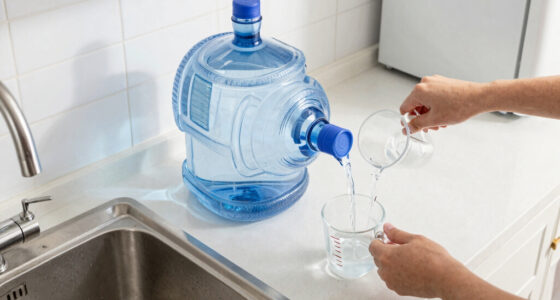
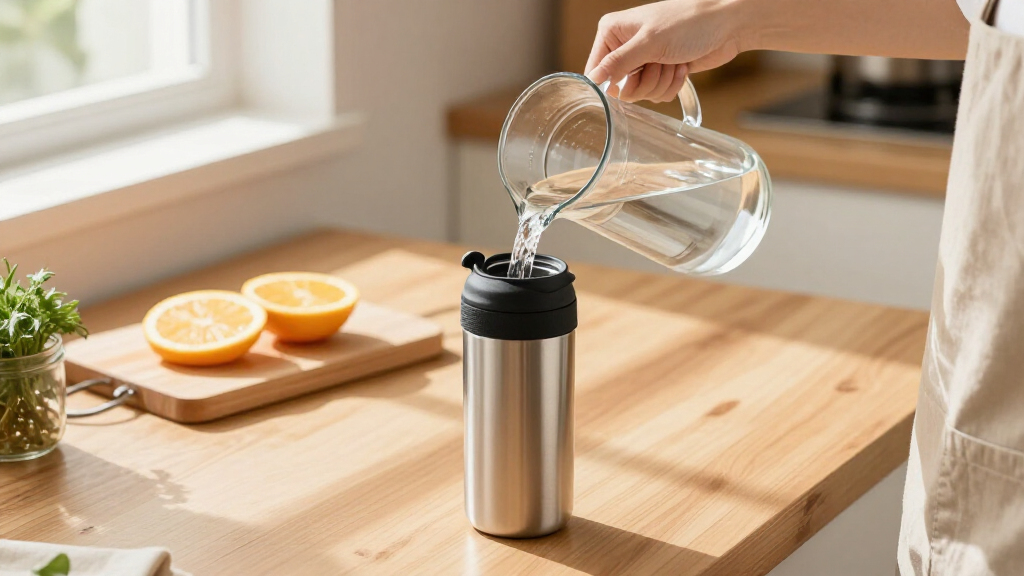
Flat, stale taste mainly results from reduced dissolved oxygen, which affects flavor and freshness perception. To restore this, pour your stored water back and forth between two clean containers—this process introduces oxygen into the water, revitalizing its taste. Chilling it in the fridge or a cool place further enhances the perception of freshness, making it more palatable during extended storage periods.
Imagine pouring water from a jug into a glass, then back into the jug — repeat a few times. This simple step can make the difference between dull and crisp-tasting water, especially if stored for weeks. Keep in mind, though, aeration improves flavor but does not eliminate bacteria or chemical contaminants. If you suspect microbial presence or chemical contamination, treat or replace the water accordingly to ensure safety. The implication is that aeration is a quick fix for taste, but it’s not a substitute for proper treatment if contamination is present. The tradeoff is that aerating is easy and inexpensive but should be used as a flavor enhancement, not a safety measure.
Identify warning signs and when to discard water
If your stored water shows any signs of trouble, it’s time to toss it or treat it. Look for broken seals, swelling, cloudiness, sediment, or slime. Smell for chemical, fuel-like, or rotten odors. Any of these clues suggest contamination or deterioration, which can pose health risks if ingested.
For example, if a container that was sealed tight now leaks or has a funky smell, discard it immediately. Boiling can handle many microbes, but chemical contamination requires proper treatment or disposal. Recognizing these signs early prevents health hazards and ensures your emergency water supply remains safe and effective. The importance of early detection is that it minimizes health risks and prevents the consumption of unsafe water. Relying solely on taste or smell isn’t foolproof, so regular visual and olfactory inspections are critical. The tradeoff is that inspecting regularly may seem laborious, but it’s essential for safety assurance.
When in doubt, better safe than sorry. Clear signs of spoilage mean you should replace your water and revisit your storage practices. Regular inspection is key to catching problems before they become serious.
Frequently Asked Questions
How often should I replace my stored water?
Most experts recommend replacing home-filled emergency water every six months. Commercial bottled water can last longer if stored properly, but always check the expiration date and inspect the packaging for damage before use.
Can I reuse water bottles for long-term storage?
Reusable, food-grade containers are best. Avoid reusing disposable bottles like soda or water bottles, as they can degrade or harbor bacteria. Durable, purpose-made containers are safer for regular use and long storage periods.
What should I do if my stored water tastes flat?
Pour it back and forth between two clean containers to aerate it, then chill. This can restore some freshness. But if it smells off or has sediment, discard it and replace with fresh water.
Is boiling enough to make stored water safe?
Boiling kills most microbes but doesn’t remove chemical contaminants or heavy metals. Use it when microbial contamination is suspected, but avoid boiling chemically contaminated water—treat or discard instead.
Where is the best place to store emergency water?
Choose a cool, dark, dry spot away from chemicals, fuels, and sunlight. A basement or pantry works well. Keep containers sealed tight, upright, and easily accessible for quick use or rotation.
Conclusion
Keeping stored water fresh isn’t about complicated equipment — it’s about consistent habits: clean containers, proper storage, and regular checks. Small steps now save headaches later, especially when emergencies strike.
Remember, taste can deceive, but safety can’t. Maintain your supplies diligently, and your resilience will be that much stronger. Your off-grid water supply is only as good as the care you put into it — treat it like the lifeline it is.
Flea & tick season Picks
flea and tick prevention
As an affiliate, we earn on qualifying purchases.