TL;DR

Get kitchen gear delivered free with Prime
- Fast, free delivery on millions of items
- Prime Video, Amazon Music and more included
- Member-only deals all year
To plan meals without refrigeration, build meals from unopened shelf-stable foods, such as canned beans, crackers, oats, nut butter, dried fruit, and products labeled shelf-stable. Pack portions you can finish, plan for safe water and cooking, and discard perishable food left out longer than two hours—or one hour above 90°F (32°C). A cooler helps only while it keeps food at or below 40°F (4°C). [1]
A can of beans can sit in your pantry for months; once you open it on a hot campsite, the clock starts ticking. Planning meals without refrigeration means knowing which foods can wait, which need cold storage, and how much you can use at one sitting.
This matters when you camp, travel, lose power, or cook in a home without a dependable fridge. You’ll learn how to build simple meals from shelf-stable ingredients, plan portions that don’t leave risky leftovers, and account for water, fuel, and summer heat. The goal is practical: good food you can prepare safely with the tools you actually have.
Think of your plan as three parts: what stays safe unopened, what you’ll eat once opened, and how you’ll handle heat and water. A little planning can turn a bag of oats, a tin of fish, and an apple into a meal instead of a guess.
Build meals around unopened shelf-stable foods, and check storage instructions for what changes after opening.
Pair a protein, grain or starch, and fruit or vegetables for a practical meal with little refrigeration.
Use small packages or portions you can finish; discard perishable leftovers when you cannot keep them cold.
Discard perishable food after two hours at room temperature, or one hour above 90°F (32°C).
A cooler is useful only while food stays at or below 40°F (4°C); keep it shaded, closed, and monitored.
Field guide / food safety
How to Plan Meals Without Refrigeration
Build satisfying meals from shelf-stable foods, plan portions you can finish, and make room for safe water, cooking, and heat management.
Discard perishable food left out longer than this.
Heat shortens the safe window for perishable food.
Keep food at or below 4°C; check with a thermometer.
Protein + grain or starch + produce
Pack what you can finish after opening
Cold storage works only while it stays cold
Water, fuel, utensils, and people’s needs
01 / Choose your building blocks
Start with foods that can wait
Check package directions before you leave. Storage needs can change after opening, even when the unopened product is shelf-stable.
Pantry-ready anchors
Choose familiar foods you can prepare with the supplies you have.
Canned beans or fish · nut butter · powdered milkFilling foundations
Match cooking time and water needs to your fuel and equipment.
Crackers · oats · pasta · dried grainsEasy additions
Round out a meal with intact, shelf-stable or whole produce.
Whole apples or oranges · canned vegetables · dried fruit02 / Build a practical menu
One simple formula, many meals
List meals and snacks, then check water, cooking time, fuel, utensils, and dietary needs before packing.
Make each meal work harder
Example: tuna pouch + crackers + unopened fruit cup. Ready to eat, easy to portion, and no stove required.
- 1Count meals, snacks, and people. Include familiar foods and any medical or dietary needs.
- 2Choose ingredients that store safely. Keep shelf-stable packages sealed until mealtime.
- 3Check preparation needs. Pack safe water, fuel, utensils, and time for cooking.
- 4Portion and schedule openings. Prefer single servings and open each package when ready to eat.
03 / Manage time and temperature
Heat changes the clock
Smell and appearance cannot tell you whether food is safe. Use time, temperature, and package directions.
2 hours → 1 hour
Discard after 2 hours at room temperature—or after 1 hour when the air is above 90°F (32°C). A hot car or direct sun can make food warm quickly.
Keep it at or below 40°F / 4°C
Use enough ice or frozen packs, keep the lid shut and cooler shaded, separate raw food from ready-to-eat items, and check the temperature.
04 / Pack and handle with care
Keep the plan simple at mealtime
Small portions reduce waste and make it easier to avoid risky leftovers on a hike, picnic, trip, or during a power outage.
- ✓Pack single servings or small packages you can finish once opened.
- ✓Use clean hands and utensils, safe drinking water, and covered food away from pests.
- ✓Cook only the portion you need; without refrigeration, discard perishable leftovers.
- ✓Note when cold food comes out if travel or camp setup may distract you.
Trace the plan
From pantry to safe meal
Use this chain for camping, travel, outages, or any day without dependable refrigeration.
Check labels and storage instructions.
Choose a practical, satisfying mix.
Pack servings you can finish.
Chill properly or discard on time.
Start with foods that can wait safely on the shelf
Meals without refrigeration work best when you start with foods that are labeled shelf-stable and remain unopened until mealtime. Canned beans, fish, vegetables, and fruit; dried grains and pasta; nut butter; crackers; powdered milk; and some unopened shelf-stable milk or plant drinks give you a dependable base. Check each package: a product’s storage needs can change after you open it. [1]
For a day hike, you might pack crackers, a small jar of peanut butter, a whole apple, and an unopened carton of shelf-stable milk. For a cabin without a working fridge, pair dry pasta with a can of tomatoes and beans, then cook only the amount you plan to eat. These meals aren’t fancy, but they’re filling and predictable.
Build a pantry around foods you already know how to prepare. If your usual beans need simmering, check the label and count the water and fuel they’ll use; canned beans can be drained and eaten cold or heated in a pan. An unopened can generally keeps at room temperature when its label allows and the can is intact. Once it’s open, follow the package directions and use the contents promptly.
Choosing foods that are safe at room temperature cuts down on guesswork. A package marked “keep refrigerated” belongs in a properly cold cooler, even if it looks similar to a shelf-stable version. On the other hand, many whole fruits, dry snacks, and unopened canned goods can travel without ice. Read the storage directions before you leave, not after you’ve unpacked at the trailhead.
Products Worth Considering

Philips Café Aromis Automatic Espresso Machine with LatteGo Pro Milk System

Le Creuset Signature Enameled Cast Iron Round Dutch Oven, 5.5 qt, Deep Teal

Le Creuset Enameled Cast Iron Round Bread Oven, 9.5-Inch, Cerise
As an affiliate, we earn on qualifying purchases.
Use a simple plan to turn pantry foods into meals
To plan meals without refrigeration, match one shelf-stable protein with a grain or starchy food, then add fruit or vegetables. This simple pattern makes meals more satisfying and helps you use ingredients in combinations that need little equipment. For example, tuna with crackers and an unopened fruit cup gives you protein, starch, and fruit without a stove.
- List the meals you need, including snacks and the number of people eating.
- Choose a protein, a grain, and produce for each meal from foods you can store safely.
- Check preparation needs: water, cooking time, fuel, utensils, and package directions.
- Pack portions you can finish, using small containers or single servings where practical.
- Make an opening schedule, so you open each package when you’re ready to eat it.
Suppose you’re planning a two-day camp trip for one person. Breakfast could be instant oats with nut butter and dried fruit; lunch could be crackers with a single-serve tuna pouch and a whole orange; dinner could be pasta with a can of beans and tomatoes. The oats and pasta need water and fuel, so you’d include both in the plan rather than discovering that gap after dark.
Planning meals without a refrigerator also means making the plan fit the people eating. A child may need familiar snacks, and someone with a medical or dietary need may rely on specific foods. Write down those needs alongside the menu. A meal plan is only useful if everyone can eat it and you can prepare it with the supplies on hand.
Keep portions small so opened food doesn’t become a problem
Pack only the amount you can use at one meal, because perishable leftovers generally should be discarded when you have no refrigeration. Small cans, pouches, and individual packages can reduce waste and avoid the temptation to save food for later without a safe place to chill it. [1]
Imagine opening a large can of peaches for one person at breakfast on a warm day. You eat half, then tuck the rest beside your pack “for later.” Without refrigeration, that leftover can sit warm while you hike. A small fruit cup avoids that problem: you open it, finish it, and carry away the empty package.
The same idea applies to cooking. Measure pasta or oats before adding water, and cook one serving at a time if your pot and fuel allow. If you’re feeding a group, divide food into clean serving bowls and keep the rest covered until people are ready. Avoid leaving a communal dish exposed while everyone eats over a long, sunny lunch break.
Food that has been opened may have different storage instructions from the unopened package. Read the label, and don’t treat a clean-looking container as proof that leftovers are safe. Small portions save food and reduce risk; they also make packing easier when every ounce in a daypack matters. For a family at a picnic, individual packets of nut butter and crackers can be simpler than carrying a large jar and trying to protect it after opening.
Use the two-hour rule to make safer decisions in the heat
Perishable food left at room temperature for more than two hours should be discarded; when the temperature is above 90°F (32°C), the limit is one hour. Hot weather, direct sun, and a warm vehicle can speed the problem, so don’t stretch the clock because food still smells normal. [1]
Say you pack cheese and cooked chicken for a roadside lunch, then leave the bag in a parked car while you take a long walk. If the car is hot, the food can exceed the one-hour limit even if the drive to the picnic spot was short. A better choice is shelf-stable crackers with nut butter, or a properly chilled cooler you keep closed and shaded.
Time and temperature matter more than smell. Harmful bacteria can grow without making food look, smell, or taste different, so tasting a bite is not a reliable safety check. Use the clock, package directions, and actual temperature instead. When you’re unsure how long a perishable item has been warm, discarding it is safer than gambling on your stomach.
Write down when you take perishable food out of cold storage if you’ll be busy setting up camp or driving. That small note can prevent “Was this out for an hour or four?” later. In a power outage, keep the refrigerator and freezer doors shut, use a thermometer to check temperatures, and follow public-health guidance about what to keep or discard. [1]
Treat a cooler as temporary cold storage, not a magic box
A cooler can hold perishable food temporarily if it keeps that food at or below 40°F (4°C). Pack enough ice or frozen gel packs, keep the lid shut, separate raw food from ready-to-eat items, and use a thermometer to check the temperature. A cooler alone does not prove the food is cold enough. [1]
For a one-day drive, put raw meat in a sealed container at the bottom, with ready-to-eat fruit and sandwiches kept separate above it. Leave the cooler in the shade and open it briefly when you need something. If your thermometer shows the food has warmed above 40°F (4°C), don’t assume that extra ice later will undo the time it spent warm.
Coolers work best when you plan what you’ll retrieve before opening the lid. If everyone reaches in repeatedly for drinks, warm air enters each time and ice melts faster. Put drinks in a separate cooler if you have one, and keep meal ingredients together in the food cooler. These habits help, but they don’t replace temperature checks or the two-hour and one-hour limits for food left out.
When comparing a cooler meal with a shelf-stable meal, the tradeoff is straightforward: cold storage gives you more menu options but adds ice, weight, and monitoring. A shelf-stable lunch of crackers, tuna pouch, and whole fruit is simpler for a long trail day. For a short trip where you want to bring cooked chicken, the cooler can make sense—provided you confirm the temperature and manage the time.
Plan water, fuel, and cleanup before you choose the menu
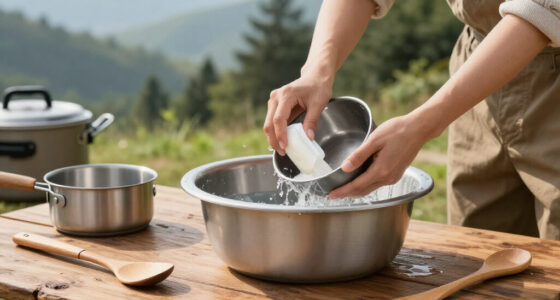
A meal that needs safe water or long cooking isn’t practical unless you can supply both. Instant oats, pasta, and dried beans each place different demands on water and fuel, while ready-to-eat foods can work when your stove is unreliable or a fire is not allowed. Choose the menu only after you know what cooking and cleanup your setting permits.
For example, on a dry campsite with a small stove, oats may need only a cup of drinking water and a short boil, while dried beans can take far more water and fuel. Canned beans are heavier to carry, but they’re ready to eat or heat. On a winter power outage at home, a can opener and safe drinking water may matter more than a recipe that depends on a working oven.
Keep hands, utensils, and preparation surfaces clean. Wash your hands before handling food, use clean drinking water for cooking and washing, cover food between servings, and keep it away from insects and other pests. If water is scarce, choose foods that require less washing and avoid meals that leave sticky pans or many dishes.
Water and fuel belong on the meal plan, right beside the food. If you plan pasta for dinner, note the amount of water, stove time, pot, and cleanup needed. If you can’t meet those needs, swap in crackers, nut butter, and fruit. That kind of adjustment keeps a meal safe and workable when conditions change.
Frequently Asked Questions
What foods can you eat without refrigeration?
Unopened canned foods, many dried foods, nut butter, crackers, whole fruit, and products labeled shelf-stable are common choices. Check the package for storage instructions, especially after opening.
How long can perishable food sit out?
Discard perishable food left at room temperature for more than two hours, or more than one hour when the temperature is above 90°F (32°C). A warm car or direct sun can make the shorter limit relevant quickly. [1]
Can you keep food in a cooler instead of a refrigerator?
Yes, for temporary storage if the food stays at or below 40°F (4°C). Use enough ice or frozen packs, keep the cooler closed and shaded, separate raw food from ready-to-eat food, and check with a thermometer. [1]
What should you pack for a day without a fridge?
Pack foods that are shelf-stable until opened, such as crackers, nut butter, whole fruit, and unopened shelf-stable milk. Carry only what you’ll eat; if you bring perishable food, use a properly chilled cooler and follow the time limits.
Are leftovers safe to eat later without refrigeration?
Perishable leftovers should generally be discarded when you cannot refrigerate them. Reduce waste by cooking or opening smaller portions, such as a single-serving pouch instead of a large can.
Is food safe if it smells normal?
Not necessarily. Harmful bacteria may not change a food’s smell, taste, or appearance, so judge safety by time, temperature, and package directions rather than tasting it. [1]
Conclusion
Plan each meal around what stays safe unopened, what you can finish once opened, and the water, fuel, and temperature you can actually manage. When heat or timing makes a perishable food uncertain, choose the shelf-stable option and keep moving.
A tin of beans, a handful of crackers, and a clean cup of water may not look like much on the table. On a hot day without a fridge, they can be the meal that lets you eat well and sleep easy.