
TL;DR

Get kitchen gear delivered free with Prime
- Fast, free delivery on millions of items
- Prime Video, Amazon Music and more included
- Member-only deals all year
Cold brew concentrate is a highly potent coffee that can be stored for weeks in the fridge or frozen. Making it involves steeping coffee grounds at a high ratio, then filtering. It offers flexibility for brewing, flavoring, and quick coffee prep.
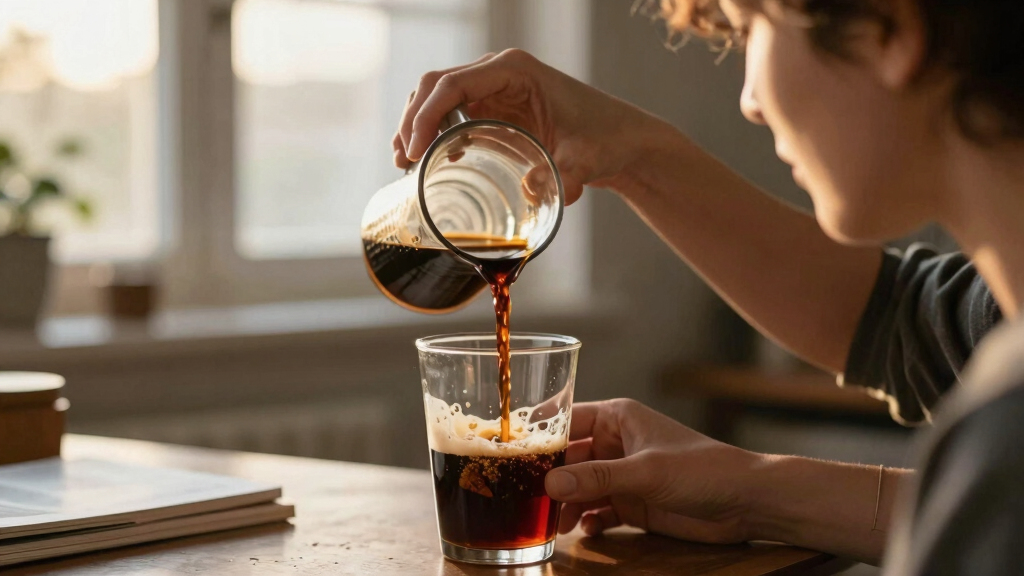
Imagine waking up and pouring a glass of rich, smooth coffee that’s ready in seconds. No fuss, no hot brewing, just pure convenience. That’s the magic of cold brew concentrate—your off-grid or manual kitchen’s best friend for a quick coffee fix.
In this guide, you’ll learn how to make a batch at home, store it safely, and tweak it to match your taste. Plus, get insights into the latest trends that turn simple cold brew into a craft. Ready to turn your coffee game up a notch? Let’s dive in.
Use a 1:1 or 1:2 coffee-to-water ratio for a strong, versatile concentrate.
Filter thoroughly to keep your concentrate smooth and free of grounds.
Store in airtight containers in the fridge for up to 3 weeks or freeze in small portions.
Experiment with brewing times and dilution ratios to match your flavor preferences.
Add infusions or boosters during brewing to create personalized blends or health benefits.
What Exactly Is Cold Brew Concentrate? Why It’s Your Coffee Powerhouse
Cold brew concentrate is a super-intense coffee extract, brewed with a much higher coffee-to-water ratio than regular cold brew. Think 1:1 or 1:2 versus the usual 1:4 or 1:5. This higher concentration means the resulting liquid is thicker, richer, and more potent—making it a true coffee powerhouse.
Why does this matter? Because the concentrated form allows for incredible flexibility in how you enjoy your coffee. You can dilute it for a milder drink, or use it directly for a bold flavor shot. It also saves space and time—perfect for off-grid living where resources are limited but quality coffee is still a priority.
However, there’s a tradeoff: brewing at such high ratios requires precision in measurement and steeping to avoid overly bitter or weak results. If you use too little coffee or steep for too long, the result can be overly bitter, while too little steeping or too weak a ratio might produce a watery, flavorless concentrate. Understanding these nuances helps you craft a balanced concentrate that aligns with your taste and needs, and emphasizes the importance of testing small batches first to dial in the perfect ratio and steeping time.
cold brew coffee concentrate maker
As an affiliate, we earn on qualifying purchases.
As an affiliate, we earn on qualifying purchases.
How to Make Cold Brew Concentrate in 5 Easy Steps
- Measure your coffee: Use about 1 cup of coarsely ground coffee for every 1 to 2 cups of water. For a strong concentrate, lean towards 1:1. This ratio forms the backbone of a robust brew, but keep in mind that the quality of your beans and grind size will influence the flavor. Coarse grounds prevent over-extraction and clogging filters, ensuring a smooth, clean concentrate. Choosing the right ratio is a balancing act: too much coffee can lead to excessive bitterness, while too little might produce a weak brew. Experimenting with small batches helps you find the sweet spot that matches your taste preferences and equipment.
- Mix and steep: Combine grounds and water in a jar or pitcher. Stir gently to ensure even saturation. Cover and let steep at room temperature or in the fridge for 12-24 hours. Longer steeping intensifies flavor but can also increase bitterness if overdone. Room temperature steeping speeds up extraction, which is useful if you’re short on time, but might extract more bitter compounds. Refrigeration offers a slower, more controlled extraction, resulting in a smoother, less bitter concentrate. The choice impacts flavor profile and clarity, so understanding these tradeoffs helps tailor your brew to your preferences.
- Filter the grounds: Use a fine mesh sieve, cheesecloth, or a cold brew basket. Pour slowly to separate the liquid from the grounds, ensuring you extract as much flavor as possible without clogging your filter. Proper filtration prevents gritty texture and preserves clarity, which is especially important when you plan to store the concentrate for later use. A slow, careful pour minimizes sediment in your final product, reducing the need for additional filtering later and extending the shelf life of your concentrate.
- Transfer to storage: Pour the filtered concentrate into an airtight bottle or jar. Seal tightly to prevent oxidation and contamination. Using dark glass bottles can help preserve freshness, especially if you plan to keep it for several weeks or months. Proper sealing prevents exposure to air, which can lead to oxidation and flavor degradation. Choosing the right container is essential for maintaining the integrity of your cold brew over time, especially in off-grid scenarios where fresh storage options might be limited.
- Label and store: Keep it in the fridge for up to 3 weeks, or freeze in small portions for longer storage. Freezing in ice cube trays allows you to thaw just what you need, maintaining freshness and potency. Remember, the key is to balance convenience with the preservation of flavor. Thawed concentrate may lose some aroma over time, so small, frequent batches are ideal for maintaining peak freshness. Proper storage techniques ensure your concentrate remains flavorful and potent for as long as possible, reducing waste and maximizing utility in resource-limited environments.
For example, a weekend camper might brew a batch on Friday evening, then enjoy it all week by diluting a splash into a thermos. This approach ensures they have fresh, flavorful coffee without daily brewing—a crucial advantage when off-grid or traveling. Understanding the implications of storage duration and method helps in planning your coffee supply efficiently, avoiding spoilage or flavor loss.
airtight containers for cold brew storage
As an affiliate, we earn on qualifying purchases.
As an affiliate, we earn on qualifying purchases.
Best Ways to Store Your Cold Brew Concentrate (And How Long It Lasts)
Storing your concentrate properly is essential to preserve its flavor and prevent spoilage. Use a clean, airtight container—preferably glass bottles or sealed mason jars—that prevents air exposure and contamination. Keep your container in the coldest part of the fridge, as consistent low temperatures slow down bacterial growth and oxidation, which can degrade the coffee’s quality. The temperature consistency is vital: fluctuations can cause condensation inside the container, leading to mold or bacterial growth that spoils your coffee faster.
Most cold brew concentrates will stay fresh for 2 to 3 weeks if stored correctly. Beyond that, the flavor profile can change—bitterness may increase, or the aroma may fade—indicating it’s time to use or discard. To extend usability, consider freezing portions—pour the concentrate into ice cube trays, then transfer frozen cubes to a sealed bag or container. This method not only prevents waste but also allows you to add a quick coffee shot to hot water, milk, or recipes, maintaining the concentrate’s freshness and potency for longer periods. Freezing also helps prevent flavor degradation caused by oxygen exposure, especially during warm months or in less-controlled environments.
Freezing small portions also enables you to enjoy your coffee at peak flavor without risking spoilage. Just pop out a cube, heat or dilute as desired, and enjoy a freshly brewed experience every time. This approach ensures minimal waste and maximum freshness, particularly important when off-grid where supplies are limited and freshness is paramount.
coarse ground coffee for cold brew
As an affiliate, we earn on qualifying purchases.
As an affiliate, we earn on qualifying purchases.
Latest Trends in Cold Brew Concentrates That Make It Even Better
Recent trends elevate cold brew concentrate from simple beverage to a craft experience rooted in sustainability, personalization, and health. Many brands now prioritize eco-friendly packaging—recyclable containers and biodegradable filters—reducing waste and environmental impact. This shift encourages conscious consumption, especially important for off-grid lifestyles that value sustainability. These innovations reflect a broader movement toward reducing ecological footprints, which is crucial when resources are limited.
Flavor infusions are gaining popularity—adding ingredients like vanilla, cinnamon, or cardamom during steeping allows for customized profiles that suit individual preferences. Some enthusiasts go further by mixing in health boosters such as collagen peptides, adaptogens, or herbal extracts, transforming their concentrate into a functional elixir that supports wellness alongside energy. These trends highlight the importance of tailoring your coffee to your personal health and flavor goals, making the process more engaging and beneficial.
Pre-made concentrates available in stores are designed for convenience, offering quick dilution and consistent flavor. These products often come in eco-friendly packaging, aligning with sustainable practices. The trend towards DIY blends and infusions means you can experiment endlessly, creating personalized coffee experiences that are both delicious and environmentally responsible. This approach also reduces waste, as you only prepare what you need, minimizing excess packaging and unused product.
For example, a friend recently started adding a dash of vanilla extract during steeping—her morning brew now feels like a treat that combines flavor and wellness benefits, exemplifying how trends are shaping a more mindful coffee culture. Embracing these innovations allows you to enjoy a richer, more sustainable, and health-conscious coffee experience, even in off-grid settings.
As an affiliate, we earn on qualifying purchases.
Key Facts & Tips to Perfect Your Cold Brew Concentrate
- Use medium to dark roast beans for a richer flavor—light roasts can be too delicate for concentrate, often resulting in a weaker or more acidic profile. Choosing the right roast affects not just taste but also how well the coffee holds up during steeping and dilution, impacting overall strength and complexity. Darker roasts tend to produce a more robust and resilient flavor, which is desirable in concentrates that are often diluted later. However, over-roasting can sometimes introduce bitterness, so balancing roast level with your brewing process is key.
- Adjust steeping time for your desired strength: 12 hours yields a milder, more nuanced flavor, while 24 hours provides a bolder, more intense profile. Longer steeping extracts more solubles, but it also risks over-extraction, which can lead to bitterness and astringency. The tradeoff is that shorter times might produce a less concentrated flavor, requiring more dilution later. Understanding how steeping duration influences extraction helps you fine-tune the process to achieve your ideal balance of flavor, strength, and smoothness.
- Experiment with dilution: start with 1:1 ratio of concentrate to water or milk, then tweak based on your preference. Some may prefer a more concentrated shot for espresso-like drinks, while others favor a lighter brew for daily drinking. Recognizing how dilution impacts flavor, mouthfeel, and caffeine strength allows you to customize each cup to your taste and caffeine needs. This flexibility is a primary advantage of making a concentrate—you can adapt it to different brewing styles and occasions.
- Keep it cold during brewing and storage to slow down microbial activity and preserve flavor integrity. Temperatures above 40°F (4°C) accelerate spoilage, so maintaining a consistently cold environment is crucial. Fluctuations in temperature can cause condensation inside storage containers, promoting mold or bacterial growth that compromises your coffee’s quality. Proper temperature control extends shelf life and ensures your concentrate remains fresh, flavorful, and safe to consume over time.
- Cold brew is less acidic than hot brewed coffee, making it gentler on your stomach and teeth. This lower acidity can be a significant advantage for sensitive individuals, allowing you to enjoy your caffeine without discomfort or enamel erosion. Additionally, the reduced acidity often results in a smoother, sweeter flavor profile that appeals to many palates, enhancing the drinking experience.
Your Top Questions About Cold Brew Concentrate — Answered!
Q: How long does it take to make cold brew concentrate at home? Expect 12-24 hours for steeping, plus a little time for filtering. It’s mostly waiting, not active work, but that waiting period is crucial for extracting the full flavor and strength of your beans. Rushing this step can lead to under-extraction or over-extraction, both of which negatively impact taste. The tradeoff here is patience versus immediacy: longer steeping yields richer, more complex flavors, but requires planning ahead. Shorter times can produce a lighter, more delicate brew but may sacrifice some depth, so understanding your flavor goals helps determine the best timing.
Q: Can I use any coffee beans? Medium or dark roasts are best for a rich, smooth flavor that holds up during steeping and dilution. Specialty beans can add unique notes, but they often cost more and may require adjustments in steeping time to avoid overpowering or delicate flavors that don’t translate well in concentrate form. Choosing beans that match your flavor preferences and are suited for cold extraction ensures a more satisfying result and less wasted product.
Q: How do I store my concentrate? Airtight in the fridge, it lasts 2-3 weeks. For longer storage, freezing small portions preserves flavor and potency, ensuring you always have fresh coffee ready when needed. Proper storage minimizes oxidation and flavor degradation, maintaining quality over time. Using airtight, opaque containers also prevents light and air from degrading the coffee, preserving aroma and freshness.
Q: Is cold brew concentrate healthier than hot coffee? They’re similar in caffeine content, but the concentrate is more potent—so moderation is key. Since it’s more concentrated, using it sparingly prevents excessive caffeine intake, which can cause jitters or sleep issues. The lower acidity of cold brew also makes it easier on digestion, adding a health benefit. Additionally, cold brew often retains more antioxidants due to gentler extraction, which may offer some health advantages over hot brewing, but the primary factor remains moderation due to its potency.
Q: Can I heat cold brew concentrate? Yes, but it’s usually enjoyed cold or over ice. Heating can alter flavors, sometimes making them bitter or dull. If you prefer hot coffee, dilute the concentrate with hot water or milk and heat gently to preserve flavor integrity. This method allows you to enjoy hot coffee without sacrificing the smoothness and richness associated with cold brew, but be mindful that heating may slightly change the flavor profile, so experiment to find what works best for your taste.
Conclusion
Mastering cold brew concentrate means you always have rich, smooth coffee at your fingertips—perfect for off-grid mornings or quick caffeine fixes. It’s simple, flexible, and endlessly customizable.
Keep experimenting with flavors, storage, and brewing times. Before long, you’ll brew a batch that’s just right for your taste and lifestyle. Now, grab that jar, and start brewing your own coffee revolution.
Columbus Day / Indigenous Peoples' Day Picks
long weekend sales
As an affiliate, we earn on qualifying purchases.