
TL;DR
Enameled cast iron chips mainly due to thermal shock, impact, or overheating. Prevent damage by handling carefully, controlling heat, and using proper utensils. Proper care extends the life of your cookware significantly.
Thermal shock from rapid temperature changes is the leading cause of enamel chipping.
Use gentle utensils and hand-wash to preserve the enamel’s integrity over time.
Small exterior chips are mostly cosmetic; interior chips may require retiring the cookware.
Proper preheating, gradual cooling, and impact prevention extend your cookware’s lifespan.
Understand warranty limitations and recognize when damage warrants replacement or repair.
Why Enameled Cast Iron Chips—and How to Prevent It
Enamel is durable, beautiful and glass-like—which is exactly why abrupt heat and hard knocks can defeat it. Most chips are preventable with slower temperature changes, gentler tools and careful handling.
Rapid heating or cooling creates stress where the enamel meets the cast iron.
Preheat gradually, cook mostly on medium and allow the pot to cool before washing.
Exterior chips are usually cosmetic; significant interior flaking calls for retirement.
Three forces behind most chips
Glass-based enamel and cast iron respond differently to heat. The coating tolerates normal cooking, but sudden expansion, direct impact and repeated overheating can exceed its brittle structure’s limits.
Rapid temperature change
A hot pot under cold water, a cold pot on a blazing burner or a freezer-to-oven move creates uneven expansion. Fine cracks may appear first, then grow into flakes.
Impact at vulnerable edges
Sink edges, hard stacking, drops and aggressive metal tools concentrate force on rims and handles, where the enamel layer is often thinnest.
Empty-pan overheating
Blasting an empty pot on high creates intense expansion before food or liquid can moderate the heat. Repeated cycles accelerate crazing and adhesion failure.
Eight habits that protect the enamel
Consistency matters more than elaborate maintenance. These routines reduce the two biggest stressors—temperature shock and physical impact—before damage begins.
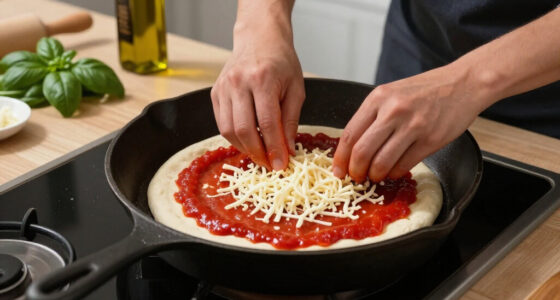
Preheat gradually
Begin on low or medium heat and increase only when the recipe requires it.
Cool before washing
Let the pot approach room temperature before adding cooler water.
Add fat or liquid first
Avoid prolonged dry heating, especially on a powerful burner.
Use gentle utensils
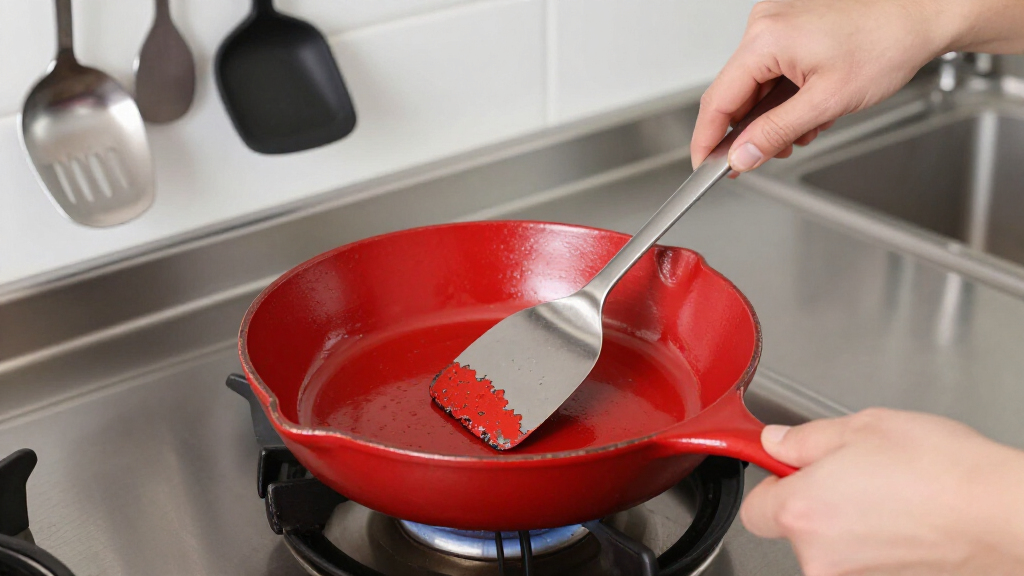
Choose wood, silicone or nylon; never scrape aggressively with metal.
Hand-wash when possible
Mild soap and a soft sponge avoid detergent wear and dishwasher jostling.
Protect stacked pieces
Place felt pads or folded towels between cookware and lids.
Keep heat moderate
Cast iron retains heat efficiently, so high heat is rarely necessary.
Lift, never drag
Protect the pot’s base and avoid impact on glass or ceramic cooktops.
The safe temperature-change chain
Give the iron and enamel time to expand and contract together.
Can you still use a chipped pot?
Inspect the location, size and progression of the damage. Modern enamel from reputable makers is inert glass, but ongoing interior flaking can contaminate food and expose iron to rust.
Exterior chip
Most exterior damage is cosmetic. The exposed cast iron can rust, so keep the spot dry and protect it with a very thin layer of cooking oil.
- Dry immediately after cleaning
- Oil exposed iron lightly
- Watch for spreading cracks
Interior chip
A tiny stable spot may be monitored, but large, sharp or multiplying chips indicate continuing enamel failure. Retire or repurpose the cookware if flaking persists.
- Stop if flakes enter food
- Retire heavily crazed surfaces
- Contact the maker about defects
| Condition | Continue cooking? | Immediate action | Long-term decision |
|---|---|---|---|
| Small exterior chip | ✓ Generally yes | Dry and oil exposed iron | Monitor for rust or expansion |
| Single tiny interior spot | ~ Use caution | Inspect after every use | Season exposed iron as a stopgap |
| Fine surface crazing | ~ Monitor closely | Avoid shock and abrasives | Retire if cracks begin flaking |
| Large or multiple interior chips | ✗ Not recommended | Stop food use | Replace, claim or repurpose |
| Sharp flakes entering food | ✗ Stop using | Discard affected food | Retire the cookware |
Where your effort pays off
The highest-value actions prevent stress before it reaches the enamel. Cleaning and storage still matter, but temperature control and impact prevention do the most protective work.
Warranty reality check
Limited lifetime warranties usually address manufacturing defects—not damage caused by drops, thermal shock, overheating or misuse. Photograph unexplained enamel failure before continuing to use the piece.
Spontaneous enamel separation, adhesion failure or another verified manufacturing defect under normal use.
Crazing or cracking without an obvious impact point; coverage depends on brand terms and evidence.
Drops, utensil strikes, empty-pan overheating, abrupt temperature change and improper cleaning.
The takeaway
Control heat, prevent impact and clean gently. Preheat on low to medium, never shock a hot pot with cold water, add fat or liquid before heating, use enamel-friendly utensils and protect pieces when stacking. Small exterior chips can usually be managed; significant interior flaking means it is time to retire or repurpose the pot.
What Really Causes Enameled Cast Iron to Chip?
Most chips happen because of thermal shock, impact, or overheating. When the enamel and cast iron expand at different rates, sudden temperature shifts crack or flake the enamel. Dropping a pot or pouring cold water on a hot surface can cause this. Impact from knocking or banging against edges also weakens the enamel, especially on rims and handles. Overheating, like heating an empty pan on high for too long, stresses the glassy coating.
For example, leaving your cast iron on the stove while the burner’s on high, then rinsing with cold water, invites thermal shock. Impact damage is common when stacking or banging pots without protection. And cheap, thinner enamels chip faster — it’s a tradeoff for affordability.
Understanding these causes matters because it highlights the importance of gentle handling and proper heating techniques. The enamel is brittle and designed to withstand normal cooking stresses, but sudden changes or impacts exceed its tolerance, leading to chips. Recognizing these scenarios helps you avoid common pitfalls and extend your cookware’s lifespan. The tradeoff is that cheaper, thinner enamels may be more prone to damage, so investing in quality or adjusting your handling habits becomes crucial for durability.
enameled cast iron cookware care kit
As an affiliate, we earn on qualifying purchases.
As an affiliate, we earn on qualifying purchases.
How to Prevent Chips Before They Happen
Preventing chips is about gentle handling and smart habits. Here’s a quick checklist:
- Preheat gradually. Start on low or medium heat, then slowly raise it. No hot pan on high from the start.
- Let the pan cool before washing. Never pour cold water on a hot pan — that’s thermal shock.
- Use the right utensils. Wooden, silicone, or nylon tools are gentler than metal scraping edges or stirring aggressively.
- Hand-wash. Dishwashers may seem convenient but degrade the enamel faster through detergent and jostling.
- Avoid stacking without protection. Felt pads or towels between pots prevent impact damage.
- Add fats or liquids before heating. Dry heating can cause interior enamel stress.
- Stick to medium heat. Cast iron retains heat well, so high heat isn’t needed for most cooking tasks.
- Lift, don’t drag. Moving pots on glass or ceramic stoves avoids scratching the cooktop and reduces impact stress.
Implementing these habits not only prevents immediate damage but also preserves the integrity of the enamel over time. The key is consistency and awareness: treating your cookware with the same care you’d give fragile glassware or fine ceramics. While these precautions might seem simple, they address the core causes of chipping—thermal stress and impact—by reducing the stressors that cause cracks and flakes. Ultimately, this mindful approach balances ease of use with longevity, ensuring your investment remains in top condition for years to come.
silicone cooking utensils for enameled cast iron
As an affiliate, we earn on qualifying purchases.
As an affiliate, we earn on qualifying purchases.
Is a Chipped Enameled Cast Iron Still Safe and Usable?
Exterior chips are mostly cosmetic. They expose raw cast iron, which can rust, so dry thoroughly and rub with a little oil. Interior chips are more serious — they can shed flakes into food, and the exposed iron may rust over time.
Reputable brands like Le Creuset or Staub test their enamel for safety, and small flakes are generally inert. But if chips are large or numerous, it’s best to retire or repurpose the piece. Small spots of exposed iron can be seasoned like raw cast iron temporarily.
Remember: cracked or heavily chipped enamel risks further damage or rusting. Better to be cautious if your pot’s integrity is compromised.
Understanding the safety implications helps you decide whether to continue using a chipped piece or to replace it. Small exterior chips, while unsightly, typically don’t pose health risks, but they can lead to rust if not dried and oiled properly. Interior chips, however, are more concerning because they can introduce flakes into your food, especially if the chips are large or numerous. This can compromise food safety and affect taste. Recognizing when damage is superficial versus when it threatens safety is essential to maintaining a healthy, long-lasting cookware collection.
cast iron cookware preheating and cooling tools
As an affiliate, we earn on qualifying purchases.
As an affiliate, we earn on qualifying purchases.
Warranties and What Brands Say About Chips
Major brands like Le Creuset and Staub offer limited lifetime warranties. But they generally exclude damage caused by impact, thermal shock, or misuse. If a chip occurs from a sudden temperature change or dropping, it’s usually not covered. Some warranties do cover spontaneous enamel failure.
Understanding these warranty limitations is vital because it influences how you approach repairs or replacements. While the warranty may not cover impact damage, it often covers manufacturing defects or enamel failure under normal use. This means that if your cookware develops a crack or crazing due to a defect, you might be eligible for a replacement or repair. However, damages caused by mishandling are your responsibility. Being aware of these distinctions helps you make informed decisions about repairs, replacements, or adopting better handling practices to avoid voiding warranties.
As an affiliate, we earn on qualifying purchases.
Handling the Growing Trend of Budget Enameled Cookware
Many consumers turn to budget enameled cast iron, like Lodge or Tramontina, which often chips more easily. Reddit and YouTube are full of “chip tests” showing how thin, lightly coated pots can crack after just a few uses. This trend raises questions about durability and longevity.
On the flip side, proper care can extend the life of budget options. Use gentle heat, avoid impact, and don’t overheat. Recognize that these pieces might need replacement sooner but can still serve well with careful handling. Understanding the limitations of lower-cost cookware helps you set realistic expectations and adopt practices that maximize their lifespan. Although they may chip more readily, mindful use can mitigate some of these issues, allowing you to enjoy affordable cookware without sacrificing safety or performance—if you accept that they may not last as long as premium brands.
Quick Fixes and Long-Term Care Tips for Enameled Cast Iron
While you can’t truly repair a chip, you can prolong your cookware’s life. Regular seasoning of exposed iron spots helps prevent rusting. For interior crazing or minor chips, keep using the pot with care. Clean gently, avoid abrasive scrubbing, and store properly.
Some tricks include:
- Applying a thin layer of cooking oil to exposed spots to prevent rust
- Using felt pads or towels when stacking
- Keeping heat at medium or below
Taking these steps reduces the risk of further damage by minimizing environmental stresses on the enamel. Proper ongoing maintenance acts as a shield against progressive deterioration, helping to preserve both the appearance and functionality of your cookware. The goal is to balance ongoing care with realistic expectations—understanding that some damage is inevitable but can be managed with consistent, gentle practices that extend the life of your investment.
The Final Word: Protect Your Investment
Proper handling and care significantly extend the lifespan of your enameled cast iron. Avoid sudden temperature changes, impact, and excessive heat. Use gentle utensils and hand-wash carefully. Small chips might be cosmetic, but large or interior damage calls for retirement or repair.
Think of your cookware as a tool, not just a pretty face. With a little respect, it can serve your off-grid or everyday kitchen for decades — maybe even generations.
So, handle with care, and your beautiful enameled pieces will keep shining through years of hearty cooking.
Frequently Asked Questions
Is it safe to cook with enameled cast iron that has chipped?
Small exterior chips are generally safe because they expose raw cast iron, which can rust but isn’t toxic. Interior chips are more concerning, as they can shed flakes into food and rust over time. When in doubt, inspect the damage and consider retiring heavily chipped pieces.
Can chipped enamel on cast iron be repaired?
There’s no reliable DIY repair for chipped enamel suitable for cookware. Commercial repair kits are mainly cosmetic and not food-safe. For serious damage, replacing the piece is often the best choice to prevent rust and further deterioration.
Why did my Le Creuset or Staub chip — is it a defect?
Chipping from impact or thermal shock isn’t usually a defect but a result of handling. Brands like Le Creuset and Staub design their enameled cookware to last decades, but impacts or sudden temperature changes can cause chips, which are not covered under warranty.
How should I care for enameled cast iron to prevent chipping?
Follow these tips: preheat gradually, cool before washing, use non-metal utensils, avoid overheating, and store with protection between pieces. Regular gentle cleaning and impact avoidance help maintain the enamel’s integrity.
Can I put enameled cast iron in the dishwasher?
While some brands claim dishwasher safety, hand-washing is safer long-term. Detergents and heavy jostling can degrade the enamel faster. To preserve your investment, wash gently with warm water and mild soap.