
TL;DR

Get kitchen gear delivered free with Prime
- Fast, free delivery on millions of items
- Prime Video, Amazon Music and more included
- Member-only deals all year
Investing in durable cookware like cast iron and enameled pieces can save you money and waste over time. Proper care, choosing the right materials, and understanding recent innovations make lifelong use possible and practical.
Invest in high-quality cookware like cast iron, stainless steel, or enameled cast iron for long-term durability.
Proper care — cleaning, seasoning, and storage — dramatically extends the lifespan of your tools.
Innovations like durable ceramic coatings and better design features are making lifelong use easier.
Choosing trusted brands with lifetime warranties adds confidence and longevity to your investment.
A mindset shift from disposable to heirloom cookware saves money, reduces waste, and simplifies your kitchen.
Why Durability Matters: The Hidden Cost of Cheap Cookware
Cheap cookware often costs more in the long run. It wears out quickly, requiring frequent replacements that add up over time. Think about a $30 frying pan that lasts just 2 years — that’s $15 a year. Compare that to a well-made cast iron skillet that can last for over 100 years, gaining character and seasoning with each use.
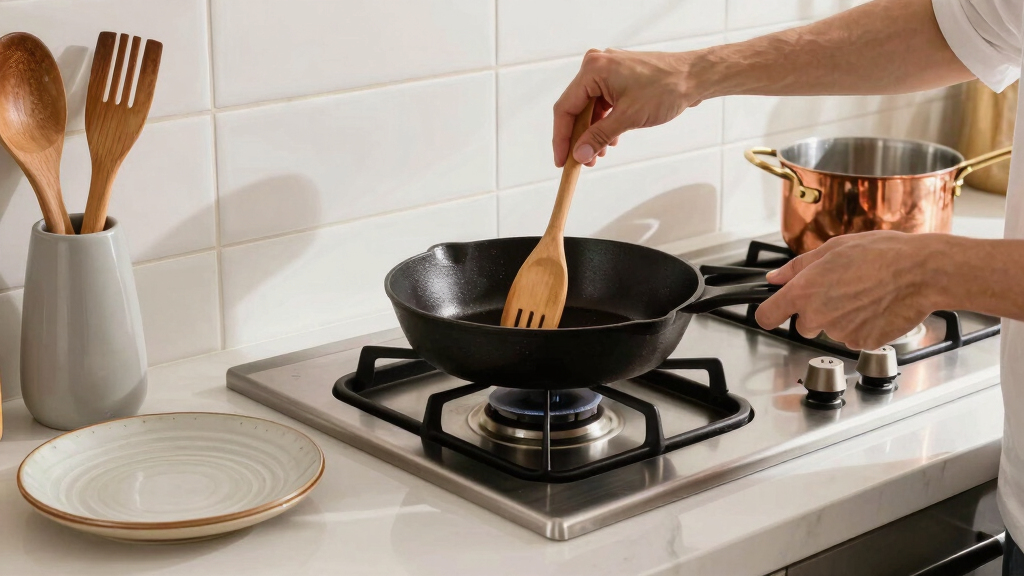
For example, a seasoned cast iron pan from Lodge can be passed down through generations, developing a non-stick surface that improves with age. Investing in quality means your cookware becomes a family heirloom, not trash.
Beyond cost, the real issue with cheap cookware is its inconsistency. Inferior materials can warp, rust, or degrade quickly, leading to uneven cooking and frustration. When you choose durable cookware, you’re embracing a mindset that values longevity and performance, which ultimately results in better meals and less hassle. The tradeoff is often higher upfront costs, but the long-term savings and reliability far outweigh this initial investment.
As an affiliate, we earn on qualifying purchases.
What Makes Cookware Last a Lifetime? Materials and Care
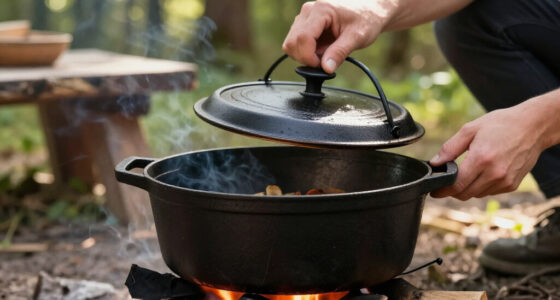
Materials like cast iron, stainless steel, and enameled cast iron are highlighted for their longevity. Cast iron, in particular, can last forever if properly seasoned and cared for. It develops a natural non-stick surface and withstands thermal shocks, making it perfect for off-grid cooking.
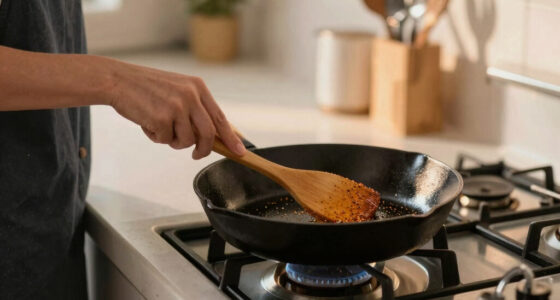
Take a cast iron skillet you bought 20 years ago — it’s probably showing its age with a few scratches, a darker patina, and maybe some rust spots if neglected. But with simple maintenance — cleaning with salt and oil, occasional re-seasoning — it’s as good as new.
Choosing the right material is crucial because each has its own care requirements and durability profile. For instance, stainless steel is resistant to rust and doesn’t require seasoning, but it may not develop the same non-stick qualities as cast iron. Enameled cast iron combines the durability of cast iron with the ease of cleaning, but the enamel can chip if mishandled. Understanding these nuances helps you select cookware that suits your lifestyle and ensures you can care for it properly, extending its lifespan. The tradeoff involves balancing initial cost, maintenance effort, and performance needs for your off-grid or manual kitchen setup.
As an affiliate, we earn on qualifying purchases.
How to Care for Your Lifetime Cookware in 3 Easy Steps
- Clean immediately after use. For cast iron, wipe with a paper towel or rinse with hot water — avoid soap unless re-seasoning.
- Season regularly. Rub a thin layer of oil and bake at 350°F for an hour to maintain the surface.
- Store properly. Keep in a dry place, away from humidity, to prevent rust and deterioration.
For example, a seasoned cast iron pan stored in a dry cabinet will develop a beautiful, non-stick patina that improves over decades.
Proper care is about more than just cleaning; it’s about maintaining the integrity of the material and understanding how each step impacts longevity. Regular seasoning builds a protective layer that prevents rust and enhances non-stick qualities, while correct storage shields your cookware from environmental damage. When you neglect these practices, you risk compromising the cookware’s durability, leading to rust, warping, or loss of functionality. Adopting these simple routines ensures your tools remain reliable for decades, making your investment truly worthwhile.
As an affiliate, we earn on qualifying purchases.
Compare: High-End vs. Budget Cookware — Which Lasts Longer?
| Feature | High-End Cookware |
|---|---|
| Materials | Cast iron, enameled cast iron, stainless steel |
| Durability | Lasts for generations with proper care, often becoming heirlooms |
| Cost | Higher upfront, but significantly lower cost per year over lifespan |
| Maintenance | Requires seasoning (cast iron), careful cleaning, but straightforward with experience |
| Warranty | Often lifetime, transferable, and indicative of quality |
In contrast, budget cookware might seem appealing due to lower initial costs, but it often sacrifices longevity and performance. The short-term savings are offset by frequent replacements, inconsistent results, and frustration. Investing in high-quality cookware is a strategic choice that emphasizes durability and performance, which are critical for off-grid living where replacements are costly and difficult. The tradeoff involves higher upfront costs but pays dividends in reliability and sustainability over decades.
lifetime warranty stainless steel cookware
As an affiliate, we earn on qualifying purchases.
As an affiliate, we earn on qualifying purchases.
Choosing the Right Brand for Your Lifelong Kitchen
Brands like Lodge, Le Creuset, and Staub emphasize investing in cookware designed to last a lifetime. For example, Lodge’s cast iron pans are made in the USA and come with a lifetime warranty, making them a practical choice for off-grid cooking.
Look for brands that offer good customer support, durable materials, and options for repairs or re-coating. This ensures your investment stays valuable for decades.
Recent Innovations That Make Lifelong Use Easier
New ceramic coatings resist scratching better and last longer, reducing the need for replacement. Some cookware features ergonomic handles and better heat distribution, making them easier to use and care for over a lifetime.
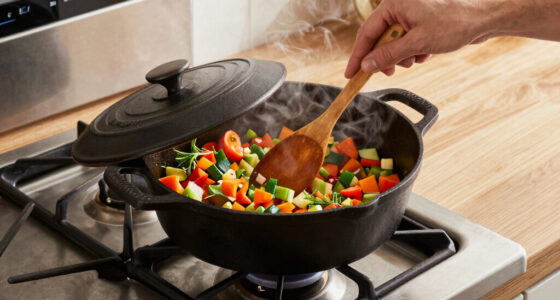
For example, modern enameled cast iron Dutch ovens have improved enamel that resists chipping, and some models are compatible with induction—perfect for off-grid setups.
These innovations matter because they directly influence the longevity and user-friendliness of your cookware. Better coatings and ergonomic designs reduce the risk of damage and make routine maintenance simpler, which is vital when resources for repair or replacement are limited. Understanding these advancements helps you select tools that will truly serve you for a lifetime, especially in off-grid or manual environments where durability and ease of care are paramount.
The Environmental and Financial Payoff of Buying Once
Choosing lifetime cookware cuts down on waste. Instead of tossing pans every few years, you preserve resources and reduce landfill clutter. Financially, the upfront cost might seem high, but it pays off over decades.
For example, a $200 cast iron skillet used for 50 years averages just $4 per year — a small price for a tool that can serve hundreds of meals.
This shift not only reduces environmental impact but also encourages a more mindful approach to consumption. When you invest in durable goods, you’re less likely to fall into the cycle of quick replacements, which generate unnecessary waste and use up finite resources. Over time, this approach fosters a more sustainable lifestyle, aligning your kitchen habits with broader ecological goals, especially in off-grid contexts where resource conservation is critical.
Frequently Asked Questions
Is it really worth spending more on high-end cookware for lifelong use?
Absolutely. High-end cookware like cast iron and enameled pieces are built to last decades, sometimes generations. The initial investment pays off by reducing the need to replace items frequently and by providing better performance.How do I know if a piece of cookware will last a lifetime?
Look for materials like cast iron, stainless steel, or enameled cast iron. Check for warranties, brand reputation, and how well it’s made. Proper care and maintenance are equally important to ensure longevity.What’s the best way to care for cast iron to make it last forever?
Keep it clean without harsh soaps, dry thoroughly, and apply a light coat of oil after cleaning. Regular seasoning and avoiding thermal shocks help develop a seasoned, non-stick surface that improves with age.Can I use cheaper cookware for lifelong use if I take good care of it?
While some brands offer durable options at lower prices, many cheaper pieces tend to wear out faster. Investing in quality from the start often saves money and hassle in the long run.Are there eco-friendly options for lifetime cookware?
Yes, many brands now emphasize sustainable sourcing and manufacturing. Recycled materials and eco-conscious processes are increasingly common in durable cookware lines.Conclusion
Switching to a lifetime cookware mindset transforms your kitchen into a resilient, sustainable space. It’s about making deliberate choices, caring for your tools, and recognizing their potential to serve for generations. When you buy once, you’re not just investing in cookware — you’re investing in a lifetime of better cooking and fewer worries.Halloween Picks
halloween
As an affiliate, we earn on qualifying purchases.