TL;DR

Get kitchen gear delivered free — and shop member deals
- Fast, free delivery on millions of items
- Access to Prime Big Deal Days deals on October 6–7
- Prime Video, Amazon Music and more included
Selecting the right Dutch oven size ensures better cooking results and less mess. Generally, 4-6 quarts fit most households, with larger sizes ideal for batch cooking and smaller ones for everyday use. Recent innovations make these pots lighter and more versatile.
Most households find 4-6 quarts ideal for everyday cooking and family meals.
Overfilling or underfilling your Dutch oven impacts cooking evenly and reduces mess.
Recent innovations make larger and smaller Dutch ovens lighter, more versatile, and eco-friendly.
Match size to your typical recipes and household size to avoid waste and frustration.
Proper storage and handling extend the life of your Dutch oven and improve results.
Know Your Standard Sizes and What They’re Best For
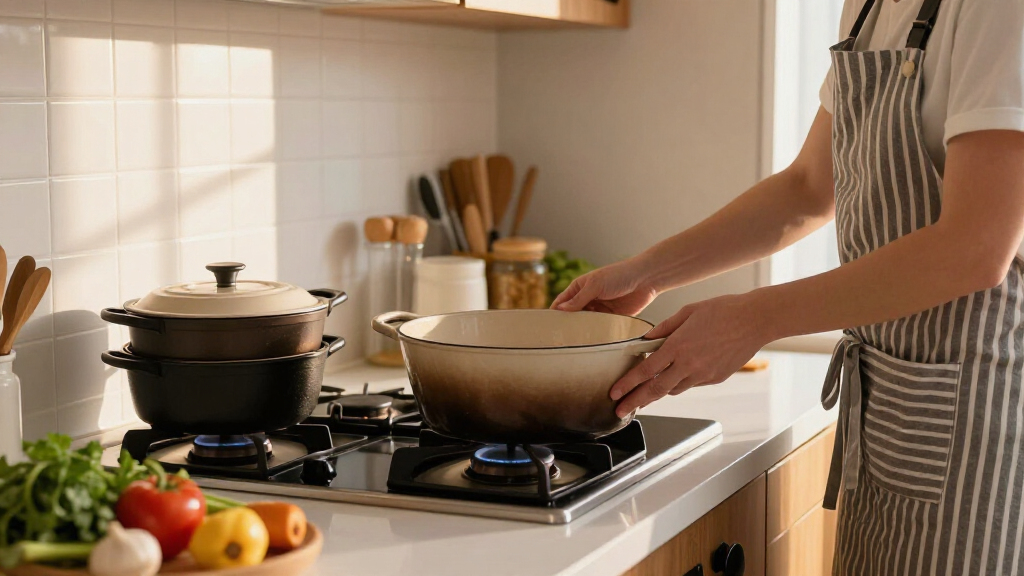
Most Dutch ovens range from 2 to 8 quarts. For everyday cooking, 3-4 quarts fit most single or couple households. 5-6 quarts is a sweet spot for families, handling roasts, stews, and casseroles with ease. Larger sizes like 7-8 quarts are perfect for big gatherings or batch cooking. For example, a 4-quart Dutch oven can make a small batch of chili, while a 6-quart pot easily feeds six or more with comfort.
If you’re cooking for yourself or a partner, a 3-quart can handle side dishes or small roasts. For family-sized meals, 5 or 6 quarts become your go-to. Beyond that, think about storage — bigger pots mean more space, both on your shelf and in your kitchen.
Understanding these sizes helps you anticipate how versatile your Dutch oven can be. For instance, choosing a 4-quart might seem sufficient for daily use, but if you want to prepare larger batches or cook for guests occasionally, opting for a 6-quart could save you from having to transfer food to a second pot or cook in multiple rounds. The size you select influences not just your cooking capacity but also how you plan your meals and manage your kitchen space. Bigger isn’t always better if storage or handling becomes cumbersome, so weigh your typical cooking volume against available space and ease of use.
8 quart Dutch oven for large gatherings
As an affiliate, we earn on qualifying purchases.
As an affiliate, we earn on qualifying purchases.
Match Your Recipe to the Perfect Size — Here’s How
- Estimate your recipe’s volume. A stew serving four needs about 2 quarts; a roast for six needs around 6 quarts.
- Think about the cooking process. Will it simmer long? Will it expand during cooking? Larger pots handle liquids and expansion better.
- Check your household size. For one or two people, 3-4 quarts is enough. For larger families or batch cooking, 6-8 quarts work better.
- Avoid overfilling. Fill your Dutch oven no more than 2/3 full to prevent spills and ensure even cooking.
For instance, making a batch of chili for four people? A 4-quart pot works well. Hosting a family dinner with a big roast? 6 to 8 quarts give you room to spare and reduce mess. But beyond simple volume estimates, consider how the food expands during cooking—liquids, rising dough, or ingredients that swell (like beans or grains) require extra space. Overfilling can lead to spills and uneven heat distribution, which compromises the final dish. Conversely, underfilling may cause food to burn or cook unevenly due to excessive air pockets. Balancing recipe volume with appropriate capacity ensures consistent results and reduces kitchen mess, making your cooking more predictable and enjoyable.
3 quart Dutch oven for soups and stews
As an affiliate, we earn on qualifying purchases.
As an affiliate, we earn on qualifying purchases.
Compare Sizes Side-by-Side to Pick What Fits
| Size (Quarts) | Ideal For | Household | Common Use |
|---|---|---|---|
| 2-3 | Side dishes, small stews | 1-2 people | Individual servings, quick meals |
| 4 | Daily cooking, small roasts | 2-3 people | Soups, casseroles, breads |
| 5-6 | Family meals, larger roasts | 4-6 people | Batch cooking, stews, braises |
| 7-8 | Big gatherings, batch cooking | 6+ people | Large roasts, multiple casseroles |
This comparison makes it clear: pick a size matching your usual meals and household. A 4-quart can handle most daily needs, but if you often cook for six or more, go bigger. Keep in mind that choosing a size slightly larger than your current needs can provide flexibility for special occasions or recipes that expand during cooking, like pasta bakes or slow-cooked stews. Conversely, a size too small may limit your options and lead to overflows or needing multiple pots, which complicates meal prep and cleanup. The goal is to find a balance that offers enough capacity without sacrificing ease of handling and storage.
cast iron Dutch oven 5 quart for bread baking
As an affiliate, we earn on qualifying purchases.
As an affiliate, we earn on qualifying purchases.
Why Recent Innovations Make Choosing Easier
New materials and designs have revolutionized the functionality of Dutch ovens, directly impacting your cooking experience. Lighter weights mean less fatigue when lifting or transferring heavy pots, which is especially important if you cook frequently or have physical limitations. These innovations allow you to handle larger sizes with less effort, making daily use more comfortable and less strenuous. Additionally, the advent of non-toxic, eco-friendly coatings extends the lifespan of your Dutch oven, reducing the need for replacement and making maintenance easier. For example, a 6-quart enameled cast iron with a self-basting lid not only retains heat better but also simplifies cleaning, as food releases more easily from the surface. These technological improvements mean you can choose a size that balances capacity with ease of handling, ultimately leading to more confident cooking and less frustration.
Furthermore, dual-purpose lids that can serve as frying pans or serving dishes add versatility, allowing you to do more with fewer pieces of cookware. These innovations often come with better sealing technology, which enhances moisture retention and flavor development—crucial factors for slow-cooked stews or braises. In essence, recent developments help you tailor your Dutch oven choice to your specific needs, whether that’s lightweight handling, durability, or multifunctionality, making the decision process more straightforward and aligned with modern kitchen demands.
As an affiliate, we earn on qualifying purchases.
Think About Practicalities Before Buying
Beyond size, consider your storage space. Larger Dutch ovens take up more room in your pantry or cabinet, which can be a significant factor if your kitchen is compact. Think about how often you’ll use it—if you tend to cook daily, investing in a size that fits your routine is wise; if you only occasionally host large gatherings, a bigger pot might be more justified. If you bake bread often, a 4-6 quart Dutch oven provides ample space for dough expansion, ensuring a good crust and proper rise. For roasting large chickens or big cuts of meat, a 6-8 quart size offers the room needed without overcrowding, which helps in achieving even cooking and browning.
Weight also plays a crucial role, especially with traditional cast iron models. Lighter, modern materials reduce fatigue and strain, making it easier to lift and handle your Dutch oven, particularly when moving it from stove to table or oven. A well-designed lid with a good seal is essential for locking in moisture and flavors; therefore, ensure the size you pick comes with a lid that fits securely. Handle design and comfort are also important—if you’ll be lifting the pot frequently, ergonomic handles can make a big difference. Ultimately, choosing a size that balances your cooking needs with practical considerations like storage, weight, and ease of handling will maximize your satisfaction and reduce frustration, helping you enjoy your cooking adventures more fully.
Frequently Asked Questions
What size Dutch oven should I buy for a family of four?
A 5- or 6-quart Dutch oven usually fits most family needs, providing enough space for roasts, soups, and casseroles without overcrowding.Can I use a smaller Dutch oven for large recipes?
You can, but overfilling leads to uneven cooking and spills. It’s better to select a size that comfortably fits your recipe’s volume to ensure even heat and moisture retention.What is the best size for baking bread?
A 4- to 6-quart Dutch oven is ideal for baking artisan-style bread, giving enough room for expansion and creating that perfect crust.Are larger Dutch ovens worth the investment?
If you often cook for many people or do batch cooking, larger sizes are practical. For everyday meals, a smaller size might be more convenient and easier to store.How should I care for different sizes of Dutch ovens?
Follow manufacturer instructions. Enameled versions are usually dishwasher safe, while traditional cast iron needs hand washing and periodic seasoning. Proper care ensures longevity and performance.Conclusion
Choosing the right Dutch oven size isn’t just about capacity — it’s about creating a more reliable, enjoyable cooking experience. Your perfect fit makes everyday meals easier and special dishes more satisfying. Think of it as finding the right tool, one that turns your off-grid or daily kitchen into a well-oiled machine, ready for whatever you cook next.Fall Picks
fall essentials
As an affiliate, we earn on qualifying purchases.