TL;DR
Prime for Young Adults — start your free trial
Fast free delivery, streaming and member deals for eligible 18–24 year olds.
Try it freeAs an affiliate, we earn on qualifying purchases.
Cast iron on a glass-top stove is safe when handled carefully. Lift pans instead of sliding, keep bottoms smooth and clean, and match burner size to avoid damage. Follow these tips to cook confidently and protect your stove.
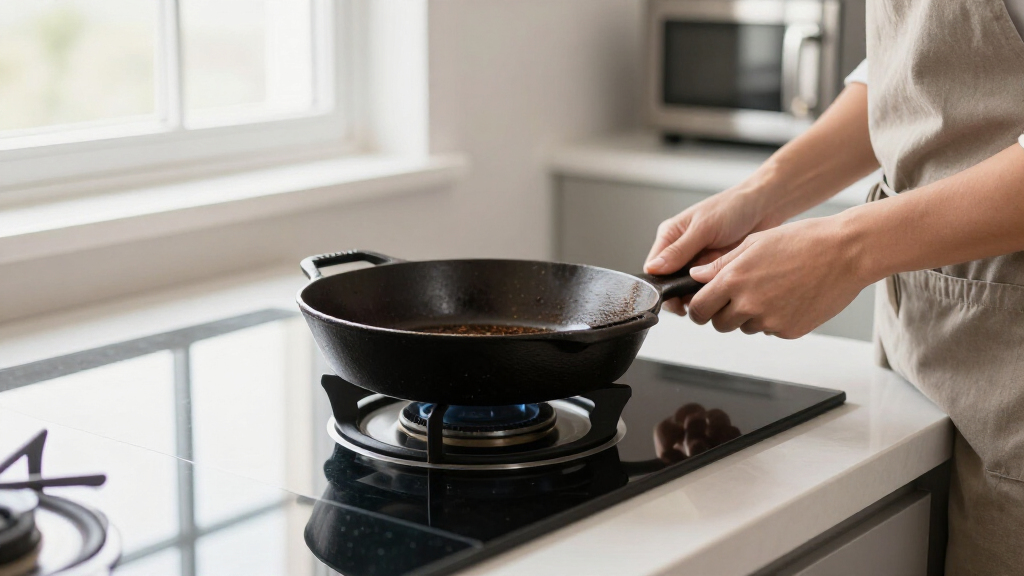
Imagine dragging a heavy cast iron skillet across your sleek glass cooktop. The jarring scrape makes your stomach tighten. But here’s the truth: with the right technique, cast iron and glass can coexist peacefully. Many home cooks shy away from cast iron on smooth surfaces, thinking it’s a recipe for disaster.
The secret isn’t just in the pan — it’s in how you handle it. This guide reveals what you need to know to keep your stove safe, your cast iron ready to serve, and your kitchen running smoothly. We’ll cover the risks, the best practices, and how to enjoy your heirlooms without fear.
Lift your cast iron, don’t slide — scratches are the main risk.
Preheat slowly over low heat for at least 5 minutes to avoid thermal shock.
Match pan size to your burner to prevent uneven heating and damage.
Keep bottoms smooth, clean, and free of rust or residue.
Handle impacts gently — don’t drop or bang your heavy cookware.
Cast Iron on a Glass-Top Stove: What to Know
Yes, cast iron and glass can coexist. The pan’s static weight is rarely the problem; scraping, impact, trapped heat, and sudden temperature changes are. Lift carefully, heat gradually, and keep every contact surface clean.
The three threats are mechanical, thermal, and messy.
Glass-ceramic is engineered for normal cookware loads, but it is neither scratch-proof nor impact-proof. The condition of the pan bottom—and how the pan moves—matters more than the cast iron label itself.
Scratching
Rough seasoning, heat rings, rust, grit, and burnt carbon can abrade the surface when dragged. Cosmetic scratches are usually permanent and can make cleaning harder.
Countermove: lift vertically; never use the skillet bottom as a scrubber.Cracking
A dropped skillet concentrates force in one instant. Extreme temperature changes can also stress the glass through rapid expansion or contraction.
Countermove: place gently, preheat slowly, and avoid hot-pan-to-cold-surface shocks.Residue bonding
Grease and carbon on the pan bottom can bake onto the cooktop, producing haze or stubborn marks while reducing stable, clean contact.
Countermove: inspect and wipe both surfaces before every cooking session.Five steps from cupboard to confident cooking.
Build the routine before the pan gets hot. A minute of inspection and careful placement can prevent scratches, residue transfer, and expensive cooktop damage.
Check the manual
Confirm cookware, canning, sizing, and warranty guidance for your exact stove.
Inspect the bottom
Remove grit, rust, grease, and carbon; reject warped or rocking pans.
Match the burner
Choose an element close to the skillet’s base diameter to limit trapped heat.
Preheat gradually
Begin low, wait at least five minutes, then raise heat in controlled steps.
Lift with control
Use two hands when needed and set the pan down gently—never slide or bang.
Low and slow wins.
Cast iron stores heat and responds with a lag. Gradual preheating allows the pan and glass to warm more evenly, reducing hot spots and thermal stress.
Bare versus enameled cast iron.
Enameled cookware often has the gentler contact surface, but it is not risk-free. Both types remain heavy, both retain heat, and both demand careful placement.
| Feature | Bare cast iron | Enameled cast iron |
|---|---|---|
| Bottom surface | ~ May be rough, ringed, or uneven | ✓ Usually smoother and factory-finished |
| Scratch risk | ✗ Higher when dragged or dirty | ✓ Lower when enamel is intact |
| Impact risk | ~ Heavy; place gently | ~ Similar drop hazard |
| Inspection focus | Rust, grit, carbon, heat rings, warping | Chips, cracks, rough exposed edges |
| Induction use | ✓ Magnetic and compatible | ✓ Compatible with magnetic iron core |
| Best for cautious users | ~ Safe with disciplined handling | ✓ Often the easier glass-top choice |
Decision rule: choose the flattest, cleanest, smoothest pan—not simply the newest or most expensive one.
Before the heat goes on.
Vintage Griswold or Wagner-era pans may have heat rings or rougher bottoms. Modern machined cast iron can be smoother and lighter, but every piece still deserves the same inspection.
Flat and stable
The skillet sits without rocking, wobbling, or concentrating pressure on a raised ring.
Clean contact
The pan bottom and glass are free from grit, salt crystals, grease, and burnt carbon.
Correct footprint
The skillet base closely matches the active element and does not trap excessive heat outside it.
Clear landing zone
Handles, utensils, and nearby cookware will not force a hot, heavy pan to be dragged sideways.
The protection chain
The rule worth remembering
Lift. Preheat. Match. Clean. Static weight is not the main enemy; sudden force, thermal shock, and abrasive movement are. Treat the cooktop as glass and the skillet as heavy, heat-storing equipment, and you can cook with cast iron confidently.
Is it safe to put cast iron on a glass-top stove? Yes, with the right technique.
Cast iron on a glass-top stove is not forbidden — it’s safe when you handle it properly. Major cookware brands like Lodge and Le Creuset confirm it’s fine if you follow some simple rules. The key is lifting, not sliding, and keeping the bottom clean and smooth.
Impact and thermal shock are the main concerns. Dropping a heavy pan or exposing it to quick temperature changes can crack the glass. But if you lift your pan carefully and preheat gradually, you’ll minimize risk. It’s all about respecting the material limits.
cast iron skillet for glass top stove
As an affiliate, we earn on qualifying purchases.
As an affiliate, we earn on qualifying purchases.
3 Risks of Using Cast Iron on a Glass Top and How to Avoid Them
- Scratching: Dragging rough or unseasoned cast iron across the glass can scratch the surface. This damage can be superficial or deep, affecting the smoothness of your cooktop and making future cleaning more difficult. Over time, scratches can also weaken the glass, increasing the risk of cracks. Always lift, never slide, to preserve your stove’s integrity and appearance. Recognizing the tradeoff, lifting is safer but requires more effort and awareness. It ensures the longevity of both your cookware and your stove, preventing the costly repairs that scratches and cracks can necessitate.
- Cracking: Impact from dropping a heavy skillet or thermal shock from sudden temperature changes can cause the glass to crack or shatter. When a hot pan contacts a cold surface or vice versa, the rapid expansion or contraction stresses the glass. Using flat, stable placement and preheating slowly helps distribute heat evenly and minimizes these risks, extending the lifespan of your cooktop. Understanding this tradeoff is crucial: slow, controlled heating and gentle placement protect the glass, but may require planning ahead and patience during cooking.
- Residue Buildup: Burnt-on grease or carbon can bake onto the glass, leaving visible marks and potentially affecting heat transfer. Residue can also make the surface slippery or uneven, increasing the likelihood of pans slipping or bouncing. Keeping your pan bottoms clean and avoiding sliding dirty cookware not only preserves the appearance but also ensures safety and optimal performance. The implication is that neglecting cleaning can lead to more stubborn stains, difficulty in cleaning, and increased risk of accidents or damage over time. Regular maintenance and careful handling are key to balancing ease of use with longevity.
For example, a vintage Griswold skillet with a rough bottom can scratch if dragged across the surface. Gently lifting it and thoroughly cleaning the bottom before cooking prevents unnecessary damage and keeps your stove looking pristine. Recognizing these risks and their implications helps you make informed decisions, balancing practicality with caution to ensure longevity and safety.
Follow the simple rule: lift your cast iron, preheat slowly, match pan size to your burner, and keep the bottoms smooth and clean. These practices help avoid damage, prolong your cookware’s life, and keep your stove functioning flawlessly.
protective cookware pads for glass stove
As an affiliate, we earn on qualifying purchases.
As an affiliate, we earn on qualifying purchases.
How to safely use cast iron on your glass stove in 5 easy steps
- Check your stove manual: Confirm manufacturer guidance. Some brands caution against dragging pans or using oversized cookware, which can void warranties or cause damage. Understanding your specific stove’s recommendations helps prevent accidental harm and ensures safe operation.
- Match burner size: Use a burner that closely fits your skillet to prevent heat trapping, uneven heating, and unnecessary stress on the glass. Properly matched burner sizes distribute heat more evenly, reducing hot spots that could cause thermal shock or warping.
- Lift, don’t slide: Always lift your cast iron to move it. Sliding can scratch or chip the glass, especially if the pan has rough or unseasoned bottoms. This simple habit preserves the surface and prevents costly repairs.
- Preheat gradually: Turn the heat low, then slowly raise it over 5–10 minutes. This gradual heating allows the glass to expand evenly, avoiding thermal stress that can crack the surface. Patience during preheating is key to longevity.
- Handle with care: Place pans down gently. Avoid impact, dropping, or banging heavy cookware onto the stove. Gentle handling minimizes the risk of cracks and preserves both your cookware and your stove’s integrity.
For example, when cooking cornbread in a cast iron skillet, start on low, then gently turn up the heat after 5 minutes. This prevents sudden temperature shifts that can crack the glass, ensuring your cooktop remains intact and your meal cooks evenly.
As an affiliate, we earn on qualifying purchases.
Compare: Enameled Cast Iron vs. Bare Cast Iron on Glass Top Stoves
| Feature | Bare Cast Iron | Enameled Cast Iron |
|---|---|---|
| Bottom Surface | Rough, heat ring, sometimes uneven | Smoother, factory-polished |
| Scratch Risk | Higher if dragged | Lower, but chipped enamel can scratch |
| Weight | Usually heavier (~8 lbs for 12”) | Similar, sometimes slightly lighter |
| Impact & Thermal Shock | Same risk — handle gently | Same risk — handle gently |
In short, enameled cast iron is often safer because of its smooth, factory-finished bottom. The smoother surface reduces the chance of scratching the glass when handled properly. However, chipped enamel rims or cracks in the enamel can still scratch or damage the glass if not inspected and handled carefully. The choice depends on your willingness to maintain and inspect your cookware regularly to prevent accidental damage. Recognizing that enameled cast iron offers a smoother bottom can influence your decision, especially if you prioritize ease of cleaning and minimizing scratches. But remember, even enameled pieces require careful handling to avoid chipping or cracking that could lead to damage.
glass stove compatible cast iron cookware
As an affiliate, we earn on qualifying purchases.
As an affiliate, we earn on qualifying purchases.
Keep your cast iron safe on your glass stove: best tips
- Lift, don’t slide: Always lift your skillet to move it. Dragging causes scratches and potential damage to the cooktop surface, especially if the bottom is rough or unseasoned. This simple habit preserves the integrity of your stove and extends its lifespan.
- Preheat slowly: Start on low heat for 5–10 minutes. Rapid heating can cause thermal shock, leading to cracks or warping. Patience during preheating ensures even expansion and minimizes stress on the glass.
- Match pan to burner: Use a burner that fits your skillet to prevent heat trapping and uneven heating. Proper matching distributes heat evenly, reduces hot spots, and lessens the chance of thermal stress.
- Keep bottoms smooth & clean: Remove rust, debris, or burnt-on residue. A smooth, clean bottom reduces the risk of scratches and helps the pan glide more easily, protecting both your cookware and the glass surface. Regular cleaning prevents buildup that can cause uneven contact or scratches over time.
- Handle impacts carefully: Gently place pans down. Avoid dropping or banging heavy cookware onto the stove, which can cause cracks or chips in the glass. Gentle handling prolongs the life of your cooktop and cookware alike. Recognizing the importance of gentle handling, especially with heavy cast iron, helps prevent accidental damage and extends the lifespan of your stove and cookware.
One example: a seasoned skillet with a smooth bottom is less likely to scratch than a vintage pan with a rough bottom or heat ring. Regular inspection and maintenance of your cookware’s bottom surface help keep your stove in pristine condition and prevent accidental damage.
What to do if your cast iron leaves marks or scratches the glass
Most marks are surface stains or minor scratches that can be cleaned effectively without damaging your stove. Use a ceramic cooktop cleaner combined with a razor-blade scraper to gently remove stubborn marks. These tools help lift residue without scratching the glass further, restoring a smooth appearance. Recognizing that superficial marks are common and often harmless can help you decide whether they require cleaning or professional repair. For deep scratches or cracks, professional repair or replacement of the glass top may be necessary, as these can compromise the safety and longevity of your stove. Addressing scratches early prevents them from worsening and ensures your cooktop remains safe to use. Ignoring superficial marks might lead to larger issues over time, so prompt attention is advisable. Regular cleaning and lifting are your best defense against long-term harm, preserving both your stove’s appearance and safety. This proactive approach minimizes the risk of further damage and helps maintain the structural integrity of your cooktop.
For example, a burn mark left by a greasy pan can often be wiped away with a ceramic surface cleaner and a gentle scraper. Never use abrasive pads that can worsen scratches or cause further damage. Regular cleaning and lifting are your best defense against long-term harm, preserving both your stove’s appearance and safety. Being attentive to marks and addressing them early can save you money and prevent safety hazards down the line.
Understanding how to react when marks appear helps you take swift action, minimizing damage and extending the life of your glass cooktop and cast iron cookware alike.
Frequently Asked Questions
Will cast iron scratch or crack my glass-top stove?
Scratches are caused by dragging rough or unpolished cast iron across the glass. Cracks happen from impact or thermal shock. The best way to avoid both is lifting pans and heating gradually.
Is it actually allowed, or will it void my stove’s warranty?
Most manufacturers say cast iron is fine if handled properly. Always check your stove’s manual for specific guidance. Impact, impact damage, or improper use can void warranties, so follow manufacturer instructions carefully.
Can I use cast iron on an induction cooktop?
Yes. Cast iron is magnetic and works great on induction glass tops. Its slow heat response can be mitigated by induction’s quick response, making it a versatile choice.
Is enameled cast iron safer for glass tops than bare cast iron?
Typically, yes. Enamel-coated pans have smoother bottoms that reduce scratch risk. But chipped enamel rims can still scratch, so handle and inspect regularly.
How heavy is too heavy — will the weight break the glass?
Most glass stoves are designed to handle pans weighing up to about 15 pounds. A 12-inch cast iron skillet weighs around 8 pounds, which is usually safe if you handle it carefully. Impact and impact damage are bigger concerns than static weight.
Conclusion
You can cook with cast iron on a glass-top stove without risking your investment. Just treat your cookware with respect: lift, preheat slowly, and keep everything smooth and clean. Your stove will thank you with years of trouble-free service.
Remember, the key isn’t just in the pan but in your approach. Handle your cast iron like a seasoned pro, and your glass stove will serve you well for decades.
Fall yard work Picks
leaf blowers
As an affiliate, we earn on qualifying purchases.