TL;DR
Solar cooking harnesses sunlight to prepare food without fuel, offering eco-friendly benefits. However, it’s slow, weather-dependent, and not suitable for all foods—knowing these limits helps you plan better.
Imagine cooking a hearty stew on a clear summer afternoon, the rich aroma filling your outdoor space. Solar cooking offers that simple, clean experience—no fuel, no electricity, just sunlight. But before you invest, it’s key to understand what solar cookers can truly do and where they fall short.
This guide walks you through the core mechanics, recent innovations, and practical limits—so you can decide if solar cooking fits your off-grid lifestyle or outdoor adventures. Let’s turn the sun into your kitchen partner, intelligently and realistically.
Solar cooking is most effective in sunny, clear conditions—performance drops sharply with clouds or rain.
Most solar cookers are best suited for slow cooking, baking, or simmering, not quick or high-heat tasks.
Weather, food type, and cooker design all influence how well solar cooking works in your situation.
It’s a safe, eco-friendly option that can save money long-term but isn’t a full replacement for conventional methods.
Experiment with different models and recipes to find what works best in your climate and lifestyle.
How Solar Cookers Actually Work — And Why They Matter
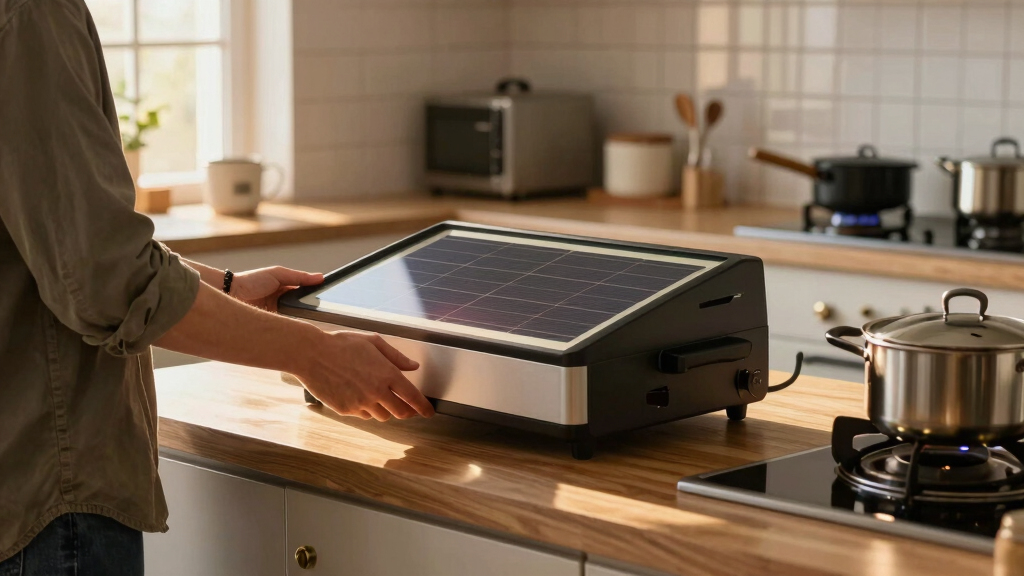
Solar cookers convert sunlight into heat, focusing or trapping it to cook food. This process involves simple principles: reflectors, insulation, and the sun’s rays. For example, a box cooker with reflective lids can bake bread slowly but steadily, while a parabolic reflector can fry eggs in minutes.
Understanding these types helps you pick the right tool. Box cookers are best for slow-cooked stews or baking bread, panel cookers excel at boiling water, and parabolic models are suited for frying or quick boiling—if the sun’s strong enough.
This technology is more than just a novelty; it reduces your reliance on fuels and cuts emissions, making it an eco-friendly choice for wilderness cooking or sustainable living.
Choosing the right solar cooker involves understanding how each type harnesses and concentrates sunlight. For instance, a parabolic reflector’s ability to focus sunlight into a high-temperature point makes it ideal for quick, high-heat tasks, but it also requires precise alignment and safety precautions. Conversely, box cookers provide gentle, consistent heat suitable for baking or slow cooking, but are limited in speed and temperature. Recognizing these tradeoffs helps you select a cooker that aligns with your cooking style and environmental conditions, ensuring efficiency and safety.

New Design of BOX TYPE SOLAR Cooker: parabolic solar cooker
As an affiliate, we earn on qualifying purchases.
As an affiliate, we earn on qualifying purchases.
The Real Benefits You Can Count On
Solar cooking offers tangible advantages. It’s completely silent—no engine noise or burner hum—just the gentle sizzle of your food heating up. Plus, it’s safe; no hot flames or boiling liquids splashing around. For outdoor enthusiasts, that safety margin matters.
It also saves money over time—once you buy the cooker, sunlight is free. And in areas with unreliable electricity or fuel shortages, it provides a dependable backup. For example, in a remote cabin, solar cooking can make all the difference without running to the gas station.
Most importantly, it fosters a deeper connection to your environment, turning sunlight into a nourishing meal. That’s a quiet, powerful benefit, especially in off-grid settings.
Beyond safety and savings, solar cooking encourages a sustainable lifestyle by reducing your carbon footprint and dependence on fossil fuels. It also promotes mindfulness—waiting for the right conditions and observing natural rhythms—which can enhance your appreciation for the environment and your food. These intangible benefits deepen the value of solar cooking as more than just a convenience but as a lifestyle choice rooted in ecological awareness.

1800W Parabolic Solar Cooker High Efficiency Sun Oven 700-1000°C Outdoor Camping
Durable & Sturdy: The iron solar concentrating plates with stamping and spray painting, the iron supports, and the…
As an affiliate, we earn on qualifying purchases.
As an affiliate, we earn on qualifying purchases.
Why Weather Plays Spoilsport — The Limits You Need to Know
Sunlight isn’t always available. Overcast days, rain, or winter clouds cut down the heat your solar cooker can generate. For example, on a cloudy winter afternoon, a parabolic cooker might only reach 50°C (122°F), far below the 80–100°C (176–212°F) needed for most cooking tasks.
In practical terms, this means you’ll often need backup options or plan for longer cooking times. A sunny summer day might cook beans in an hour, but a cloudy day could extend that to two or three hours.
In cold or rainy climates, solar cooking becomes more of a supplemental method rather than a primary one. It’s a tool best suited for predictable, sunny conditions—if you want consistent results, it’s not your main kitchen.
This weather dependency affects how you plan your meals and manage expectations. For instance, if you rely solely on solar cooking, you might need to prepare dishes that can be cooked slowly over several hours or store ingredients that can be cooked during optimal weather. Moreover, understanding these limitations helps you develop contingency plans, such as using traditional methods during bad weather or supplementing solar cooking with other energy sources. Recognizing the weather’s impact underscores the importance of flexibility and planning in off-grid cooking strategies.
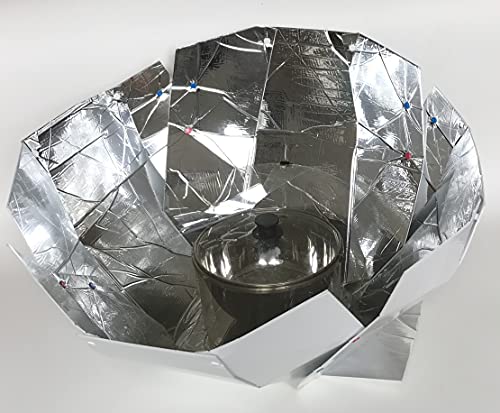
Haines 2.0 SunUp Solar Cooker and Dutch Oven Kit
Top Ranked Solar Cooker
As an affiliate, we earn on qualifying purchases.
As an affiliate, we earn on qualifying purchases.
What Solar Cooking Can’t Do — And Why You Should Keep Expectations Realistic
Solar cookers aren’t magic. They can’t replace all your cooking needs. For starters, they’re slow—most dishes take 1 to 4 hours, sometimes longer. If you’re used to boiling water in 10 minutes, solar cooking will test your patience.
They also struggle with foods that need high heat or quick cooking, like frying bacon or boiling pasta rapidly. This limitation is tied to the maximum temperature a solar cooker can reach, which is often below what’s needed for such tasks. Additionally, capacity is limited—most cookers handle a small pot, enough for 2-4 servings at once—making it less suitable for large families or gatherings.
And don’t expect them to work well in winter or on cloudy days. They’re a seasonal or backup tool, not a full-time replacement for your stovetop or oven. This means you should consider solar cooking as part of a diversified approach to meal preparation, especially in variable weather conditions or during off-peak seasons. Understanding these constraints ensures you set realistic expectations and avoid frustration, allowing you to enjoy solar cooking as a complementary method rather than the sole solution.

4Patriots Sun Kettle: Portable Solar Water Heater For Hunting & Emergencies – 16.9 oz Capacity
BOIL WATER: The Sun Kettle uses solar power to boil your water. It traps sunlight & focuses it…
As an affiliate, we earn on qualifying purchases.
As an affiliate, we earn on qualifying purchases.
Solar Cooking vs. Traditional Methods — How Do They Compare?
| Feature | Solar Cooking | Traditional Cooking |
|---|---|---|
| Speed | Slow—30 minutes to several hours | Fast—minutes to an hour |
| Weather Dependence | High — needs sun | Low — can cook rain or shine |
| Cost | Initial purchase, then free operation | Fuel, electricity, or gas costs |
| Safety | Very safe—no flames | Potential hazards—burns, fires |
| Capacity | Limited—small pots | Variable—large stoves or ovens |
Real Questions About Solar Cooking — Answered
- Is solar cooking suitable for all climates? It works best in sunny, clear environments but can be less effective in cloudy or rainy regions.
- How long does it take to cook with a solar cooker? Expect anywhere from 30 minutes to several hours, depending on food type and sunlight conditions.
- Can I cook anything with a solar cooker? Most foods, but high-heat or quick-cook dishes (like frying or boiling pasta) might not work well.
- Is it safe? Very—no open flames, but handle hot surfaces carefully to avoid burns.
- How durable are they? With proper care, modern models last several seasons outdoors.
- Are there costs involved? Initial costs vary, but ongoing sunlight is free, making it economical long-term.
- Can it save me money? Yes—by reducing fuel or electricity bills over time.
Conclusion
Solar cooking isn’t a magic wand, but a practical tool that shines brightest in the right conditions. Think of it as a quiet partner—slow, steady, and eco-friendly. When used with clear expectations, it can become a reliable part of your off-grid kitchen.
Remember: it’s about working with nature, not against it. When the sun is shining, you’re cooking with a free, renewable resource—so get creative and enjoy the process.