TL;DR

Get kitchen gear delivered free with Prime
- Fast, free delivery on millions of items
- Prime Video, Amazon Music and more included
- Member-only deals all year
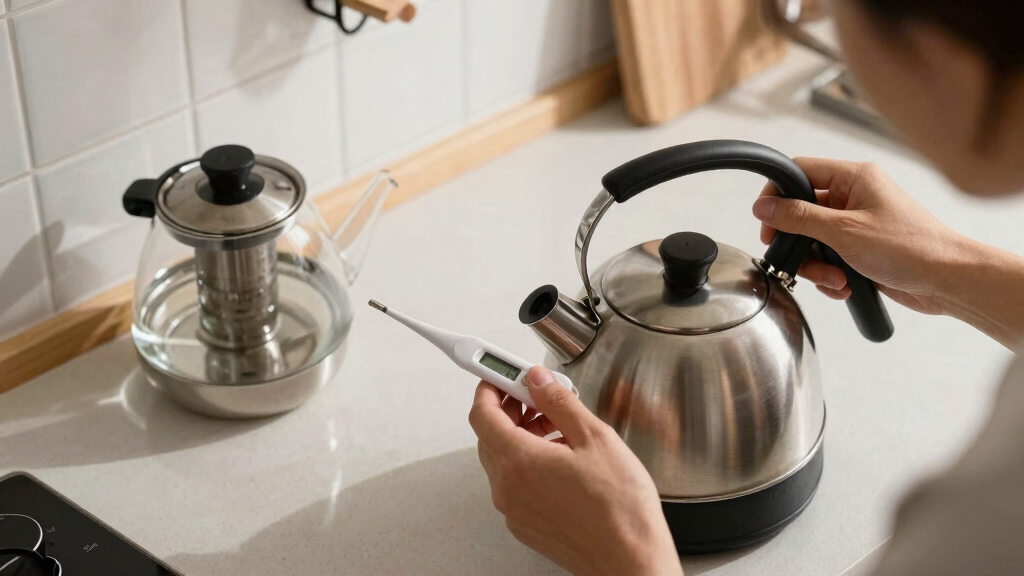
Brewing tea at the right temperature is crucial for flavor. Use a thermometer or controlled kettle to hit the perfect heat—green teas need around 160°F, black teas boil, and delicate teas require lower temps. Adjust steeping times accordingly for best results.
Using a thermometer or temperature-controlled kettle ensures you hit the perfect brewing temperature every time.
Green and white teas thrive at 150–180°F, while black teas need near boiling water for full flavor.
Pre-warming your teapot or cup helps maintain temperature during steeping, improving flavor consistency.
Adjust steeping time based on water temperature to prevent bitterness or under-extraction.
Investing in simple tools like digital thermometers or smart kettles can make brewing more precise and enjoyable.
Why Temperature Matters More Than You Think
Brewing at the wrong temperature can turn a delicate tea into a bitter mess. Green teas turn bitter and astringent if steeped in water above 180°F. Black teas need near-boiling water to unlock their rich, malty notes. If you use water that’s too cool, you risk under-extracting, resulting in bland, weak flavor. Think of temperature as the key that opens the flavor vault of each tea.
For example, a friend once brewed green tea at full boil, and the cup tasted like bitter grass. Switching to water at 160°F brought out the sweet, grassy notes instead. It’s a simple change that makes all the difference.
Understanding why temperature impacts flavor helps you make smarter choices. Too high a temperature can extract tannins and bitterness, overshadowing the delicate nuances, while too low a temperature might not extract enough flavor, leaving your tea flat. The balance is essential—each tea variety requires a specific temperature window to optimize aroma and taste without introducing undesirable elements.
As an affiliate, we earn on qualifying purchases.
How to Achieve Perfect Tea Temperatures in 3 Easy Steps
- Start with fresh, filtered water. It heats more evenly and tastes better, free from impurities that can alter flavor.
- Use a thermometer or a temperature-controlled kettle. Aim for 150–185°F for green and white teas, 185–205°F for oolong, and 200–212°F for black and herbal teas. Recognizing and controlling these ranges ensures optimal extraction of flavor compounds, avoiding bitterness or underdevelopment.
- Pre-warm your teapot or cup by rinsing with hot water. This helps maintain temperature during steeping, ensuring the tea doesn’t cool too quickly and that the flavors develop fully. Maintaining a stable temperature during steeping allows the tea to release its full aromatic profile, leading to a richer, more balanced brew.
For instance, when brewing oolong, heating water to 195°F and pouring it over pre-warmed leaves produces a smooth, fragrant brew without bitterness. Practice these steps, and your tea’s flavor will consistently shine.
Mastering these steps reduces the guesswork and variability that often lead to inconsistent results, especially when brewing multiple cups or different tea types. It’s about understanding how each step influences the final flavor and making adjustments accordingly.
temperature-controlled electric kettle
As an affiliate, we earn on qualifying purchases.
As an affiliate, we earn on qualifying purchases.
The Best Tools for Precise Tea Brewing
| Tool | Features | Pros |
|---|---|---|
| Digital Thermometer | Quick, accurate readings, instant feedback on water temperature | Affordable, easy to use, provides precise control, helps prevent over- or under-heating |
| Temperature-Controlled Kettle | Preset temperatures, auto shut-off, maintains consistent heat | Ensures consistent results, reduces guesswork, ideal for multiple teas |
| Smart Infuser | Built-in temperature indicator, app control, customizable steeping profiles | High-tech convenience, allows precise control over temperature and steeping time, great for tech-savvy users |
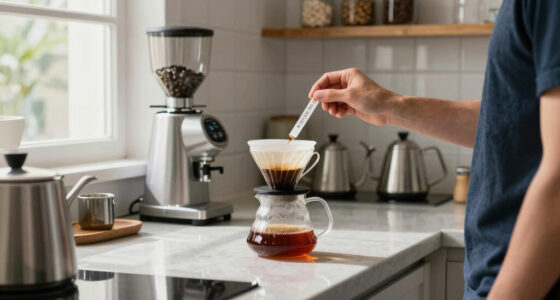
For example, a simple digital thermometer can be clipped onto your kettle’s spout, giving you instant feedback. Or, invest in a kettle with preset temperatures—perfect for perfecting your green or black tea every time. These tools take the guesswork out of brewing, making it easier to consistently produce flavorful cups.
Choosing the right tools depends on your level of commitment and the variety of teas you enjoy. High-tech options may require an initial investment but pay off through improved consistency and flavor quality over time.
As an affiliate, we earn on qualifying purchases.
How to Adjust Steeping Time Based on Temperature
Higher temperatures shorten steeping times because heat accelerates the extraction of flavors and compounds from the tea leaves. Conversely, cooler water requires longer steeping to achieve the same flavor intensity. For example, if you brew green tea at 160°F, you might steep for 2–3 minutes, allowing delicate flavors to develop gently. If you accidentally use boiling water, reduce steeping time to 1–2 minutes to prevent bitterness caused by over-extraction of tannins.
Think of it like cooking: a delicate fish cooks quickly, while tougher cuts need longer cooking times. Adjusting steeping time based on temperature ensures you extract the right balance of flavors without introducing harsh or flat notes. Proper timing also preserves the tea’s nuanced aromas and prevents over- or under-extraction, which can significantly alter the final taste and mouthfeel.
smart tea kettle with temperature control
As an affiliate, we earn on qualifying purchases.
As an affiliate, we earn on qualifying purchases.
Common Mistakes and How to Avoid Them
- Using boiling water for green tea: Causes bitterness by over-extracting tannins and polyphenols. Use around 150–160°F instead to preserve delicate flavors and avoid harshness.
- Reheating water: Can create uneven temperatures and alter flavor profiles due to repeated heating, which can also concentrate impurities. Always heat fresh water to your desired temperature for each brew to ensure consistency and purity.
- Ignoring your tea’s specific needs: Different teas have distinct temperature ranges for optimal extraction. For example, white teas are delicate and require lower temperatures, while black teas can handle higher temps. Knowing and respecting these differences helps you avoid common pitfalls like bitterness or weak infusions. Tailoring your approach based on the tea type maximizes flavor and aroma.
For example, reheating water multiple times often results in a flat-tasting brew because dissolved minerals and flavors degrade over time. Instead, boil fresh water for each cup, especially when brewing delicate teas, to maintain clarity and brightness in the final cup.
How Advanced Tools Make Perfect Tea Every Time
If you’re serious about tea, investing in high-tech tools can make a big difference. A smart kettle with temperature presets ensures you hit the mark every time, reducing the risk of over- or under-heating. Some models even connect to apps that guide you through brewing specific teas, adjusting heat and steep time automatically, which can help beginners and enthusiasts alike achieve professional results.
Imagine pouring water that’s precisely 175°F into a pre-warmed teapot. The aroma begins to rise—subtle, inviting. These tools eliminate guesswork, allowing you to focus on the sensory experience and enjoy a more consistent, satisfying cup of tea every time. Over time, they can help you develop a deeper understanding of how temperature influences each tea’s unique profile, leading to more nuanced brewing techniques.
Your Perfect Cup: Final Tips for Tea Success
- Start with cool, fresh water—never reboiled or stale, as impurities and oxygen loss can dull flavors.
- Use a thermometer or a smart kettle for accuracy, ensuring precise temperature control for different teas.
- Pre-warm your teapot or cup to help maintain temperature during steeping, which allows flavors to develop fully.
- Adjust steeping time based on water temperature and tea type, recognizing that delicate teas need gentler handling.
- Experiment to find your ideal flavor balance, noting how small changes in temperature or steep time can enhance or diminish aroma and taste.
For example, I once adjusted my green tea brewing temp from 180°F to 160°F and noticed a sweeter, more nuanced flavor. Small tweaks like this turn a good cup into a great one, deepening your appreciation and understanding of tea nuances.
Frequently Asked Questions
Why does my green tea taste bitter even when brewed at 160°F?
Bitter green tea often results from over-steeping or water that’s slightly hotter than intended. Stick to 150–160°F, and limit steeping to 2–3 minutes for the best flavor.Can I reheat water to reach the right temperature?
Reheating water can cause uneven temperatures and affect flavor. It’s better to heat fresh water to your desired temperature for each brew.What’s the easiest way to tell if water is at the right temp without a thermometer?
For green tea, look for small bubbles just starting to form. For black tea, fully rolling boil is ideal. But a simple digital thermometer provides the most reliable results.Do I need special equipment to brew perfect tea?
While not necessary, tools like temperature-controlled kettles, digital thermometers, or smart infusers make hitting the perfect temperature much easier and more consistent.Conclusion
Getting your water at the right temperature is the secret to unlocking the true taste of your tea. It’s a small change that makes every cup richer, smoother, and more satisfying. Take control of your brewing process—your taste buds will thank you.Halloween Picks
halloween
As an affiliate, we earn on qualifying purchases.