TL;DR

Get kitchen gear delivered free with Prime
- Fast, free delivery on millions of items
- Prime Video, Amazon Music and more included
- Member-only deals all year
Brewing tea at the right temperature maximizes flavor and health benefits. Use specific temperatures for different teas and simple tools like thermometers or temperature-controlled kettles to get perfect results.
Use a thermometer or a temperature-controlled kettle to hit your target brewing temp.
Different teas require specific water temperatures—know the ranges for each type.
Pre-warm your teapot or cup to maintain optimal brewing temperature.
Adjust steeping time based on water temperature to avoid bitterness or weak flavor.
Proper temperature maximizes both flavor and health benefits of your tea.
Why Temperature Is the Key to Perfect Tea
Tea’s flavor, aroma, and health benefits depend heavily on water temperature. Green and white teas are delicate; they release their full character at lower temperatures, around 150–180°F. Black and herbal teas can handle boiling water, around 200–212°F, which extracts their bold flavors.
If you brew at the wrong temperature, you risk turning your tea bitter, overly astringent, or flat. Think of it like cooking vegetables—overcooking releases bitter compounds, undercooking leaves them dull. The same applies to tea. Proper temperature ensures you extract just the right amount of tannins, polyphenols, and aroma compounds.
Why does this matter? Because each tea’s delicate balance of compounds responds uniquely to temperature. Too hot, and you may extract excessive tannins, leading to bitterness; too cool, and you might not extract enough flavor or beneficial antioxidants. Mastering temperature allows you to control these tradeoffs, resulting in a more nuanced, balanced cup that highlights the tea’s best qualities.
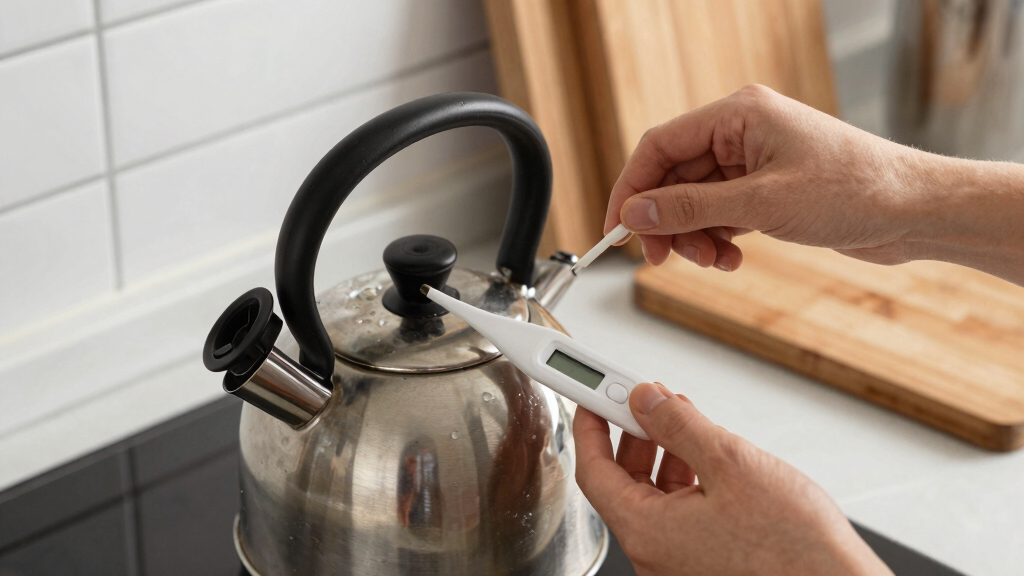
digital food thermometer for tea brewing
As an affiliate, we earn on qualifying purchases.
As an affiliate, we earn on qualifying purchases.
How to Measure Water Temperature Without Fancy Gadgets
- Use a digital food thermometer — sturdy, fast, and accurate. Simply dip it into your water and wait for the reading. This method provides precise control, especially important if you’re aiming for a specific temperature range to avoid bitterness or dullness.
- Use a kettle with built-in temperature control — set the exact degree you want, no guesswork. This ensures consistency, which is crucial when you want to replicate perfect brews day after day or when experimenting with different teas.
- If you don’t have those, boil water and let it sit for a minute or two. For green or white teas, then cool it slightly with a splash of cold water to reach 160–185°F. This method is less precise but still better than pouring boiling water directly onto delicate leaves, which can quickly ruin subtle flavors.
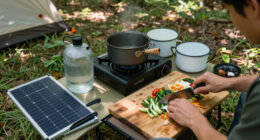
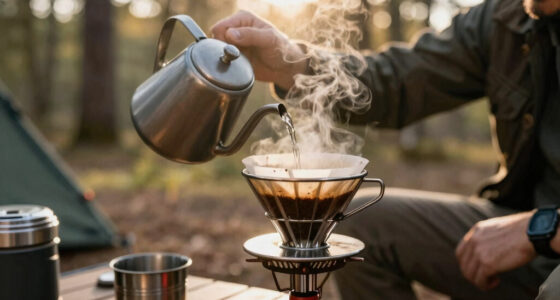
For example, if you’re brewing green tea on a campfire, bring water to a rolling boil, then let it sit 1–2 minutes. The temperature will drop to a perfect 170°F—ideal for delicate leaves. This approach emphasizes understanding how heat loss and timing influence extraction, helping you adapt even in off-grid settings.
Why is this important? Because water temperature impacts extraction efficiency and flavor profile. Using a thermometer or controlled kettle reduces guesswork, allowing you to tailor each brew precisely, which is especially valuable when experimenting with new teas or trying to replicate a perfect cup.
temperature-controlled electric kettle
As an affiliate, we earn on qualifying purchases.
As an affiliate, we earn on qualifying purchases.
Compare Water Temperatures for Different Tea Types
| Tea Type | Ideal Brewing Temp | Notes |
|---|---|---|
| Green Tea | 150–180°F | Too hot causes bitterness; use cooler water for delicate greens. This preserves subtle flavors and prevents tannin over-extraction, which can dominate the palate and produce an astringent taste. |
| White Tea | 160–185°F | Slightly cooler preserves subtle sweetness and delicate aroma. Brewing at the right temperature prevents the loss of nuanced flavors that can be masked by overly hot water. |
| Black Tea | 200–212°F | Boiling water extracts strong, bold flavors. Overly hot water can sometimes produce harsh or overly bitter notes if steeped too long, so balancing temperature and steep time is key. |
| Oolong Tea | 185–205°F | Mid-range temperature balances flavor complexity and smoothness. Slight variations within this range can emphasize different aroma and taste profiles, allowing for customization. |
| Herbal Tea | 212°F | Typically brewed at boiling for full extraction of beneficial compounds. Since herbal teas are often more forgiving, higher temperatures ensure maximum release of antioxidants and flavors, but over-steeping can still lead to bitterness. |
Why is understanding these differences crucial? Because each tea’s optimal temperature influences not just flavor but also the extraction of health-promoting compounds. Brewing outside these ranges can lead to underwhelming or unpleasant results, especially when aiming for a balance between taste and health benefits.
As an affiliate, we earn on qualifying purchases.
Frequently Asked Questions
Why does my green tea taste bitter?
Green tea turns bitter when brewed with water that’s too hot or steeped too long. Aim for around 160–180°F and 2–3 minutes for a smooth, fresh flavor.
What’s the easiest way to measure water temperature without gadgets?
Use a digital thermometer or an electric kettle with temperature control. If unavailable, boil water and let it sit 1–2 minutes to reach around 170°F for green tea. Understanding how long to wait is key, as it helps you approximate the proper temperature based on boiling time and ambient conditions, giving you more control even without specialized tools.
Can I use boiling water for all teas?
No, especially for green, white, or delicate teas. Use cooler water (150–185°F) to avoid bitterness and preserve subtle flavors. Recognizing the tradeoff between extraction strength and delicacy is crucial for a balanced brew.
How long should I steep my tea at different temperatures?
Typically, green teas steep for 2–3 minutes, black teas for 3–5 minutes. Adjust based on your taste and the specific tea type. Longer steeping at lower temperatures can enhance extraction but may also risk bitterness if not carefully timed.
Are there tools to help me brew at the perfect temperature?
Yes, temperature-controlled kettles, digital thermometers, and pre-warming cups all help you get consistent, ideal results every time. These tools reduce guesswork, allowing you to focus on refining your technique and understanding the nuances of each tea.
As an affiliate, we earn on qualifying purchases.
Conclusion
Getting your water to the right temperature is the simplest way to elevate your tea game. It’s not about fancy gadgets, but understanding the subtle dance between heat and leaves. Next time you brew, think of it as unlocking a full spectrum of aroma, flavor, and wellness—one precise degree at a time.Halloween Picks
halloween
As an affiliate, we earn on qualifying purchases.
![Eating Out [Grickle]](https://unpluggedkitchen.com/wp-content/uploads/2026/10/eating-out-grickle-featured-260x140.jpg)