
TL;DR

Get kitchen gear delivered free with Prime
- Fast, free delivery on millions of items
- Prime Video, Amazon Music and more included
- Member-only deals all year
Many cast iron mistakes, like using soap or heating too fast, can damage your cookware. Proper cleaning, seasoning, and careful usage keep your skillet non-stick and rust-free for years.
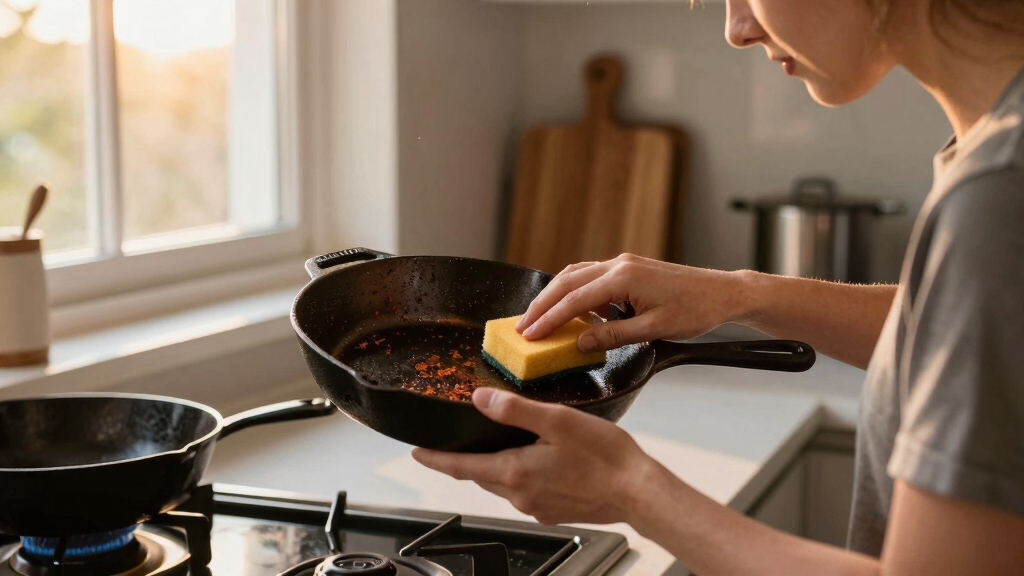
Use hot water and a brush or salt for cleaning — avoid harsh soaps unless you re-season afterward.
Re-season your cast iron regularly, especially when the surface dulls or food sticks.
Cook acidic foods only after your skillet has a well-established seasoning layer.
Dry your cast iron immediately after washing to prevent rust.
Heat gradually and avoid rapid temperature changes to keep your skillet crack-free.
Why Using Dish Soap on Cast Iron Is a Big Mistake (And When It’s Okay)
Contrary to popular belief, using soap on cast iron isn’t always a disaster. However, frequent soap use can strip the seasoning layer, which is the natural non-stick coating you build over time. Think of seasoning as a protective skin that keeps rust out and food from sticking.
For routine cleaning, many seasoned cooks prefer hot water and a stiff brush or coarse salt. Soap can be used sparingly after heavy, greasy cooking — just reapply a thin layer of oil afterward. If you notice your skillet starting to stick or look dull, a quick re-seasoning can restore it.
Example: After frying bacon, a quick scrub with hot water and salt keeps the skillet clean without damaging the seasoning. Only resort to soap if you’re planning to re-season after, or if there’s stubborn residue.
As an affiliate, we earn on qualifying purchases.
How to Properly Re-Season Your Cast Iron (Step-by-Step)
- Preheat your oven to 450°F (232°C). This helps set the new seasoning layer.
- Clean the skillet thoroughly—scrub off rust or old seasoning with steel wool if necessary. This step is crucial because any residual rust or old seasoning can interfere with the new layer bonding properly, leading to uneven or flaky seasoning over time. Skipping this step can result in a patchy surface that diminishes the pan’s performance and longevity.
- Dry it completely with a towel or heat it on the stove for a few minutes to evaporate all moisture. Any remaining water can cause rust or steam during baking, which compromises the seasoning. Proper drying ensures a smooth, even coating that bonds well.
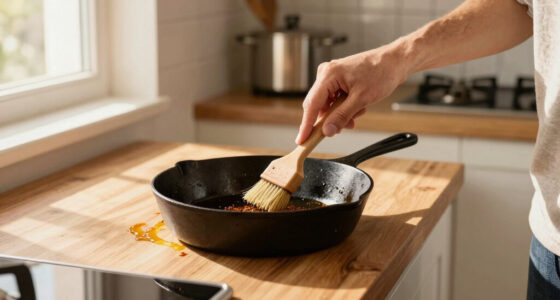
- Apply a thin, even coat of high-smoke-point oil (like flaxseed or grapeseed oil). Use a paper towel to wipe away excess—no puddles allowed. Excess oil can create sticky spots or uneven seasoning, leading to a dull or patchy surface that reduces non-stick effectiveness over time.
- Place the skillet upside down in the oven with a sheet of foil on the rack below to catch drips.
- Bake for 1 hour, then turn off the oven and let the skillet cool inside. Cooling gradually helps the seasoning set properly, preventing warping or cracking. Rapid cooling can cause thermal stress, which may crack or warp the pan, reducing its lifespan and cooking performance.
Repeat this process periodically or whenever the surface looks dull, food sticks, or rust appears. Proper seasoning creates that smooth, black surface that makes cast iron so easy to cook with. Think of it as laying a fresh, durable paint coat—each layer improves the skillet’s non-stick properties and durability.
As an affiliate, we earn on qualifying purchases.
The Hidden Danger of Cooking Acidic Foods Too Soon
Cooking highly acidic foods like tomatoes or citrus in cast iron can damage the seasoning if done too early. Acid eats into the seasoning layer, potentially causing rust or a dull surface. This isn’t just a cosmetic issue; it can significantly impair the skillet’s non-stick properties and increase the risk of rust formation. When the seasoning is compromised, the pan becomes more prone to sticking and corrosion, shortening its lifespan.
The rule of thumb: wait until your skillet has been properly seasoned through regular use — about 4-6 uses or a few months of cooking— before simmering tomatoes or citrus-based sauces for long periods. Until then, cook acidic foods briefly or in other cookware. This patience allows the seasoning to develop a resilient, protective layer that can withstand acids, much like how a new paint job needs time to cure before being exposed to harsh elements.
Example: One home cook tried making a tomato sauce in a freshly seasoned cast iron pan. The result? A patchy, dull surface that took weeks to re-restore. Better to be patient and let the seasoning mature to prevent such issues, ensuring your skillet remains in optimal condition for future use.
As an affiliate, we earn on qualifying purchases.
Avoid These 5 Common Mistakes That Ruin Cast Iron
| Mistake | What Happens | How to Avoid |
|---|---|---|
| Using metal utensils | Scratches the seasoning, creating spots prone to rust. Over time, these scratches can deepen, exposing raw iron and increasing the risk of rust formation, which can compromise the pan’s integrity and non-stick surface. This damage also makes it harder to maintain a smooth, durable seasoning layer, reducing the pan’s effectiveness and lifespan. | Use wooden, silicone, or nylon tools to preserve the seasoning and avoid damaging the protective layer. This gentle handling helps maintain the integrity of the seasoned surface, ensuring longevity and consistent non-stick performance. |
| Sudden temperature shifts | Warps or cracks the pan. Rapid changes, like heating a cold skillet on high and then pouring cold water, cause uneven expansion and contraction, leading to structural damage. Such thermal shock can cause cracks or warping that are often irreversible, reducing the pan’s stability and safety. | Gradually heat or cool your skillet, and always let it come to room temperature before washing or adding cold liquids. This slow change minimizes thermal stress and preserves the pan’s structural integrity, ensuring it remains safe and functional for decades. |
| Not drying thoroughly | Rust develops quickly. Even a small amount of residual moisture can cause oxidation, especially in humid environments, leading to corrosion and deterioration of the surface. Over time, this rust can eat into the iron, weakening the pan and making it unsafe to use. | Dry immediately after washing, preferably over low heat, and consider applying a light coat of oil to create a moisture barrier. Proper drying and oiling form a protective layer that prevents rust and extends the skillet’s lifespan. |
| Cooking with oil that’s too thick or not enough | Sticky, uneven seasoning. Excess oil can create a gummy layer, which hampers the development of a smooth, durable non-stick surface. Conversely, too little oil results in a dull, patchy finish that doesn’t protect the pan adequately, leading to quicker wear and sticking issues. | Apply a thin, even coat of oil after each cleaning, and wipe away any excess to ensure a smooth, durable seasoning layer. Consistent, moderate oiling helps build a resilient non-stick surface over time. |
| Storing in humid environments | Rust and deterioration. Moisture trapped inside or around the pan accelerates oxidation, leading to rust and potential structural damage over time. Improper storage conditions can undo years of seasoning efforts, forcing frequent reconditioning. | Store in a dry place, with a paper towel or cloth to absorb moisture, and avoid stacking heavy objects that could dent or warp the skillet. Proper storage maintains the seasoning and prevents rust, ensuring long-term usability. |
These small missteps can turn your beautiful skillet into a rusty nightmare. The fix? Pay attention, and treat your cast iron with respect and patience. Think of your skillet as a living piece of cookware that benefits from mindful handling—like caring for a delicate but resilient plant.
As an affiliate, we earn on qualifying purchases.
How to Prevent Warping or Cracking When Heating Your Skillet
Cast iron is tough, but it’s not invincible against thermal shock. Heating a cold skillet on high heat or pouring cold water into a hot pan causes it to expand or contract too quickly. That’s how cracks form, much like glass breaking under sudden stress.
To avoid this, always warm your pan gradually. Start on low heat, then increase as needed. When cleaning, let the pan cool down before washing, especially if you’ve just cooked something very hot. Think of it as slowly stretching a rubber band—sudden pulls can cause tears, but gentle, gradual tension keeps it intact.
Example: A camper heated their cast iron over a campfire, then poured cold water to clean it. Cracks appeared the next day. The fix? Always let the pan cool naturally before cleaning, just as you would allow a hot glass to cool before handling.
Frequently Asked Questions
How do I remove rust from my cast iron skillet?
Use coarse salt and a stiff brush or steel wool to scrub away rust. Rinse with hot water, dry thoroughly, then re-season. For heavy rust, a vinegar soak for a few hours can help, but follow with a proper re-seasoning.
Can I use soap to clean cast iron?
Yes, mild soap can be used occasionally, especially after greasy cooking. Just reapply a thin layer of oil afterward to restore the seasoning. Regular cleaning with hot water and salt is often enough for routine maintenance.
How often should I re-season my cast iron?
If your skillet looks dull, food sticks, or rust appears, it’s time to re-season. Typically, after 3-4 uses or every few months, a light re-seasoning keeps the surface durable and non-stick.
Is it safe to cook acidic foods in cast iron?
Yes, but wait until your skillet has a strong seasoning layer—usually after several uses—before simmering tomatoes or citrus sauces for long periods. Otherwise, acids can strip the seasoning and dull the surface.
How should I store my cast iron to prevent rust?
Store in a dry place, preferably with a paper towel or cloth inside to absorb moisture. Avoid stacking heavy objects on top, which can dent or warp the pan over time.
Conclusion
Treat your cast iron like a trusted old friend — with patience, respect, and a bit of daily care. Properly maintained, it will serve you for decades, maybe even generations. Remember, great cooking begins with good habits, not just good tools. Keep those mistakes at bay, and your skillet will reward you with perfect sears and a lifetime of memories.Halloween Picks
halloween
As an affiliate, we earn on qualifying purchases.

![Eating Out [Grickle]](https://unpluggedkitchen.com/wp-content/uploads/2026/10/eating-out-grickle-featured-260x140.jpg)